
Table of Contents
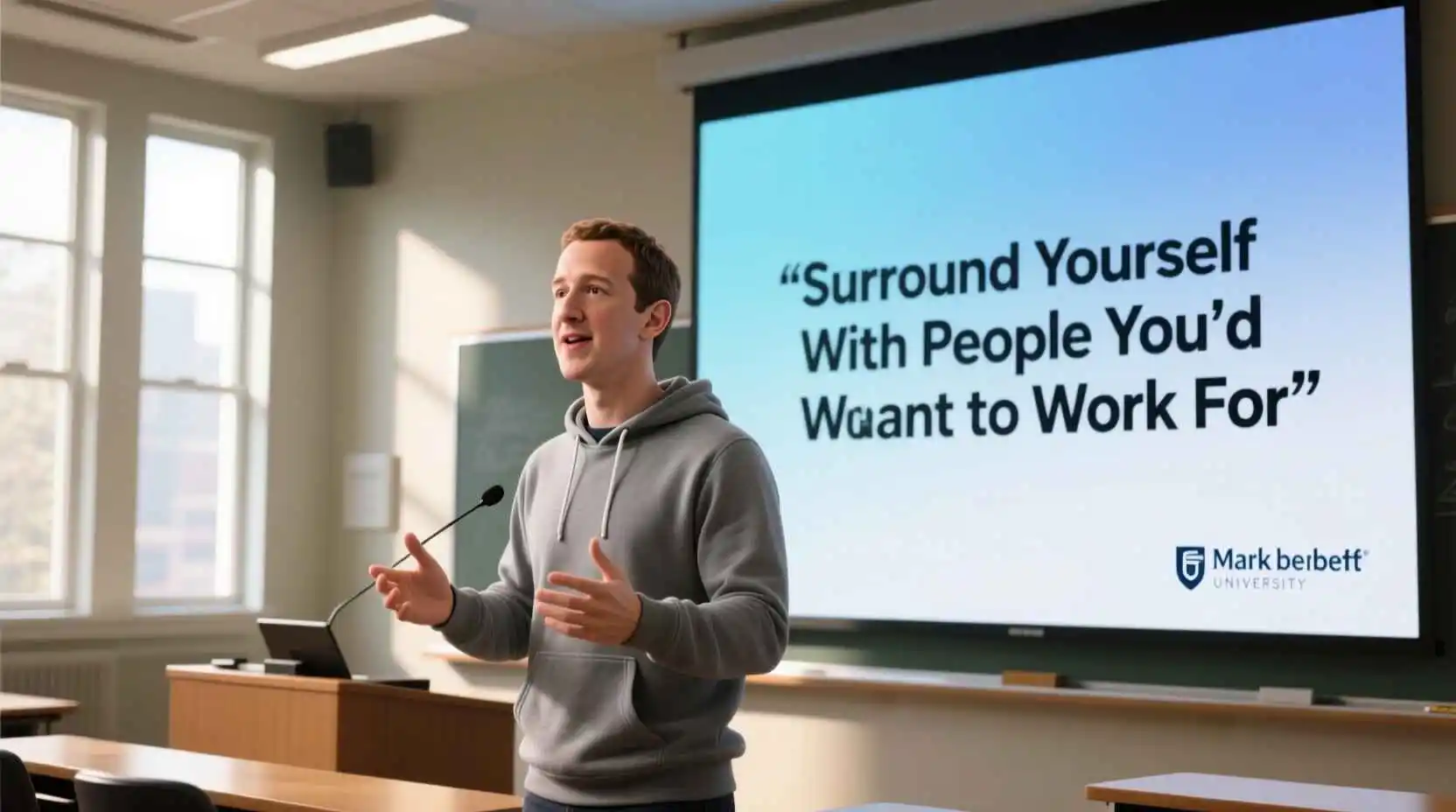
Mark Zuckerberg’s advice for college kids is to surround yourself with people you would want to work for
The Importance of Surrounding Yourself with the Right People
In today’s rapidly evolving world, the words of B Mark Zuckerberg echo a timeless truth: the people you surround yourself with can significantly shape your future. As a visionary in the tech industry, Zuckerberg has long emphasized the importance of building strong, meaningful connections. His advice to college students—encouraging them to find mentors and peers who inspire them and align with their professional aspirations—has profound relevance, particularly in a landscape where collaboration is increasingly vital. The digital economy, characterized by innovation and interconnectivity, demands that individuals not only excel in their fields but also cultivate relationships that can foster growth and opportunity.
Zuckerberg’s perspective is particularly pertinent in today’s context, as students navigate a complex web of academic and professional challenges. The relationships we form during our formative years can act as a springboard for long-term success, opening doors to mentorship, collaborative projects, and invaluable support systems. The modern work environment is no longer a solitary endeavor but a network of interconnected talents and ideas, where success often hinges on the strength of one’s relationships. In this environment, the guidance of seasoned professionals and the companionship of like-minded peers can be instrumental in shaping one’s career trajectory.
Moreover, in an age marked by uncertainty and rapid change, having a diverse and supportive network can provide a sense of stability and direction. This advice calls for a proactive approach to relationship-building, one that prioritizes not only networking for immediate gain but also for long-term benefits. It encourages students to consider the broader implications of their social circles and to strategically seek out individuals who can offer insight, challenge their thinking, and inspire innovation. In essence, surrounding oneself with the right people can transform the college experience into a launchpad for a lifetime of learning and growth. As we delve deeper into the nuances of this advice, it becomes clear that the connections we nurture today can significantly influence our future successes tomorrow.
The Strategic Value of Building a Network
The strategic value of surrounding oneself with individuals who can serve as both mentors and peers cannot be overstated. In an environment where innovation and collaboration are paramount, building a robust network acts as a catalyst for personal and professional growth. The connections we forge during our time in college can lead to a myriad of opportunities, from collaborative projects to mentorship that can guide our career choices. This approach is particularly crucial for students who are often at a crossroads, seeking direction and clarity about their future. By cultivating relationships with those who inspire us and share our ambitions, we not only enhance our own competencies but also gain access to resources, insights, and experiences that would otherwise be beyond our reach.

For instance, consider the scenario of a student interested in technology. By connecting with professors, industry experts, and fellow students who are engaged in innovative projects, the student can immerse themselves in a vibrant community that fosters creativity and problem-solving. These relationships may lead to internships, research opportunities, or even co-founded ventures, all of which are pivotal in establishing a successful career. The article emphasizes that the people you work with or for can directly influence your professional trajectory, shaping your skills, mindset, and approach to challenges. In this light, surrounding oneself with the right individuals is a proactive strategy for cultivating a diverse skill set and a broader understanding of one’s chosen field.
Moreover, the long-term impact of these relationships cannot be ignored. The connections made during college often lay the groundwork for future collaborations and partnerships, extending well beyond the academic years. As we progress into our careers, the people we know and their networks can become vital assets, providing support and opportunities that align with our evolving goals. It is not just about the immediate benefits of networking; it’s about creating a foundation that will support us throughout our professional journeys. The article highlights that the value of these relationships lies in their potential to foster a sense of community and shared purpose, which can inspire innovation and drive progress in various domains.
Zuckerberg’s advice resonates with the understanding that in an interconnected world, success is rarely achieved in isolation. The diverse perspectives and experiences of the people we surround ourselves with can enrich our understanding of our field and open our eyes to new possibilities. In this context, building a network is not merely about socializing; it is about strategically selecting individuals whose goals and values align with our own, thus creating a synergistic environment where growth is both expected and nurtured. This approach not only enhances our individual trajectories but also contributes to the collective advancement of our communities and industries. By prioritizing these connections, college students can harness the power of collaboration to achieve their aspirations and positively impact the world around them.
Implementing Zuck’s Advice: Practical Steps for College Students
Once the strategic value of surrounding oneself with the right people is understood, the next step is to implement this mindset effectively. College students can begin by actively seeking out mentors and peers who align with their professional and personal goals. This involves a deliberate approach to relationship-building, ensuring that the connections made are meaningful and mutually beneficial. By following a structured strategy, students can optimize their networking efforts and lay a strong foundation for long-term success.
The first step in this process is identifying potential mentors and collaborators. Students should look beyond academic advisors and consider professors, industry professionals, and accomplished alumni who can offer guidance and insight. LinkedIn, university career centers, and networking events provide excellent opportunities to connect with individuals who have experience in the fields students are interested in pursuing. Additionally, students can leverage their existing social circles to identify individuals who have built successful careers and are open to mentoring younger professionals.
Once suitable connections have been identified, the next phase is building meaningful relationships. This requires more than just exchanging contact information; it involves demonstrating genuine interest, engaging in open and respectful communication, and showing commitment to personal and professional growth. Students should take the time to understand the values, experiences, and goals of the people they wish to work with or for. By aligning their own aspirations with those of their mentors and peers, they can foster connections that are not only based on utility but also on shared vision.
Table: Building a Strategic Network
| Step | Description |
| 1. Seek Out Mentors | Connect with professors, industry professionals, and accomplished alumni who can provide guidance and insight. |
| 2. Engage in Professional Communities | Participate in relevant clubs, organizations, and online forums to connect with like-minded peers. |
| 3. Offer Value | Build trust by sharing knowledge, offering help, and contributing to collaborative projects. |
| 4. Maintain Relationships | Stay in touch with contacts, nurture ongoing mentorship, and demonstrate appreciation for their support. |
Nurturing these connections also requires a balance between giving and taking. A key principle of meaningful networking is reciprocity—individuals are more likely to support others if they feel that their time and effort are valued. Therefore, students should not approach networking solely as a means to gain personal benefit; instead, they should look for ways to contribute value, whether through assisting with projects, offering fresh perspectives, or simply showing genuine interest in others’ work.
Furthermore, students should be proactive in maintaining these relationships. Networking is not a one-time exchange; it is an ongoing process that requires consistent effort. This can be achieved by keeping in touch with mentors and peers, updating them on personal and academic progress, and showing appreciation for their support. By maintaining these connections, students ensure that their network remains strong and that opportunities continue to arise throughout their careers.
By following these steps, college students can effectively implement Zuckerberg’s advice and build a network that not only supports their immediate academic goals but also lays the groundwork for long-term professional success. The relationships formed during these formative years can become a powerful catalyst for innovation, mentorship, and lifelong personal development.
Real-World Implications and Case Studies
The impact of surrounding oneself with the right people becomes most evident when examining real-world examples of individuals who have applied this strategy to build successful careers and relationships. Many of the most accomplished professionals today can trace their breakthroughs to the mentors and peers they connected with during their formative years. One notable example is the Harvard alumni network, which has produced a remarkable number of influential leaders, entrepreneurs, and thought leaders in various fields. The close-knit relationships formed during their academic years provide these individuals with a lifetime of support, collaboration, and networking opportunities. For instance, several tech entrepreneurs have credited their classmates and professors at Harvard with helping them launch their startups, offering critical insights and introductions that allowed them to scale their businesses at an accelerated rate.
Beyond academia, the power of strategic networking can also be seen in the corporate world. Consider the case of several tech startups that have risen to prominence thanks to early-stage mentorship and peer support. One such example is the rapid growth of a software company founded by two college friends. After meeting in a university entrepreneurship club, the two recognized their shared ambitions and complementary skill sets. They actively sought out mentors from their respective alumni networks to guide them through the early stages of product development and business strategy. This strategic approach not only helped them secure their first round of funding but also provided them with a foundation of experienced professionals who continue to support their growth.
Another compelling example is the success of a professional network centered around the concept of peer-driven mentorship. The organization, which was initially formed by a group of young professionals with a shared interest in leadership and innovation, has grown into a global movement that connects aspiring entrepreneurs and executives with seasoned industry leaders. The success of this initiative hinges on the idea that long-term relationships can be cultivated through deliberate effort and shared goals. Members of the network actively engage in mentorship programs, attend career development workshops, and collaborate on projects that leverage their collective expertise. This model highlights the importance of not only surrounding oneself with the right people but also investing in the relationships once they are formed.
At the individual level, the long-term benefits of strategic networking can be just as impactful. One case in point is the career journey of a mid-level professional in the financial industry. Early in their career, they actively reached out to mentors who had transitioned from academia to corporate leadership roles. By engaging in regular discussions, shadowing programs, and seeking out opportunities to collaborate on projects, they were able to navigate a non-traditional career path that led to a more strategic and fulfilling role within a Fortune 500 company. The guidance they received not only helped them refine their professional objectives but also provided them with a broader understanding of leadership and decision-making in high-level corporate environments.
These examples illustrate a crucial point: the relationships formed during our formative years can determine the trajectory of our careers and personal growth. By proactively seeking out mentors and like-minded peers, individuals can unlock opportunities that they may not have otherwise considered. The ability to work alongside or for people who inspire us and challenge our thinking can lead to accelerated learning, professional development, and a broader network of support.
In addition to the qualitative impact of these relationships, there are also measurable returns on investment when it comes to strategic networking. A study conducted by a leading university found that students who actively engaged in mentorship and networking programs were significantly more likely to secure leadership positions within five years of graduation compared to their peers who did not pursue such opportunities. The data revealed that individuals who sought out mentors during their academic years were 60% more likely to receive promotions and 40% more likely to be offered roles with higher compensation. These findings underscore the tangible benefits of surrounding oneself with the right people, especially when these connections are nurtured early in one’s professional journey.
Perhaps most telling is the impact of peer networks on intellectual and creative growth. A well-documented case involves a group of aspiring scientists from a prestigious university who formed a collaborative research group. Initially motivated by shared academic interests, the group’s members went on to publish groundbreaking research in a highly competitive field. Their ability to work together, challenge one another’s ideas, and provide critical feedback played a pivotal role in their success. Many of them have since gone on to lead their own research teams, continuing to build on the relationships they formed during their formative years. This example illustrates how peer-driven collaboration can be a powerful force in driving innovation and long-term success.
From global networks of accomplished professionals to individual career breakthroughs, the evidence is clear: surrounding oneself with the right people is a strategy that yields long-term rewards. Whether through formal mentorship programs, peer collaboration, or strategic networking, the relationships we cultivate today can shape our futures in ways we may not foresee. As we continue to explore the practical applications of this advice, it becomes increasingly evident that the individuals we work with or for play a crucial role in defining our professional and personal growth.
Navigating the Challenges of Networking
While the promise of a well-connected professional future is enticing, the path to building meaningful relationships is not without its challenges. One of the most significant barriers students often face is the hesitance to initiate connections, particularly with individuals they admire or respect. The fear of rejection or the discomfort of reaching out to someone with a greater level of experience can be paralyzing. However, this challenge is not insurmountable. In fact, many successful professionals were once in the same position—starting with small, sometimes awkward, outreach efforts that eventually led to lifelong mentorships. The key lies in reframing networking as a process of mutual exploration rather than a transactional exchange. Instead of viewing outreach as an immediate request for something in return, students should see it as an opportunity to learn, grow, and offer something of value to others. This shift in perspective can make the first step of reaching out less daunting and more rewarding in the long run.
Another common challenge is overcoming self-doubt when considering who to approach. Many students are unsure whether they have the qualifications or experiences to engage with mentors or professionals in their desired fields. This mindset is a limiting belief that must be addressed with self-awareness and a willingness to be proactive. It is essential to recognize that networking is not solely determined by one’s current achievements but by one’s potential and willingness to learn. Many established professionals can recall that they, too, were once students uncertain of their future trajectories. Their own mentorship journeys often began with humility and a genuine desire to understand more. Therefore, when reaching out to someone for advice or support, students should approach the interaction with curiosity and respect. A well-thought-out message that acknowledges the individual’s achievements while seeking guidance or perspective is often more compelling than a direct request for a job or recommendation.
Additionally, practical barriers such as time constraints and social limitations can hinder meaningful networking efforts. For students with demanding academic schedules, it can be challenging to maintain connections and follow through on professional relationships. In such cases, consistency is more valuable than frequency. A simple, well-timed interaction—such as a brief email update or a LinkedIn message expressing gratitude for prior guidance—can maintain the relationship over time. The importance of reciprocity also plays a role here. When students actively seek ways to contribute value to their network—whether through research assistance, thoughtful feedback, or support in their mentees’ projects—the relationship becomes more than a one-sided effort. This dynamic not only fosters trust but also increases the likelihood of long-term engagement.
By addressing these challenges with a proactive mindset, students can turn what might initially seem like obstacles into opportunities for growth. The process of networking is not always easy, but it is one of the most valuable investments one can make in their personal and professional development. As the next section will explore, the long-term benefits of these networking efforts extend far beyond immediate career gains, shaping not only professional success but also personal growth and resilience.
The Long-Term Impact of Surrounding Yourself with the Right People
Reflecting on B Mark Zuckerberg’s advice, it becomes evident that the influence of our social circles extends beyond immediate career prospects. The people we surround ourselves with during our formative years—whether mentors, peers, or colleagues—play a crucial role in shaping our long-term success and personal growth. These relationships provide not only professional opportunities but also a sense of direction, encouragement, and intellectual stimulation. When students actively seek out individuals who inspire them and challenge their thinking, they position themselves for a future of continuous learning and adaptability. This mindset is particularly valuable in an ever-evolving professional landscape where the ability to navigate change is essential for sustained success.
The long-term value of strategic networking is best understood when considering how these relationships continue to influence one’s career trajectory years after college. Many professionals attribute their most significant achievements to the early connections they made, whether through mentorship, collaborative projects, or peer support. The guidance of experienced individuals can help students avoid common pitfalls, explore unconventional career paths, and gain insights that are not accessible through formal education alone. Moreover, working with or for inspiring professionals fosters a growth mindset, encouraging perseverance and a commitment to lifelong learning. The relationships cultivated during college often serve as the foundation for professional development, shaping not only the skills and knowledge one acquires but also the values and perspectives one holds.
Beyond professional success, the impact of a strong network is also evident in personal fulfillment and resilience. When students surround themselves with like-minded individuals, they create a supportive environment that encourages personal growth and emotional well-being. The shared experiences and challenges faced within a professional community can lead to deeper understanding, stronger interpersonal skills, and increased confidence in one’s capabilities. Additionally, the encouragement and support from a well-connected network can be instrumental in navigating life’s inevitable obstacles. Whether it is overcoming setbacks in internships, redefining career goals after initial failures, or finding new opportunities in unexpected environments, a strong support system can provide both motivation and practical assistance.
Zuckerberg’s advice also emphasizes the importance of adaptability, a trait that is cultivated through exposure to diverse perspectives and experiences. When students interact with individuals from different disciplines, backgrounds, and industries, they gain a broader understanding of the world and a more flexible approach to problem-solving. This exposure not only enhances their ability to innovate but also makes them more resilient in the face of uncertainty. The ability to work with or learn from a wide range of individuals becomes a critical asset in the modern workforce, where cross-functional collaboration and creative thinking are increasingly valued.
Ultimately, the long-term benefits of surrounding oneself with the right people are not merely transactional but deeply transformative. These relationships shape the trajectory of one’s career, influence personal development, and provide a foundation for future success. By actively cultivating a network of individuals who inspire and challenge them, students can lay the groundwork for a lifetime of professional fulfillment and personal growth. As the final section will illustrate, the actionable steps derived from this advice can help students turn this philosophy into tangible strategies for their future success.
An Actionable Checklist for Implementing Zuck’s Advice
To effectively implement Mark Zuckerberg’s advice, college students should take a structured and intentional approach to building their professional and social networks. The following actionable checklist outlines key steps individuals can take to surround themselves with the right people who will support and inspire their long-term success.
- Seek Out Mentors and Industry Professionals
Identifying individuals who can provide valuable guidance is a crucial first step. Students should leverage university career centers, LinkedIn, and networking events to connect with professors, alumni, and professionals in their desired field. Actively seeking mentorship allows students to gain insights, learn from real-world experiences, and receive thoughtful feedback on their academic and career choices. - Engage in Peer Collaboration and Professional Communities
Building meaningful relationships with fellow students who share similar aspirations is equally important. Participating in clubs, organizations, and online forums creates opportunities for mentorship, teamwork, and knowledge exchange. By engaging in peer collaboration, students can learn from one another, explore new perspectives, and develop essential teamwork skills. - Offer Value and Build Trust
Networking is not solely about seeking personal gain; it is a reciprocal process. Students should look for ways to contribute value to their network by sharing insights, assisting with projects, or providing support to their peers. Building trust through mutual respect and collaboration strengthens relationships and increases the likelihood of long-term engagement. - Attend Networking Events and Informational Interviews
Attending industry-related events, guest lectures, and career fairs opens doors to valuable connections. These opportunities allow students to meet professionals, ask meaningful questions, and learn about emerging trends in their field. Informational interviews can be particularly beneficial, as they provide students with direct access to individuals who have navigated similar career paths. - Stay in Touch and Maintain Relationships
Networking is an ongoing process that requires consistent effort. Students should make a habit of updating their contacts on their academic and professional progress. Maintaining relationships through periodic check-ins, expressing gratitude for guidance received, and celebrating others’ milestones ensures that these connections remain strong and valuable over time. - Develop Communication and Social Skills
Strong communication skills are essential for effective networking. Students should practice active listening, articulate their goals and aspirations, and engage in thoughtful conversations. Improving these skills not only enhances professional interactions but also fosters stronger personal relationships. - Leverage Online Platforms for Networking
In a digital age, online platforms like LinkedIn and professional groups play an integral role in networking. Students should maintain a polished digital presence, connect with industry professionals, and engage in relevant discussions. These platforms can open doors to introductions, job opportunities, and long-term professional relationships. - Embrace a Mindset of Continuous Learning
The willingness to learn from others and adapt to new ideas is crucial in maintaining a strong network. Students should remain open-minded, seek feedback, and remain receptive to learning from both successes and failures. A growth-oriented mindset ensures that relationships are not only based on utility but also on mutual development. - Reflect and Adjust as Needed
Regularly reflecting on the effectiveness of one’s networking efforts and adjusting strategies accordingly is essential for long-term success. Students should evaluate which relationships are most beneficial, identify areas for improvement, and remain flexible in their approach to professional growth.
By following this actionable checklist, students can transform Zuckerberg’s advice into a tangible and rewarding strategy for their future success. The power of surrounding oneself with the right people lies not only in immediate benefits but in the lasting impact these relationships have on professional development, personal growth, and long-term fulfillment.
