
Table of Contents
Clogged Arteries: The Warning Signs, Symptoms, Diagnosis, Treatments, and Natural Prevention
You’re walking up a flight of stairs and suddenly you’re more winded than you should be. Or maybe you’ve noticed a strange pressure in your chest, a numbness in one arm, or a persistent feeling that something is “off.” It’s easy to brush those moments aside. Most people do. But when arteries start narrowing, the body often whispers before it screams.
Clogged arteries don’t usually happen overnight. They build quietly over years, often with few obvious symptoms at first. That’s what makes them so dangerous. By the time many people realize there’s a problem, the blockage may already be affecting the heart, brain, or legs. The good news: the earlier you recognize the signs, the more you can do about it.
What clogged arteries actually are
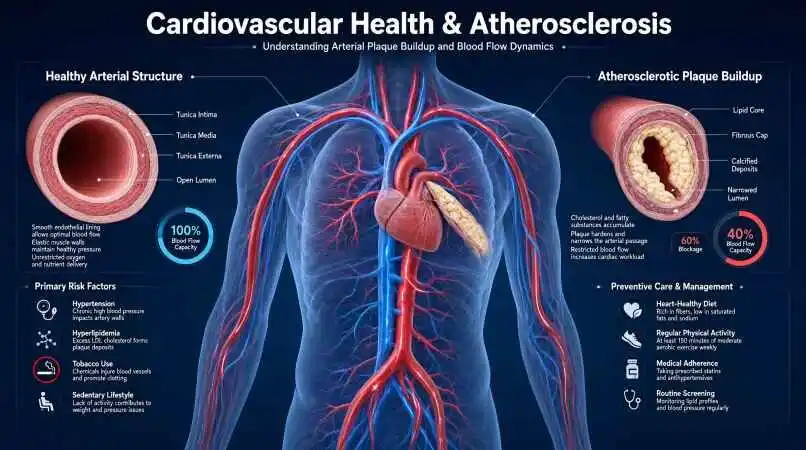
Clogged arteries happen when plaque builds up along the inner walls of arteries. Plaque is a mix of fat, cholesterol, calcium, and other substances in the blood. Over time, this buildup narrows the passageway, reducing blood flow.
Think of it like a pipe slowly getting coated with gunk. At first, water still gets through. But over time, the flow weakens. If the plaque ruptures, a blood clot can form and fully block the artery — and that’s when a heart attack or stroke can happen.

Why it matters
When blood flow is reduced, organs and tissues don’t get enough oxygen and nutrients. That can lead to:
- Chest pain
- Shortness of breath
- Leg pain while walking
- Fatigue
- Dizziness
- Heart attack or stroke
Signs and symptoms of clogged arteries
Here’s the tricky part: symptoms depend on which arteries are affected. Some people have no symptoms at all until a major event happens. Others notice warning signs for months or years.
- Heart-related symptoms
If the arteries feeding the heart are narrowed, you may notice:
- Chest pressure or tightness
- Pain spreading to the shoulder, arm, neck, jaw, or back
- Shortness of breath
- Fatigue with activity
- Sweating
- Nausea or lightheadedness
- Brain-related symptoms
If blood flow to the brain is reduced, symptoms can include:
- Sudden weakness or numbness on one side
- Trouble speaking
- Confusion
- Vision changes
- Severe dizziness
- Sudden severe headache
- Leg-related symptoms
When plaque builds up in leg arteries, common signs include:
- Cramping or pain while walking
- Cold feet or legs
- Weak pulses in the feet
- Slow-healing wounds
- Numbness or heaviness in the legs
- General symptoms people overlook
Some people only notice:
- Unusual tiredness
- Reduced exercise tolerance
- Feeling “out of shape” quickly
- Frequent indigestion-like discomfort
- Poor recovery after physical effort
Who is most at risk
Clogged arteries don’t happen randomly. Certain factors make them far more likely.
| Risk Factor | Why It Matters |
| High cholesterol | Promotes plaque buildup |
| High blood pressure | Damages artery walls |
| Smoking | Speeds up artery damage |
| Diabetes | Increases inflammation and vessel injury |
| Obesity | Raises risk through multiple pathways |
| Sedentary lifestyle | Weakens heart and vessel health |
| Poor diet | Can raise cholesterol and inflammation |
| Family history | Genetics can increase risk |
| Age | Risk rises as arteries age |
Other contributors include chronic stress, poor sleep, excessive alcohol use, and untreated sleep apnea.
How clogged arteries are diagnosed
Doctors usually combine symptoms, exam findings, and tests. Diagnosis depends on where the blockage may be.
Common diagnostic tools
- Physical exam: Listening for abnormal blood flow sounds and checking pulses
- Blood tests: Cholesterol, blood sugar, inflammation markers
- Electrocardiogram (ECG): Checks heart rhythm and signs of heart strain
- Stress test: Measures how the heart responds to exertion
- Echocardiogram: Ultrasound of the heart
- CT coronary calcium scan: Detects calcium in artery walls
- Angiogram: Imaging that shows blood flow through arteries
- Ultrasound or ABI test: Often used for leg artery disease
What doctors are looking for
They want to know:
- How severe the narrowing is
- Whether the plaque is stable or unstable
- Which arteries are affected
- Whether symptoms suggest an emergency
- What treatment lowers your risk most effectively
Treatment options for clogged arteries
Treatment depends on severity, symptoms, and overall health. In many cases, the goal is to slow or stop progression and reduce the chance of heart attack or stroke.
Lifestyle changes
These are often the foundation:
- Eat more fiber-rich foods
- Cut back on saturated and trans fats
- Move more regularly
- Quit smoking
- Lose excess weight if needed
- Improve sleep
- Manage stress
- Control blood pressure, cholesterol, and blood sugar
Medications
Doctors may prescribe:
- Statins to lower cholesterol
- Blood pressure medications
- Antiplatelet drugs like aspirin in certain cases
- Diabetes medications
- Other medicines to reduce clotting or strain on the heart
Procedures
If blockages are severe, procedures may be needed:
- Angioplasty and stent placement
- Bypass surgery
- Endarterectomy in certain arteries
These are not first-line for everyone, but they can be lifesaving when blood flow is dangerously restricted.
Natural prevention: what really helps
Natural prevention works best when it’s not treated like a quick fix. It’s the daily habits that matter most.
Eat for artery health
Focus on:
- Vegetables and fruit
- Whole grains
- Beans and legumes
- Nuts and seeds
- Fatty fish
- Olive oil
Limit:
- Fried foods
- Processed meats
- Refined carbs
- Sugary drinks
- Highly processed snacks
Move your body
Aim for:
- 150 minutes of moderate activity weekly
- Walking after meals
- Strength training a few times a week
Support healthy blood vessels
- Stop smoking
- Manage stress with breathing, prayer, meditation, or time outdoors
- Sleep 7–9 hours
- Stay hydrated
- Keep routine checkups
- Follow up on cholesterol and blood pressure numbers
Be careful with “natural” claims
Not every supplement helps. Some can interact with medications or give a false sense of security. Garlic, omega-3s, and fiber may support heart health, but they do not replace medical treatment when blockage is significant.
When to seek urgent help
Get emergency help right away for:
- Chest pressure that lasts more than a few minutes
- Shortness of breath with chest discomfort
- Sudden weakness on one side
- Trouble speaking
- Sudden vision loss
- Fainting
- Severe leg pain with a cold, pale limb
These can be signs of a heart attack or stroke.
FAQ
- What are the first signs of clogged arteries?
Often, there are no early signs. When symptoms do appear, they may include chest discomfort, shortness of breath, fatigue, or leg pain while walking. - Can clogged arteries be reversed?
Plaque can sometimes stabilize and, in some cases, improve modestly with aggressive lifestyle changes and medical treatment. The main goal is preventing worsening and complications. - Are clogged arteries always painful?
No. Many people have no pain until the blockage becomes serious or causes a heart attack or stroke. - Can you have clogged arteries and not know it?
Yes. This is very common, especially early on. - What causes plaque buildup?
High LDL cholesterol, smoking, high blood pressure, diabetes, inflammation, and poor lifestyle habits all contribute. - Is chest pain always a sign of clogged arteries?
No, but it should never be ignored, especially if it feels like pressure, tightness, or heaviness. - Can clogged arteries cause fatigue?
Yes. Reduced blood flow can make you feel unusually tired, especially during activity. - How are clogged arteries found?
Through blood tests, heart tests, imaging, stress tests, and sometimes angiograms. - What test is best for blocked arteries?
It depends on the artery involved. Coronary angiography is often used for the heart; ABI or ultrasound may be used for leg arteries. - Can diet alone clear clogged arteries?
Diet can help slow progression and improve risk factors, but severe blockage often needs medical treatment too. - What foods help unclog arteries naturally?
Fiber-rich foods, fatty fish, nuts, olive oil, beans, fruits, and vegetables support artery health. - What foods should I avoid?
Trans fats, processed meats, deep-fried foods, sugary drinks, and heavily processed snacks. - Does exercise help clogged arteries?
Yes. Regular exercise improves circulation, lowers cholesterol, and supports blood vessel health. - Can smoking clog arteries?
Yes. Smoking is one of the strongest risk factors. - Does high blood pressure worsen clogged arteries?
Absolutely. It damages artery walls and makes plaque buildup more likely. - Can diabetes damage arteries?
Yes. Diabetes increases inflammation and speeds vascular damage. - Are supplements enough to prevent clogged arteries?
No. Supplements may help in limited ways, but they are not a substitute for treatment or healthy habits. - Can stress clog arteries?
Chronic stress can raise blood pressure, worsen habits, and contribute indirectly to artery disease. - Is leg pain when walking serious?
It can be. This may be a sign of peripheral artery disease, which needs medical evaluation. - What does artery blockage feel like?
It may feel like pressure, tightness, cramping, heaviness, numbness, or fatigue depending on the artery involved. - Can clogged arteries cause dizziness?
Yes, especially if blood flow to the brain is affected. - Are women’s symptoms different?
Women may have less typical symptoms such as fatigue, nausea, shortness of breath, or back/jaw discomfort. - Can clogged arteries run in families?
Yes. Family history increases risk significantly. - At what age do clogged arteries start?
They can begin quietly much earlier than most people realize, sometimes even in young adulthood. - Can a stent fix clogged arteries permanently?
A stent opens one narrowed spot, but it does not cure the underlying disease. - Is bypass surgery better than a stent?
It depends on how many arteries are blocked and where the blockages are. - How fast do clogged arteries progress?
Progression varies widely. Some people worsen slowly over years; others develop problems faster. - Can clogged arteries be prevented?
Yes, often. Healthy eating, exercise, no smoking, and managing cholesterol, blood pressure, and blood sugar make a major difference. - Should I get checked if I have risk factors but no symptoms?
Yes. Early screening can catch problems before they become dangerous. - When should I see a doctor?
If you have chest pain, shortness of breath, leg pain when walking, unusual fatigue, or major risk factors, get evaluated promptly.
Clogged arteries rarely announce themselves loudly at first. They start as a quiet process, then eventually demand attention in a way nobody wants. The smartest move is to treat the early warning signs seriously, get checked if something feels off, and build habits that protect your circulation now — not after a scare.
If you’ve been ignoring subtle symptoms, this is your sign to act. Talk to a healthcare professional, ask the right questions, and take your heart health seriously before the problem gets louder.
⚕️Medical Disclaimer:
The information provided on this website is for general educational and informational purposes only and is not intended as a substitute for professional medical advice, diagnosis, or treatment. Always seek the advice of your physician or other qualified health provider with any questions you may have regarding a medical condition. Never disregard professional medical advice or delay in seeking it because of something you have read on this website.
