
Table of Contents
Natural Health boosters – Dill The Herb That Boosts Your Health and Flavor 
Introduction
Dill is an herb that is commonly used in cooking for its unique flavor and aroma. Not only does it add a delicious taste to dishes, but it also comes with a variety of health benefits. In this article, we will explore the different ways dill can improve your health and the best methods of incorporating it into your diet.
The Health Benefits of Dill: A Small Herb with a Big Impact
Dill (Anethum graveolens) is far more than a garnish for pickles and potato salads. This feathery, fragrant herb has been prized for centuries in traditional medicine, and modern nutrition confirms that it is low in calories yet surprisingly rich in protective compounds. From its delicate leaves to its aromatic seeds, every part of the plant offers something valuable. Here is a closer look at what dill can do for your health.
Rich in Antioxidants Dill is packed with antioxidants, including flavonoids and terpenes, which help neutralize free radicals — unstable molecules that damage cells and accelerate aging. Notably, dill supplies flavonoids such as quercetin and kaempferol, compounds repeatedly linked to a lower risk of chronic disease. By reducing oxidative stress, these antioxidants help lower the risk of conditions such as cancer and heart disease, making antioxidant-rich herbs like dill a smart daily addition.
Anti-Inflammatory Properties Chronic inflammation lies at the root of many conditions, including arthritis. The bioactive compounds in dill have demonstrated anti-inflammatory effects that may help calm inflammatory pathways in the body, potentially easing joint pain, swelling, and other symptoms of inflammatory conditions. This makes dill a gentle, food-based ally against the low-grade inflammation that quietly accumulates with age.

Digestive Aid For centuries, dill has been a trusted digestive remedy. Its carminative properties help relax the muscles of the digestive tract, relieving bloating, gas, and indigestion. A cup of dill tea after a heavy meal, or simply sprinkling fresh dill over your food, can support smoother, more comfortable digestion. In many cultures, dill seeds are traditionally chewed after meals for this very reason.
Improves Bone Health Dill is a good source of calcium, the mineral most essential for maintaining strong, dense bones. It also provides magnesium and phosphorus, which work alongside calcium to support skeletal strength. Regularly including calcium-rich foods like dill in your diet may help prevent bone-related conditions such as osteoporosis, especially as we age.
Rich in Essential Nutrients Despite its delicate appearance, dill delivers a meaningful dose of vitamins and minerals. It is a good source of vitamin A, which supports healthy vision and immunity, and vitamin C, which is crucial for a strong immune system, collagen production, skin health, and wound healing. Dill also supplies iron, needed for oxygen transport and energy, and manganese, a trace mineral involved in enzyme function, metabolism, and bone formation.
Antimicrobial Properties Dill’s essential oils, particularly compounds like carvone, possess antimicrobial properties that can help inhibit the growth of harmful bacteria. Historically, dill was used to preserve food and freshen breath precisely because of this protective quality, and it may contribute to better overall immune defense.
Menstrual Relief Thanks to its mild antispasmodic effects, dill can help relax uterine muscles and ease menstrual cramps and discomfort. Warm dill tea is a gentle traditional remedy many women turn to during their cycle. A soothing cup also encourages relaxation and rest, adding to the overall sense of relief.
Supports Heart Health Dill may also benefit the cardiovascular system. Studies suggest its compounds can help lower LDL (“bad”) cholesterol and triglyceride levels, while its antioxidants protect blood vessels from oxidative damage. Together with its anti-inflammatory action, these effects make dill a genuinely heart-friendly herb.
Methods of Intake
Adding dill to your meals is effortless: toss fresh leaves into salads, soups, fish dishes, and yogurt sauces, or steep the seeds into a calming tea. While no single herb can replace a balanced diet or medical care, dill is a flavorful, low-calorie way to give your body a steady supply of antioxidants, minerals, and protective plant compounds — small sprigs, significant benefits.
Now that you know about the health benefits of dill, let’s explore the different ways you can incorporate this herb into your diet:
- Fresh Dill- Dill leaves
Add fresh dill to salads for a burst of flavor.
Use it as a garnish for soups and stews.
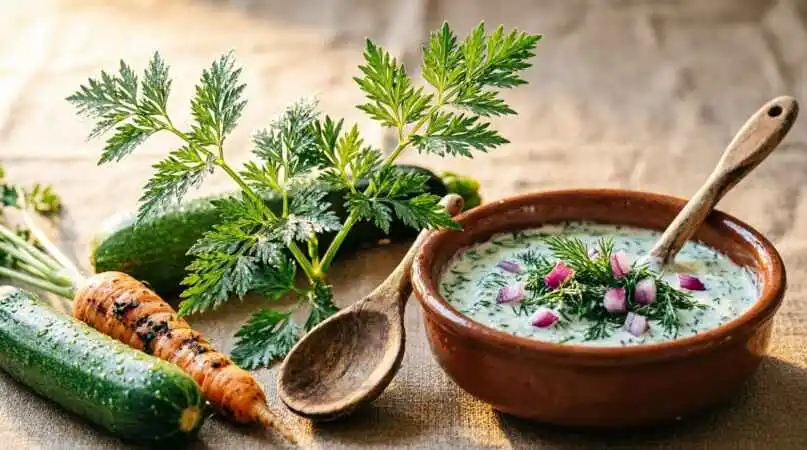
Mix chopped dill with yogurt for a refreshing dip.
- Dill Oil
Use dill oil in salad dressings or marinades.
Drizzle it over roasted vegetables for added flavor.
- Dill Seeds
Crush dill seeds and add them to pickling brine for homemade pickles.
Toast dill seeds and sprinkle them over roasted potatoes or fish.
- Dill Tea
Steep fresh or dried dill leaves in hot water for a soothing tea.
Add a touch of honey for extra sweetness.
- Dill Pickle.
Use dill to make homemade pickles, adding a unique and tangy taste.
- Smoothies. Add fresh dill leaves to your green smoothies for a fresh and nutritious boost.
7 Baking.
Incorporate dill into bread and savory baked goods for an aromatic twist.
- Dill Supplements.
Consider taking dill supplements if you want to reap the health benefits in a convenient form.
At the out set, dill is not only a tasty herb but also a powerhouse of health benefits. From its antioxidant properties to its anti-inflammatory effects, dill can be a great addition to your diet. By incorporating fresh dill, dill oil, dill seeds, dill tea, or supplements into your meals, you can enjoy the many advantages this herb has to offer. So why not start reaping the benefits of dill today?
Remember to always consult with a healthcare professional before making significant changes to your diet or incorporating new supplements.
FAQs
FAQ 1:
Question: What is dill and where does it originate from?
Answer: Dill is an annual herb from the Apiaceae family, closely related to parsley and carrots. It originates from the Mediterranean and Western Asia regions, where it has been used for thousands of years in cooking and traditional medicine for its feathery leaves and seeds.
FAQ 2:
Question: What are the main health benefits of dill?
Answer: Dill is packed with antioxidants, vitamins (like A and C), and minerals (such as iron and calcium). Its health benefits include aiding digestion, reducing inflammation, supporting bone health, and potentially lowering cholesterol levels, making it a nutritious addition to a balanced diet.
FAQ 3:
Question: How does dill help with digestive issues?
Answer: Dill contains compounds like carvone that stimulate digestive enzymes and reduce bloating and gas. It’s often used in herbal remedies to alleviate symptoms of indigestion, cramps, and irritable bowel syndrome when consumed as tea or in meals.
FAQ 4:
Question: Is dill beneficial for weight loss?
Answer: Yes, dill can support weight loss indirectly by promoting better digestion, reducing appetite through its fiber content, and boosting metabolism with its essential oils. Incorporating it into salads or low-calorie dishes may help you feel fuller longer.
FAQ 5:
Question: What nutrients are found in dill, and how much should I consume?
Answer: A 100-gram serving of fresh dill provides high levels of vitamin C (for immune support), vitamin A (for eye health), iron (for blood health), and manganese (for metabolism). Aim for 1-2 tablespoons daily in meals to gain these benefits without overdoing it.
FAQ 6:
Question: Can dill boost the immune system?
Answer: Absolutely; dill’s high vitamin C and antioxidant content helps strengthen the immune system by fighting free radicals and reducing oxidative stress. Regular consumption, such as in soups or salads, can enhance your body’s defense against infections.
FAQ 7:
Question: How can I incorporate dill into my daily diet for health benefits?
Answer: Add fresh dill to salads, yogurt, or smoothies for a nutrient boost. You can also use it in teas or as a seasoning in fish dishes. Start with small amounts, like a teaspoon per meal, to enjoy its health perks without overwhelming flavors.
FAQ 8:
Question: What are some popular culinary uses of dill?
Answer: Dill is a versatile herb used in Mediterranean, Scandinavian, and Indian cuisines. It’s commonly added to pickles, fish dishes (like salmon), salads, and sauces for its fresh, citrusy flavor, enhancing both taste and presentation.
FAQ 9:
Question: How does dill enhance the flavor of dishes?
Answer: Dill adds a bright, tangy, and slightly sweet note to foods, balancing heavier flavors in dishes like creamy dips or roasted vegetables. Its aromatic oils make it ideal for pairing with proteins, cheeses, and acidic ingredients like lemon.
FAQ 10:
Question: Is dried dill as effective as fresh dill in cooking?
Answer: Dried dill is more concentrated in flavor and easier to store, but fresh dill offers a more vibrant taste and higher nutrient levels. Use dried dill in soups or stews (1 teaspoon dried for 1 tablespoon fresh) to maintain its culinary magic.
FAQ 11:
Question: How do I store fresh dill to keep it fresh longer?
Answer: Wrap fresh dill in a damp paper towel, place it in a plastic bag, and refrigerate it for up to a week. For longer storage, freeze it in ice cube trays with water or oil, preserving its culinary potency for future use.
FAQ 12:
Question: Can I grow dill at home, and what are the tips for success?
Answer: Yes, dill is easy to grow in pots or gardens with full sun and well-drained soil. Plant seeds in spring, water regularly, and harvest leaves when they’re about 6 inches tall. This ensures a fresh supply for your culinary experiments.
FAQ 13:
Question: What are some simple recipes that feature dill?
Answer: Try dill-infused tzatziki (yogurt dip), dill-pickled cucumbers, or grilled salmon with dill butter. These recipes highlight dill’s culinary magic by adding freshness and depth, making meals more flavorful and nutritious.
FAQ 14:
Question: Is dill safe for people with allergies or specific health conditions?
Answer: Dill is generally safe, but those with allergies to plants in the Apiaceae family (like carrots or celery) should avoid it. Individuals on blood-thinning medications should consult a doctor, as dill may interact with certain drugs.
FAQ 15:
Question: Are there any potential side effects of consuming too much dill?
Answer: Overconsumption of dill can cause digestive discomfort, such as heartburn or allergic reactions in sensitive individuals. Stick to moderate amounts (1-2 tablespoons daily) to enjoy its health benefits without risks.
FAQ 16:
Question: How does dill compare to other herbs like parsley or cilantro in terms of health benefits?
Answer: Dill offers similar antioxidant and digestive benefits to parsley and cilantro but stands out for its higher levels of calcium and iron. It’s milder than cilantro, making it a great alternative for those who dislike strong herbal flavors.
FAQ 17:
Question: Can dill be used in teas or infusions for health purposes?
Answer: Yes, dill seeds or leaves can be steeped in hot water to make a soothing tea that aids digestion and reduces anxiety. Drink 1 cup daily for its calming effects, but avoid if you’re pregnant or breastfeeding without medical advice.
FAQ 18:
Question: Does dill have any anti-inflammatory properties?
Answer: Dill contains flavonoids and essential oils with anti-inflammatory effects, which may help reduce swelling and pain in conditions like arthritis. Incorporating it into your diet could complement other anti-inflammatory foods.
FAQ 19:
Question: How can I select the best dill at the market?
Answer: Look for fresh dill with vibrant green leaves, no wilting or yellowing, and a strong aroma. Choose organic options to avoid pesticides, ensuring you get the full culinary magic and health benefits.
FAQ 20:
Question: Are there any cultural or historical uses of dill that highlight its magic?
Answer: Historically, dill was used in ancient Egyptian, Greek, and Roman cultures for both culinary and medicinal purposes, such as warding off evil spirits and aiding sleep. Today, it’s celebrated in European cuisines for its ability to add “magic” to dishes while promoting wellness.
Medical Disclaimer:
The information provided on this website is for general educational and informational purposes only and is not intended as a substitute for professional medical advice, diagnosis, or treatment. Always seek the advice of your physician or other qualified health provider with any questions you may have regarding a medical condition. Never disregard professional medical advice or delay in seeking it because of something you have read on this website
