
Table of Contents
Mpox (Monkeypox): Symptoms, Diagnosis, Treatment, and Prevention—What to Know and What Actually Helps
You notice a new spot or sore and start searching online. A dozen explanations appear, some alarming, some reassuring, and many hard to tell apart. Mpox can be one possibility—but symptoms alone can’t confirm it, and the right next step is medical advice and, when appropriate, testing.
Mpox, formerly commonly called monkeypox, is a viral illness that can spread through close contact with an infected person, contaminated materials, or infected animals. Many people recover with supportive care, but severe illness can occur, especially for people at higher risk. This guide explains what symptoms may look like, how diagnosis works, what treatment can and can’t do, and which prevention steps are useful—including the limits of “natural” remedies. World Health Organization (WHO)1
Mpox basics: how it spreads and who may be at risk
Mpox is caused by monkeypox virus. It is not the same illness as chickenpox, and it is not limited to one group of people or one type of contact. The virus can spread through close physical contact—including intimate contact—with someone who has mpox; contact with contaminated items such as clothing or bedding; and direct contact with infected animals.
A person’s circumstances can affect their exposure risk, but a diagnosis is not a judgment about someone’s behavior, identity, or character. Mpox can affect anyone who has close contact with the virus. Avoiding stigma matters: people should feel able to seek care, tell contacts, and follow health advice without fear of blame.

The time between exposure and symptoms can vary. CDC describes an incubation period of 3–17 days; during that time, someone may feel well. After exposure, follow local public-health guidance and contact a healthcare provider if symptoms develop.
How to think about exposure: Focus on what happened, not on assumptions. Did you have close contact with someone who has mpox, touch their rash or bodily fluids, or share items that may have been contaminated? If so, a clinician or local public-health service can advise whether monitoring, testing, or vaccination after exposure is appropriate.
Mpox symptoms: what to watch for
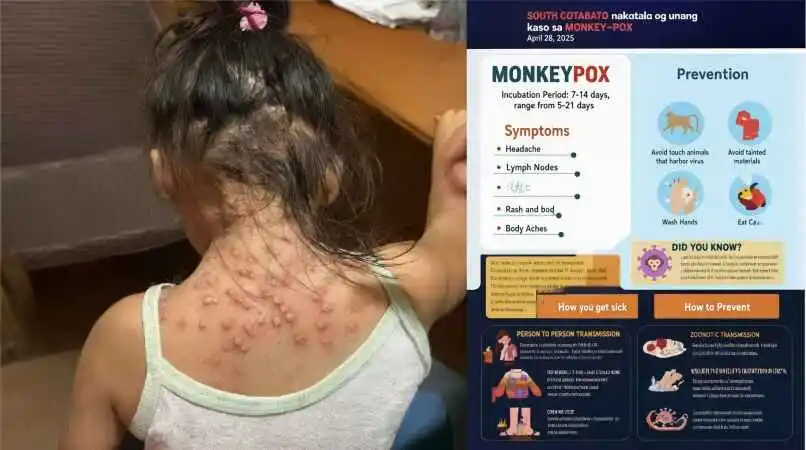
A rash is a common sign of mpox, but its appearance and location can vary. Spots or sores may occur on the face, hands, feet, chest, or inside the mouth, or around the genitals and anus. Some people may have lesions in areas that are not immediately visible. A rash can be painful or itchy, and symptoms can differ from one person to another.
Other symptoms may occur, including fever, headache, muscle aches, swollen lymph nodes, chills, exhaustion, or back pain. Not everyone experiences the same combination, and a rash may be the most noticeable sign. Mpox can resemble other conditions, including some sexually transmitted infections and other causes of skin lesions, so appearance alone is not enough to diagnose it.
What to do if you notice a concerning rash
- Contact a healthcare provider promptly. Explain when the rash or other symptoms began and whether you may have had close contact with someone diagnosed with mpox.
- Ask whether testing is appropriate. A clinician can assess your symptoms and arrange testing if needed.
- Reduce close contact while you’re waiting for advice. Avoid sharing items that touch the rash, such as towels, clothing, and bedding. Cover lesions if you need to be near other people, and follow instructions from your provider or local health authority.
- Seek urgent care for severe symptoms or complications. Severe pain, trouble drinking or swallowing, eye symptoms, rapidly worsening illness, or other serious concerns warrant prompt medical attention. People with weakened immune systems, children younger than 1, people with a history of eczema, and people who are pregnant or were recently pregnant may be more likely to develop severe illness. World Health Organization (WHO)1
These steps don’t replace medical advice. If you feel seriously unwell, seek urgent care and tell the care team that mpox may be a possibility so they can advise you on safe arrival and precautions.
Mpox diagnosis: how testing works
A clinician may ask about your symptoms, when they started, and any possible exposure. They may examine the rash and arrange laboratory testing. Because other illnesses can look similar, testing is important when mpox is suspected. Mayo Clinic1
The preferred test is PCR testing of material collected from a lesion—such as a swab of the rash, fluid, or crust. If someone has no skin lesions, testing may sometimes be done using throat or anal swabs. WHO says blood testing is not recommended for diagnosis. A clinician or testing service can explain what sample is appropriate for your situation.
If you have a new rash that might be mpox, contact a healthcare provider rather than trying to identify it from photos or self-testing. Tell them about any possible exposure and any other symptoms. If you’re sexually active and mpox is suspected, a clinician may also discuss testing for HIV and other sexually transmitted infections; testing positive for another condition does not rule out mpox occurring at the same time.
Mpox treatment and recovery
For most people, care focuses on easing symptoms, controlling pain, protecting the skin, and preventing complications. WHO says many people recover within 2–4 weeks. A healthcare provider can tailor advice to the person’s symptoms, medical history, and risk of severe disease.
Treatment may include pain relief, help with skin or mouth symptoms, hydration, and care for any complications. Don’t pop blisters, scratch lesions, or shave over affected areas: these actions can damage the skin, spread lesions to other areas, or raise the risk of infection. Ask a clinician or pharmacist before using medicines or topical products, especially for sores on sensitive areas or inside the mouth.
There is no universally approved, proven antiviral treatment specifically for mpox. Some medicines developed for smallpox may be considered for certain patients under medical guidance, particularly those with severe disease or a higher risk of severe illness. Decisions about these treatments belong with qualified clinicians; do not use unprescribed medication or someone else’s prescription. World Health Organization (WHO)2
Supportive care at home
If a healthcare provider says home care is appropriate:
- Follow their instructions on isolation and when it is safe to resume close contact.
- Keep lesions clean and avoid picking at them.
- Drink fluids and rest as needed.
- Use only medicines and skin-care approaches that your clinician recommends.
- Keep shared spaces and frequently touched surfaces clean, and avoid sharing bedding, clothing, towels, or utensils.
- Ask for help if pain is not controlled or you have trouble eating or drinking.
For people with mpox, public-health guidance may recommend staying apart from others until lesions have healed and scabs have fallen off. Follow the specific advice you receive, as guidance can depend on your situation and location.
Mpox prevention: practical steps, vaccines, and “natural” methods
There is no natural remedy, supplement, essential oil, or special diet shown to prevent mpox. Good general health habits can support wellbeing, but they cannot replace measures that reduce exposure. The most useful prevention plan is built around avoiding contact with the virus, following local vaccination advice, and acting quickly after a possible exposure. World
Practical prevention checklist
- Avoid close contact with a person who has a rash that could be mpox until they have received appropriate guidance.
- Don’t share personal items such as towels, clothing, bedding, or eating utensils with someone who is sick.
- Wash hands regularly with soap and water or use hand sanitizer, especially after contact with shared surfaces or items.
- Clean shared spaces and frequently touched surfaces when someone in the household is ill, following public-health or healthcare-provider instructions.
- Ask about vaccination if you may be at higher risk or have had a recent exposure.
- Follow advice after exposure. WHO says post-exposure vaccination is most useful when given within four days of contact; it may be given up to 14 days after exposure if symptoms have not started. Contact a healthcare provider or local health authority promptly rather than waiting.
Mpox vaccines can help prevent infection and may be recommended for people at higher risk, depending on current local guidance. A healthcare provider or public-health service can tell you whether vaccination is recommended and available where you live. Vaccination does not mean that other precautions are unnecessary, especially after a known exposure. World
What “natural prevention” can—and cannot—mean
Handwashing, cleaning, and avoiding contact with an infected person are practical prevention measures, but they are not treatments and cannot guarantee protection. “Boosting immunity” with a particular food, herb, or supplement is not a proven way to prevent mpox. Avoid applying untested substances to lesions or taking remedies marketed as cures; they can irritate skin, delay appropriate care, or interact with medication.
The safest rule: Use everyday hygiene as one layer of prevention, not as a substitute for vaccination advice, testing, or medical care. If you think you’ve been exposed, ask a healthcare professional what to do next.
FAQs
- Is monkeypox still called monkeypox?
The disease is now commonly called mpox. “Monkeypox” may still appear in older materials and some official pages. - Is mpox the same as chickenpox?
No. They are different illnesses caused by different viruses. A rash can have several causes, so testing and clinical assessment may be needed. - Can anyone get mpox?
Yes. Anyone can become infected after exposure to the virus. - How does mpox spread?
It can spread through close contact with an infected person, contaminated materials, or infected animals. - Does mpox only spread through sexual contact?
No. Close intimate contact can spread it, but transmission is not limited to sexual contact. - What does an mpox rash look like?
It can appear as spots or sores and may occur on different parts of the body, including the face, hands, feet, mouth, genitals, or anus. Other conditions can look similar. - Can mpox sores occur around the genitals or anus?
Yes. Lesions may occur in those areas and can be painful. - Do all people with mpox have a fever?
Symptoms vary. A fever may occur, but not everyone has the same symptoms. - How long after exposure can symptoms begin?
CDC lists an incubation period of 3–17 days. - How is mpox confirmed?
A healthcare provider can arrange laboratory testing. PCR testing of a sample from a lesion is preferred. - Can I diagnose mpox from a photo?
No. A photo cannot reliably distinguish mpox from other causes of a rash. Seek medical advice if you are concerned. - Should I get tested if I have a rash?
If the rash could be mpox—especially after a possible exposure—contact a healthcare provider to discuss testing. - Is a blood test the usual way to diagnose mpox?
No. WHO says blood testing is not recommended for diagnosis; lesion samples are preferred when available. - Can someone have mpox and another infection at the same time?
Yes. Finding another infection does not automatically rule out mpox. - Is there a specific cure for mpox?
There is no universally approved, proven antiviral specifically for mpox. Most care focuses on symptoms and supportive treatment; clinicians may consider additional options for certain patients. - How long does recovery usually take?
Many people recover within two to four weeks, though the course can vary. - Can I manage mpox at home?
Some people can, with guidance from a healthcare provider. Severe symptoms or higher risk of complications may require closer medical care. - What can help with mpox pain?
A clinician can recommend appropriate pain relief and other symptom care. Ask for help if pain is severe or makes it difficult to drink, eat, or sleep. - Should I pop or scratch mpox blisters?
No. Picking can damage skin, spread lesions, and increase the risk of infection. - Are natural remedies proven to prevent mpox?
No natural remedy or supplement is established as a way to prevent mpox. Avoid using untested products as a substitute for medical advice. - Does good hygiene prevent mpox?
Handwashing and cleaning shared spaces are useful precautions, but they do not guarantee protection and should be part of a broader prevention plan. - Can vaccination help prevent mpox?
Yes. Vaccination may be recommended for people at higher risk, depending on local guidance. Ask a healthcare professional about eligibility. - Can vaccination help after an exposure?
It may. WHO advises that post-exposure vaccination is most useful within four days, and may be given up to 14 days after contact if symptoms haven’t started. Seek advice promptly. - Should everyone get vaccinated against mpox?
Recommendations depend on risk and local guidance. A healthcare provider or public-health service can advise you. - Can I spread mpox through shared bedding or towels?
Contaminated materials can transmit the virus. Avoid sharing these items with someone who is sick. - What should I do if someone in my household has mpox?
Follow their healthcare provider’s instructions, reduce close contact, avoid sharing personal items, and clean shared areas as advised. - Should people with mpox isolate?
They should follow public-health and healthcare-provider advice on staying apart from others until they are no longer considered infectious. WHO guidance describes isolation until lesions have healed and scabs have fallen off. - Who may be at higher risk of severe illness?
CDC identifies people with severely weakened immune systems, children younger than 1, people with a history of eczema, and people who are pregnant or were recently pregnant as groups that may be more likely to become severely ill. - When should I seek urgent medical care?
Seek urgent help for severe or rapidly worsening symptoms, substantial pain, trouble drinking or swallowing, eye symptoms, or other serious concerns. - What should I do if I think I was exposed but feel fine?
Contact a healthcare provider or local public-health service for advice. Ask whether monitoring or post-exposure vaccination is appropriate, and watch for symptoms during the period they recommend.
Mpox can be stressful to think about, especially when a new rash appears or an exposure is possible. The clearest path is also the most practical: get medical advice instead of guessing, use testing when recommended, follow care instructions, and choose prevention steps that are evidence-based. Natural products cannot substitute for those measures—but timely information and compassionate care can make a real difference.
If you have a new rash or think you may have been exposed, contact a healthcare provider or local public-health service today. The advice that fits your symptoms, exposure, and location is the best next step.
⚕️Medical Disclaimer:
The information provided on this website is for general educational and informational purposes only and is not intended as a substitute for professional medical advice, diagnosis, or treatment. Always seek the advice of your physician or other qualified health provider with any questions you may have regarding a medical condition. Never disregard professional medical advice or delay in seeking it because of something you have read on this website.
