
Table of Contents
Cilantro: The Polarizing Powerhouse – Unlocking the Hidden Health Benefits of the World’s Most Debated Herb
It is the culinary equivalent of Marmite, the Beatles, or pineapple on pizza. Mention cilantro at a dinner party, and you will instantly divide the room. For half the population, it is a bright, citrusy, irreplaceable garnish that brings life to tacos, curries, and pho. For the other half, it is a bitter, soapy insult to their palate that ruins any dish it touches.
But beneath this great culinary debate lies a profound truth: cilantro is far more than just a controversial garnish. It is an ancient, medicinal powerhouse, a heavy-metal chelator, a digestive savior, and a densely nutritious green that has been healing humanity for millennia.
Welcome to the ultimate, definitive guide on Cilantro. Whether you love it or hate it, by the end of this deep dive, you will never look at those leafy green stems the same way again. We will unravel the genetic mystery behind its soapy taste, explore its staggering 15 health benefits, and equip you with the culinary and medicinal knowledge to harness the power of the world’s most debated herb.
The Great Identity Crisis: Cilantro vs. Coriander
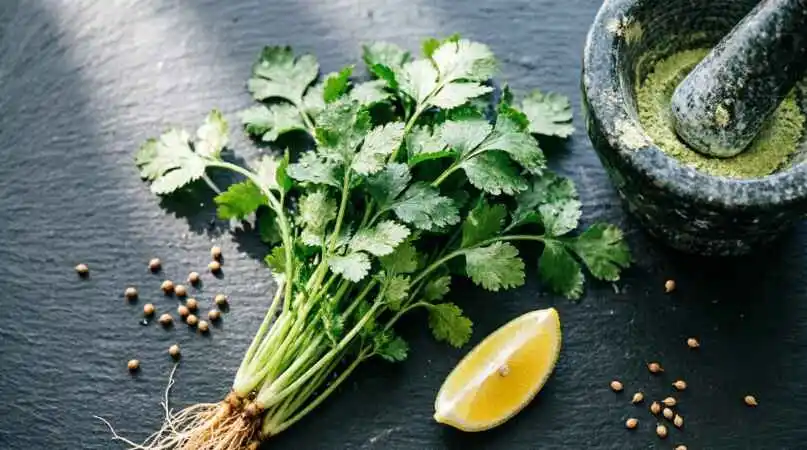
Before we can unlock the benefits, we must clear up the global confusion. Cilantro and coriander come from the exact same plant: Coriandrum sativum, a member of the Apiaceae family (alongside carrots, celery, and parsley).
The difference is merely a matter of life stage and geography:
- Cilantro refers exclusively to the fresh, leafy green stems and leaves of the plant.
- Coriander refers to the dried seeds of the plant once it flowers and goes to seed.
However, geography complicates things. In the United States, the leaves are called cilantro (derived from the Spanish word for the herb), and the seeds are coriander. In the UK, India, Australia, and much of Europe and Asia, the entire plant—from root to seed—is simply called coriander. For the sake of this guide, we will use cilantro to refer to the fresh leaves and stems, as that is where the most potent and controversial health benefits lie.
The Science of the Soap: Why Do Some People Hate Cilantro?
If cilantro tastes like a dollop of Dawn dish soap to you, you are not crazy, and you are not just being picky. You are a victim of your own genetic code.
The culprit is a group of fat-soluble organic compounds called aldehydes. Aldehydes are produced during the oxidation of fatty acids, and they are the exact same compounds found in soaps, lotions, and bugs. For most people, the brain interprets the aldehydes in cilantro as a fresh, citrusy, herbal aroma. But for a subset of the population, the aldehydes completely overpower the fragrant notes, triggering a visceral soapy reaction.
This phenomenon is rooted in the OR6A2 olfactory receptor gene. This gene influences your sense of smell and how your brain processes aldehyde compounds. If you have a specific variant of this gene, you are highly sensitive to aldehydes, making cilantro taste like a bubble bath. Studies suggest that between 4% and 14% of the population possesses this gene variant, with the highest percentages found in populations of East Asian and Northern European descent, where the herb was not historically part of the culinary tradition.
Can you train your brain to like cilantro? Yes. Because the aversion is olfactory (smell-based) rather than purely taste-based, repeated exposure can help your brain reclassify the scent. Crushing or chopping the herb aggressively before eating also helps, as it releases enzymes that rapidly break down the offending aldehydes, reducing the soapy taste.
The Nutritional Profile: More Than Just Green Water
Cilantro is often dismissed as a zero-calorie garnish, but it is remarkably dense in micronutrients. Just a quarter-cup (about 4 grams) of raw cilantro provides:
- Vitamin K: 16% of the Daily Value (Essential for blood clotting and bone metabolism)
- Vitamin A: 5% of the DV (Crucial for vision and immune function)
- Vitamin C: 4% of the DV (A powerful water-soluble antioxidant)
- Manganese, Iron, Potassium, and Calcium: Trace amounts that contribute to cellular function.
- Antioxidants: Quercetin, apigenin, and rutin—potent flavonoids that combat oxidative stress.
15 Deep-Dive Health Benefits of Cilantro
Beyond basic nutrition, cilantro has been a staple of Ayurvedic, Traditional Chinese, and Unani medicine for thousands of years. Modern science is now validating these ancient claims, revealing cilantro as a formidable therapeutic agent.
- The Famous Heavy Metal Chelator (Detoxification) Cilantro is arguably most famous in alternative health circles as a heavy metal chelator—specifically for mercury, lead, and aluminum. The chemical compounds in cilantro act as a “magnet,” binding to toxic heavy metals lodged in our tissues and central nervous system, loosening their grip, and mobilizing them so they can be excreted from the body. While clinical data in humans is still evolving, animal studies and widespread anecdotal evidence support its use in heavy metal detox protocols, particularly when paired with chlorella, which absorbs the metals in the gut so they aren’t reabsorbed.
- Blood Sugar Regulation Cilantro has a hypoglycemic effect. It stimulates the secretion of insulin from the pancreas and increases the enzyme activity that helps process and store glucose. For individuals with type 2 diabetes or metabolic syndrome, incorporating fresh cilantro into meals can help blunt the blood sugar spike that follows carbohydrate consumption.
- Powerful Digestive Aid In Ayurveda, cilantro is used to kindle Agni (the digestive fire). It stimulates the production of digestive enzymes and bile, helping the body break down dense proteins and fats. It is also a carminative, meaning it prevents and relieves flatulence (gas) and bloating, making it the perfect accompaniment to heavy, bean-heavy dishes like chili or dal.
- Cardiovascular Protection Cilantro is a cardioprotective herb. It helps lower total cholesterol and LDL (the “bad” cholesterol) while simultaneously raising HDL (the “good” cholesterol). The diuretic properties of the herb also help lower blood pressure by encouraging the excretion of excess sodium and water through the urine.
- Potent Anti-Inflammatory Action Chronic inflammation is the root of almost all disease. Cilantro contains cineole and linoleic acid, two compounds with strong anti-inflammatory and anti-arthritic properties. Regular consumption can help reduce systemic inflammation, easing joint pain, muscle soreness, and cellular damage.
- Anti-Anxiety and Neuroprotective Effects Surprisingly, cilantro acts as a mild anxiolytic (anti-anxiety) agent. Studies on the extract of Coriandrum sativum have shown it can produce a calming effect on the central nervous system, comparable to low doses of diazepam (Valium), without the sedative side effects or risk of dependency. It also protects neurons against oxidative stress, potentially delaying the onset of neurodegenerative diseases like Alzheimer’s.
- Antibacterial and Food Safety Shield Cilantro contains a compound called dodecenal, which is twice as potent as the antibiotic gentamicin at killing Salmonella bacteria. In an era of increasing antibiotic resistance, cilantro serves as a natural food safety shield. Adding it to raw dishes like salsa, ceviche, or salads actively helps prevent foodborne illness.
- Skin Healing and Dermatological Relief Cilantro is a skin savior, both internally and externally. When applied topically as a paste (mixed with coconut oil or aloe), it soothes allergic rashes, hives, and sunburns due to its anti-histamine and cooling properties. Internally, its detoxifying effects help clear up acne and skin conditions linked to poor gut health and toxic overload.
- Urinary Tract Infection (UTI) Relief Thanks to its antibacterial and diuretic properties, cilantro is an excellent natural remedy for UTIs. It increases urine output, which helps flush bacteria out of the urinary tract, while simultaneously killing the bacteria (like E. coli) that cause the infection.
- Bone Density and Osteoporosis Prevention That massive hit of Vitamin K in cilantro isn’t just for blood clotting. Vitamin K is required for the production of osteocalcin, a protein that is essential for bone mineralization. Diets high in Vitamin K are strongly associated with a reduced risk of bone fractures and osteoporosis, especially in post-menopausal women.
- Vision and Eye Health Cilantro is loaded with Vitamin A, beta-carotene, lutein, and zeaxanthin. These antioxidants are crucial for protecting the eyes from age-related macular degeneration and oxidative stress from UV light. They also help maintain the health of the cornea and prevent dry eyes.
- Anti-Cancer Properties While not a cure, cilantro exhibits chemopreventive properties. Its high concentration of flavonoids like apigenin and quercetin neutralizes free radicals that cause DNA damage (the first step in cancer development). Apigenin, in particular, has been shown to induce apoptosis (programmed cell death) in various cancer cell lines without harming healthy cells.
- Immune System Modulation With a solid dose of Vitamin C and powerful antimicrobial essential oils, cilantro fortifies the immune system. It helps increase the production of white blood cells and antibodies, acting as a first line of defense against common colds, flu, and fungal infections like Candida.
- Menstrual Cycle Regulation For women suffering from irregular periods or severe menstrual cramps, cilantro can offer natural relief. It acts as an emmenagogue (stimulating blood flow in the pelvic area) and its antispasmodic properties help relax the uterine muscles, reducing the severity of cramps.
- Natural Sleep Aid Because of its calming effect on the nervous system and mild muscle-relaxing properties, a tea made from fresh cilantro leaves can be consumed before bed to combat insomnia and promote deeper, more restorative sleep.
The Practical Guide: How to Buy, Store, and Prep Cilantro
Cilantro is notoriously fragile. It wilts, turns yellow, and turns to slime faster than almost any other herb. Here is how to get the most out of your bunch:
- Buying: Look for deep, vibrant green leaves with crisp, unblemished stems. Avoid bunches with yellowing leaves, slimy stems, or a wilted appearance. The roots are highly prized in Thai and Vietnamese cooking, so if you can find it with the roots still attached, grab it!
- Storing (The Jar Method): Treat cilantro like a bouquet of flowers. Snip about half an inch off the bottom of the stems. Place the bunch upright in a glass jar with an inch of water in the bottom. Loosely drape a plastic bag (or a reusable silicone bag) over the top to trap humidity. Store in the refrigerator. Change the water every 2-3 days. This method will keep cilantro fresh and crisp for up to two weeks.
- Storing (The Paper Towel Method): If you are short on fridge space, wash the cilantro, dry it thoroughly in a salad spinner, and wrap it loosely in a dry paper towel. Place the towel in an open zip-top bag in the crisper drawer.
- Preparation: Do not just rip the leaves off! The stems are where a massive concentration of flavor and nutrients reside. As long as the stems are tender (not thick and woody), chop them finely right along with the leaves. To crush aldehydes and reduce the soapy taste, chop aggressively with a sharp chef’s knife, or use a mortar and pestle.
Global Cuisines: Where Cilantro Shines
Cilantro is a globetrotter. It is the soul of several distinct culinary traditions:
- Mexican: It is the green in the salsa, the freshness in the guacamole, the essential garnish for tacos al pastor.
- Indian: Blended into green chutneys with mint and green chilies; folded into biryanis and garnished on curries; the leaves are deep-fried for a crispy garnish.
- Thai: The stems are pounded into curry pastes alongside lemongrass, galangal, and chilies; the leaves crown bowls of Tom Yum soup and Pad Thai.
- Vietnamese: Crucial for the herbal plate served alongside Pho, and mixed into fresh spring rolls.
- Middle Eastern: Mixed into tabbouleh (alongside parsley) and zhug (a spicy Yemeni condiment).
The Essential Oil & Detox Protocols
For those who cannot stomach the taste of fresh cilantro but still want the medicinal benefits (especially heavy metal chelation), Cilantro Essential Oil and Cilantro Tinctures are viable alternatives.
- Cilantro Tincture: A concentrated alcohol extract. Used heavily in functional medicine, 2-3 droppers full in water can provide the chelating benefits without the soapy taste.
- Cilantro Essential Oil: Steam distilled from the leaves. It is highly concentrated and should never be ingested without the supervision of a qualified aromatherapist or functional medicine doctor. It is primarily used topically (diluted in a carrier oil) for muscle pain or skin rashes.
FAQs
- What exactly is cilantro?
It is the fresh, leafy green herb of the Coriandrum sativum plant.
- Are cilantro and coriander the same plant?
Yes. Cilantro is the fresh leaf/stem; coriander is the dried seed.
- Why does cilantro taste like soap to some people?
Due to a variation in the OR6A2 olfactory receptor gene, which makes them highly sensitive to aldehyde compounds found in soap and cilantro.
- Can you train yourself to like cilantro?
Yes. Repeated exposure and crushing the herb before eating can help rewire the brain’s olfactory response.
- What is the OR6A2 gene?
An olfactory receptor gene that influences how we detect and process the smell of aldehydes.
- What are aldehydes?
Organic chemical compounds found in cilantro that also happen to be used in the manufacturing of soaps and detergents.
- Is cilantro good for detoxing?
Yes, it is highly regarded in functional medicine as a heavy metal chelator, particularly for mercury and lead.
- Does cilantro remove heavy metals from the brain?
Animal studies suggest it can mobilize heavy metals from the central nervous system, though human clinical trials are still limited.
- How much cilantro should I eat daily for health benefits?
Adding 1/4 to 1/2 cup of fresh chopped cilantro to your daily diet is sufficient to reap its nutritional and chelating benefits.
- Can I eat the cilantro stems?
Absolutely. The stems are packed with flavor and nutrients. Chop them finely and eat them along with the leaves.
- How do you keep cilantro fresh in the fridge?
Place the stems in a jar with an inch of water, cover loosely with a plastic bag, and refrigerate.
- Can you freeze fresh cilantro?
Yes. Chop it, place it in an ice cube tray, fill with water or olive oil, and freeze. Pop out the cubes when you need them for cooking.
- Does cooking destroy cilantro’s nutrients?
Heat will degrade some Vitamin C and enzymes, but the minerals and flavonoids remain stable. It is best added at the very end of cooking.
- What is cilantro pesto?
A twist on traditional pesto, made by blending cilantro, garlic, nuts (like pistachios or almonds), lime juice, and oil instead of basil and parmesan.
- Can dogs eat cilantro?
Yes, in small amounts it is non-toxic and can even help soothe a dog’s upset stomach.
- Is cilantro safe during pregnancy?
In normal food amounts, yes. However, avoid high-dose supplements or essential oils, as they can stimulate uterine contractions.
- Does cilantro lower blood pressure?
Yes, its diuretic properties help the body excrete excess sodium, which can help lower blood pressure.
- What does cilantro do for your skin?
Its antioxidants protect against aging, and its antihistamine properties soothe allergic rashes and hives.
- Is cilantro a natural antihistamine?
Yes, it contains compounds that can help inhibit the release of histamines, reducing allergic symptoms.
- Can cilantro help with bloating?
Yes. It is a carminative herb that stimulates digestion and prevents the formation of intestinal gas.
- What is the difference between Italian parsley and cilantro?
Cilantro has rounded, scalloped leaves and a strong, citrusy/soapy scent. Parsley has pointed, flat leaves and a mild, grassy flavor.
- Why does my cilantro wilt so fast?
It has a high water content and delicate cellular structure. It must be kept hydrated and cool to stay crisp.
- Can I use dried cilantro instead of fresh?
You can, but dried cilantro loses almost all of its volatile oils and flavor. It is one of the few herbs where fresh is vastly superior to dried.
- Is cilantro anti-parasitic?
Yes, traditional medicine uses cilantro seeds and leaves to help expel intestinal worms, though it is milder than specialized anti-parasitic herbs.
- What does cilantro essential oil do?
It provides concentrated antimicrobial and anti-inflammatory benefits, often used topically for pain relief or skin infections.
- Does cilantro interact with medications?
Because it can lower blood sugar and blood pressure, it may enhance the effects of diabetic and hypertensive medications, leading to hypoglycemia or hypotension.
- Is cilantro good for your liver?
Yes, it stimulates bile production and helps protect the liver against toxin-induced damage.
28 How is cilantro used in Indian cooking?
Extensively! It is blended into green chutneys, folded into doughs, and used as a cooling garnish for spicy curries.
- Does cilantro have Vitamin K?
Yes, it is exceptionally high in Vitamin K, which is vital for bone health and proper blood clotting.
- Where does cilantro originate from?
It is native to regions spanning from Southern Europe and Northern Africa to Southwestern Asia, with records of its use dating back to 5000 BC.
Embrace the Green
Cilantro is a marvel of nature. It bridges the gap between culinary art and deep, cellular medicine. Whether you possess the genetic variant that makes it taste like soap, or you are someone who happily piles it high on your tacos, its therapeutic value is undeniable. From chelating heavy metals to soothing the nervous system, from protecting your heart to defending your gut against pathogens, cilantro earns its title as a polarizing powerhouse. Don’t let the great debate deter you; find a way to make this ancient healer a part of your wellness journey.
⚕️Medical Disclaimer:
The information provided on this website is for general educational and informational purposes only and is not intended as a substitute for professional medical advice, diagnosis, or treatment. Always seek the advice of your physician or other qualified health provider with any questions you may have regarding a medical condition. Never disregard professional medical advice or delay in seeking it because of something you have read on this website.

