
Table of Contents
 Proactive Neuro Health: How to Understand and Protect Your Nervous System
As someone deeply invested in overall well-being, I’ve come to realize the paramount importance of neuro health. Often, we focus on visible aspects of health, overlooking the intricate and vital network that governs our thoughts, actions, and very existence – our nervous system. Understanding this complex system, being aware of potential neuro diseases, and taking proactive precautions are crucial steps towards a healthier and more fulfilling life.
In this article, I aim to shed light on the fascinating world of our nervous system, exploring its vital FUNCTIONS, the spectrum of DISEASES that can affect it, essential PRECAUTIONS we can adopt, and finally, delve into TOP SUPPLEMENTS that can support optimal neuro health.
FUNCTIONS: The Marvelous Operations of Your Nervous System
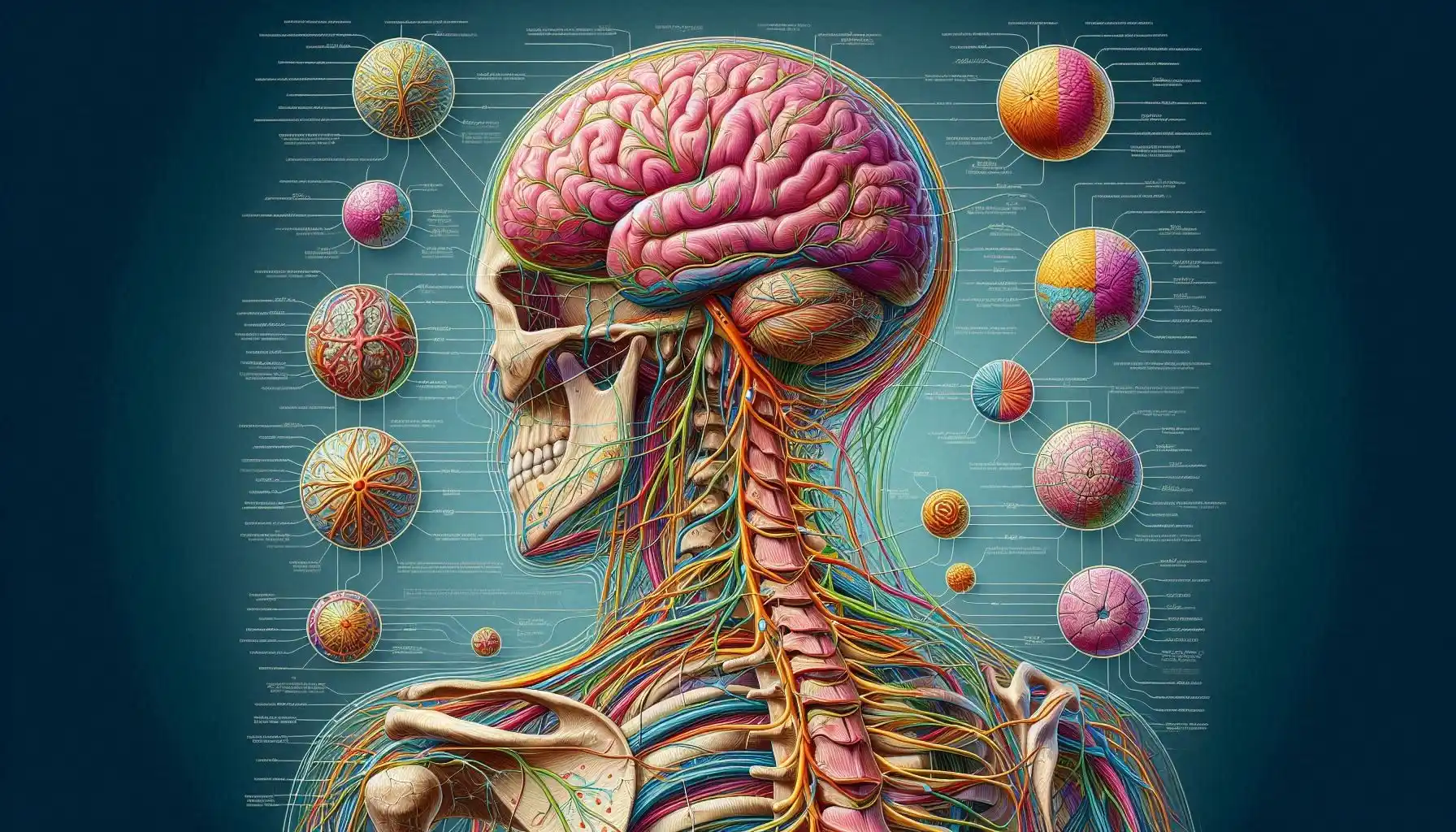
The nervous system can be likened to the body’s command center and intricate communication network. It’s responsible for everything from the simplest reflexes to the most complex cognitive processes. Let’s break down its key FUNCTIONS:
- Sensory Input and Processing: Think of your senses – sight, smell, touch, taste, and hearing. These sensory organs detect stimuli from the environment and transmit this information to the brain and spinal cord for processing. This allows us to perceive the world around us, from the warmth of the sun to the smell of coffee in the morning.
- Integration and Decision-Making: Once sensory information reaches the central nervous system (brain and spinal cord), it’s integrated and interpreted. This is where decisions are made. For example, if you touch a hot stove, sensory neurons signal pain, your brain processes this, and then decides to quickly withdraw your hand. This rapid integration is vital for survival and daily functioning.
- Motor Output and Control: Following integration and decision-making, the nervous system sends signals to muscles and glands, initiating responses. This motor output controls everything from voluntary movements like walking and talking to involuntary actions like breathing and heartbeat. It allows us to interact with our environment and maintain homeostasis within our bodies.
- Communication and Coordination: The nervous system acts as the body’s primary communication network. Neurons, specialized cells, transmit electrical and chemical signals throughout the body at lightning speed. This rapid communication ensures that all parts of the body work together in a coordinated manner, whether it’s during a complex athletic movement or simply digesting a meal.
- Cognition, Emotion, and Behavior: Beyond basic functions, the nervous system is the seat of our higher cognitive abilities – thinking, learning, memory, and language. It also plays a crucial role in our emotions and behavior, influencing our moods, motivations, and interactions with others. Our personality and sense of self are deeply rooted in the intricate workings of our nervous system.
- Regulation of Bodily Functions: The autonomic nervous system, a branch of the nervous system, regulates essential involuntary functions like heart rate, blood pressure, digestion, and breathing. It maintains balance and homeostasis within the body, ensuring our internal systems operate smoothly without conscious effort.
Understanding these diverse FUNCTIONS highlights the critical role the nervous system plays in our overall health and well-being. When this system is compromised, the impact can be far-reaching and debilitating, leading us to the topic of neuro diseases.

DISEASES: When the Neuro System Faces Challenges
Unfortunately, the intricate nature of the nervous system makes it susceptible to a wide range of neuro diseases. These conditions can arise from various factors, including genetic predispositions, infections, injuries, and environmental toxins. These diseases can significantly impact quality of life, affecting movement, cognition, sensation, and overall bodily functions.
Here’s a table summarizing different categories of neuro diseases and examples:
| Category of Neuro Disease | Examples | Description |
| Neurodegenerative Diseases | Alzheimer’s Disease, Parkinson’s Disease, Huntington’s Disease, Amyotrophic Lateral Sclerosis (ALS) | Characterized by progressive degeneration and loss of neurons in the brain or spinal cord. They often lead to cognitive decline, motor impairments, and loss of bodily functions. |
| Cerebrovascular Diseases | Stroke, Transient Ischemic Attack (TIA) | Occur when blood supply to the brain is disrupted, leading to brain cell damage due to lack of oxygen and nutrients. Can result in paralysis, speech problems, cognitive deficits, and other neurological impairments depending on the area affected. |
| Epilepsy and Seizure Disorders | Epilepsy, Febrile Seizures | Characterized by recurrent seizures, which are sudden, uncontrolled electrical disturbances in the brain. Epilepsy can have various causes, including genetic factors, brain injury, or infection. |
| Multiple Sclerosis (MS) | Relapsing-Remitting MS, Progressive MS | An autoimmune disease where the body’s immune system attacks the myelin sheath, the protective covering of nerve fibers in the brain and spinal cord. This disrupts nerve signal transmission, leading to a range of neurological symptoms. |
| Neuropathies | Peripheral Neuropathy, Diabetic Neuropathy | Damage to the peripheral nerves, which are nerves outside the brain and spinal cord. Can cause pain, numbness, tingling, and weakness, often in the hands and feet. Common causes include diabetes, injury, and infections. |
| Brain Tumors | Gliomas, Meningiomas | Abnormal growths of cells in the brain. Brain tumors can be benign (non-cancerous) or malignant (cancerous) and can cause a variety of neurological symptoms depending on their location and size, including headaches, seizures, and cognitive changes. |
| Infections of the Nervous System | Meningitis, Encephalitis | Infections that affect the membranes surrounding the brain and spinal cord (meningitis) or the brain tissue itself (encephalitis). These infections can be caused by bacteria, viruses, fungi, or parasites and can be serious, leading to brain damage or death. |
| Mental Health Disorders | Depression, Anxiety Disorders, Schizophrenia | While often categorized separately, mental health disorders have significant neurological underpinnings involving neurotransmitter imbalances and brain circuitry dysfunction. These conditions profoundly impact mood, thinking, and behavior. |
It’s important to recognize that this is not an exhaustive list, and the spectrum of neuro diseases is vast and complex. Early diagnosis and appropriate management are crucial for slowing down disease progression, managing symptoms, and improving the quality of life for individuals affected.
PRECAUTIONS: Protecting Your Neuro Health Proactively
While some neuro diseases are genetically predisposed or unavoidable, there are numerous PRECAUTIONS we can take to promote neuro health and minimize risks. I believe incorporating these lifestyle adjustments can make a significant difference:
- Maintain a Healthy Diet: A diet rich in fruits, vegetables, whole grains, and lean protein provides essential nutrients for brain health. Omega-3 fatty acids, found in fatty fish, flaxseeds, and walnuts, are particularly beneficial for brain function. Antioxidant-rich foods help protect brain cells from damage.
- Engage in Regular Physical Exercise: Exercise is not just good for the body; it’s fantastic for the brain! Physical activity increases blood flow to the brain, promoting neuroplasticity and reducing the risk of cognitive decline. Aim for at least 30 minutes of moderate-intensity exercise most days of the week.
- Prioritize Quality Sleep: Sleep is crucial for brain restoration and consolidation of memories. Aim for 7-9 hours of quality sleep per night. Establish a regular sleep schedule and create a relaxing bedtime routine.
- Manage Stress Effectively: Chronic stress can negatively impact brain health, contributing to inflammation and cognitive decline. Practice stress-reducing techniques like mindfulness meditation, yoga, or deep breathing exercises.
- Engage in Cognitive Stimulation: Keep your brain active by engaging in mentally stimulating activities such as puzzles, reading, learning new skills, and social interactions. Lifelong learning and cognitive engagement help maintain brain health throughout life.
- Protect Your Head from Injury: Head injuries can have serious long-term consequences for brain health. Wear helmets during activities that pose a risk of head injury, like cycling or contact sports. Practice caution to prevent falls.
- Avoid Smoking and Limit Alcohol Consumption: Smoking and excessive alcohol consumption are detrimental to brain health. Quitting smoking and limiting alcohol intake can significantly benefit your nervous system.
- Stay Socially Connected: Social interaction is vital for cognitive and emotional well-being. Maintain strong social connections and engage in meaningful relationships. Social isolation can negatively impact brain health.
- Regular Health Check-ups: Regular check-ups with your doctor can help identify and manage risk factors for neuro diseases, such as high blood pressure, diabetes, and high cholesterol. Early detection is often key to better outcomes.
- Minimize Exposure to Toxins: Environmental toxins, such as heavy metals and pesticides, can negatively impact brain health. Minimize exposure to pollutants and choose organic foods whenever possible.
By consciously integrating these PRECAUTIONS into our daily lives, we can actively contribute to the long-term health and resilience of our nervous system.
TOP SUPPLEMENTS: Nutritional Support for Neuro Health
While a healthy lifestyle is foundational, certain TOP SUPPLEMENTS can provide additional support for neuro health. It’s important to remember that supplements should complement a healthy diet and lifestyle, not replace them. Always consult with a healthcare professional before starting any new supplement regimen, especially if you have underlying health conditions or are taking medications.
Here are some supplements that are often cited for their potential benefits to neuro health:
- Omega-3 Fatty Acids: As mentioned earlier, omega-3s, particularly DHA and EPA, are crucial for brain structure and function. Supplementation may be beneficial for cognitive function, mood, and potentially reducing the risk of neurodegenerative diseases.
- Vitamin D: Vitamin D plays a role in brain development and function. Deficiency has been linked to an increased risk of cognitive decline and neurodegenerative diseases. Many people are deficient in vitamin D, especially in regions with limited sunlight exposure.
- B Vitamins (B6, B12, Folate): B vitamins are essential for nerve function and the production of neurotransmitters. Deficiencies in B vitamins, particularly B12 and folate, can contribute to cognitive impairment and neurological problems.
- Magnesium: Magnesium is involved in numerous brain functions, including learning and memory. It also plays a role in stress regulation and sleep. Magnesium deficiency is common and may contribute to neurological symptoms.
- Curcumin (from Turmeric): Curcumin is a potent antioxidant and anti-inflammatory compound found in turmeric. It has shown promising neuroprotective effects in research and may support cognitive function.
- Ginkgo Biloba: Ginkgo biloba is an herb traditionally used to improve memory and cognitive function. Some studies suggest it may enhance blood flow to the brain and provide antioxidant benefits.
- Lion’s Mane Mushroom: Lion’s mane mushroom is gaining attention for its potential neuroprotective properties. It may stimulate nerve growth factor (NGF) and support cognitive function and nerve regeneration.
- Phosphatidylserine (PS): Phosphatidylserine is a phospholipid found in cell membranes, particularly abundant in brain cells. It plays a role in cell signaling and neurotransmitter release. Supplementation may improve cognitive function, particularly memory.
These TOP SUPPLEMENTS offer potential avenues for supporting neuro health, but individual needs vary. Personalized advice from a healthcare professional is crucial to determine which supplements, if any, are appropriate for your specific circumstances.
FAQs:
Part 1: The Basics: Understanding Your Nervous System
- What exactly is the nervous system?
- The Control Center: It is the body’s master control system, responsible for coordinating all voluntary and involuntary actions.
- The Network: It acts as a massive electrical wiring system, transmitting signals between the brain, spinal cord, and the rest of the body.
- What is the difference between the Central and Peripheral Nervous Systems?
- Central Nervous System (CNS): Comprises the brain and spinal cord. It is the processing and command center.
- Peripheral Nervous System (PNS): Includes all the nerves branching out from the CNS to the limbs, organs, and skin. It relays information back and forth.
- What are neurons and how do they communicate?
- The Messengers: Neurons are specialized nerve cells that transmit information.
- The Synapse: They communicate across tiny gaps called synapses using chemical messengers known as neurotransmitters (like dopamine and serotonin).
- What is neuroplasticity and why is it important?
- The Brain’s Adaptability: It is the brain’s remarkable ability to reorganize itself by forming new neural connections throughout life.
- Why it Matters: It allows the brain to compensate for injury, adapt to new experiences, learn new information, and recover from neurological events.
- How does the nervous system naturally change as we age?
- Slower Processing: Nerve conduction speed slightly decreases, which can slow down reaction times.
- Structural Changes: The brain may slightly shrink in volume, particularly in areas related to learning and complex mental tasks, though neuroplasticity helps mitigate this.
Part 2: Recognizing the Signs: When to Pay Attention
- What are the early warning signs of neurological issues?
- Cognitive: Unexplained memory loss, confusion, or difficulty concentrating.
- Physical: Numbness, tingling, unexplained weakness, or tremors.
- Sensory: Sudden changes in vision, smell, or chronic unexplained pain.
- Is occasional “brain fog” normal, or a sign of a problem?
- Normal: Occasional brain fog caused by poor sleep, stress, or dehydration is common and usually temporary.
- Concerning: If brain fog is persistent, worsening, or interferes with daily life, it could indicate underlying issues like vitamin deficiencies, thyroid problems, or chronic stress.
- How can I tell the difference between normal aging and cognitive decline?
- Normal Aging: Forgetting a name but remembering it later, or occasionally misplacing your keys.
- Cognitive Decline: Forgetting how to use those keys, getting lost in familiar places, or asking the same questions repeatedly.
- Can physical symptoms like numbness indicate a nerve issue?
- Yes: Persistent numbness, tingling (often described as “pins and needles”), or a burning sensation in the hands or feet are classic signs of peripheral neuropathy.
- When should I see a doctor about memory lapses or headaches?
- Red Flags: Sudden, severe headaches (“worst of your life”), headaches accompanied by vision changes or weakness, or memory lapses that disrupt your ability to work or live independently.
Part 3: Fueling Your Brain: Diet and Nutrition
- What is the best diet for optimal brain health?
- The MIND Diet: A hybrid of the Mediterranean and DASH diets, specifically designed to reduce dementia risk.
- Key Components: High in leafy greens, berries, nuts, whole grains, fish, and olive oil; low in red meats, butter, and sweets.
- Which specific nutrients are essential for nerve function?
- Omega-3 Fatty Acids: Crucial for building brain and nerve cells (found in salmon, walnuts, flaxseed).
- B-Vitamins (B6, B12, Folate): Essential for nerve health and reducing homocysteine levels, which are linked to cognitive decline.
- Antioxidants: Vitamins C and E protect nerves from oxidative stress.
- How does sugar and processed food affect the nervous system?
- Inflammation: High sugar intake triggers systemic inflammation, which can damage blood vessels in the brain.
- Insulin Resistance: Can lead to “Type 3 Diabetes” (a term some researchers use for Alzheimer’s), where brain cells lose the ability to effectively use glucose for energy.
- Does intermittent fasting or caloric restriction benefit neuro health?
- Cellular Cleanup: Fasting can trigger autophagy, a process where cells clear out damaged components.
- BDNF Boost: It may increase Brain-Derived Neurotrophic Factor (BDNF), a protein that supports the survival of existing neurons and encourages new growth.
- Are nootropics or “brain supplements” actually effective?
- Mixed Evidence: While some supplements (like Omega-3s or specific B-vitamins) help if you have a deficiency, many over-the-counter “smart drugs” lack rigorous clinical backing.
- Best Approach: Always consult a doctor before starting supplements, as they can interact with medications.
Part 4: Building a Neuro-Protective Lifestyle
- How does physical exercise protect the nervous system?
- Blood Flow: Increases oxygen and nutrient delivery to the brain.
- Neurogenesis: Aerobic exercise stimulates the release of BDNF, promoting the growth of new neurons, particularly in the hippocampus (the memory center).
- Why is sleep crucial for neurological health?
- The Glymphatic System: During deep sleep, the brain’s waste clearance system becomes highly active.
- Toxin Removal: It literally “washes” the brain, clearing out toxic proteins like amyloid-beta, which accumulate and are linked to Alzheimer’s disease.
- How many hours of sleep do I need for optimal brain recovery?
- The Sweet Spot: Most adults need 7 to 9 hours of quality, uninterrupted sleep per night for optimal cognitive function and cellular repair.
- Can learning new skills actually change my brain structure?
- Yes: Learning complex new skills (like a new language, playing an instrument, or dancing) forces the brain to build new neural pathways, increasing cognitive reserve.
- How do toxins, alcohol, and smoking impact nerve health?
- Neurotoxins: Heavy metals and certain chemicals can directly kill neurons.
- Alcohol & Smoking: Excessive alcohol is neurotoxic and shrinks brain matter; smoking restricts blood flow to the brain, increasing the risk of stroke and cognitive decline.
Part 5: Mental Fitness and Stress Management
- How does chronic stress physically damage the brain?
- Cortisol Overload: Chronic stress keeps cortisol levels high, which can actually shrink the hippocampus (memory center) and enlarge the amygdala (fear center).
- Result: This makes the brain more vulnerable to anxiety, depression, and memory issues.
- Can meditation and mindfulness improve neuro health?
- Structural Changes: Studies show regular meditation can increase the density of gray matter in areas associated with learning, memory, and emotional regulation.
- Stress Reduction: It actively lowers cortisol levels and reduces the brain’s “fight or flight” reactivity.
- What is the gut-brain axis and how does it affect my nerves?
- The Second Brain: The gut contains millions of neurons (the enteric nervous system) and produces roughly 90% of the body’s serotonin.
- The Connection: An unhealthy gut microbiome can trigger inflammation that travels via the vagus nerve to the brain, affecting mood and cognitive function.
- How does social interaction protect against cognitive decline?
- Mental Stimulation: Socializing requires complex cognitive processing (listening, interpreting, responding).
- Stress Buffer: Strong social ties reduce chronic stress and lower the risk of depression, both of which are risk factors for neurological decline.
- Can managing mental health prevent physical neurological diseases?
- Proactive Protection: Untreated chronic depression and anxiety are linked to a higher risk of developing dementia. Treating mental health conditions is a vital part of proactive neuro-protection.
Part 6: Proactive Care and Medical Prevention
- How can I protect my nervous system from physical injuries?
- Head Protection: Always wear helmets when cycling or skiing, and seatbelts in cars to prevent Traumatic Brain Injury (TBI).
- Ergonomics: Maintain good posture and take breaks to prevent peripheral nerve compressions (like Carpal Tunnel Syndrome).
- What role do regular health screenings play in neuro prevention?
- Vascular Health: “What is good for the heart is good for the brain.” Regularly checking blood pressure and cholesterol prevents vascular dementia and strokes.
- How do conditions like diabetes or hypertension affect the nerves?
- Diabetes: Chronically high blood sugar damages the tiny blood vessels that supply nerves, leading to diabetic neuropathy.
- Hypertension: High blood pressure damages the delicate blood vessels in the brain, increasing the risk of mini-strokes and cognitive decline.
- Should I get genetic testing for neurological diseases like Alzheimer’s?
- Pros and Cons: While it can provide information (like the APOE-e4 gene), it does not guarantee you will or won’t get the disease.
- Recommendation: It is highly recommended to undergo genetic counseling before and after testing to understand the psychological and medical implications.
- What is the single most important proactive step I can take today?
- Consistency Over Intensity: The best step is adopting a sustainable, holistic lifestyle. Combining regular aerobic exercise, a MIND-diet, 8 hours of sleep, and continuous learning creates a powerful “cognitive reserve” that protects your nervous system for decades.
“The brain is wider than the sky.” – Emily Dickinson
This quote beautifully captures the immense capacity and complexity of our brain, the central organ of our nervous system. Maintaining optimal neuro health is an ongoing journey that involves understanding its FUNCTIONS, being aware of potential DISEASES, diligently taking PRECAUTIONS, and exploring supportive measures like appropriate TOP SUPPLEMENTS. By making conscious choices and prioritizing our nervous system’s well-being, we invest in a healthier, sharper, and more vibrant future. I encourage you to take proactive steps today for a healthier tomorrow.
⚕️Medical Disclaimer:
The information provided on this website is for general educational and informational purposes only and is not intended as a substitute for professional medical advice, diagnosis, or treatment. Always seek the advice of your physician or other qualified health provider with any questions you may have regarding a medical condition. Never disregard professional medical advice or delay in seeking it because of something you have read on this website.
