
Table of Contents
Alzheimer’s Disease – Every thing you need to know
Alzheimer’s disease is a complex and challenging condition that affects millions of people worldwide. As a society, we are increasingly aware of its prevalence and impact, yet many aspects of the disease remain shrouded in mystery. In this article, we will delve into the intricacies of Alzheimer’s, exploring its symptoms, causes, diagnosis, treatment, and the latest research. We will also address some frequently asked questions and provide resources for those seeking support.
What is Alzheimer’s Disease?
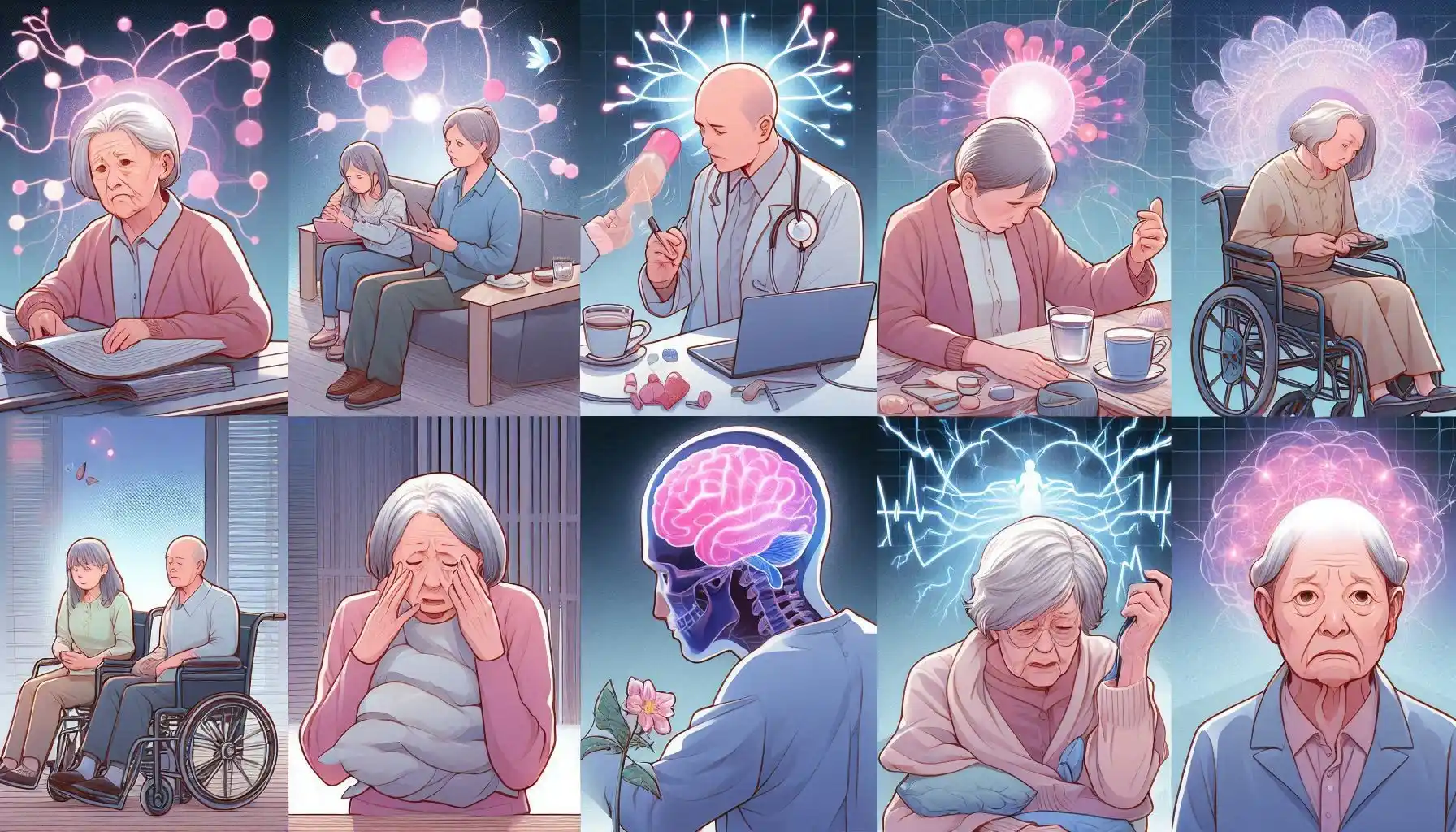
Alzheimer’s disease is a progressive neurological disorder that primarily affects memory, thinking, and behavior. It is the most common form of dementia, accounting for 60-80% of all cases. The disease is named after Dr. Alois Alzheimer, who first described it in 1906. Alzheimer’s is characterized by the gradual degeneration of brain cells, leading to a decline in cognitive function and, eventually, the inability to perform daily activities.
Symptoms of Alzheimer’s Disease
The symptoms of Alzheimer’s disease can vary from person to person, but they generally progress over time. Early signs may be subtle and easily overlooked, but as the disease advances, the symptoms become more pronounced. Common symptoms include:
- Memory Loss: One of the earliest and most recognizable symptoms is difficulty remembering recent events or conversations.
- Difficulty with Familiar Tasks: Simple tasks that were once easy may become challenging, such as managing finances, cooking, or driving.
- Confusion and Disorientation: People with Alzheimer’s may become confused about time, place, or the identity of people around them.
- Language Problems: Difficulty finding the right words or following conversations is common.
- Poor Judgment: Decision-making skills may decline, leading to poor choices in personal and financial matters.
- Misplacing Items: Frequently losing or misplacing items and being unable to retrace steps to find them.
- Changes in Mood and Personality: Mood swings, irritability, and withdrawal from social activities are often observed.
Causes and Risk Factors
While the precise, singular cause of Alzheimer’s disease remains one of medicine’s greatest mysteries, scientists agree it is not triggered by a single event. Instead, it is a complex, multifactorial condition resulting from a combination of genetic, environmental, and lifestyle influences. Understanding these risk factors is crucial for early intervention and preventative care.

Age: The Greatest Known Risk Factor
Late-Onset Prevalence: Age is the most significant known risk factor. The probability of developing Alzheimer’s doubles every five years after the age of 65, with the vast majority of cases occurring in this older demographic.
Cellular Wear and Tear: As we age, the brain undergoes natural structural changes. The clearance of toxic proteins slows down, and cellular repair mechanisms become less efficient, creating an environment where amyloid plaques and tau tangles can accumulate.
Early-Onset Rarity: While rare, early-onset Alzheimer’s can occur in people in their 30s to mid-60s, usually driven by specific genetic mutations rather than age-related decline.
Genetics and Family History
Risk Genes vs. Deterministic Genes: Genetics play a nuanced role. Most cases are influenced by “risk genes,” with the APOE-e4 allele being the strongest genetic risk factor for late-onset Alzheimer’s. Conversely, deterministic genes (like APP, PSEN1, and PSEN2) directly cause the disease, though these account for less than 1% of all cases.
Familial Link: Having a first-degree relative (parent or sibling) with the disease significantly elevates your risk. This is due to a combination of shared genetics and shared early-life environmental factors.
Lifestyle and Environmental Factors
Dietary Impacts: Diets high in saturated fats, refined sugars, and processed foods promote systemic inflammation and oxidative stress, which damage neurons. Conversely, poor nutrition deprives the brain of essential neuroprotective antioxidants.
Physical Inactivity: A sedentary lifestyle reduces blood flow to the brain and limits the release of brain-derived neurotrophic factor (BDNF), a protein essential for the survival and growth of new neurons.
Toxic Habits: Smoking introduces massive amounts of free radicals into the body, accelerating vascular damage and cognitive decline. Additionally, poor sleep hygiene prevents the brain from clearing out metabolic waste during the night.
Traumatic Brain Injuries (TBI)
Mechanism of Injury: Moderate to severe traumatic brain injuries, particularly those involving a loss of consciousness, trigger acute neuroinflammation.
Long-Term Impact: This inflammation can disrupt the brain’s waste-clearance systems, accelerating the buildup of Alzheimer’s-related proteins. The risk is notably higher in individuals with a history of repetitive head trauma, such as contact sports athletes or military veterans.
Cardiovascular and Metabolic Health
The Brain-Heart Connection: The brain requires a massive, continuous supply of oxygen and glucose. Conditions like hypertension (high blood pressure), high cholesterol, and atherosclerosis stiffen and narrow blood vessels, starving the brain of vital nutrients.
Insulin Resistance: Often dubbed “Type 3 Diabetes” by researchers, Alzheimer’s is closely linked to metabolic dysfunction. When brain cells become resistant to insulin, they lose the ability to efficiently use glucose for energy, leading to cellular death and cognitive impairment. Managing midlife blood pressure and blood sugar is highly protective.
While we cannot change our age or genetics, a significant portion of Alzheimer’s risk is tied to modifiable lifestyle and cardiovascular factors. By managing blood pressure, staying physically active, and protecting the head, individuals can proactively build cognitive resilience.
Diagnosis and Testing
Diagnosing Alzheimer’s disease can be challenging, as there is no single test that can definitively confirm the condition. Instead, doctors use a combination of methods to rule out other causes of cognitive decline and make a diagnosis. These methods include:
- Medical History: A thorough review of the patient’s medical history and symptoms.
- Physical Examination: A physical exam to check for signs of other conditions that may cause similar symptoms.
- Neurological Tests: Tests to assess memory, problem-solving, attention, and language skills.
- Brain Imaging: MRI or CT scans to look for changes in the brain structure.
- Blood Tests: Blood tests to rule out other conditions, such as vitamin deficiencies or thyroid disorders.
Treatment and Management
While there is currently no cure for Alzheimer’s disease, several treatments can help manage symptoms and slow the progression of the disease. These include:
- Medications: Drugs such as cholinesterase inhibitors (donepezil, rivastigmine, galantamine) and memantine can help improve cognitive function and delay the worsening of symptoms.
- Therapy: Cognitive and behavioral therapy can help patients cope with the emotional and psychological aspects of the disease.
- Supportive Care: Caregivers and support groups provide essential assistance and emotional support for both patients and their families.
- Lifestyle Changes: A healthy diet, regular exercise, and social engagement can help improve overall well-being and potentially slow the progression of the disease.
Research and Future Directions
Research into Alzheimer’s disease is ongoing, and scientists are making significant strides in understanding the underlying mechanisms of the disease. Some of the most promising areas of research include:
- Genetic Studies: Identifying genetic markers that increase the risk of Alzheimer’s could lead to earlier diagnosis and personalized treatments.
- Immunotherapy: Developing vaccines or antibodies that target the toxic proteins (amyloid-beta and tau) associated with Alzheimer’s.
- Stem Cell Therapy: Using stem cells to regenerate damaged brain tissue and restore cognitive function.
- Early Detection: Developing more accurate and non-invasive methods for early detection of Alzheimer’s, such as blood tests or biomarkers.
Support and Resources
Living with Alzheimer’s disease can be challenging, but there are many resources available to help both patients and their families. These include:
- Support Groups: Joining a support group can provide emotional support and practical advice from others who are going through similar experiences.
- Counseling: Professional counseling can help individuals and families cope with the emotional and psychological impact of the disease.
- Respite Care: Respite care services can provide temporary relief for caregivers, allowing them to take a break and recharge.
- Financial Assistance: Various organizations offer financial assistance to help cover the costs of care and treatment.
Alzheimer’s disease is a progressive neurodegenerative condition that profoundly impacts memory, cognition, and daily functioning. While there is currently no cure, an integrative approach combining lifestyle modifications, natural remedies, and modern medical treatments can significantly improve a patient’s quality of life and potentially slow symptom progression.
Lifestyle Changes to Support Brain Health
Non-pharmacological interventions form the foundation of Alzheimer’s management, focusing on preserving cognitive function and overall well-being.
- Physical Exercise: Regular aerobic exercise, such as walking or swimming, increases blood flow to the brain and stimulates the release of chemicals that promote the survival of new neurons.
- Cognitive Stimulation: Engaging in mentally challenging activities—like puzzles, reading, or learning a new skill—helps build “cognitive reserve,” allowing the brain to better cope with underlying pathology.
- Sleep Hygiene: Deep sleep is critical for the brain’s glymphatic system, which clears out neurotoxic waste, including amyloid-beta plaques. Establishing a strict sleep routine is vital.
- Social Engagement: Maintaining strong social connections reduces stress, lowers the risk of depression, and provides necessary mental stimulation.
Natural Remedies and Dietary Interventions
Complementary therapies can support brain health, though they should always be discussed with a healthcare provider to avoid drug interactions.
- The MIND Diet: A hybrid of the Mediterranean and DASH diets, this eating plan emphasizes leafy greens, berries, nuts, whole grains, and fish. It is specifically designed to reduce neuroinflammation and oxidative stress.
- Targeted Supplements: Omega-3 fatty acids (found in fish oil) support neuronal membrane health. Vitamin E acts as a powerful antioxidant, while Curcumin (from turmeric) has shown potential in reducing brain inflammation.
- Sensory Therapies: Aromatherapy (using essential oils like lemon balm or lavender) and music therapy are highly effective natural remedies for managing the agitation, anxiety, and sleep disturbances often associated with Alzheimer’s.
The Impact of Modern Medicine
Modern pharmacology plays a crucial role in managing the clinical realities of Alzheimer’s, shifting from mere symptom control to targeting the disease’s underlying biology.
- Symptomatic Treatments: Traditional medications like cholinesterase inhibitors (e.g., donepezil) and NMDA receptor antagonists (e.g., memantine) help regulate neurotransmitters. They temporarily improve or stabilize memory and reasoning symptoms, though they do not stop the disease’s progression.
- Disease-Modifying Therapies: A monumental shift in modern medicine is the advent of anti-amyloid monoclonal antibodies, such as lecanemab and donanemab. These intravenous treatments actually target and clear the toxic amyloid plaques in the brain, significantly slowing cognitive decline in early-stage patients.
- Managing Limitations: While modern medicine offers unprecedented tools, these new disease-modifying drugs carry risks, such as brain swelling or bleeding (ARIA), requiring rigorous MRI monitoring. Furthermore, medications do not reverse existing neuronal damage.
Effectively managing Alzheimer’s disease requires a holistic strategy. Modern medicine provides critical clinical interventions to alter the disease course and manage symptoms, while lifestyle changes and natural remedies offer essential, daily support for the patient’s holistic well-being. For more in-depth medical educational resources and patient care guides, continue exploring hubs like cloudtechbull.com
FAQs
What is the difference between Alzheimer’s disease and dementia?
Dementia is a broad term that describes a group of symptoms affecting memory, thinking, and social abilities severely enough to interfere with daily life. Alzheimer’s disease is the most common cause of dementia, but there are other types, such as vascular dementia, Lewy body dementia, and frontotemporal dementia.
Can Alzheimer’s be prevented?
While there is no guaranteed way to prevent Alzheimer’s, certain lifestyle choices may reduce the risk. These include maintaining a healthy diet, staying physically active, engaging in mentally stimulating activities, and managing conditions like high blood pressure and diabetes.
Is Alzheimer’s hereditary?
While genetics can play a role in the development of Alzheimer’s, most cases are not directly inherited. However, having a first-degree relative with the disease does increase the risk.
How long can someone live with Alzheimer’s?
The life expectancy of someone with Alzheimer’s can vary widely, but on average, people live 8 to 10 years after diagnosis. However, some may live for 20 years or more.
What are the stages of Alzheimer’s disease?
Alzheimer’s disease is typically divided into three stages: early (mild), middle (moderate), and late (severe). Each stage is characterized by different symptoms and levels of cognitive decline.
Conclusion
Alzheimer’s disease is a complex and multifaceted condition that affects not only the individual but also their loved ones. While the disease presents many challenges, ongoing research and advances in treatment offer hope for the future. By understanding the symptoms, causes, and management options, we can better support those affected by Alzheimer’s and work towards a world where the disease is no longer a threat.
Additional Resources
- Alzheimer’s Association: alz.org
- National Institute on Aging: nia.nih.gov
- Alzheimer’s Society: alzheimers.org.uk
“The greatest wealth is health.” — Virgil
By staying informed and proactive, we can make a difference in the lives of those affected by Alzheimer’s disease. Together, we can build a future where this devastating condition is a thing of the past.
Medical Disclaimer:
The information provided on this website is for general educational and informational purposes only and is not intended as a substitute for professional medical advice, diagnosis, or treatment. Always seek the advice of your physician or other qualified health provider with any questions you may have regarding a medical condition. Never disregard professional medical advice or delay in seeking it because of something you have read on this website.
