
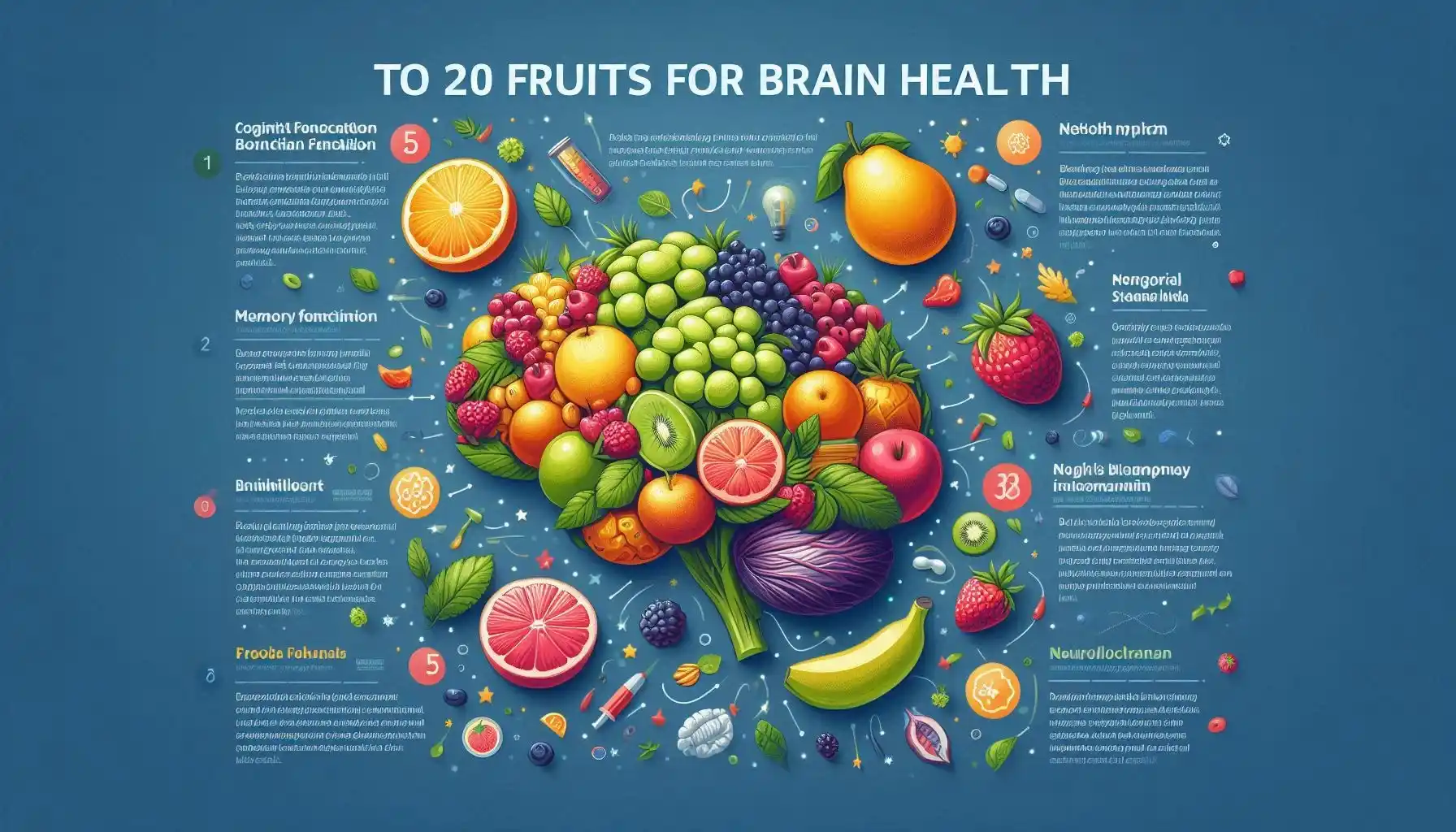
How Fruits can improve our brain health
As a society, we are becoming increasingly aware of the importance of maintaining good brain health. As we age, our cognitive abilities can decline, leading to issues such as memory loss and difficulty concentrating. However, by incorporating certain foods into our diets, we can help support and protect our brain health. In this article, we will explore the top fruits that are known to be beneficial for brain health.
First, let’s take a look at some of the reasons why fruits are so important for our brains. Fruits are packed with essential nutrients such as vitamins, minerals, and antioxidants, which all play a crucial role in maintaining good brain health. Antioxidants, in particular, are important for protecting our brains from damage caused by free radicals, which can lead to cognitive decline.
We often think about eating right for our hearts or our waistlines, but what about our brains? The human brain, while making up only about 2% of our body weight, consumes roughly 20% of our daily energy. To keep this powerhouse functioning at its best, it needs the right fuel.
While a balanced diet is crucial, certain fruits stand out as exceptional “brain food.” Packed with antioxidants, vitamins, and anti-inflammatory properties, these top fruits can help protect against cognitive decline, improve memory, and keep your mind sharp. Let’s dive into the top fruits you should be adding to your grocery cart for optimal brain health.

- Blueberries: The King of Cognitive Function Often referred to as the “king of antioxidants,” blueberries are arguably the ultimate brain fruit. Their vibrant color comes from anthocyanins, a group of plant compounds with potent anti-inflammatory and antioxidant effects. Oxidative stress and inflammation accelerate brain aging, but anthocyanins combat this by crossing the blood-brain barrier to target areas responsible for memory and learning. Studies have consistently shown that regular consumption of blueberries can delay brain aging, improve memory, and enhance communication between brain cells.
- Avocados: The Healthy Fat Hero Yes, it’s technically a berry! While known for their healthy fats, avocados are incredibly beneficial for your brain. They are rich in monounsaturated fats, which help support healthy blood flow. Better blood flow means your brain is receiving the oxygen and nutrients it desperately needs to function optimally. Furthermore, avocados are a great source of lutein, a carotenoid linked to improved cognitive function and memory. The potassium and folate in avocados also help regulate blood pressure, which is crucial for preventing vascular dementia.
- Pomegranates: The Memory Shield If you’re looking for serious antioxidant power, look no further than the pomegranate. This jewel-like fruit is packed with polyphenols, which offer intense protective benefits. The antioxidants in pomegranates help protect the brain from free radical damage and reduce inflammation, a key driver in neurodegenerative diseases like Alzheimer’s. Some research suggests that the specific polyphenols in pomegranate juice can improve visual and verbal memory. Whether you enjoy the arils (seeds) sprinkled over yogurt or drink a small glass of 100% juice, pomegranates are a delicious way to shield your brain.
- Citrus Fruits: The Alertness Boosters When you think of oranges and grapefruits, you likely think of Vitamin C and immune support. But Vitamin C is also a vital brain nutrient. It plays a key role in producing neurotransmitters and protecting the brain against oxidative stress. Studies have found that higher levels of Vitamin C in the blood are associated with better performance in tasks involving attention, focus, and memory. Flavonoids found in citrus fruits also improve blood flow to the brain and promote the growth of new neurons.
- Apples: The Neuroprotector An apple a day might really keep the neurologist away. Apples, particularly their skins, are a rich source of quercetin, a powerful antioxidant that protects brain cells from oxidative stress. This stress can lead to the death of neurons, contributing to cognitive decline. Quercetin has been shown to protect neurons from toxicity and may even help prevent the formation of amyloid plaques associated with Alzheimer’s disease. For the maximum brain benefit, keep the skin on and enjoy a crisp, fresh apple.
- Bananas : Bananas are a great source of potassium, which is essential for maintaining good brain health. Potassium helps regulate blood flow to the brain, which can help improve cognitive function and memory. Additionally, bananas contain high levels of vitamin B6, which is important for the production of neurotransmitters, such as serotonin and dopamine, which are essential for maintaining good mental health.
Nourishing your brain doesn’t have to be complicated. By incorporating these powerful fruits into your daily diet, you are actively investing in your long-term cognitive health. From the anthocyanins in blueberries to the healthy fats in avocados, nature provides exactly what we need to stay sharp. Remember, a colorful plate leads to a sharper mind!
- Incorporating fruits into our diets is essential for maintaining good brain health.
- Eating fruits regularly plays a vital role in supporting brain function.
- Adding specific ‘top fruits’ beneficial for the brain is highly recommended.
- These fruits should be included as part of our daily meals and snacks.
- Consuming these fruits helps protect our brains from potential damage.
- One key protective benefit is against harm caused by free radicals.
- Free radicals are unstable molecules that can injure brain cells over time.
- The antioxidants found in fruits help neutralize these harmful free radicals.
- Including these fruits can lead to improved cognitive function.
- Enhanced cognitive function includes areas like memory, focus, and learning.
- Eating these fruits consistently helps in maintaining good mental health.
- They contribute to overall psychological well-being and stability.
- Adding berries to your breakfast is a simple yet effective way to start.
- Berries are often highlighted as particularly nutrient-dense for the brain.
- Packing an apple to eat for a snack during the day provides a convenient option.
- Apples offer valuable nutrients that support brain energy and function.
- Enjoying a bowl of grapes serves as both a healthy choice and a treat.
- Grapes contain compounds that can benefit brain circulation and health.
- Making these dietary choices directly benefits the health of your brain.
- Your brain will show its appreciation through better performance and sustained health.
Incorporating these fruits into our diets can help support and protect our brain health. Here are some tips for adding these fruits to your meals:
-
Blueberries: The Brain Berry Because they are small and versatile, blueberries are the easiest fruit to sneak into your day.
- Morning Oatmeal or Yogurt: Keep a bag of frozen wild blueberries in your freezer. Thaw a handful in the microwave for 30 seconds and swirl them into your morning oatmeal, overnight oats, or Greek yogurt.
- Smoothie Booster: Toss a cup of frozen blueberries into your morning smoothie. They pair perfectly with spinach and a scoop of protein powder.
- Smart Snacking: Keep a container of fresh blueberries at your desk or in the fridge for a quick, no-prep snack.
🥑 Avocados: The Creamy Cognitive Booster Avocados are incredibly filling and act as a great carrier for other brain-boosting nutrients.
- Avocado Toast 2.0: Mash half an avocado on whole-grain toast. Top it with a sprinkle of pumpkin seeds (high in zinc for memory) and a dash of black pepper.
- Smoothie Thickener: Adding a quarter of an avocado to a fruit smoothie makes it incredibly creamy without altering the sweet flavor, while adding those essential brain-fueling fats.
- Swap the Mayo: Mash avocado and use it as a spread for your sandwiches or wraps instead of mayonnaise.
🍎 Pomegranates: The Memory Shield Don’t let the tough exterior intimidate you! The arils (seeds) are where the magic lives.
- The Ultimate Salad Topper: Sprinkle a handful of fresh pomegranate arils over a dark leafy green salad. They pair beautifully with walnuts, feta cheese, and a light vinaigrette.
- Sparkling Mocktail: Mix 2 ounces of 100% pomegranate juice with sparkling water and a squeeze of lime for a refreshing, antioxidant-rich afternoon drink.
- Time-saving hack: Buy pre-packaged pomegranate arils in the produce section to save yourself the messy extraction process!
🍊 Citrus Fruits: The Alertness Boosters Citrus is all about bright, zesty flavors that wake up your palate and your brain.
- Hydrate with Lemon: Start your morning by squeezing half a lemon into a glass of room-temperature water. It wakes up your digestion and gives you an immediate hit of Vitamin C.
- Citrus Segments in Salads: Peel and segment an orange or grapefruit to toss into a salad with avocado (double brain boost!).
- Zest It Up: Keep a microplane in your kitchen. Grate lemon or orange zest over roasted vegetables, chicken, or fish. The zest contains concentrated essential oils that enhance flavor and nutrients.
🍎 Apples: The Crisp Neuroprotector Apples are the ultimate grab-and-go fruit, but you can do so much more with them.
- The Perfect Pair: Slice an apple and dip it in a tablespoon of almond butter or peanut butter. The healthy fats in the nut butter stabilize your blood sugar, keeping your brain energized longer.
- Savory Apple Slaw: Shred apples and mix them with cabbage, carrots, and a yogurt-based dressing for a brain-healthy side dish.
- Cinnamon Baked Apples: Core an apple, sprinkle it with cinnamon (which is also great for brain health!), and microwave for 2-3 minutes for a warm, comforting, and neuroprotective dessert.
💡 A Quick “Brain-Boosting Day” Meal Plan Idea:
- Breakfast: Greek yogurt topped with thawed frozen blueberries and a sprinkle of walnuts.
- Lunch: Spinach salad with sliced avocado, pomegranate arils, and a lemon-olive oil vinaigrette.
- Snack: Apple slices with almond butter.
- Dinner: Baked salmon with a side of roasted broccoli topped with fresh lemon zest.
By keeping these fruits visible and prepped in your kitchen, you’ll naturally reach for them when hunger strikes. Small, consistent additions to your meals will build a strong, delicious defense for your brain over time!
In conclusion, incorporating fruits into our diets is essential for maintaining good brain health. By adding these top fruits for brain health to our meals, we can help protect our brains from damage caused by free radicals, improve our cognitive function, and maintain good mental health. So go ahead and add some berries to your breakfast, pack an apple for a snack, or enjoy a bowl of grapes as a healthy and delicious treat. Your brain will thank you!
FAQs:
1. How do fruits contribute to brain health?
A. Fruits are rich in essential nutrients like vitamins, minerals, antioxidants, and fiber that support brain function and overall health.
2. Which fruits are best for brain health?
A. Blueberries, bananas, oranges, avocados, apples, and grapes are top choices due to their high nutritional value beneficial for the brain.
3. What key nutrients do fruits provide for the brain?
A. Fruits offer vitamins (C, B, E), minerals (potassium), antioxidants, fiber, and phytonutrients, all crucial for brain function and protection.
4. What happens if I don’t get enough of these nutrients?
A. Deficiencies can lead to issues like fatigue, cognitive decline, and neurological problems, highlighting the importance of a balanced diet.
5. How can I prevent nutrient deficiencies?
A. Incorporate a variety of fruits into meals, consider supplements if necessary, and consult a healthcare provider for personalized advice.
6. Are there risks to eating too much fruit?
A. While fruits are healthy, overconsumption can lead to excessive sugar intake. Moderation is key, as with any food.
7. Can fruits improve mental performance?
A. Yes, certain fruits like blueberries and bananas can enhance focus and memory due to their nutrient content.
8. Should I worry about sugar in fruits?
A. Natural sugars in fruits, paired with fiber, are healthier than processed sugars. Moderation is still advised.
9. How to include fruits if they’re out of season?
A. Opt for frozen or dried options, which retain most nutrients and provide a convenient alternative.
10. How many fruits should I eat daily?
A. Aim for 2-3 servings, ensuring a variety to maximize nutrient intake without overdoing sugar.
Conclusion: Fruits are a delicious and nutritious way to support brain health. Enjoy a variety, practice moderation, and consider consulting a dietitian for personalized advice.
Medical Disclaimer:
The information provided on this website is for general educational and informational purposes only and is not intended as a substitute for professional medical advice, diagnosis, or treatment. Always seek the advice of your physician or other qualified health provider with any questions you may have regarding a medical condition. Never disregard professional medical advice or delay in seeking it because of something you have read on this website.
