
Table of Contents
Planning to renovate your home interiors? Check decor tips as per trends in 2022
Planning Your Home Interior Renovation
Renovating your home’s interior is a transformative process that can completely enhance the functionality, aesthetics, and value of your living space. Whether you’re looking to modernize an outdated design or simply update key areas like the kitchen or bathroom, a well-planned renovation ensures long-term satisfaction and a space that truly reflects your personal style. Proper planning is essential in this process, as it helps avoid costly mistakes and ensures that your envisioned design is practical and feasible.
Before diving into the renovation phase, it’s crucial to define your goals and determine the scope of the project. Start by identifying what aspects of your current interior you want to change—whether it’s the color scheme, furniture layout, or specific renovations like flooring or lighting. Setting a clear vision at this stage will guide your decisions throughout the entire process. Additionally, establishing a realistic budget is essential, as home interior projects can quickly escalate in cost without careful planning. Allocating funds for materials, labor, and unexpected expenses is a smart approach that ensures you don’t overspend.
Researching current interior design trends is another vital step in planning your renovation. Staying updated on the latest trends allows you to make informed choices that align with modern aesthetics while ensuring a cohesive and timeless design. From soothing color palettes to innovative furniture arrangements, today’s design trends offer a balance between functionality and style. Once you’ve outlined your goals, set a budget, and gathered inspiration, the next step is to start implementing your renovation plan. With careful planning and the right approach, you can transform your home into a space that perfectly suits your lifestyle and preferences.
Setting the Foundation for a Successful Renovation
A successful home interior renovation begins with a clear and well-defined plan that outlines your goals, budget, and design inspirations. Before making any commitments, take the time to determine what you want to achieve with your renovation. Are you looking to create a more open and airy living space? Do you need a more functional kitchen for daily use? Or are you aiming for a complete overhaul that modernizes your home’s aesthetic? Being specific about your priorities will help you make informed decisions and avoid unnecessary changes that could derail your budget or vision.

Once your goals are established, it’s essential to create a realistic budget that aligns with your renovation plans. Begin by researching the costs of materials, labor, and any additional services such as design consultations or permit fees. It’s a good idea to set aside a contingency fund—ideally 10 to 20% of the total project cost—to account for unexpected expenses. Allocating funds for different aspects of the renovation will also help you stay on track and avoid overspending in one area. For example, if you plan to update your kitchen, you might divide the budget into categories such as cabinetry, countertops, flooring, and appliances.
In addition to defining your goals and budget, gathering inspiration is an effective way to guide your design choices. Browse through online platforms like Pinterest, Houzz, or real estate websites to find design ideas that reflect your personal style. These resources offer a wide range of options, from modern minimalist interiors to cozy, rustic spaces that emphasize warmth and comfort. Pay attention to elements such as color schemes, furniture arrangements, and lighting choices, as these can significantly impact the overall look and feel of your space. You can even create a mood board or digital collage to visualize how different design elements fit together.
Finally, ensure that your renovation plan is both achievable and flexible. While it’s important to stay true to your vision, it’s equally important to remain realistic about the feasibility of certain design choices based on your budget and spatial constraints. Consulting with a professional interior designer or contractor can provide valuable insights into what is practical and cost-effective for your specific space. By combining thorough research, budget planning, and creative inspiration, you can lay a solid foundation for a successful interior renovation.
Top Interior Design Trends for 2022
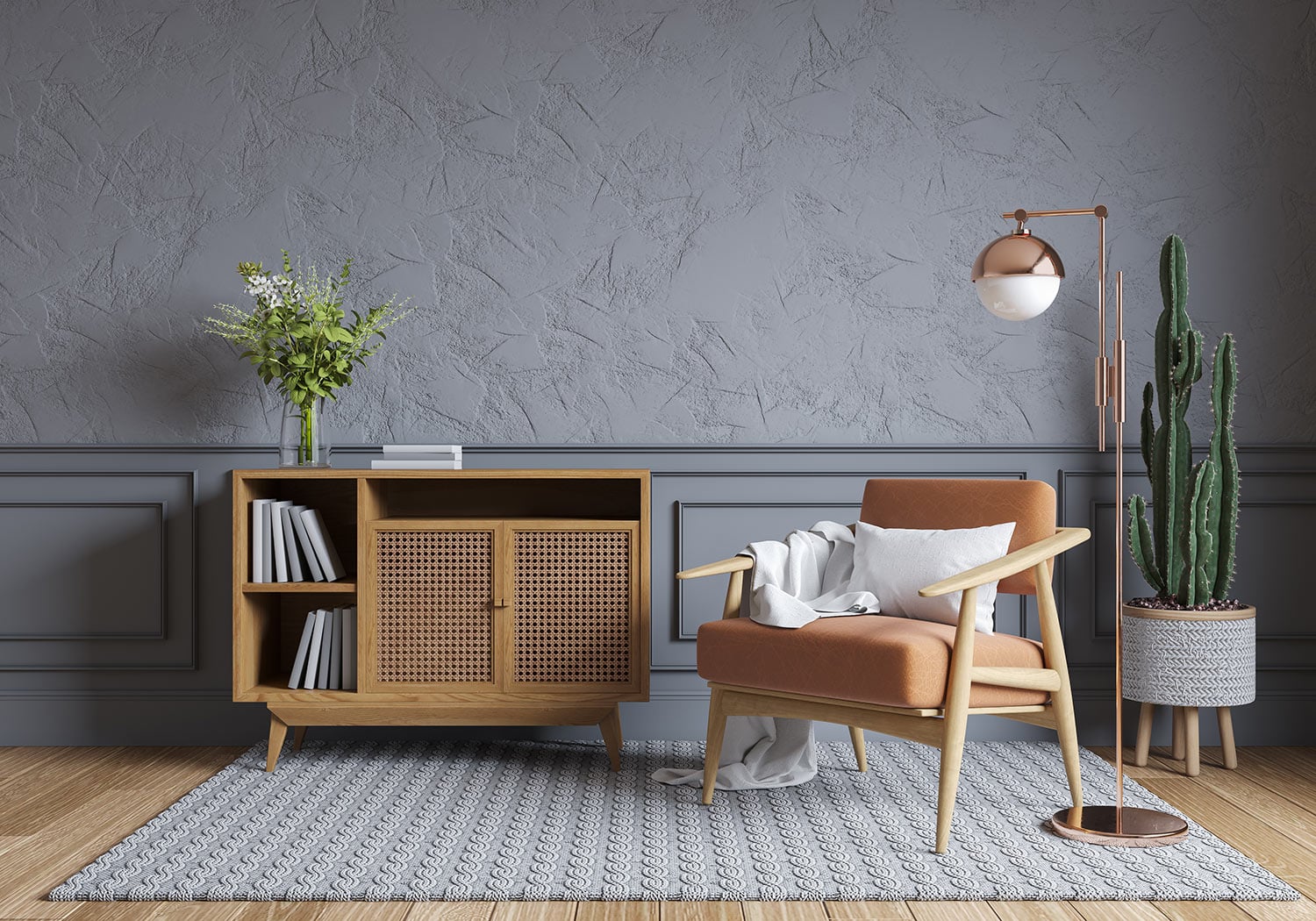
2022 has brought a fresh wave of interior design trends that emphasize comfort, functionality, and aesthetics. As homeowners look for ways to revamp their living spaces, several key trends have gained popularity, offering a balance between modernity and warmth. One of the most prominent trends in 2022 is the use of earthy tones and natural textures. Warm, grounded color palettes featuring shades of terracotta, olive, and deep browns are being embraced to create a sense of calm and connection to nature. These colors are often paired with natural materials such as wood and stone, which add depth and organic warmth to interior spaces. Instead of traditional white kitchens or minimalist gray walls, homeowners are opting for warm, ambient hues that create a cozy and inviting atmosphere.
Another notable trend is the rise of maximalist minimalism, which combines elements of both maximalism and minimalism to strike a balance between curated simplicity and bold expression. Unlike the clean, unadorned spaces of classic minimalism, maximalist minimalism encourages the use of layered textures, rich fabrics, and carefully arranged accent pieces. This approach creates visually engaging interiors without compromising on the streamlined, clutter-free aesthetic. For example, a living room might feature a sleek, minimalist sofa paired with textured throw blankets, a vibrant area rug, and a curated collection of art and decor. The key to this trend is thoughtful balance, ensuring that each element complements the overall design rather than overwhelming the space.
Statement lighting has also taken center stage in 2022, as homeowners use lighting as a focal point in their interiors. Instead of installing generic light fixtures, designers are opting for bold, sculptural pieces that make an impact. Whether it’s a dramatic chandelier in the dining room or an oversized pendant light in the living area, these lighting choices add personality and sophistication to any space. This trend is particularly effective in open-plan living areas, where a striking light fixture can serve as a visual anchor. The use of metallic finishes and intricate detailing is also on the rise, with gilded or bronze lighting fixtures offering a touch of luxury.
The use of smart home technology is another major trend shaping interior design in 2022. As homeowners seek greater convenience and efficiency, smart devices such as voice-controlled lighting, automated thermostats, and intelligent security systems are becoming essential features in modern homes. These innovations not only enhance the functionality of a space but also contribute to a sleek, tech-forward aesthetic. Integrated smart home systems are being seamlessly incorporated into interior designs, ensuring that technology is not just functional but also visually appealing. For instance, motorized blinds, programmable LED lighting, and remote-controlled window treatments allow for effortless customization of a space’s ambiance and comfort.
Lastly, the trend of open shelving and mid-century-inspired furniture is making a strong comeback in 2022. Open shelving adds an air of openness and accessibility, making it particularly popular in kitchens and living rooms. Unlike traditional closed cabinetry, open shelves allow for easy access to books, decor, and everyday items while showcasing curated collections. Mid-century modern furniture, characterized by clean lines, geometric shapes, and functional design, is also being embraced for its timeless appeal. This trend is particularly evident in living rooms, where sleek, low-profile sofas and teak wood furniture are being used to create a vintage-meets-modern look.
By staying up to date with these 2022 interior design trends, homeowners can make informed choices when planning their renovation. Whether it’s embracing earthy tones, experimenting with maximalist minimalism, or incorporating smart home technology, these trends provide a foundation for creating a stylish yet functional living space that reflects modern aesthetics and personal preferences.
Design Tips for a Cohesive and Stylish Interior
Creating a well-designed interior involves careful consideration of several key elements, including color schemes, furniture arrangements, material choices, lighting, and storage solutions. By thoughtfully integrating these aspects, you can craft a space that not only looks aesthetically pleasing but also functions efficiently for your lifestyle.
Color Schemes play a crucial role in defining the mood and style of a room. For a balanced and visually appealing interior, it’s recommended to follow the 60-30-10 rule—60% dominant color, 30% secondary color, and 10% accent color. This allows for a harmonious blend while adding depth and interest. In 2022, earthy tones such as terracotta, warm beige, and deep moss green are particularly popular for walls, as they create a serene and inviting atmosphere. Pairing these base colors with neutral furniture—such as white, gray, or cream—ensures a sense of openness and prevents the space from becoming overwhelming. To add contrast and vibrancy, use bold accent colors in cushions, rugs, or artwork. Metallic finishes, particularly in gold and copper tones, are also making a resurgence in decor, adding a touch of sophistication and elegance.
Furniture Arrangements are equally important in creating a functional and visually appealing interior. The layout should be designed with both aesthetics and practicality in mind. In living areas, for instance, it’s beneficial to create conversation zones by arranging seating to encourage interaction. Avoid placing furniture too close to the walls to allow for natural movement and visual flow. In open-plan spaces, defining different zones with the help of rugs or lighting can help distinguish areas for different purposes. For smaller rooms, opt for furniture that serves multiple functions, such as storage ottomans or foldable tables, to maximize space without compromising on comfort. Additionally, maintaining a balance between scale and proportion is essential—oversized furniture can overwhelm a small space, while undersized pieces may make a large room feel empty.
Material Choices significantly impact the texture and visual appeal of a space. A mix of natural and modern materials often creates a balanced and warm aesthetic. For flooring, hardwood or engineered wood is a timeless option, while natural stone or ceramic tiles work well in kitchens and bathrooms. Textured materials such as wool, velvet, or linen can add depth and comfort to furniture and decor. Mirrors are also a valuable design tool, as they reflect light and create the illusion of space, making them particularly useful in smaller rooms. Reclaimed or vintage materials are gaining popularity for their eco-friendly appeal and unique character, offering a sustainable and stylish way to incorporate personality into a space.
Lighting is a vital element in interior design, as it influences the ambiance and functionality of a room. Natural light is always preferred, so maximizing window access and using light-filtering curtains can enhance the space. When it comes to artificial lighting, layering is key—combining ambient, task, and accent lighting ensures a balanced and versatile lighting scheme. Recessed lighting, track lighting, and pendant lights provide general illumination, while floor lamps and table lamps create a cozy, intimate atmosphere. Statement lighting fixtures, such as sculptural chandeliers or bold pendant lights, are particularly popular in 2022 and serve as focal points that elevate the design. Dimmer switches are also a practical addition, allowing for adjustable lighting that adapts to different times of the day and moods.
Storage Solutions are essential for maintaining a clutter-free and organized space. Open shelving is a popular trend in 2022, particularly in kitchens and living rooms, as it allows for easy access to everyday items while adding visual interest. However, it’s important to balance open storage with closed cabinetry to prevent clutter from becoming visible. Modular storage units, adjustable shelving, and multi-functional furniture—such as desks with built-in storage or ottomans with hidden compartments—can help maximize space efficiency without compromising on style. Customized storage solutions are also ideal for optimizing space in smaller homes or apartments, ensuring that every item has a designated place.
By incorporating thoughtfully curated color schemes, smart furniture arrangements, a mix of materials, strategic lighting, and effective storage solutions, you can create a well-designed interior that is both stylish and functional.
Planning and Budgeting for a Budget-Friendly Renovation
Renovating a home can quickly become costly without a clear plan and a well-structured budget. One of the first and most essential steps in any renovation project is setting a realistic budget that balances affordability with quality. This involves researching the average costs of materials, labor, and furnishings, and allocating funds accordingly. It’s also crucial to prioritize what aspects of the renovation will bring the most value and impact to your space. For example, investing in durable materials that require minimal maintenance can save money in the long run, while opting for cost-effective design choices can significantly reduce expenses without compromising aesthetics.
Understanding the distinction for your renovation is equally important. Rushing through a project can lead to unnecessary costs, as contractors may charge for expedited services, and poor planning can result in costly-related expenses. By mapping out the project phase by phase, homeowners can ensure a smoother process and avoid unexpected financial setbacks. Additionally, setting aside a contingency fund of 10 to 15 percent of the total budget provides a financial safety net in case of unforeseen circumstances.
Before starting the renovation, it’s wise to create a detailed list of needs versus wants. For instance, replacing basic lighting fixtures with modern, energy-efficient alternatives can be a budget-friendly upgrade, while installing high-end fixtures may be a discretionary choice. By distinguishing between essential and optional upgrades, homeowners can make informed decisions that align with their financial goals. With proper planning and a well-structured budget, a renovation can be executed efficiently and affordably, transforming the return on investment without overspending.
Creating a Realistic Budget and Allocating Funds
To ensure a successful and cost-effective renovation, it’s essential to create a realistic budget that reflects both your financial situation and the scope of the project. Begin by researching the average costs associated with various renovation elements, such as flooring, materials, labor, and tools. This information can be gathered from online resources, home improvement stores, and contractor quotes. Once you have a clear understanding of the expenses involved, you can allocate funds more efficiently, ensuring that you don’t overspend on unnecessary items.
A key consideration when setting your budget is the balance between cost and quality. While the temptation to opt for the cheapest materials may be strong, it’s often more cost-effective in the long run to invest in durable, high-quality products that require less frequent replacement or maintenance. For example, choosing budget-friendly but durable flooring materials, such as engineered hardwood or laminate, can significantly reduce costs without compromising quality. Similarly, selecting affordable yet stylishhetically pleasing materials, such as budget-friendly paint or peel-and-stick backsplash tiles, allows for a stylish touch without a high price tag.
Another important aspect of budgeting is prioritizing your needs versus your wants. While it’s tempting to splurge on luxury finishes, such as state-of-the-art appliances or custom-built furniture, it’s necessary to determine which elements are essential for the overall functionality and satisfaction of the space. A practical approach is to categorize renovation items into three groups: must-haves, nice-to-haves, and discretionary upgrades. This helps ensure that the most critical aspects of the renovation receive the necessary financial support, while less essential elements can be reconsidered or postponed if needed.
In addition to carefully allocating funds, it’s wise to set aside a contingency budget of 10 to 15 percent of the total renovation cost. Unforeseen expenses, such as damaged drywall or unexpected plumbing issues, can quickly eat into your budget if you’re not prepared. Having a financial cushion allows for flexibility and prevents financial stress during the renovation process. Keeping track of every expense through a spreadsheet or budgeting app is also highly recommended to avoid overspending and stay on track with your financial goals. By creating a realistic budget and allocating funds wisely, you can enjoy a stylish renovated space without the pressure of unnecessary financial strain.
Cost-Effective DIY Projects to Save on Renovation Expenses
One of the most effective ways to save money during a renovation is by incorporating do-it-yourself (DIY) projects. Instead of relying on hired professionals for every aspect, homeowners can take on several tasks themselves, significantly reducing labor costs while gaining a personal touch in their space. For example, painting is a budget-friendly DIY project that can transform an entire room without the need for expensive furniture or major structural changes. With the right materials and tools, homeowners can refresh walls, furniture, or even cabinets to give their space a modern and updated look. By opting for affordable paint brands and using existing home decor pieces, the cost of the project remains manageable while achieving a stylish result.
Another DIY DIY project is building furniture or updating shelves. Instead of purchasing pre-made storage solutions that can be expensive, homeowners can create floating shelves or built-in shelves to maximize space and add a sense of organization. This is not only a cost-effective solution but also allows for customization to suit specific needs and preferences. With readily available kits available at home improvement stores and step-by-step guides online, beginners can easily learn how to create functional furniture that complements their home design. Additionally, repurposing old furniture, such as upcycling a dated dining table or giving a new lease of life to outdated cabinets, is another cost-effective way to maintain a stylish and aesthetically pleasing living space.
Beyond the financial benefits, DIY projects also offer time-saving advantages. By handling simple upgrades and renovations independently, homeowners can avoid scheduling delays and reduce the time spent waiting for contractors or suppliers. This approach accelerates the renovation process and allows for more control over the outcome. Furthermore, completing projects provides an opportunity to acquire new skills, which can be beneficial for future home improvement endeavors. With the growing popularity of DIY and minimalist design trends in 2022, DIY solutions align perfectly with modern aesthetics while simultaneously being a practical and budget-conscious strategy for home renovation.
