
Table of Contents
Love Yourself First: The Power of Self-Care in a World that Never Stops
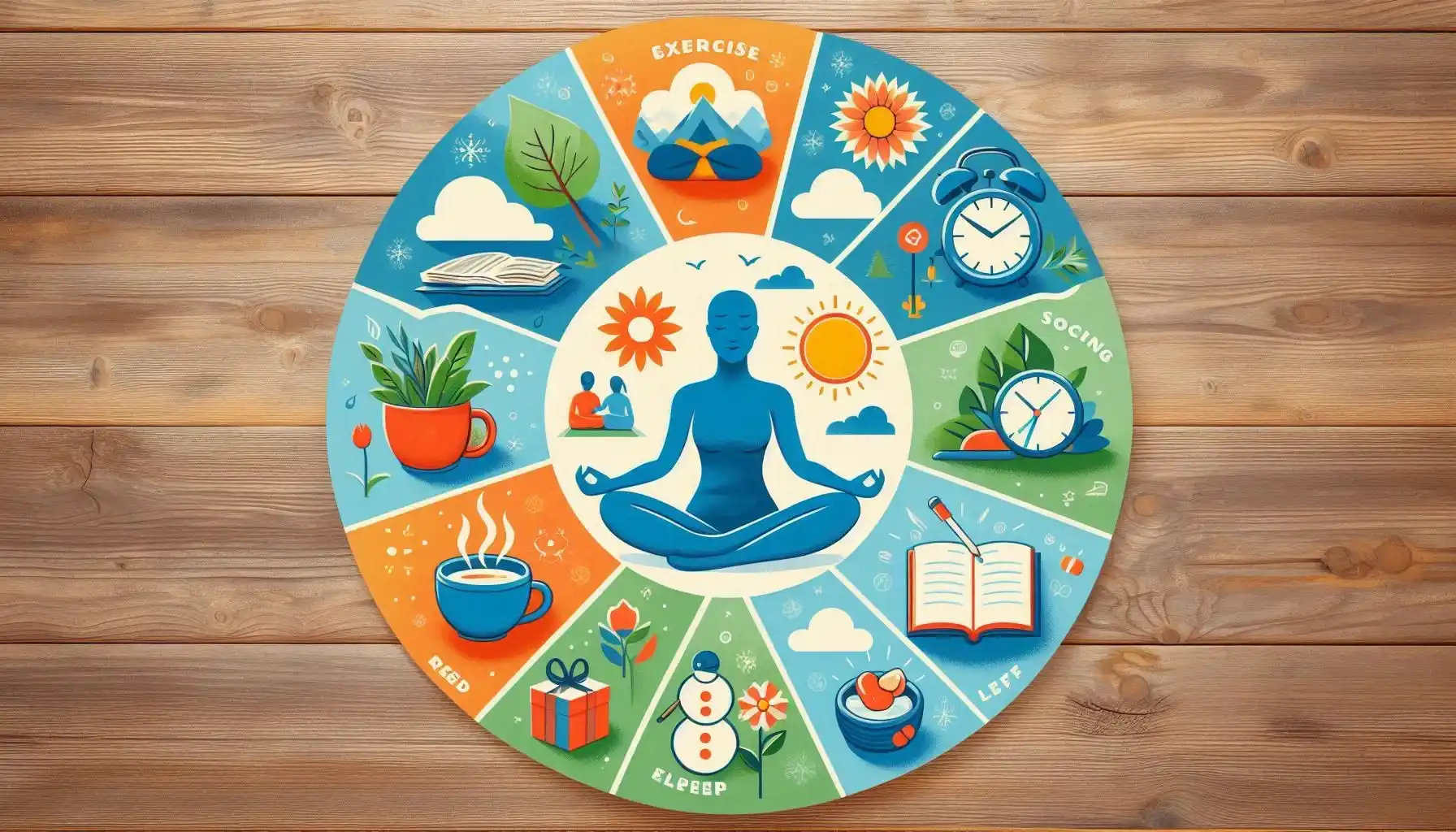
As we navigate the demands of our daily lives, it’s easy to forget to take care of the most important person – ourselves. We often prioritize work, family, and social obligations over our own well-being, leaving us feeling drained, stressed, and burnt out. However, we believe that self-care is not a luxury, but a necessity. In this article, we’ll explore the concept of self-care, its benefits, and provide practical tips on how to incorporate it into our busy lives.
“Self-care is not selfish. It is a necessary act of self-love and self-respect.”
We couldn’t agree more with this quote. Self-care is about taking care of our physical, emotional, and mental health, and it’s essential for maintaining our overall well-being. By prioritizing self-care, we can improve our relationships, increase our productivity, and enhance our quality of life.
Modern life operates at a relentless pace. Between demanding careers, family responsibilities, financial pressures, and the constant ping of digital notifications, many of us have normalized exhaustion as a badge of honor. We push through fatigue, skip meals to meet deadlines, ignore early warning signs of stress, and treat rest as a luxury we will eventually earn. Yet this unsustainable approach to daily living is quietly eroding our physical health, emotional resilience, and overall quality of life. Self-care is not a trendy wellness concept reserved for spa weekends or expensive retreats. It is a fundamental human requirement, as essential as sleep, nutrition, and hydration. In a world that constantly demands more of our time, energy, and attention, prioritizing our own wellbeing is not selfish. It is strategic, necessary, and deeply empowering. This comprehensive guide will explore why self-care matters, how neglecting it impacts every area of life, and practical, sustainable ways to integrate meaningful self-care into even the most demanding schedules. By shifting self-care from an occasional indulgence to a daily non-negotiable, you can reclaim your energy, protect your mental health, and build a life that supports long-term vitality rather than short-term survival.

Redefining Self-Care: Beyond Misconceptions and Marketing
The wellness industry has heavily commercialized self-care, often reducing it to aesthetic routines, premium products, or time-consuming rituals that feel inaccessible to busy individuals. This marketing distortion has created widespread confusion about what self-care actually means and who it is for. Many people dismiss self-care because they believe it requires significant time, money, or effort they simply do not have. Others feel guilty prioritizing themselves, convinced that attending to their own needs detracts from their responsibilities to others. Breaking through these misconceptions is the first step toward building a sustainable self-care practice that actually works in real life.
Core truths about modern self-care include:
- Self-Care Is Maintenance, Not Indulgence: Just as vehicles require regular oil changes to prevent engine failure, human beings require consistent physical, mental, and emotional maintenance to prevent burnout. Ignoring these needs leads to system breakdown, not increased productivity.
- It Is Highly Individualized: What restores one person may drain another. Self-care is not about following influencer routines or adhering to rigid wellness formulas. It is about identifying what genuinely replenishes your energy, aligns with your values, and fits your current life circumstances.
- Preventive Over Reactive: Waiting until you are completely exhausted, emotionally overwhelmed, or physically ill before practicing self-care is like repairing a roof only after it has collapsed. Consistent, small interventions prevent crises before they develop.
- Non-Negotiable, Not Optional: Self-care is not a reward for perfect performance. It is the foundation that enables you to perform consistently, show up fully for others, and make clear, rational decisions under pressure.
- Accessible at Every Budget and Schedule: Effective self-care rarely requires expensive treatments or hours of free time. It often consists of micro-habits, boundary setting, intentional pauses, and deliberate choices that cost nothing but attention and commitment.
When we strip away the commercial packaging and cultural guilt, self-care emerges as a practical, grounded practice of self-respect. It is the conscious decision to treat your body, mind, and emotional landscape with the same care you would extend to someone you love. This mindset shift transforms self-care from a sporadic treat into a daily operational standard.
The Hidden Cost of Self-Care Neglect
Ignoring personal wellbeing rarely produces immediate consequences. The damage accumulates gradually, often disguised as normal fatigue, mild irritability, or temporary stress. Over time, however, chronic self-neglect triggers a cascade of physical, psychological, and relational disruptions that significantly impair daily functioning. Recognizing these warning signs early allows you to intervene before minor strain becomes severe depletion.
Common consequences of prolonged self-care neglect include:
- Chronic Stress and Cortisol Dysregulation: Constant overwork without adequate recovery keeps the nervous system in a prolonged fight-or-flight state. Elevated cortisol levels disrupt sleep, impair immune function, increase blood pressure, and accelerate cellular aging.
- Emotional Exhaustion and Burnout: When emotional reserves are repeatedly drained without replenishment, individuals experience detachment, cynicism, reduced motivation, and a pervasive sense of inadequacy. Burnout does not disappear with a weekend off; it requires systematic lifestyle recalibration.
- Cognitive Decline and Decision Fatigue: Sleep deprivation, poor nutrition, and mental overload impair working memory, reduce problem-solving capacity, and increase reliance on impulsive or avoidant choices. Simple tasks become overwhelming, and concentration fractures.
- Physical Health Compromises: Neglected self-care manifests as recurring headaches, digestive issues, muscle tension, weakened immunity, and unexplained fatigue. Chronic stress also exacerbates existing conditions like hypertension, diabetes, and autoimmune disorders.
- Relationship Strain and Social Withdrawal: When individuals are depleted, they have less emotional bandwidth for patience, empathy, or meaningful connection. Communication becomes reactive, conflicts escalate, and social isolation often follows as energy reserves hit critical lows.
- Loss of Identity and Purpose: Continuous giving without replenishment erodes personal interests, creative expression, and intrinsic motivation. Life becomes a series of obligations rather than a meaningful experience, leading to existential fatigue and diminished life satisfaction.
These consequences are not signs of personal failure. They are physiological and psychological feedback mechanisms signaling that current demands exceed sustainable capacity. Listening to these signals and responding with intentional self-care is the most effective way to restore balance and prevent long-term health deterioration.
The Five Pillars of Holistic Self-Care
Effective self-care extends far beyond physical health or occasional relaxation. It requires a multidimensional approach that addresses the interconnected systems that govern human wellbeing. Focusing on only one area while neglecting others creates imbalance, whereas nurturing all five pillars creates a resilient, self-sustaining foundation for daily life.
Each pillar encompasses specific practices and awareness strategies:
- Physical Self-Care:
- Prioritizing seven to nine hours of quality sleep with consistent bedtime routines and screen-free wind-down periods
- Engaging in regular movement that feels sustainable, whether walking, stretching, strength training, or dancing
- Nourishing the body with balanced meals, adequate hydration, and mindful eating habits that honor hunger and fullness cues
- Scheduling preventive healthcare appointments, dental cleanings, and routine screenings rather than waiting for symptoms to appear
- Recognizing and respecting physical limits, including taking sick days, pacing activities, and avoiding chronic overexertion
- Mental Self-Care:
- Setting boundaries around information consumption, including limiting news scrolling and curating social media feeds that drain mental energy
- Engaging in continuous learning through reading, podcasts, or skill-building activities that stimulate curiosity without creating pressure
- Practicing cognitive flexibility by challenging perfectionism, reframing negative self-talk, and allowing room for mistakes
- Implementing digital detox periods, including designated screen-free hours and notification management to reduce mental clutter
- Seeking professional support like therapy or coaching when thought patterns become rigid, overwhelming, or persistently distressing
- Emotional Self-Care:
- Developing emotional literacy by naming feelings, identifying triggers, and understanding the difference between temporary discomfort and genuine distress
- Creating safe outlets for expression through journaling, creative arts, music, or trusted conversations that validate rather than judge
- Practicing self-compassion by replacing harsh inner criticism with supportive, realistic language during setbacks or difficult days
- Setting healthy interpersonal boundaries that protect emotional energy, including saying no, limiting toxic interactions, and communicating needs clearly
- Allowing yourself to experience rest without guilt, recognizing that emotional recovery is as vital as physical recovery
- Social Self-Care:
- Cultivating relationships that provide mutual support, genuine connection, and reciprocal energy exchange rather than one-sided emotional labor
- Scheduling regular check-ins with friends, family, or community groups to maintain social bonds even during busy periods
- Participating in shared activities that foster belonging, such as hobby clubs, volunteer work, or interest-based gatherings
- Recognizing when social interactions become draining and granting yourself permission to step back without apologizing for needing space
- Investing time in quality over quantity, focusing on a few meaningful connections rather than maintaining an exhausting volume of superficial interactions
- Spiritual and Existential Self-Care:
- Engaging in practices that foster meaning, purpose, and inner peace, whether through meditation, prayer, nature immersion, or reflective silence
- Aligning daily actions with core values to reduce internal conflict and increase sense of authenticity and life direction
- Spending time in environments that inspire awe, perspective, and grounding, such as natural landscapes, cultural spaces, or quiet retreats
- Exploring philosophical, ethical, or existential questions that encourage deeper self-understanding and reduce attachment to external validation
- Practicing gratitude and mindfulness to anchor attention in the present moment rather than cycling between past regrets and future anxieties
When all five pillars receive consistent attention, self-care becomes an integrated lifestyle rather than a fragmented checklist. The pillars support each other: physical rest improves emotional regulation, mental clarity strengthens social boundaries, and spiritual grounding enhances overall resilience. Neglecting one area inevitably strains the others, making holistic attention essential for sustainable wellbeing.
Practical Self-Care Strategies for the Chronically Busy
The most common barrier to consistent self-care is the belief that it requires large blocks of uninterrupted time. In reality, effective self-care thrives on consistency, not duration. Busy individuals can integrate powerful wellbeing practices into existing routines by focusing on micro-habits, strategic scheduling, and intentional boundary setting. These approaches require minimal time but deliver compounding benefits when practiced regularly.
Actionable strategies for time-constrained individuals include:
- Time-Blocking for Recovery: Treat self-care like any other non-negotiable appointment by scheduling specific time slots for rest, movement, or mental decompression. Even fifteen minutes of intentional recovery daily prevents cumulative exhaustion.
- Habit Stacking: Attach self-care practices to existing daily routines. Practice deep breathing during your morning commute, stretch while coffee brews, or listen to an uplifting podcast during household chores. Linking new habits to established ones reduces friction and increases adherence.
- The Two-Minute Reset Rule: When overwhelmed, pause for two minutes to close your eyes, regulate your breathing, and consciously release physical tension. This brief nervous system reset interrupts stress cycles and restores cognitive clarity before decision-making deteriorates.
- Boundary Enforcement Protocols: Clearly define work hours, response expectations, and availability limits. Communicate these boundaries professionally, silence non-essential notifications after designated times, and protect personal hours with the same seriousness as professional commitments.
- Energy Auditing: Track daily activities for one week and categorize them as energy-giving, energy-neutral, or energy-draining. Gradually reduce or delegate draining tasks, protect giving activities, and schedule recovery immediately after high-demand periods.
- Meal and Movement Simplification: Prepare nourishing meals in batches, keep healthy snacks accessible, and choose movement formats that require minimal preparation. Consistency in nutrition and physical activity matters more than perfection or complexity.
- Digital Minimalism Practices: Designate specific windows for email and messaging, turn off non-essential alerts, and create phone-free zones in bedrooms or dining areas. Reducing digital fragmentation preserves attention and lowers baseline anxiety.
- Micro-Mindfulness Integration: Practice present-moment awareness during routine activities like washing dishes, walking between meetings, or waiting in line. Focusing on sensory details anchors the nervous system and prevents mental rumination from consuming available energy.
These strategies work because they align with realistic daily constraints rather than demanding unrealistic lifestyle overhauls. Self-care for busy individuals is not about adding more tasks to an already full schedule. It is about working smarter with existing time, protecting recovery windows, and making intentional choices that sustain energy rather than deplete it.
Breaking Through Common Self-Care Barriers
Even with clear understanding and practical strategies, many people struggle to maintain consistent self-care due to deeply ingrained psychological and logistical barriers. Addressing these obstacles directly is essential for long-term adherence. Recognizing the root of resistance allows you to reframe limiting beliefs, adjust expectations, and build sustainable habits that survive real-world pressures.
Frequent barriers and effective workarounds include:
- Guilt and Self-Sacrifice Conditioning: Many individuals were raised to prioritize others’ needs above their own, associating self-care with selfishness. Reframe self-care as capacity-building. You cannot pour from an empty cup. Restoring your energy enables you to show up more fully, patiently, and effectively for everyone who depends on you.
- Time Scarcity Mindset: Believing there is never enough time leads to perpetual postponement of personal needs. Audit your schedule honestly. Identify time leaks like excessive scrolling, unproductive meetings, or repetitive low-value tasks. Reclaim even thirty minutes daily and protect it for recovery.
- Financial Constraints: Expensive wellness programs are not required for effective self-care. Free or low-cost practices like walking, library reading, home stretching, journaling, meditation apps, and community support groups deliver profound benefits without financial strain.
- Perfectionism and All-or-Nothing Thinking: Waiting for ideal conditions before starting self-care guarantees inaction. Embrace progressive consistency. Ten minutes of movement is better than zero. One mindful meal is better than repeated neglect. Small, imperfect efforts compound into lasting change.
- Lack of Self-Awareness: Many people do not know what actually replenishes them because they have been operating on autopilot for years. Experiment intentionally. Track how different activities affect your energy, mood, and focus. Gradually identify what genuinely restores you versus what merely distracts you temporarily.
- Fear of Disappointing Others: Setting boundaries often triggers anxiety about letting people down. Recognize that chronic availability trains others to expect unlimited access to your time. Clear boundaries establish healthy expectations, reduce resentment, and improve relationship quality over time.
- Inconsistent Motivation: Relying on motivation guarantees failure because motivation fluctuates with stress, fatigue, and external circumstances. Build systems instead. Schedule self-care, automate reminders, prepare environments in advance, and treat wellbeing practices as non-negotiable maintenance rather than optional inspiration.
Overcoming these barriers requires patience, self-compassion, and willingness to challenge inherited beliefs about productivity, worth, and rest. Self-care is not about achieving flawlessness. It is about showing up for yourself consistently, adjusting as needed, and refusing to treat your wellbeing as an afterthought.
Building a Sustainable Self-Care Routine
Creating a self-care practice that lasts requires structure, flexibility, and realistic expectation management. Many people abandon self-care because they design unsustainable routines, measure progress incorrectly, or abandon efforts after minor disruptions. Sustainable self-care functions like a living system: it adapts to changing circumstances, prioritizes consistency over intensity, and evolves alongside your life stages.
Steps for building a resilient self-care routine include:
- Start Small and Scale Gradually: Introduce one or two practices at a time. Master consistency at a minimal level before adding complexity. A five-minute daily stretch routine sustained for months delivers more benefit than an hour-long workout abandoned after two weeks.
- Design Personalized Self-Care Menus: Create categorized lists of quick, moderate, and extended self-care options for different energy levels and time availability. When exhausted, choose a ten-minute restorative practice. When energized, engage in a longer activity. This eliminates decision fatigue and ensures appropriate response to daily fluctuations.
- Implement Weekly Review and Adjustment: Set aside fifteen minutes weekly to assess what worked, what drained energy, and what requires modification. Self-care is not static. Life stages, work demands, health changes, and relationship dynamics require ongoing routine recalibration.
- Track Progress Through Energy Metrics: Instead of measuring success by hours spent or tasks completed, track subjective energy levels, mood stability, sleep quality, and stress resilience. These indicators provide accurate feedback on whether your routine is functioning effectively.
- Build Accountability and Support: Share your self-care intentions with a trusted friend, join a wellness group, or work with a coach who reinforces consistency. External accountability increases adherence, especially during periods of low motivation or high external demand.
- Practice Graceful Recovery After Disruption: Missed days, schedule chaos, and unexpected crises will occur. Treat them as normal rather than failures. Resume your routine immediately without guilt or self-criticism. Consistency over time matters far more than uninterrupted streaks.
- Align Self-Care with Core Values: Ensure your practices reflect what genuinely matters to you rather than external wellness trends. When self-care aligns with personal identity, cultural background, and long-term goals, it becomes intrinsically motivating rather than externally imposed.
A sustainable self-care routine is not a rigid checklist. It is a flexible, responsive framework that protects your energy, honors your limits, and adapts to real-life complexity. When designed intentionally, it becomes the operating system that supports everything else you do.
Making Self-Care a Non-Negotiable Priority
Self-care is not a luxury reserved for those with abundant time, financial freedom, or perfectly balanced schedules. It is a fundamental requirement for human sustainability, mental clarity, emotional resilience, and long-term wellbeing. In a culture that glorifies overwork and treats exhaustion as a status symbol, choosing to prioritize your own needs is a radical act of self-respect. It is also a practical necessity. You cannot sustainably support others, excel professionally, or experience genuine fulfillment when your physical, mental, and emotional reserves are chronically depleted. The strategies outlined in this guide demonstrate that effective self-care does not require dramatic lifestyle overhauls. It requires intentionality, consistency, and willingness to treat your wellbeing with the same seriousness you apply to every other responsibility in your life. By implementing small, sustainable practices, setting firm boundaries, and rejecting guilt-driven self-sacrifice, you create a foundation that supports clarity, energy, and lasting vitality. Self-care is not selfish. It is strategic. It is not optional. It is essential. When you commit to caring for yourself consistently, you do not diminish your capacity to contribute to the world. You multiply it. Start today. Protect your energy. Honor your limits. And build a life where wellbeing is not an afterthought, but the foundation upon which everything else stands.
Here is a table summarizing the benefits of self-care:
| Benefit | Description |
| Reduced stress and anxiety | Self-care activities can help reduce stress and anxiety by promoting relaxation and calming the mind. |
| Improved mental health | Self-care can help alleviate symptoms of depression and anxiety by promoting positive thinking, self-esteem, and emotional regulation. |
| Increased productivity | By taking care of our physical and mental health, we can improve our focus, concentration, and overall productivity. |
| Better relationships | Self-care can help us become more empathetic, compassionate, and understanding, leading to stronger, more meaningful relationships. |
| Improved physical health | Regular exercise, healthy eating, and adequate sleep can help prevent chronic diseases, boost our immune system, and increase our energy levels. |
FAQs
Q: What is self-care and why is it important?
A: Self-care refers to the practice of taking care of one’s physical, emotional, and mental well-being. It is essential to prioritize self-care as it helps to reduce stress, improve mood, and increase overall quality of life.
Q: What are some do’s in self-care?
A: Some do’s in self-care include:
- Setting aside time for yourself each day to relax and recharge
- Engaging in activities that bring you joy and fulfillment
- Practicing mindfulness and meditation to reduce stress and anxiety
- Taking care of your physical health through regular exercise and healthy eating
- Connecting with loved ones and building strong relationships
Q: What are some don’ts in self-care?
A: Some don’ts in self-care include:
- Neglecting your responsibilities and obligations to prioritize self-care
- Using self-care as an excuse to avoid social interactions or relationships
- Overindulging in unhealthy habits, such as excessive drinking or substance use
- Comparing yourself to others and feeling guilty for taking time for yourself
- Prioritizing self-care over the needs and well-being of others
Q: How can I carry out self-care without affecting others?
A: You can carry out self-care without affecting others by:
- Communicating your needs and boundaries with loved ones and setting realistic expectations
- Finding self-care activities that can be done independently, such as reading or taking a walk
- Scheduling self-care time in a way that does not conflict with others’ plans or needs
- Being mindful of how your self-care activities may impact others and making adjustments as needed
Q: What if I feel guilty for taking time for myself?
A: It’s common to feel guilty for taking time for yourself, but remember that self-care is essential for your overall well-being. Try to reframe your thinking by reminding yourself that taking care of yourself allows you to be a better partner, friend, and family member. Additionally, consider sharing your self-care goals and activities with loved ones and asking for their support and understanding.
Q: How can I balance self-care with responsibilities and obligations?
