
Table of Contents
The Miraculous Health Benefits of Guava Fruit
As we continue to explore the vast world of fruits and their numerous health benefits, we find ourselves drawn to the incredible guava fruit. This small, tropical fruit is packed with an impressive array of vitamins, minerals, and antioxidants, making it a nutrient-dense superfood that can have a significant impact on our overall health and wellbeing. In this article, we will delve into the numerous health benefits of guava fruit, and explore why it should be a staple in our diets.
Introduction to Guava Fruit
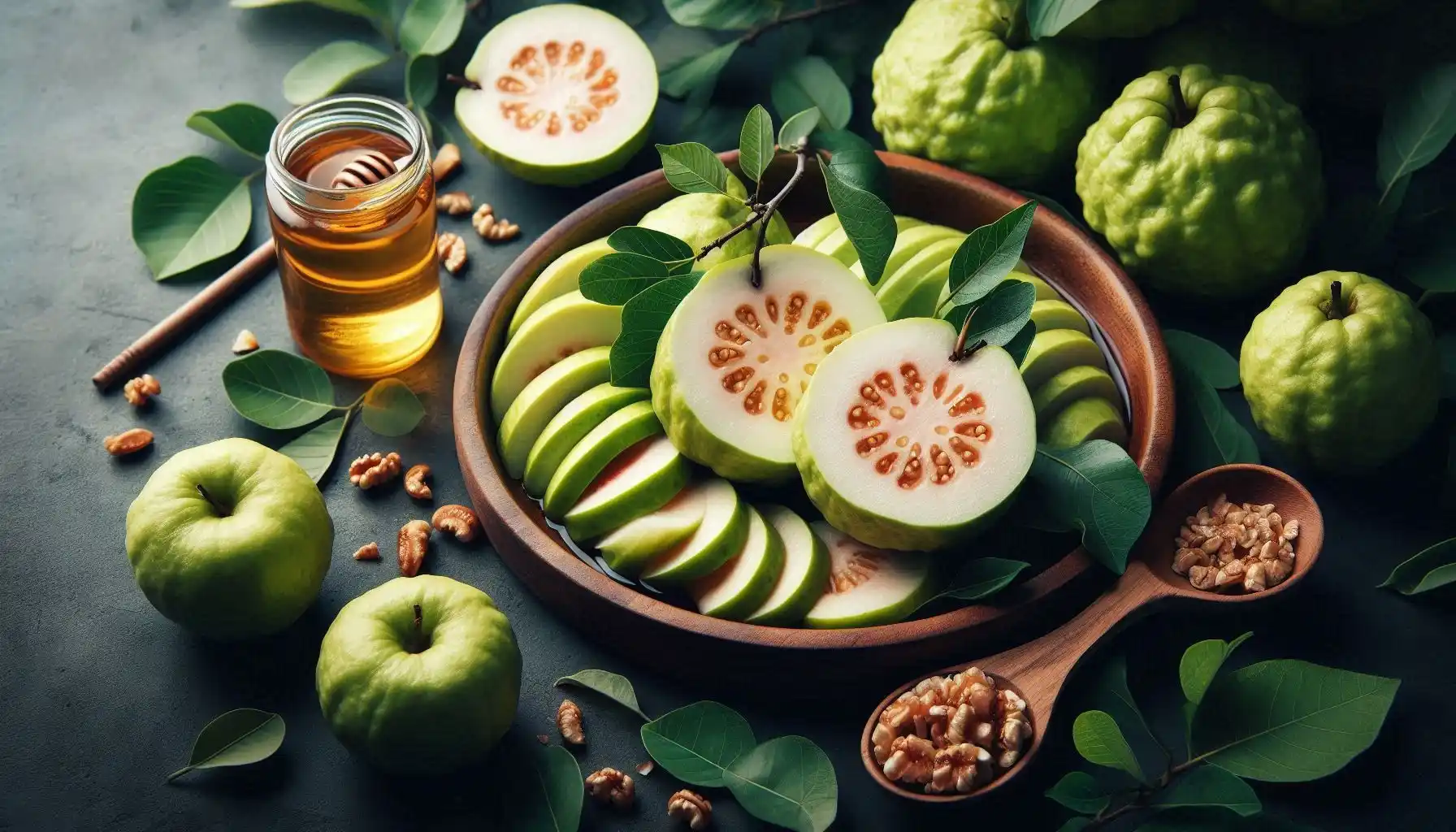
Guava fruit, also known as Psidium guajava, is a native of Central and South America, and is now widely cultivated in many tropical and subtropical regions around the world. This fruit is a member of the Myrtaceae family, and is closely related to other popular fruits such as eucalyptus and clove. Guavas are small, oval-shaped fruits with a smooth, thin skin that ranges in color from yellow to green to red, depending on the stage of ripeness. The flesh of the fruit is juicy and sweet, with a flavor that is often described as a combination of strawberry, pear, and pineapple.
“Let food be thy medicine and medicine be thy food.” – Hippocrates
This ancient Greek quote highlights the importance of nutrition in maintaining our health and preventing disease. Guava fruit is an excellent example of a food that can be used as medicine, due to its numerous health benefits and nutritional properties.

Nutritional Profile of Guava Fruit
Guava fruit is an excellent source of essential vitamins, minerals, and antioxidants. One cup of guava fruit contains:
| Nutrient | Amount |
| Vitamin C | 250mg |
| Potassium | 520mg |
| Fiber | 5g |
| Vitamin A | 10% of the Daily Value (DV) |
| Vitamin K | 10% of the DV |
| Folate | 10% of the DV |
| Copper | 10% of the DV |
In addition to these essential nutrients, guava fruit also contains a range of phytochemicals, including flavonoids, carotenoids, and phenolic acids, which have been shown to have anti-inflammatory and antioxidant effects.
Health Benefits of Guava Fruit
Guava, a tropical fruit widely cherished for its unique flavor and nutritional richness, offers an impressive array of health benefits. Native to Central America but cultivated in many parts of the world, guava is often recognized for its sweet and tangy taste, vibrant color, and versatility in culinary uses. Beyond its delicious flavor, guava packs a powerful nutritional punch that supports overall health in various ways. In this comprehensive overview, we will explore the extensive health benefits of guava fruit, supported by its rich nutrient profile and bioactive compounds.
Guava is a low-calorie fruit, yet it is densely packed with essential nutrients and antioxidants. It contains:
Vitamin C: Guava is exceptionally rich in vitamin C, often containing four times the amount found in oranges. This vitamin is crucial for immune function, skin health, and antioxidant protection.
Dietary Fiber: Guava provides a significant amount of dietary fiber, which supports digestive health and helps regulate blood sugar and cholesterol levels.
Vitamins A, B-complex (including folate), and K: These vitamins contribute to vision, energy metabolism, and blood clotting.
Minerals: Guava contains potassium, magnesium, and manganese, which are important for cardiovascular health, bone strength, and enzymatic functions.
Antioxidants: Guava is rich in antioxidants such as lycopene, quercetin, and carotenoids, which protect the body against oxidative stress and inflammation.
Immune System Support
One of the most notable benefits of guava is its ability to boost the immune system. The fruit’s high vitamin C content plays a vital role in enhancing immune responses. Vitamin C stimulates the production and function of white blood cells, which are essential for fighting infections. Regular consumption of guava can help reduce the duration and severity of common illnesses such as colds and flu.
Moreover, vitamin C acts as a potent antioxidant, protecting immune cells from damage by free radicals. This antioxidant protection is vital for maintaining a healthy immune system and preventing chronic diseases.
Digestive Health
Guava’s high fiber content makes it an excellent fruit for promoting digestive health. Dietary fiber adds bulk to the stool and facilitates regular bowel movements, which helps prevent constipation. Additionally, fiber supports the growth of beneficial gut bacteria, which are important for a healthy digestive tract.
The fruit also contains natural enzymes that aid digestion by breaking down complex carbohydrates. This can help reduce bloating and other digestive discomforts. Guava’s anti-inflammatory properties may further soothe the digestive tract, making it useful for individuals with conditions like irritable bowel syndrome (IBS).
Heart Health
Guava has several heart-protective benefits primarily due to its potassium, fiber, and antioxidant content. Potassium is an essential mineral that helps regulate blood pressure by balancing sodium levels in the body. Consuming potassium-rich foods like guava can help lower high blood pressure, reducing the risk of heart disease and stroke.
The fiber in guava helps lower LDL (bad) cholesterol levels by binding to cholesterol in the digestive system and preventing its absorption into the bloodstream. Lowering cholesterol reduces the risk of plaque buildup in arteries, thus preventing atherosclerosis and improving cardiovascular health.
Antioxidants such as lycopene and quercetin present in guava also protect the heart by reducing oxidative stress and inflammation, which are common contributors to heart disease.
Blood Sugar Control
Guava may be beneficial for people living with diabetes or those at risk of developing the condition. The fruit’s low glycemic index and high fiber content help regulate blood sugar levels by slowing the absorption of sugar into the bloodstream. This avoids rapid spikes and crashes in blood glucose, which are harmful to metabolic health.
Studies have suggested that guava extracts can improve insulin sensitivity and reduce blood sugar levels, although more research is needed to confirm these effects in humans. Including guava as part of a balanced diet can be a natural way to support blood sugar management.
Weight Management
Due to its low calorie content and high fiber, guava can be a great addition to a weight management plan. Fiber promotes feelings of fullness and satiety, reducing overall calorie intake. Eating guava as a snack or part of a meal can help curb hunger and prevent overeating.
Moreover, the fruit’s natural sugars provide a healthy source of energy without the excessive calories found in processed sweets. Guava’s rich nutrient profile also ensures that the body receives essential vitamins and minerals, supporting overall metabolism and energy balance.
Skin Health
The antioxidants and vitamins in guava offer multiple benefits for skin health. Vitamin C is essential for collagen synthesis, a structural protein that maintains skin elasticity and firmness. Adequate collagen production helps reduce the appearance of wrinkles and fine lines, promoting youthful skin.
Antioxidants in guava fight free radicals that cause oxidative damage to skin cells, which can lead to premature aging, dark spots, and uneven skin tone. Additionally, guava has anti-inflammatory properties that can soothe irritated skin and reduce redness.
Topical use of guava extracts in some traditional remedies has been reported to help treat acne and skin infections, although scientific evidence is limited. Consuming guava regularly supports skin health from within by providing the necessary nutrients and protection.
Eye Health
Guava contains significant amounts of vitamin A and carotenoids, which are vital for maintaining good vision and eye health. Vitamin A is crucial for the function of the retina and helps prevent conditions like night blindness and age-related macular degeneration.
The antioxidants in guava also protect the eyes from oxidative damage caused by exposure to sunlight and environmental pollutants. Regular consumption of guava can contribute to preserving long-term eye health and reducing the risk of vision problems.
Anti-Cancer Properties
Emerging research suggests that guava may have potential anti-cancer effects due to its rich antioxidant profile. Compounds like lycopene, quercetin, and vitamin C have been shown to inhibit the growth of cancer cells and reduce inflammation, which is often linked to cancer development.
Lycopene, in particular, is associated with a lower risk of certain cancers, including prostate and breast cancer. While guava alone cannot prevent or cure cancer, its inclusion in a balanced diet may provide supportive benefits in cancer prevention.
Anti-Inflammatory and Pain Relief
Guava has anti-inflammatory properties that can help reduce inflammation in the body, which is a common factor underlying many chronic diseases, including arthritis. Some traditional medicine practices use guava leaves and fruit extracts to relieve pain and inflammation.
While more clinical research is needed, the natural compounds found in guava may provide mild relief from inflammatory conditions and support overall health by modulating the body’s inflammatory response.
Guava is a nutrient-dense fruit with a wide range of health benefits. From boosting the immune system and improving digestion to supporting heart health and managing blood sugar, guava provides comprehensive support for overall wellness. Its rich antioxidant content helps protect against chronic diseases and promotes healthy skin, eyes, and weight management.
Incorporating guava into your diet is simple and enjoyable, whether eaten fresh, juiced, or added to smoothies and salads. As part of a balanced diet, guava can enhance your nutritional intake and contribute to long-term health. However, individuals with specific health conditions or allergies should consult a healthcare provider before making guava a regular part of their diet.
How to Incorporate Guava Fruit into Your Diet
Incorporating guava fruit into your diet can be easy and delicious. Here are some ways to enjoy guava fruit:
- Eat it fresh: Enjoy guava fruit as a fresh snack, or add it to salads and smoothies.
- Make guava juice: Juice guava fruit and drink it as a healthy beverage.
- Add to recipes: Use guava fruit in jams, preserves, and sauces.
- Try guava supplements: If you can’t find fresh guava fruit, consider taking guava supplements in the form of capsules or powder.
Some tips for selecting and storing guava fruit include:
- Choose ripe fruit: Select guava fruit that is slightly soft to the touch and has a sweet, fruity aroma.
- Store in the refrigerator: Store guava fruit in the refrigerator to keep it fresh for up to 5 days.
- Freeze for later: Freeze guava fruit to enjoy it later in smoothies and baked goods.
Conclusion
In conclusion, guava fruit is a nutrient-dense superfood that offers a range of health benefits, from boosting the immune system to supporting healthy digestion and bones. With its rich array of vitamins, minerals, and antioxidants, guava fruit is an excellent addition to a healthy diet. Whether you enjoy it fresh, juiced, or in recipes, guava fruit is a delicious and nutritious way to support your overall health and wellbeing. As we continue to explore the many wonders of the fruit world, we are reminded of the importance of nutrition in maintaining our health and preventing disease. So go ahead, give guava fruit a try, and experience the miraculous health benefits for yourself!
FAQs
1. How can guava be consumed for maximum health benefits?
Answer: Guava can be consumed in various forms to maximize its health benefits. You can eat it raw, blend it into smoothies, add it to salads, or use it in desserts. To retain the maximum nutrients, consume it raw with the skin, as it contains high levels of fiber and vitamins. Making juice or smoothies can also preserve many of its nutrients, especially if you include the seeds.
2. How much guava should one consume daily for optimal health?
Answer: A general guideline is to consume 1 to 2 medium-sized guavas or about 150-200 grams of guava per day. This portion offers a good balance of vitamins, minerals, and fiber without excessive caloric intake. However, individual dietary needs may vary based on factors such as age, gender, and overall health.
3. Can guava be taken daily?
Answer: Yes, guava can be consumed daily as part of a balanced diet. It is rich in vitamins A, C, and E, as well as dietary fiber and antioxidants. Regular consumption can support immune function, digestive health, and overall wellness. However, it’s essential to include a variety of fruits and vegetables in your diet.
4. Are there any side effects if guava is over-consumed?
Answer: While guava is generally safe and healthy, overconsumption can lead to some side effects. Eating too much may result in digestive issues such as bloating, gas, or diarrhea due to its high fiber content. Additionally, excessive intake may cause discomfort for individuals with certain conditions (like irritable bowel syndrome). Moderation is key, so it’s important to listen to your body and adjust your intake if you experience any adverse effects.
5. Is there a specific time of day that’s best to consume guava?
Answer: There isn’t a specific time that is best for consuming guava. You can enjoy it in the morning as part of breakfast, in snacks throughout the day, or in salads and desserts. Consuming it before meals can potentially aid digestion, thanks to its fiber content.
6. Can consuming guava improve skin health?
Answer: Yes, guava is beneficial for skin health due to its high levels of vitamin C and antioxidants, which can help combat free radicals and support collagen production. Regular consumption can thus promote healthier, more radiant skin.
7. Should guava be eaten with or without seeds?
Answer: Guava seeds are edible and provide additional dietary fiber. Eating guava with seeds can further enhance your fiber intake, which is beneficial for digestion. However, if you are sensitive to seeds or experience discomfort, you can consume seedless varieties or remove the seeds before eating.
Medical Disclaimer:
The information provided on this website is for general educational and informational purposes only and is not intended as a substitute for professional medical advice, diagnosis, or treatment. Always seek the advice of your physician or other qualified health provider with any questions you may have regarding a medical condition. Never disregard professional medical advice or delay in seeking it because of something you have read on this website.
