
Table of Contents
The End of the Expensive Urine Era: How Nanotechnology is Rewriting the Rules of Supplements
If you are health-conscious, you likely have a cabinet that looks like a small pharmacy. You’ve read the clinical trials. You know you need Magnesium for your muscles, Curcumin for your joints, Vitamin D for your immune system, and CoQ10 for your heart. You spend hundreds of dollars a month on the highest quality, most heavily marketed, “organic,” “cold-processed” capsules on the market.
Yet, you still feel sluggish. Your joints still ache. Your stress levels haven’t budged. You swallow handfuls of pills every morning, hoping for a biological breakthrough, but the scale hasn’t moved, and your brain fog persists.
Why?
Because you are likely suffering from the biggest open secret in the $150 billion global nutritional supplement industry: You are not what you eat; you are what you absorb.

The dirty reality of traditional vitamins is that the human digestive system is a highly volatile, incredibly harsh environment designed to break down food and destroy foreign invaders—not to gently extract delicate, fragile nutrient molecules. When you swallow that premium Curcumin capsule or that massive pill of Resveratrol, stomach acids immediately begin degrading it. Your liver views these high-dose compounds as toxins and aggressively filters them out to protect your system. By the time the nutrient reaches your bloodstream—the only place it can actually do its job—you are absorbing a measly 5% to 10% of what you paid for.
The rest? It is quite literally flushed down the toilet. Scientists and nutritionists jokingly refer to this phenomenon as “expensive urine.”
But what if you could trick the body? What if you could shrink a nutrient down so small that it slips right past the destructive stomach acid, bypasses the liver’s aggressive filtering mechanisms, and absorbs directly into your cells at near 100% efficiency?
This isn’t science fiction. It is not a concept from a cyberpunk novel. It is the dawn of a new era in human health and functional medicine. Welcome to the world of Next-Gen Supplements, where the convergence of quantum physics, cellular biology, and nanotechnology is fundamentally changing what it means to take a vitamin.
The Digestive Gauntlet: Why Traditional Supplements Fail Miserably
To truly understand why nanotechnology is a modern miracle, you must first understand the formidable, almost hostile obstacle course that is your gastrointestinal (GI) tract.
When you swallow a traditional pill, powder, or capsule, it enters the mouth, travels down the esophagus, and drops into the stomach. The stomach is a highly acidic cauldron, maintaining a pH as low as 1.5. This hydrochloric acid is absolutely essential for killing pathogenic bacteria and breaking down dense proteins, but it is an absolute death sentence for many delicate phytonutrients, probiotics, and vitamins.
The material that survives this acidic bath is pushed into the small intestine, which is where the actual absorption of nutrients is supposed to take place. The lining of your small intestine is covered in millions of tiny, finger-like projections called villi, which are themselves covered in even smaller projections called microvilli. Together, they create a massive surface area—roughly the size of a tennis court—designed to absorb nutrients and pass them into the bloodstream.
However, the intestinal villi are incredibly picky. They do not just let anything pass through their cellular walls. Absorption is governed by something called tight junctions—microscopic gates that only allow particles of a very specific size, charge, and chemical makeup to pass through.
Here is where the fatal flaw of traditional supplements lies: many of the most powerful healing compounds on earth are lipophilic (fat-soluble) and have terrible water solubility. Curcumin (turmeric), Resveratrol (found in red wine), Quercetin, and CoQ10 are massive, bulky, awkwardly shaped molecules. When they enter the watery environment of your gut, they clump together, forming large, insoluble crystals.
Because they clump together, they become entirely too large to pass through the microscopic tight junctions of the intestinal villi. They simply sit in the gut, inert and useless.
Furthermore, anything that does manage to squeeze through the intestinal wall is immediately routed to the liver through a massive vein called the hepatic portal vein. The liver’s primary job is to detoxify the blood. When a massive, unnatural dose of a compound suddenly hits the liver, the liver panics. It identifies these high doses as potential toxins and immediately chemically alters them (a process called conjugation) to make them water-soluble so they can be excreted in the urine.
This is called First-Pass Metabolism, and it is the grim reaper of the supplement industry. First-pass metabolism can destroy up to 90% of the active ingredient in a traditional supplement before it ever has a chance to reach your systemic circulation to heal your heart, your brain, or your joints.
The result? You take 1000mg of a heavily marketed supplement, your body uses maybe 50mg, and you wonder why you don’t feel any different. The supplement industry loves this because it means you have to keep buying their product month after month, chasing a therapeutic effect that the physical laws of biology will not allow a standard pill to deliver.
Enter Nanotechnology: Shrinking the Solution to the Atomic Level
Nanotechnology involves the manipulation of matter on an atomic, molecular, and supramolecular scale—specifically, dealing with structures sized between 1 and 100 nanometers. To put that into a terrifying and beautiful perspective, a single human hair is about 80,000 nanometers wide. A red blood cell is about 7,000 nanometers wide.
When we apply this to nutrition, we are talking about shrinking nutrient particles down to sizes smaller than a cell, smaller than a bacterium, and smaller than a virus. When you change the size of a particle to the nanoscale, you fundamentally change the rules of physics, chemistry, and biology that govern it.
A nanoparticle of a nutrient does not behave like a regular nutrient. It is absorbed differently, it travels differently, and it interacts with cells differently. Here are the three primary ways nanotechnology is currently being weaponized to enhance bioavailability:
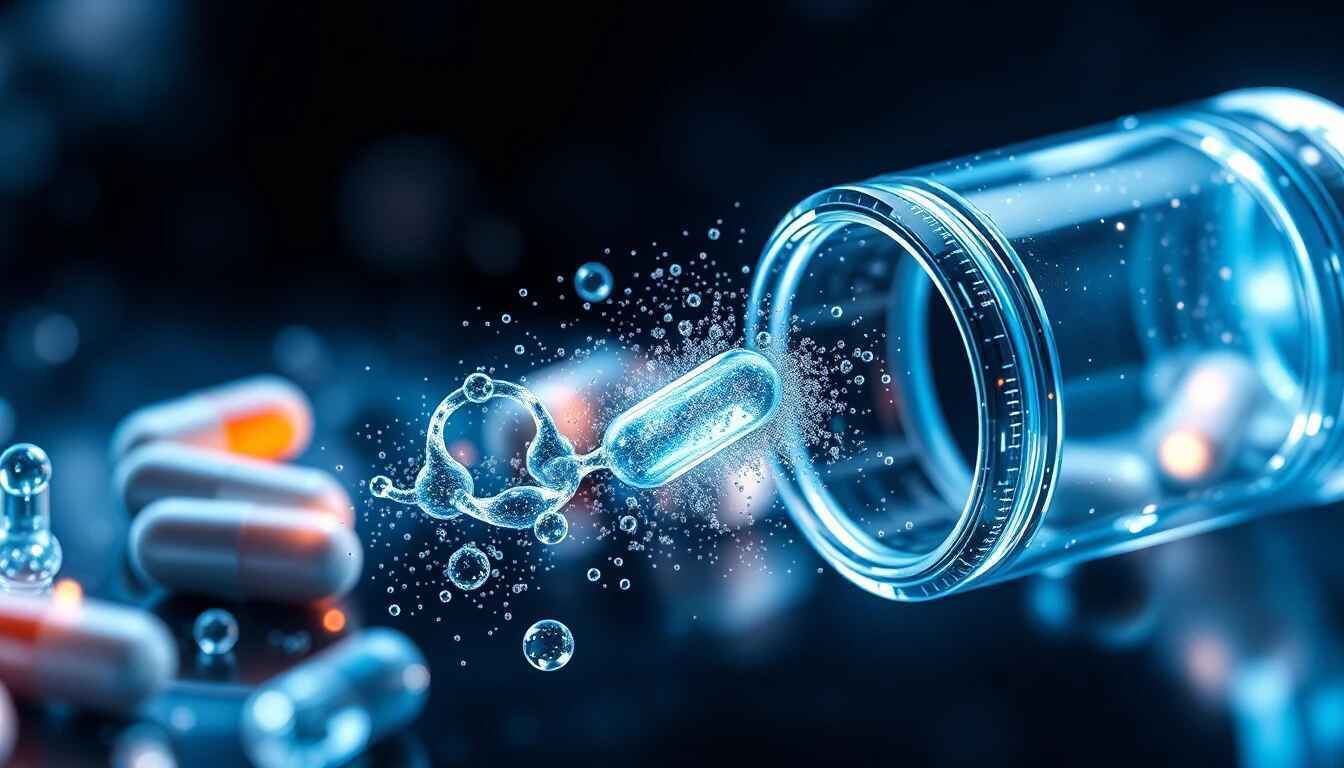
- The Liposomal Revolution: The Cellular Trojan Horse. Currently, the gold standard of next-gen supplements is Liposomal technology. Instead of just putting raw, crushed curcumin or Vitamin C into a cellulose capsule, scientists use advanced ultrasonic technology to wrap the nutrient inside a microscopic, double-layered bubble of fat called a phospholipid.
Why fat? Because the outer membrane of every single cell in your body is made of a phospholipid bilayer. It is the universal biological language of cellular boundaries.
When you ingest a liposomal supplement, the microscopic fat bubble acts as a biological shield. It protects the fragile nutrient from the destructive stomach acid. When the liposome reaches the small intestine, something miraculous happens: the liposome does not try to squeeze through the tight junctions of the villi. Instead, because it is made of the exact same fat as your intestinal cells, the liposome fuses directly with the cell membrane, exactly like two soap bubbles merging together.
It merges and dumps the nutrient directly inside the cell, completely bypassing the tight junctions and dodging the first-pass metabolism in the liver. The nutrient enters the bloodstream fully intact. Bioavailability jumps from a pathetic 5% to a staggering 90% or more. It is essentially a Trojan Horse for your cells.
- Nano-Emulsions and Micelles: Making the Undissolvable Dissolve. For nutrients that are notoriously difficult to dissolve—like CoQ10, CBD oil, or fat-soluble vitamins—scientists use high-pressure homogenization to create nano-emulsions. They forcefully break the oil droplets down into “micelles” that are so small (10-50 nanometers) that they become completely water-soluble. Even though the nutrient is fundamentally fat-soluble, the nano-micelle allows it to dissolve perfectly in the water-based environment of your gut, allowing for rapid, complete, and uniform absorption.
- Solid Lipid Nanoparticles (SLNs): The Time-Release Capsule SLNs take the physical stability of a solid pill and combine it with the massive bioavailability of a liquid. The nutrient is dissolved into a solid lipid core at room temperature, stabilized by surfactants. This allows for a slow, sustained release of the nutrient over several hours, preventing the sudden spikes and crashes associated with high-dose traditional vitamins, while maintaining the ability to bypass the digestive gauntlet.
The Game Changers: What Nanotech is Fixing Right Now
The shift to nanotechnology isn’t just a marginal improvement; it is unlocking the true, clinically proven potential of nutrients that were previously considered commercially useless because the human body simply couldn’t absorb them.
Curcumin (Turmeric): From Kitchen Spice to Biological Powerhouse. Turmeric has thousands of peer-reviewed clinical trials proving its efficacy against systemic inflammation, rheumatoid arthritis, and cognitive decline. But standard curcumin has an oral bioavailability of roughly 2%. Taking a 1000mg pill of standard turmeric is practically useless; you would need to swallow an entire bottle a day to see any clinical effect.
Nano-curcumin or liposomal curcumin, however, has been shown in human clinical trials to achieve blood concentration levels high enough to actually cross the blood-brain barrier. This means it can actively reduce neuro-inflammation, potentially slowing down the progression of Alzheimer’s and offering profound mood stabilization—effects that standard turmeric could never achieve.
Vitamin C: Replacing IV Drips Standard oral Vitamin C (ascorbic acid) causes severe gastrointestinal distress at high doses because it draws water into the intestines (osmotic diarrhea). Furthermore, your body strictly limits how much it can absorb at one time; the rest is excreted. To get therapeutic doses of Vitamin C to fight off severe infections or chronic fatigue, people have to pay hundreds of dollars for Intravenous (IV) drips. Liposomal Vitamin C allows you to take massive, therapeutic doses (5000mg+) orally with zero stomach upset, achieving blood plasma levels that rival an IV drip, all from the comfort of your home.
Glutathione: The Master Antioxidant Unleashed. Glutathione is arguably the most important molecule in the human body. It is the master antioxidant, responsible for detoxifying the liver, boosting the immune system, preventing cellular aging, and mitigating autoimmune diseases. However, eating oral glutathione is completely useless; stomach acid destroys it, and the molecule is too large to absorb. It used to only be available via expensive IV treatments. Today, liposomal glutathione allows patients to effectively raise intracellular glutathione levels simply by drinking a flavored liquid, completely revolutionizing detox protocols.
Magnesium: Curing the Epidemic of Deficiency Up to 50% of the modern population is deficient in Magnesium, a mineral required for over 300 enzymatic reactions, including DNA repair and energy production. But traditional magnesium (like magnesium oxide found in cheap supplements) absorbs at a rate of roughly 4%, acting mainly as a laxative. Nano-sized magnesium particles or advanced chelated magnesium glycinate bypass the competitive mineral absorption pathways in the gut, flooding the cells with magnesium to effectively calm the nervous system, improve deep sleep, and stop chronic muscle cramps.
The Dark Side of the Microscope: Safety, Toxicity, and The Unknown
While the science of nanotechnology in supplements is undeniably brilliant and represents a massive leap forward in human health, we must proceed with cautious optimism. When we alter the fundamental rules of biology, there are always unintended consequences.
The Good: Less Toxic Load on the Body. Because nanotech drastically increases bioavailability, you can achieve massive therapeutic effects with much lower doses of the actual nutrient. Instead of taking a 2000mg pill of a substance that stresses your liver to process 2000mg just to get 100mg into your blood, you can take a 100mg nano-dose that delivers the same 100mg directly to the cell. This dramatically reduces the toxic load on the liver and digestive system. There are fewer synthetic binders, fewer fillers, less magnesium stearate, and less physical stress on the gastrointestinal tract.
The Risks: Crossing Ancient Biological Boundaries The human body has evolved a highly specific, multi-layered defense mechanism—the GI tract, the intestinal wall, and the liver—specifically to prevent foreign particles from entering the systemic bloodstream.
When we shrink particles down to the nanoscale, they can sometimes cross barriers that nature never intended them to cross. Nanoparticles are so small that they can slip directly into the nucleus of a cell, potentially interacting with DNA. They can cross the blood-brain barrier. Perhaps most alarmingly, they can cross the placental barrier in pregnant women. While a nutrient like Vitamin C crossing the blood-brain barrier is great, we do not yet have long-term, decades-long human clinical data on how the synthetic nano-carriers (the lipids, surfactants, and polymers used to shrink the particles) accumulate in the brain, liver, or kidneys over a lifetime.
Furthermore, if a nutrient is delivered at 100% efficiency, it is much easier to accidentally overdose on fat-soluble vitamins (A, D, E, K). Traditional supplements had a built-in “safety buffer” because 90% of the nutrients were destroyed. With nanotech, if you take too much, it all goes in, and fat-soluble vitamins are stored in the liver and can become highly toxic at high levels.
The Marketing Minefield. The supplement industry is notoriously unregulated by the FDA. Currently, many greedy brands slap the word “Nano,” “Liposomal,” or “Micelle” on a label purely as a marketing gimmick to justify a 300% price increase. In reality, if you put their product under an electron microscope, the particle sizes are nowhere near the nanoscale. They are just regular powders in a fancy bottle. Consumers are being tricked into paying premium prices for standard absorption rates. True liposomal and nano-manufacturing requires incredibly expensive, multi-million-dollar equipment (like high-pressure homogenizers and ultrasonic processors) that most supplement companies simply do not own.
How to Navigate the Next-Gen Supplement Market Like a Pro
As a consumer, you do not need to wait for the FDA to catch up; you can protect yourself and ensure you are getting actual nanotechnology by becoming an educated buyer.
- Look for Transparency, Not Just Buzzwords. A legitimate nanotech supplement company will not hide behind proprietary blends. They will proudly display the particle size of their product on their website or label. Look for terms like “Sub-100nm,” “<50nm particle size,” or, the ultimate proof, actual Scanning Electron Microscope (SEM) images showing the nanoparticles. If a brand claims to be liposomal but won’t provide data on liposome size, it is a scam.
- Check the Form (Liquid vs. Powder). True liposomal supplements are incredibly fragile. If you dehydrate them and put them into a dry powder capsule, the liposomes burst, and you are back to standard, unabsorbed nutrients. The vast majority of highly bioavailable nanotech supplements will be in liquid form—either a liquid gel capsule or a liquid dropper/squeeze packet.
- Look for Third-Party Bioavailability Testing Standard third-party testing (like USP or NSF) only checks for heavy metals and purity; it does not test for bioavailability. Look for brands that conduct clinical pharmacokinetic studies on human subjects, measuring the actual blood plasma levels of their nutrient compared to a standard control. If they have a graph showing a 10x or 20x increase in blood absorption, you are holding a legitimate next-gen product.
- Start Low and Go Slow Because the absorption rate is so high, you do not need the mega-doses recommended on standard supplement labels. If you are used to taking 2000mg of regular Vitamin C, do not start by taking 2000mg of liposomal Vitamin C, or you may experience a sudden, massive detox reaction (Herxheimer effect) or diarrhea. Start with a quarter or half dose and let your body adjust to actually receiving the nutrient.
The Future is Microscopic: What’s Next?
The transition from traditional supplements to nanotechnology is not a passing trend; it is the inevitable, mathematical evolution of human nutrition. As we move away from the “bludgeon” approach of mega-dosing synthetic vitamins and move toward the “scalpel” approach of targeted, cellular-level nutrient delivery, we will see chronic disease rates drop and human physical and cognitive performance skyrocket.
In the next decade, we will likely see the rise of Targeted Nanobots. These will be supplements programmed with molecular sensors that release their payload only when they detect specific biomarkers in the body. For example, a nanoparticle filled with anti-inflammatory curcumin that remains inert in the bloodstream, but only opens up and releases its contents when it physically bumps into inflamed tissue in an arthritic knee.
We will see DNA-Targeted Nano nutrients that can slip into the nucleus of a cell and directly repair mitochondrial DNA, effectively reversing biological aging at a cellular level.
We are standing at the precipice of a new era where you no longer have to choose between swallowing a handful of horse pills that wreck your stomach or spending thousands of dollars on intravenous drips at an anti-aging clinic.
The age of expensive urine is finally coming to an end. The age of intelligent, nanotech-enhanced, hyper-targeted cellular nutrition has arrived. It is time to stop swallowing dust and start feeding your cells exactly what they need to thrive.
FAQ’s
The Problem with Traditional Supplements
- What does “expensive urine” mean in the context of supplements?
It refers to the phenomenon where the body absorbs only a tiny fraction (often 5-10%) of a traditional vitamin pill, flushing the remaining 90-95% of the unused, expensive nutrients down the toilet.
- Why do I feel no difference even though I take high-quality supplements?
Because efficacy relies on absorption, not ingestion. If the supplement has poor bioavailability, the active ingredients are destroyed by stomach acid or filtered out by the liver before they can reach your bloodstream and cells.
- What is the “digestive gauntlet”?
It is the harsh journey a pill takes through the gastrointestinal tract, specifically the highly acidic stomach (pH 1.5) and the liver, both of which act to destroy or filter out large, unnatural doses of vitamins.
- What are “tight junctions” in the digestive tract?
They are microscopic gates between the cells lining your small intestine that only allow particles of a very specific, tiny size and chemical makeup to pass into the bloodstream.
- Why do powerful compounds like Curcumin and CoQ10 usually fail to work in pill form?
They are lipophilic (fat-soluble) and clump together in the watery environment of the gut. These clumps become too large to pass through the intestinal tight junctions, resulting in near-zero absorption.
- What is First-Pass Metabolism?
It is a biological “tax” enforced by the liver. When a supplement is absorbed from the gut, it goes directly to the liver first, which identifies high doses of compounds as toxins and destroys up to 90% of them before they can reach the rest of your body.
Understanding Nanotechnology in Supplements
- How small is a “nanoparticle” in a supplement?
It is between 1 and 100 nanometers in size. For comparison, a human hair is about 80,000 nanometers wide, meaning these particles are thousands of times smaller than a single strand of hair.
- Does shrinking a vitamin change how it works?
Yes. When you shrink a particle to the nanoscale, the fundamental rules of physics and chemistry change. It becomes highly soluble, easily passes through biological barriers, and interacts with cells in entirely new ways.
- What is a Liposome?
It is a microscopic, double-layered bubble made of fat (phospholipids) used to encapsulate a nutrient, protecting it from stomach acid and helping it fuse directly with human cells.
- Why are liposomes called a “Trojan Horse” for cells?
Because the outer shell of the liposome is made of the same material (phospholipids) as your own cell membranes. The body accepts the liposome as “self,” allowing it to pass through barriers and deliver the nutrient directly inside the cell.
- What is a Nano-Emulsion or Micelle?
It is a process where high pressure is used to break down fat-soluble nutrients (like CBD or CoQ10) into water-soluble, microscopic droplets (10-50 nanometers) so they can easily mix with the water-based environment of your gut.
- What are Solid Lipid Nanoparticles (SLNs)?
They are nutrients encapsulated in a solid fat core at room temperature. They offer the high bioavailability of liquids but provide a slow, sustained release of the nutrient over several hours.
Specific Nutrients and Nano-Enhancements
- Why is standard Turmeric (Curcumin) practically useless?
Standard curcumin has an oral bioavailability of roughly 2%. It clumps in the gut and is rapidly metabolized by the liver, meaning you absorb almost none of the anti-inflammatory benefits.
- What can Liposomal Curcumin do that standard Curcumin cannot?
Because of its near-100% absorption, liposomal curcumin can achieve high enough blood concentrations to cross the blood-brain barrier, actively reducing neuro-inflammation and potentially protecting against cognitive decline.
- How does Liposomal Vitamin C compare to an IV drip?
Traditional oral Vitamin C causes diarrhea at high doses and has strict absorption limits. Liposomal Vitamin C achieves blood plasma levels that rival expensive intravenous (IV) drips, but you can take it orally at home with zero stomach upset.
- Why is Glutathione called the “master antioxidant”?
It is the body’s most critical molecule for detoxifying the liver, boosting the immune system, and preventing cellular aging. However, standard oral glutathione is destroyed in the gut.
- How has nanotechnology changed Glutathione supplementation?
Before nanotech (specifically liposomal delivery), the only way to get therapeutic levels of glutathione was through expensive IV drips. Now, liposomal glutathione can effectively raise intracellular levels orally.
- Why do 50% of people need Magnesium, yet standard supplements don’t work?
Most cheap magnesium supplements (like magnesium oxide) have a 4% absorption rate and act mainly as a laxative. Nanoparticle or advanced chelated magnesium bypasses these absorption limits, actually reaching the cells to calm the nervous system and stop cramps.
Safety, Risks, and Side Effects
- Are nano-supplements actually safer than traditional pills?
In some ways, yes. Because absorption is so high, you need a much smaller physical dose of the nutrient, which means less filler, less binder, and significantly less stress on the liver and digestive tract.
- What are the hidden dangers of nanoparticle supplements?
Because they are so small, nanoparticles can cross biological boundaries that nature intended to block—such as the blood-brain barrier and the placental barrier in pregnant women. Long-term accumulation of the synthetic carrier fats in these organs is not yet fully understood.
- Can you overdose on nanotech supplements?
Yes. Traditional pills had a “safety buffer” because 90% was destroyed. With nanotech delivering nearly 100% of the nutrients, it is much easier to accidentally overdose on fat-soluble vitamins (A, D, E, K), which can become toxic in the liver.
- Are “Liposomal” and “Nano” just marketing buzzwords?
Very often, yes. The supplement industry is highly unregulated. Many brands put these words on the label to justify a 300% price increase without actually using the expensive equipment required to create true nanoparticles.
How to Buy and Use Next-Gen Supplements
- How can I tell if a nano-supplement is real or a scam?
Look for radical transparency. Legitimate companies will publish the exact particle size (e.g., “Sub-100nm”) and may even provide Scanning Electron Microscope (SEM) images proving the nanoparticle size.
- Should I buy nano-supplements in pill/powder form?
No. True liposomes are highly fragile. If they are dehydrated into a dry powder or put in a standard capsule, the liposomes burst, reverting to standard, poorly absorbed nutrients. Look for liquid forms (liquid gels, droppers, or squeeze packets).
- Does a standard “Third-Party Tested” label guarantee high absorption?
No. Standard tests (like USP or NSF) only check for heavy metals and purity; they do not test if the nutrient actually absorbs into your blood. You must look for brands that conduct clinical pharmacokinetic (blood-level) studies on humans.
- How should I dose a nanotech supplement compared to a traditional one?
Start much lower. Because the absorption rate is exponentially higher, taking a “mega-dose” of a liposomal vitamin could cause a sudden, massive detox reaction (Herxheimer effect). Start with a quarter or half of the standard recommended dose.
The Future of the Industry
- Will nanotechnology make traditional vitamins obsolete?
Eventually, yes, for high-potency therapeutic nutrients. As manufacturing costs drop, the clear superiority of nanotech delivery will phase out the outdated model of swallowing massive, unabsorbed pills.
- What are “Targeted Nanobots” in nutrition?
This is the next frontier: supplements programmed with molecular sensors that stay inert in your blood, but only release their payload (like an anti-inflammatory) when they physically bump into a specific diseased tissue, like an arthritic joint.
- What is “DNA-Targeted Nanonutrition”?
A theoretical future technology where nanoparticles are designed to slip directly into the nucleus of a cell to repair mitochondrial DNA, effectively reversing biological aging at a microscopic level.
- Why is this considered the end of the “expensive urine” era?
Because nanotechnology eliminates the biological bottlenecks (stomach acid and first-pass metabolism) that previously forced the body to excrete 90% of ingested vitamins. Now, nearly 100% of what you pay for actually reaches your cells.
Medical Disclaimer:
The information provided on this website is for general educational and informational purposes only and is not intended as a substitute for professional medical advice, diagnosis, or treatment. Always seek the advice of your physician or other qualified health provider with any questions you may have regarding a medical condition. Never disregard professional medical advice or delay in seeking it because of something you have read on this website.
