
Table of Contents
Optimizing Lymphatic Function: A Clinical Guide to Natural Immune Modulation
Consider a patient, a 42-year-old female with no significant past medical history, who presents with recurrent episodes of mild upper respiratory infections, persistent low-grade fatigue, and subjective swelling of the extremities after prolonged travel or sitting. Her physical examination reveals no edema at rest, but there is slight pitting edema in the ankles after six hours of standing. Laboratory workup excludes autoimmune disorders, thyroid dysfunction, and cardiac insufficiency. Despite a healthy diet and regular exercise, she reports feeling “stuck” and sluggish, particularly in the mornings. This clinical picture, while non-specific, often points toward suboptimal lymphatic tone and delayed interstitial fluid clearance. The lymphatic system, frequently overshadowed by the cardiovascular system in clinical education, serves as the critical drainage and surveillance network for the body’s immune response. When lymphatic flow is compromised, the clearance of metabolic waste, toxins, and pathogens is delayed, leading to a state of chronic, low-grade inflammation and reduced immuno surveillance.
The lymphatic system is not merely a passive drain; it is an active, dynamic organ system that regulates fluid balance, absorbs dietary fats, and facilitates the trafficking of immune cells between tissues and lymph nodes. Disruptions in this system, whether due to sedentary behavior, chronic stress, or dietary imbalances, can precipitate a cascade of clinical symptoms ranging from subtle brain fog to overt lymphedema. Understanding the physiology of lymphatic flow—specifically the mechanisms of intrinsic contractility and extrinsic compression—is essential for clinicians advising patients on preventive health strategies. This piece examines the anatomical and physiological underpinnings of lymphatic health, outlining evidence-based, natural interventions that can enhance lymphatic circulation and bolster innate immunity.
This guide establishes the foundational principles of lymphatic physiology, delineates the clinical presentation of lymphatic insufficiency, and provides a structured approach to management through daily habits. By focusing on simple, actionable habits such as hydration, mechanical stimulation, and respiratory mechanics, clinicians can offer patients practical, low-risk strategies to optimize their immune function. The goal is to move beyond the binary view of “sick vs. healthy” and recognize the spectrum of lymphatic efficiency that influences overall resilience to infection and inflammation.
Definition and Overview of the Lymphatic System
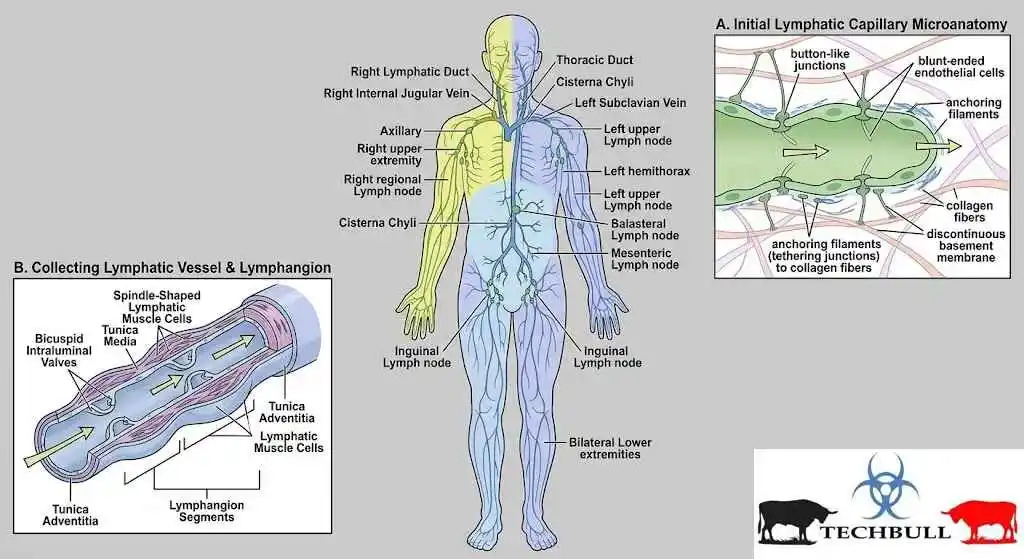
The lymphatic system is a closed-loop network of vessels, nodes, and organs that operates parallel to the cardiovascular system. Its primary functions include the return of excess interstitial fluid to the bloodstream, the absorption of dietary lipids via lacteals in the small intestine, and the transport of immune cells (lymphocytes, macrophages, and dendritic cells) to lymph nodes for antigen presentation. Unlike the heart, which provides a centralized pump for the blood, the lymphatic system relies on a combination of intrinsic vessel contraction and extrinsic forces such as skeletal muscle movement, arterial pulsation, and respiratory pressure changes to propel lymph fluid.

Lymph, derived from interstitial fluid, is a clear, colorless fluid containing white blood cells, particularly lymphocytes. It travels through a series of valves that prevent backflow, ensuring unidirectional movement toward the venous circulation. The system is divided into two main ducts: the thoracic duct, which drains the majority of the body, and the right lymphatic duct, which drains the right upper quadrant. The efficiency of this system is crucial for maintaining homeostasis; when flow is sluggish, toxins and inflammatory mediators accumulate in the interstitium, potentially leading to cellular dysfunction and impaired immune response.
Relevant Anatomy and Mechanism
To understand how to boost lymphatic health, one must first appreciate the anatomical structures involved. The lymphatic capillaries are highly permeable, allowing large particles like proteins and pathogens to enter from the interstitial space. These capillaries merge into larger vessels, which contain smooth muscle cells and internal valves. The smooth muscle cells in the lymphatic walls exhibit spontaneous contractility, known as lymphangion activity, which pumps lymph forward. This intrinsic mechanism is modulated by external factors, including sympathetic nerve activity and mechanical stretch.
The lymph nodes act as filtration stations. As lymph flows through them, macrophages phagocytose debris and pathogens, while dendritic cells present antigens to T-cells, initiating an adaptive immune response. The structure of the lymph node itself, with its cortical and medullary regions, is optimized for this immune surveillance. Damage or congestion in the lymph nodes can lead to lymphedema, a condition characterized by the accumulation of protein-rich fluid in the tissues, leading to fibrosis and chronic inflammation.
Physiology and Pathophysiology
In a healthy state, lymphatic flow is efficient and responsive to bodily movements. The rate of lymph flow can increase significantly during exercise or physical activity due to the compression of lymphatic vessels by surrounding muscles. The respiratory pump also plays a critical role; the negative intrathoracic pressure during inspiration draws lymph into the thoracic duct, while the positive intra-abdominal pressure during expiration aids in propelling lymph from the lower extremities.
When this physiology is disrupted, several pathological states can emerge. Chronic venous insufficiency often leads to secondary lymphatic overload, as the lymphatic system struggles to handle the excess fluid filtered from the capillaries. Sedentary lifestyles reduce the extrinsic pumping mechanism, leading to stasis. Stasis allows for the accumulation of inflammatory cytokines, creating a pro-inflammatory environment that can exacerbate conditions like arthritis, allergies, and autoimmune disorders. Furthermore, the brain has its own glymphatic system, a subset of the lymphatic system that clears waste products like beta-amyloid during sleep. Disruptions in this system are linked to neurodegenerative conditions.
Classification of Lymphatic Dysfunction
Lymphatic dysfunction can be classified into primary and secondary causes, each with distinct etiologies and clinical presentations.
- Primary Lymphedema: Caused by congenital or developmental abnormalities of the lymphatic vessels. This may present at birth (congenital), at puberty (praecox), or later in life (tarda). It is often genetic and affects specific regions like the legs or arms.
- Secondary Lymphedema: Resulting from damage to previously normal lymphatic vessels. Common causes include cancer treatment (surgery or radiation), infection (filariasis in tropical regions, or recurrent cellulitis), trauma, or chronic venous insufficiency.
- Functional Lymphatic Insufficiency: A reversible state where the lymphatic system is structurally normal but functionally impaired due to lifestyle factors such as sedentary behavior, poor hydration, or chronic stress. This is the primary target for natural interventions.
- Lymphatic Congestion: A state of sluggish flow without overt edema, often associated with systemic inflammation, allergies, or post-viral syndromes.
Clinical Vignette: Case Study in Lymphatic Optimization
Patient Profile: 58-year-old male, BMI 24, history of hypertension (well-controlled), no history of cancer or surgery.
History: Reports feeling “heavy” in his legs after long days at work. Experiences occasional bloating and mild joint stiffness. No diagnosed autoimmune disease. Takes a daily multivitamin and aspirin.
Examination: No visible edema at rest. Bilateral pitting edema (1+) after 4 hours of sitting. Lymph nodes in the inguinal and axillary regions are palpable but non-tender and mobile. Skin integrity is normal.
Investigations: Complete blood count and metabolic panel within normal limits. Ultrasound of lower extremities shows no deep vein thrombosis. Lymphoscintigraphy shows delayed clearance time but no obstruction.
Diagnosis and Management: Diagnosis is functional lymphatic insufficiency with secondary venous contribution. Management plan includes: 1) Daily manual lymphatic drainage self-massage, 2) Hydration optimization (2.5L water daily), 3) Regular low-impact exercise (walking, swimming), 4) Dietary anti-inflammatory support, 5) Elevation of legs for 15 minutes post-work. Follow-up in 3 months shows significant reduction in leg heaviness and improved joint mobility.
Associated Conditions and Differentials
Lymphatic dysfunction is often comorbid with or contributes to a wide range of conditions. It is crucial to distinguish between primary lymphatic disorders and systemic conditions that secondarily affect lymph flow.
- Chronic Venous Insufficiency: Often co-exists with lymphatic issues; venous hypertension can damage lymphatic valves.
- Fibromyalgia: Some researchers hypothesize that poor lymphatic clearance of inflammatory mediators contributes to the widespread pain and fatigue.
- Allergies and Autoimmunity: Lymph nodes are central to immune regulation; congestion can impair antigen processing, potentially worsening allergic responses.
- Brain Fog and Neurodegeneration: Impaired glymphatic clearance is linked to cognitive decline.
- Cellulitis: Recurrent infections can scar lymphatic vessels, leading to a vicious cycle of infection and swelling.
- Obesity: Adipose tissue can compress lymphatic vessels and produce inflammatory cytokines that impair lymphatic function.
Comparison Table: Lymphatic Health Indicators
| Feature | Optimal Lymphatic Function | Impaired Lymphatic Function |
| Fluid Balance | Efficient clearance; no swelling | Retention of fluid; pitting edema |
| Immune Response | Rapid resolution of infections | Recurrent or prolonged infections |
| Energy Levels | Consistent throughout the day | Fatigue, especially in the afternoon |
| Skin Condition | Clear, elastic, well-hydrated | Dry, thickened, or brawny texture |
| Gastrointestinal Health | Regular bowel movements, no bloating | Bloating, constipation, sluggish digestion |
Evidence-Based Management: 5 Daily Habits for Lymphatic Health
- Prioritize Hydration with Electrolyte Balance
Lymph is primarily water. Dehydration leads to viscous, sluggish lymph that is harder to pump. However, simply drinking water is not enough; electrolytes, particularly sodium and potassium, are required to maintain osmotic pressure and fluid balance within the vessels. Patients should be advised to consume at least 2–3 liters of water daily, preferably with a pinch of sea salt and lemon to enhance absorption and stimulate bile flow, which aids in detoxification. Avoiding excessive diuretics like caffeine and alcohol is also crucial, as they can contribute to dehydration and lymphatic stasis. - Engage in Regular, Low-Impact Movement
The lymphatic system lacks a central pump, relying heavily on muscle contraction to move fluid. High-intensity exercise can sometimes be too stressful for a compromised lymphatic system, leading to inflammation. Instead, low-impact activities like walking, swimming, yoga, and rebounding (jumping on a mini-trampoline) are ideal. Rebounding, in particular, is highly effective because the gravitational changes during jumping open and close lymphatic valves, promoting unidirectional flow. Patients should aim for 30 minutes of daily movement, focusing on rhythmic, repetitive motions that engage the core and limb muscles. - Practice Diaphragmatic Breathing
The thoracic duct, which drains most of the body’s lymph, empties into the venous system near the heart. Diaphragmatic breathing creates pressure differentials that facilitate this flow. Deep breaths expand the thoracic cavity, creating negative pressure that draws lymph upward. Patients should be taught to practice diaphragmatic breathing for 5–10 minutes daily. This can be done lying down or sitting, focusing on expanding the abdomen rather than the chest. This practice not only aids lymphatic flow but also activates the parasympathetic nervous system, reducing stress-induced inflammation. - Utilize Dry Brushing and Self-Massage
Mechanical stimulation of the lymphatic vessels can enhance flow. Dry brushing, using a natural bristle brush, involves long, gentle strokes toward the heart, starting from the extremities and moving proximally. This technique stimulates the skin and underlying lymphatic vessels, promoting drainage. Self-massage, or manual lymphatic drainage (MLD), involves light, rhythmic pressure to move lymph toward the nearest lymph node clusters. Patients should be advised to perform these techniques daily, preferably in the morning, to “prime” the system for the day’s activities. - Optimize Dietary Intake for Anti-Inflammation
Diet plays a significant role in lymphatic health. Foods high in omega-3 fatty acids (fatty fish, flaxseeds, walnuts) reduce inflammation and improve membrane fluidity. Cruciferous vegetables (broccoli, cauliflower, kale) contain sulforaphane, which supports liver detoxification and reduces oxidative stress. Herbal teas like ginger, turmeric, and dandelion root have diuretic and anti-inflammatory properties that can aid lymphatic flow. Patients should be encouraged to reduce processed sugars and saturated fats, which can promote inflammation and lymphatic congestion.
The lymphatic system is a silent hero of the human body, often overlooked until it fails. By understanding its physiology and implementing simple, daily habits such as hydration, movement, breathing, mechanical stimulation, and anti-inflammatory diet, patients can significantly enhance their immune function and overall well-being. The key takeaway is that lymphatic health is not static; it is dynamic and responsive to lifestyle choices. Clinicians should view lymphatic optimization as a preventive strategy, reducing the burden of chronic inflammation and enhancing resilience to infection. Red flags such as persistent edema, recurrent infections, or unexplained weight loss should prompt further investigation to rule out primary lymphatic disorders or systemic disease.
FAQs
- What is the primary function of the lymphatic system?
The primary functions are fluid balance, lipid absorption, and immune cell transport. It removes waste from tissues and facilitates immune surveillance. - How does hydration affect lymphatic flow?
Adequate hydration keeps lymph fluid less viscous, allowing it to flow more easily through the vessels and valves. - What is manual lymphatic drainage (MLD)?
MLD is a specialized massage technique that uses light, rhythmic pressure to stimulate lymph flow toward the lymph nodes. - Can exercise improve lymphatic health?
Yes, regular movement, especially low-impact exercise, compresses lymphatic vessels and promotes fluid movement. - What is lymphedema?
Lymphedema is the accumulation of protein-rich fluid in tissues due to lymphatic blockage or damage, causing swelling. - How does breathing affect lymphatic flow?
Diaphragmatic breathing creates pressure changes in the thorax and abdomen that help pump lymph toward the heart. - What foods support lymphatic health?
Anti-inflammatory foods like omega-3s, cruciferous vegetables, and ginger support lymphatic function and reduce congestion. - Can dry brushing help lymphatic health?
Dry brushing stimulates the skin and lymphatic vessels, promoting drainage and improving circulation when done gently. - What is the difference between primary and secondary lymphedema?
Primary is genetic; secondary is caused by damage from surgery, radiation, or infection. - Does caffeine dehydrate the lymphatic system?
Yes, caffeine is a diuretic and can contribute to dehydration, making lymph fluid thicker and slower to flow. - How does stress impact lymphatic function?
Stress triggers the release of cortisol, which can increase inflammation and impair immune cell trafficking in the lymph nodes. - What is the glymphatic system?
The glymphatic system is the brain’s waste clearance system, removing toxins like beta-amyloid during sleep. - Can lymphatic congestion cause brain fog?
Yes, poor glymphatic clearance can lead to the accumulation of metabolic waste in the brain, contributing to cognitive fog. - Is rebounding effective for lymphatic health?
Yes, the gravitational changes during jumping open and close lymphatic valves, significantly enhancing flow. - How long does it take to see improvements in lymphatic health?
Improvements can be seen within weeks of consistent lifestyle changes, though chronic conditions may take longer. - Should people with heart failure avoid lymphatic massage?
Yes, because lymphatic massage increases fluid return to the heart, which could exacerbate heart failure symptoms. - What are the signs of poor lymphatic health?
Signs include persistent swelling, fatigue, frequent infections, bloating, and skin changes. - Can obesity affect lymphatic function?
Yes, excess adipose tissue can compress lymphatic vessels and produce inflammatory cytokines that impair function. - What is the role of the spleen in the lymphatic system?
The spleen filters blood, removes old red blood cells, and stores immune cells, acting as a secondary lymphoid organ. - How does sleep affect lymphatic health?
Sleep, particularly deep sleep, enhances glymphatic clearance and reduces systemic inflammation, supporting overall lymphatic health. - Can yoga improve lymphatic flow?
Yes, yoga poses that invert the body or compress the abdomen can facilitate lymph drainage and reduce stress. - What is the difference between lymph and blood?
Lymph is clear and contains white blood cells; blood contains red and white blood cells, platelets, and plasma. - Does age affect lymphatic function?
Yes, lymphatic vessel elasticity and valve function decline with age, leading to slower flow and increased risk of edema. - Can alcohol consumption impact lymphatic health?
Yes, alcohol causes dehydration and inflammation, which can impair lymphatic flow and immune function. - What is the thoracic duct?
The thoracic duct is the largest lymphatic vessel, draining lymph from most of the body into the venous system. - How does the immune system interact with the lymphatic system?
Lymph nodes filter lymph, presenting antigens to immune cells to initiate an adaptive immune response. - Can dehydration cause lymphatic congestion?
Yes, dehydration makes lymph viscous, leading to slower flow and potential congestion in tissues. - What are lymph nodes?
Lymph nodes are small, bean-shaped organs that filter lymph and house immune cells for antigen processing. - Is lymphatic health important for skin health?
Yes, proper lymphatic drainage removes toxins and excess fluid, leading to clearer, more elastic skin. - When should I see a doctor for lymphatic issues?
Consult a doctor if you experience persistent swelling, recurrent infections, or unexplained weight loss.
Medical Disclaimer :
This article is for educational purposes only and does not constitute medical advice, diagnosis, or treatment. Always seek the advice of your physician or other qualified health provider with any questions you may have regarding a medical condition. Never disregard professional medical advice or delay in seeking it because of something you have read in this article.
