
Table of Contents
The romance of train travel is alive, but exorbitantly expensive for normal people.
Train travel has long been a symbol of adventure, nostalgia, and unspoiled beauty. Unlike the hurried pace of air travel or the solitude of driving, trains offer a unique blend of relaxation and exploration, allowing passengers to take in the rolling landscapes as their journey unfolds. For many, there is an undeniable charm in watching the world pass by through the window, from the shimmering treetops in late afternoon light to the sweeping views of mountain ranges and distant coastlines. The rhythmic clatter of wheels on tracks, the soft hum of the engine, and the gentle sway of the carriages all contribute to an experience that feels both timeless and tranquil. This enduring appeal has kept train travel romanticized in literature, film, and photography, where it is often portrayed as a journey not just from one place to another, but a transformative experience in itself.
Historically, trains have played a pivotal role in connecting people and cultures. From the grandeur of the Orient Express to the steam-powered marvels of the 19th century, railways have long been associated with exploration and progress. They allowed for the expansion of trade, enabled the movement of people across vast distances, and even shaped the development of cities and towns. Today, while air travel offers incredible speed and convenience, many travelers seek out trains for the sheer experience they provide. The train is more than just a mode of transportation—it is a sanctuary, a moving storybook, and a gateway to discovery. However, as much as train travel remains a dream for many, its cost can often be a significant barrier.
For the average traveler, train tickets, especially on long-distance or luxury routes, can be surprisingly expensive. While some may romanticize the idea of a train journey, they quickly find that the dream may not be as accessible as they imagined. The price of a first-class seat on a scenic route or a sleeper cabin on an overnight journey can rival the cost of an economy flight. In some cases, it even exceeds it. As train travel continues to appeal to those seeking a more refined or nostalgic experience, the question remains: is it truly accessible to everyone, or is it becoming a privilege for the few who can afford the exorbitant prices?
The Aesthetic Appeal of Train Travel
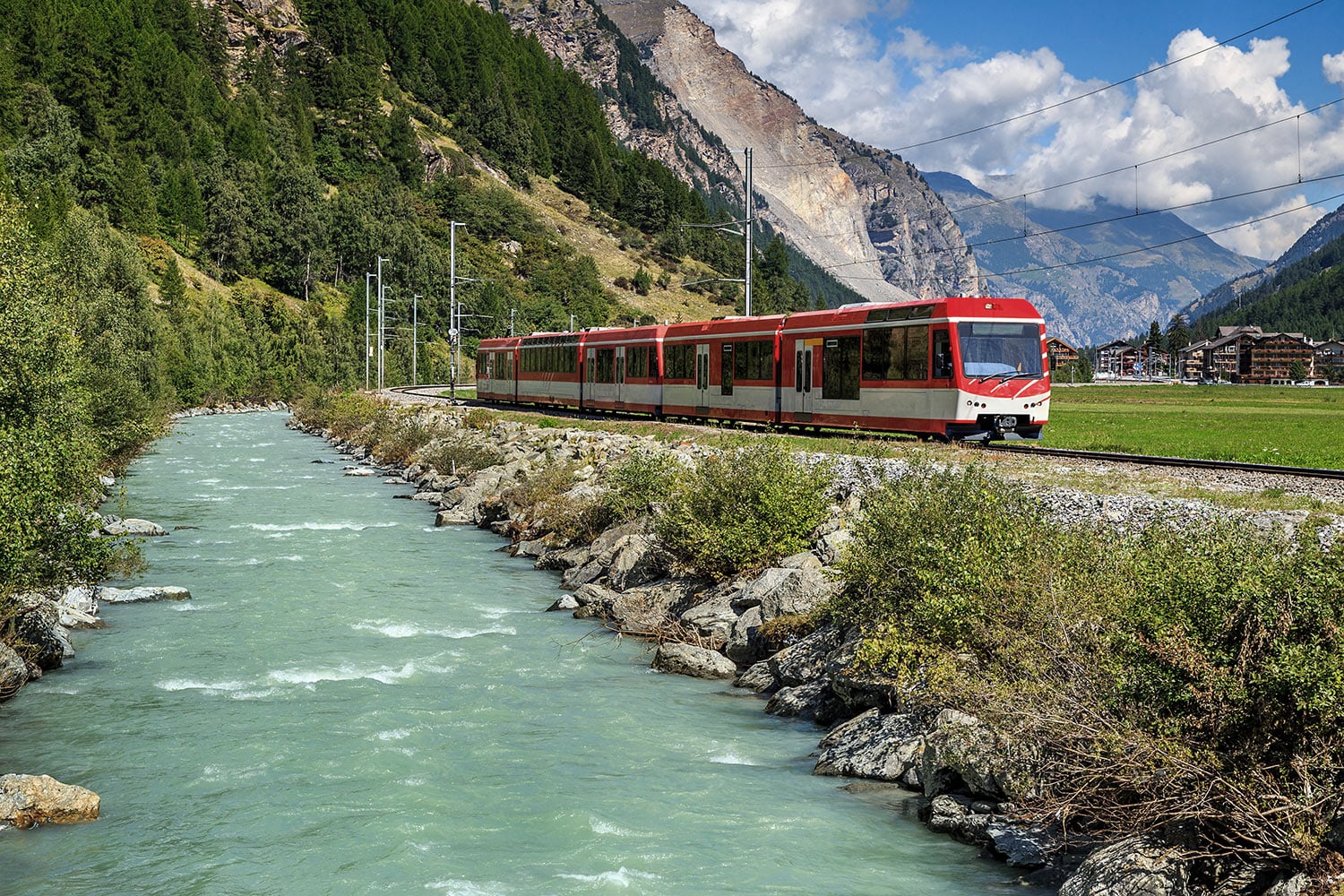
There is an undeniable aesthetic appeal to train travel that continues to captivate the hearts and imaginations of people from all walks of life. As a train glides along the tracks, it becomes a portal to another world, where the beauty of nature and the historical significance of the journey unfold like a story waiting to be told. Aboard a train, passengers are often treated to breathtaking views that are simply unattainable from the confines of a plane or car. The gentle rolling of the hills, the vibrant colors of the changing seasons, and the serenity of the open countryside can all be experienced with a simple glance out the window. This visual feast transforms the act of traveling into an immersive experience, where each passing landscape is an invitation to connect with the world in a more profound way.

The historical significance of train travel adds another layer of romance to the journey. Trains have been the lifeblood of exploration and connection for centuries, serving as vital arteries that linked distant regions and cultures. Imagine the steam rising from the engine of a vintage train, the echoes of the past resonating with every mile it travels. In many ways, trains are living museums, encapsulating the spirit of innovation and the desire for adventure that has driven humanity for generations. Each train line tells a story of its own, from the iconic routes of the Orient Express to the local lines that serve as lifelines for communities across the globe. These trains are not just modes of transport; they are the embodiment of a shared history, showcasing the architectural beauty of railway stations and the craftsmanship of the locomotives that once dominated the rails.
Moreover, the unique atmosphere of a train ride contributes significantly to the romantic allure. Unlike the sterile environment of airports or the isolating nature of driving, the train offers a sense of community and togetherness. Passengers can share stories, enjoy a glass of wine, or simply soak in the ambiance of their surroundings while the world passes by. The gentle noise of the wheels on the tracks, the soft clinking of teacups in the dining car, and the occasional whistles of the conductor all create a symphony of sound that enhances the romantic experience. It’s this blend of sensory experiences that makes train travel not just a means of getting from point A to point B, but a journey rich in charm and character.
In today’s fast-paced world, where digital interactions often overshadow face-to-face connections, the romantic experience of train travel offers a refreshing alternative. It invites travelers to slow down, to savor the moment, and to appreciate the beauty of the journey itself. The train becomes a sanctuary, a moving home where passengers can escape the stresses of daily life and immerse themselves in the world around them. As the landscape changes with each passing mile, travelers are reminded that the journey is just as important as the destination. This romantic ideal continues to resonate with those who seek not just transportation, but an experience that ignites the soul and nurtures the spirit of adventure. Thus, the allure of train travel persists, enchanting those who dream of a more graceful and meaningful way to explore the world. 🌍
The Exorbitant Cost of Train Travel for Average Travelers
While the romantic and scenic allure of train travel is undeniable, the financial burden it places on the average traveler is equally significant. For many, the dream of a picturesque train journey often collides harshly with the reality of exorbitant ticket prices. In the realm of transportation, train travel is frequently cited as one of the more expensive options, particularly when compared to air travel or driving. This comparison is crucial for understanding the economic accessibility of train travel for the general public.
Take, for instance, the cost of a cross-country journey in the United States. A standard ticket on a modern train like Amtrak’s California Zephyr from Chicago to San Francisco can easily fall within the range of $200 to $400, depending on the class of service and the time of booking. However, a round-trip flight on a budget airline might be significantly cheaper, often costing around $150 to $300 for the same route, especially during off-peak seasons. This stark difference in price not only reflects the operational costs of maintaining and running train services but also highlights the disparity in how different modes of transport are marketed and subsidized.
Moreover, the cost of train travel is not just a matter of the ticket price; it encompasses a range of additional expenses that can quickly add up. Accommodations for overnight journeys, such as sleeper cabins, can be particularly pricey. On international routes, for example, sleeper cabins on routes like the EuroNight from Paris to Berlin can range from $200 to over $500, depending on the level of comfort and amenities. This cost can be quite prohibitive for the average traveler, especially when considering that the combined cost of a train ticket and a sleeper may exceed a direct flight with hotel accommodations.
Economic barriers are further compounded by the fact that train travel often requires a level of planning and flexibility that may not be feasible for many travelers. Unpredictable schedules, limited departure options, and the need to book in advance can all contribute to stress and uncertainty, which may be at odds with the romantic notion of spontaneous travel. Unlike air travel, where last-minute deals can sometimes be found, train tickets are often subject to strict fare classes and limited availability, especially during peak seasons. This lack of flexibility can lead to overpriced tickets for those who do not plan well in advance or are unable to travel during off-peak times.
To illustrate these points, consider the following table that compares the costs of train versus air travel for several popular destination routes:
| Destination Route | Train Ticket Price (Round Trip) | Flight Ticket Price (Round Trip) | Additional Train Costs (Sleeper, etc.) |
| London to Paris | £600 | £200 | £300 (Sleeper) |
| Chicago to San Francisco | $350 | $150 | $200 (Sleeper) |
| New York to Boston | $150 | $100 | N/A |
As shown, the cost of flying can be significantly lower than train travel, especially when sleeper accommodations are considered. This comparison underscores the financial challenges that many face when choosing between these transportation methods. For the average traveler on a budget, the cost of train travel can quickly become a limiting factor, making it an impractical choice despite its aesthetic and experiential benefits.
In conclusion, while the romantic experience of train travel is often celebrated in popular culture, it is essential to acknowledge the economic realities that accompany it. The exorbitant cost of train tickets and associated fees can make this mode of travel inaccessible for the average person, especially when competing with the affordability of air travel. As such, travelers must weigh the romantic appeal against the financial implications when planning their journeys. This economic barrier, however, should not deter those who can find a balance between the cost and the experience, as the memories made on a train journey can often justify the expense.
The Historical Significance of Train Travel and Its Modern-Day Romance
Train travel has woven itself into the very fabric of history, serving as a transformative force in societies across the globe. In the 19th century, the advent of the railway marked a new era of connectivity, enabling people to traverse expansive distances in a fraction of the time it previously took by horse-drawn carriages or on foot. The steam-powered locomotive not only revolutionized trade and commerce but also redefined the way people experienced travel. For the first time, the common man could visit places that were once deemed inaccessible, and this newfound mobility ignited a sense of adventure and possibility that resonated deeply with the spirit of the age. The romance of train travel began to take root in literary works and the arts, symbolizing the excitement of exploration and the promise of new horizons.
In the 20th century, train travel evolved further, with the introduction of luxury trains such as the Orient Express and the 20th Century Limited, which offered lavish accommodations and gourmet dining while moving through picturesque landscapes. These trains became icons of elegance and sophistication, often featured in films and literature as settings for intrigue and romance. The allure of these journeys was not just in the destination but in the experience itself; the journey became a destination in its own right. As people began to prioritize experiences over material possessions, the nostalgic charm of train travel made a resurgence. This shift in values coincided with a growing awareness of the environmental impact of frequent air travel, prompting many to seek out more sustainable and scenic options.
In recent years, the trend of “slow travel” has gained momentum, emphasizing the value of taking time to immerse oneself in the journey rather than rushing from one location to another. This movement has reinforced the romantic notion of train travel, encouraging travelers to appreciate the beauty of the world around them. The experience of watching the landscape unfold at a leisurely pace, accompanied by the soothing sounds of the rails, has become increasingly appealing in a world that often feels hurried and disconnected. According to a recent study, travelers who choose to take trains are more likely to report a higher level of satisfaction with their journeys, citing the ability to connect with the environment and fellow passengers as key factors.
Moreover, the historical significance of train travel is celebrated in various cultural events and heritage railways that aim to preserve the legacy of this mode of transportation. These initiatives not only educate the public about the rich history of railways but also create opportunities for immersive experiences that evoke the spirit of bygone eras. As travelers seek authenticity and deeper connections with their destinations, the romance of train travel continues to thrive, reminding us that the journey can be every bit as captivating as the destination itself. 🚂
The Accessibility Challenge: How Exorbitant Costs Impact Travel Plans
For the average traveler, the financial burden of train travel can significantly influence travel decisions and overall accessibility. While trains offer the allure of scenic views and a nostalgic experience, the exorbitant cost often serves as a barrier, limiting the options available to those seeking an affordable journey. Many travelers, especially those on a budget, find themselves caught in a dilemma: do they forgo the romantic train experience for a more economically feasible alternative? This decision can lead to a shift in travel preferences, often resulting in the selection of air travel or driving, which may provide immediate cost savings but lack the enriching experience that train travel offers.
Statistics highlight this trend; a survey conducted by the National Association of Travelers shows that 68% of respondents cited cost as the primary factor influencing their choice of transportation. This sentiment is echoed in the data regarding the usage of budget versus luxury train services. For instance, while long-distance luxury train lines like the Orient Express attract affluent travelers, the majority of consumers opt for budget airlines or car rentals to traverse similar distances. In the United Kingdom, the average cost of a train ticket from London to Manchester is approximately £70, whereas a budget airline ticket can be as low as £25. This stark contrast in pricing can deter travelers from choosing the train, especially when they are already budgeting for accommodation, food, and activities at their destination.
Moreover, the cost implications extend beyond the ticket price. Overnight train journeys, which are popular for their convenience and the charming experience they provide, often come with sleeper cabin fees that can double or even triple the base fare. For example, a sleeper cabin on the Amtrak California Zephyr from Chicago to San Francisco can cost upwards of $300, while a similar distance traveled by flight may only cost $100 on a budget airline. This added expense can push the total cost of a train journey beyond what many are willing or able to pay, ultimately leading to a shift away from this mode of travel.
The impact of these financial barriers is also evident in the demographics of train riders. Studies indicate that train travel remains a niche activity for those with higher disposable incomes, whereas the general public often opts for more affordable options. As a result, train journeys become less accessible for the average traveler, especially for families or groups who wish to share in the experience but are constrained by financial limitations. This trend not only restricts the enjoyment of train travel to a select few but also diminishes the cultural and social capital that train journeys once held in society. Ultimately, the costs associated with train travel play a pivotal role in shaping the accessibility landscape for travelers, influencing their choices and limiting the romantic appeal that could otherwise inspire a broader audience to embrace this timeless mode of transport. 🚆
Alternatives and Tips for Affordable Train Travel
While the exorbitant cost of train travel can be a significant deterrent for the average traveler, several alternatives and strategies can help reduce expenses while still capturing the romantic essence of a train journey. One effective approach is to plan by booking tickets during off-peak seasons when prices are typically lower. For example, traveling during the shoulder months, like April and May or September and October, can significantly cut costs. Many rail operators offer substantial discounts during these times, making travel more accessible for budget-conscious travelers.
Additionally, opting for regional trains instead of long-distance or luxury services can be a practical solution. These local trains often provide more affordable fares without sacrificing the charm and scenic beauty associated with train travel. For instance, in countries like Italy and France, regional railways connect picturesque towns and cities, allowing travelers to experience the local culture and landscapes at a fraction of the cost of intercity services. By focusing on shorter routes and exploring destinations closer to home, travelers can enjoy the romantic allure of train travel while keeping expenses in check.
Another option for budget-friendly travel is the use of travel passes and discount tickets. Many railway companies offer multi-day passes or regional passes that can provide significant savings for travelers planning to visit multiple destinations. For example, the Eurail Pass allows travelers to visit various European countries at a set price, which can be considerably cheaper than purchasing individual tickets for each journey. This strategy is particularly beneficial for those who want to experience the unique charm of different regions without the financial strain of booking each trip separately.
Moreover, combining train travel with other modes of transportation can enhance affordability. Many travelers find that a combination of train and flight or train and bus allows for flexibility and cost efficiency. For instance, flying to a destination and then using regional trains to explore nearby attractions can lead to a more budget-friendly overall experience. This method not only reduces the cost associated with long-distance train tickets but also allows travelers to enjoy the romantic aspects of train travel while still benefiting from the convenience of air or bus travel.
Lastly, engaging with the community of train travelers can yield valuable insights and tips from experienced individuals who have navigated the financial complexities of train travel. Online forums and travel groups often share discount codes, suggest the best times to travel, and recommend budget-friendly accommodations that can further enhance the cost-effectiveness of a train journey. For example, some travelers have shared that hostels or budget hotels can provide a comfortable resting place for those who choose to take overnight trains without the added expense of sleeper cabins.
By employing these alternatives and tips, travelers can enjoy the romantic experience of train travel without being burdened by high costs, allowing more people to partake in this cherished form of transportation. As one seasoned traveler noted, “The beauty of train travel lies in the journey, not the price tag.” This sentiment encapsulates the idea that with careful planning and a willingness to explore alternatives, the dream of a train adventure can be realized, even on a budget. 🚥
The Cultural Significance of Train Travel
Train travel has transcended its role as a mere mode of transportation, becoming a powerful symbol in the cultural fabric of many societies. Historically, trains have connected not just cities and towns, but also hearts and minds across the globe. They serve as a metaphor for journeying through life, where every stop can represent a new experience or a shift in perspective. In literature and art, trains have often been portrayed as conveyors of adventure and change, encapsulating themes of escape, transformation, and the passage of time. Iconic works such as Agatha Christie’s Murder on the Orient Express use the train setting to evoke suspense and intrigue, illustrating how this mode of transport can create a unique atmosphere that influences the narrative and the characters’ experiences.
In contemporary culture, train travel remains a favored topic in various forms of media, from travel documentaries to social media platforms. It is often celebrated for its romanticism and the nostalgic allure it holds for people of all ages. For example, the viral trend of “train travel challenges” on platforms like YouTube and Instagram showcases how adventurers from around the world are embracing the train as a means to explore new destinations and cultures. This resurgence in popularity highlights the emotional impact that train travel can have, as it encourages travelers to engage more deeply with their surroundings and fellow passengers. The train becomes a shared experience, fostering connections and conversations that might not occur in a more isolated form of travel.
Moreover, the cultural significance of train travel extends into the realm of social interaction. Trains facilitate a unique kind of community, where strangers become companions for a stretch of the journey. The communal dining cars, shared compartments, and the opportunity to meet fellow travelers create an environment ripe for storytelling and cultural exchange. In many cultures, the train is seen as a place where social barriers are lowered, enabling interactions that transcend socio-economic divides. This social dynamic is often highlighted in films and novels, where characters from diverse backgrounds come together aboard a train, forging unexpected friendships and understanding.
The romanticization of train travel has, in part, influenced modern transportation trends, particularly in the area of sustainable travel. As awareness of environmental issues grows, many travelers are turning to trains as a more eco-friendly alternative to air travel. The train’s ability to transport large numbers of people while emitting significantly less carbon has made it a popular choice among environmentally conscious travelers. This shift not only reflects a desire for sustainable living but also taps into the nostalgic romance associated with train travel, positioning it as a chic and responsible option for those seeking to explore the world.
Additionally, the rise of luxury train experiences, such as the iconic Orient Express and the Rocky Mountaineer, has further solidified train travel’s place in popular culture. These services cater to a clientele willing to pay a premium for the experience of traveling in opulence while enjoying scenic vistas. The allure of luxury train travel evokes a sense of glamour and nostalgia, drawing inspiration from the golden age of rail travel and encouraging people to indulge in the romanticism of a bygone era. This trend not only preserves the rich heritage of train travel but also enhances its cultural significance, as it reinvigorates interest in the train as a symbol of elegance and adventure.
Furthermore, train travel has sparked a renewed interest in storytelling and narrative in the travel space. Many travelers now document their journeys aboard trains, sharing their experiences through blogs, vlogs, and social media. This cultural shift has transformed train travel into a shared narrative, where each journey becomes a unique story that resonates with others. The train serves as a backdrop for these narratives, adding layers of intrigue and possibility that inspire both the traveler and the viewer. This aspect of train travel has not only influenced how people perceive their own journeys but has also contributed to a broader cultural appreciation for the experiences that can be had while riding the rails.
In conclusion, the cultural significance of train travel is deeply intertwined with historical roots and modern narratives, making it a cherished mode of transport that continues to influence how we view journeys and connections. As it adapts to contemporary values and travel trends, the train remains a symbol of adventure, sustainability, and the enduring human desire for exploration and connection. This legacy is celebrated in popular culture across various media forms, ensuring that the romance of train travel endures for generations to come. 🚂
