
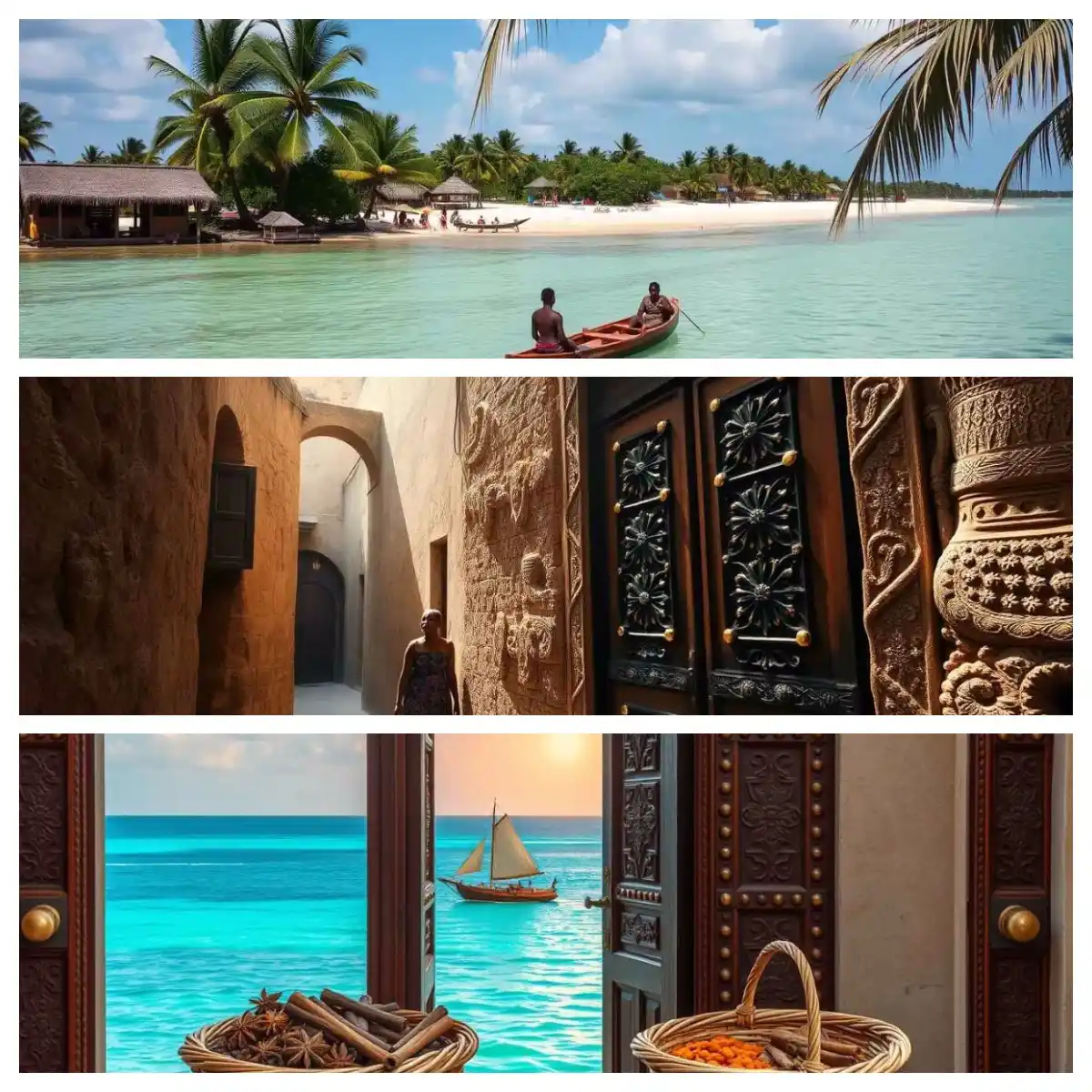
Table of Contents
Zanzibar: The Ultimate Travel Guide to the Spice Island of Africa
Introduction: The Scent of Paradise
Imagine stepping off a plane and being greeted not just by the warmth of the tropical sun, but by an invisible cloud of aroma. The air here is different; it is heavy, sweet, and spiced—a fragrant cocktail of cloves, cardamom, nutmeg, and cinnamon carried on the breeze of the Indian Ocean. This is Zanzibar, an archipelago that has captivated the hearts of explorers, sultans, and wanderers for centuries.
Often referred to as the “Spice Island,” Zanzibar is a semi-autonomous region of Tanzania that offers a travel experience unlike any other on the African continent. It is a place where history is not confined to museums but is lived daily in the winding alleys of Stone Town, where the calls to prayer echo over rooftops that have witnessed the rise and fall of empires. It is a land of startling contrasts: pristine white sands bordering turquoise lagoons, bustling markets brimming with tropical fruits, and quiet fishing villages where time seems to stand still.
Zanzibar is not merely a destination; it is a sensory immersion. From the vibrant hues of the khangas worn by local women to the rhythmic beating of the taarab music drifting from open windows, the island pulses with a unique energy. This guide aims to peel back the layers of this complex and beautiful archipelago, offering a comprehensive look at its geography, history, culture, and the practicalities of visiting. Whether you are a history buff, a beach lover, a foodie, or an adventurer, Zanzibar promises a journey that will linger in your memory long after you have departed its shores.
Location and Geography: The Jewel of the Indian Ocean
Zanzibar is located in the Indian Ocean, approximately 25 to 50 kilometers (16 to 31 miles) off the coast of mainland Tanzania. It sits just south of the equator, bestowing it with a tropical climate that remains warm and humid throughout the year.

The Archipelago The archipelago consists of two main islands, Unguja and Pemba, along with around 50 smaller islets. While most travelers refer to Unguja simply as “Zanzibar,” it is important to acknowledge its northern neighbor, Pemba, known as “The Green Island” for its lush, hilly terrain and extensive clove plantations.
Unguja (Zanzibar Island) Unguja is the main island and the hub of tourism. It is roughly 85 kilometers long and 30 kilometers wide. The geography varies significantly across the island:
- The West Coast: Characterized by sandy beaches and, most notably, the historic Stone Town. The coral rag stone here has been used for centuries to build the city.
- The East Coast: This side faces the open ocean and is dotted with charming fishing villages and long stretches of white sand. It is the prime location for beach resorts and water sports.
- The North: The northern tip, particularly Nungwi and Kendwa, is famous for its deep beaches that remain swimmable even during low tide, a rarity on the island.
- The Interior: Fertile red soil makes this the agricultural heartland, home to the spice plantations that give the island its name.
Climate Zanzibar experiences a tropical monsoon climate. There are two rainy seasons: the long rains (Masika) from March to May, which can be heavy and often lead to hotel closures, and the short rains (Vuli) in November and December, which are typically brief showers followed by sunshine. The dry seasons (June to October and December to February) are the most popular times to visit, offering azure skies and cooler evening breezes.
A History Written in Stone and Blood
To understand Zanzibar is to understand its history—a tumultuous narrative of trade, colonization, and revolution that has shaped its unique identity.
Ancient Traders Zanzibar’s strategic location made it a crucial stop on ancient trade routes linking Africa, Arabia, Persia, and India. As early as the 1st century AD, Greek and Roman texts mention the island. By the 9th century, Arab and Persian traders had established settlements, intermarrying with the local Bantu population to create the Swahili culture and language.
The Sultanate and the Spice Trade. In 1698, Zanzibar fell under the control of the Sultanate of Oman. This era transformed the island. The Omani Arabs established plantations, growing cloves, nutmeg, cinnamon, and black pepper. Zanzibar became the world’s leading producer of cloves, a title it held for decades. In 1840, Sultan Said bin Sultan moved his capital from Muscat to Zanzibar, cementing the island’s status as a powerful political and economic center.
The Dark Shadow of Slavery. Alongside spices, Zanzibar was a tragic hub of the East African slave trade. Thousands of enslaved people were brought from the mainland to Zanzibar’s markets before being shipped to Arabia, Persia, and the West. The legacy of this trade is visible in sites like the Slave Market in Stone Town, now the location of the Anglican Cathedral, where a sculpture commemorates the victims.
British Influence and Revolution. In 1890, Zanzibar became a British protectorate. While the Sultans remained in power, the British administration worked to abolish the slave trade and modernize infrastructure. Zanzibar gained independence from Britain in December 1963, but the joy was short-lived. In January 1964, a violent revolution led by the Afro-Shirazi Party overthrew the Sultan and the Arab-dominated government. This event reshaped the island’s demographics and political landscape. Later that year, Zanzibar merged with Tanganyika to form the United Republic of Tanzania, though it retains its own government and president.
Culture: The Heartbeat of the Swahili Coast
Zanzibar’s culture is a vibrant mosaic known as Uswahilini. It is a harmonious blend of African, Arab, Indian, and European influences, creating a distinct identity that is neither wholly African nor wholly Arab.
Islam is the dominant religion, practiced by over 99% of the population. It influences daily life profoundly. You will hear the Adhan (call to prayer) echoing from mosques five times a day. During the holy month of Ramadan, the island slows down, with many shops closing during daylight hours, only to come alive at night with feasts and celebrations. Visitors are expected to respect these traditions by dressing modestly, particularly in Stone Town and villages.
Language: The official language is Swahili (Kiswahili), a Bantu language heavily infused with Arabic loanwords. English is widely spoken in tourist areas, hotels, and restaurants, and Italian is also surprisingly common due to the high volume of Italian tourists.
Music and Art
- Taarab: This is the quintessential sound of Zanzibar. A melodic fusion of Arab, Indian, and African musical traditions, Taarab involves orchestras playing violins, flutes, and accordions accompanied by soulful Swahili singing.
- Ngoma: Traditional dance and drumming performances are common, especially during festivals and weddings.
- Art: Zanzibar is famous for its intricately carved wooden doors (more on that later) and the Kanga, a colorful piece of fabric worn by women that often features proverbs printed on the border.
Festivals
- Sauti za Busara: A world-renowned music festival held in February in Stone Town, showcasing the best of East African music.
- Zanzibar International Film Festival (ZIFF): Known as the “Festival of the Dhow Countries,” this event celebrates film, music, and art from the region.
Places to Visit: A Tour of the Island
Zanzibar offers a diverse range of attractions, from historic tours to aquatic adventures.
- Stone Town (Mji Mkongwe)
A UNESCO World Heritage Site, Stone Town is the cultural heart of Zanzibar. It is a maze of narrow alleys, bustling bazaars, and grand Arab houses.
- The Architecture: The town is famous for its 19th-century architecture. Look up to see the baraza benches (stone benches built into the walls) and the famous Zanzibar doors. There are two main types: the Indian door, with rounded tops and heavy brass studs (originally to deter charging elephants), and the Arab door, with rectangular frames and intricate geometric carvings.
- Old Fort (Ngome Kongwe): Built by the Omanis in the 17th century to defend against the Portuguese, it now houses a cultural center with curio shops and an amphitheater for live performances.
- House of Wonders (Beit-al-Ajaib): Once the largest building in East Africa, it was the first in Zanzibar to have electricity and an elevator. (Note: Currently under renovation due to structural issues, but still a landmark.
- Freddie Mercury Museum: Located in the childhood home of the Queen frontman, this museum celebrates his life and connection to Zanzibar.
- Forodhani Gardens: At sunset, this waterfront park transforms into a street food carnival. Vendors grill fresh seafood, Zanzibar pizza, and sugarcane juice.
- The Spice Farms
No trip to Zanzibar is complete without a spice tour. Head to the interior villages like Kizimbani or Kidichi. Here, you will walk through lush farms where guides introduce you to the plants in their natural state. You will see cinnamon bark, pepper vines, vanilla orchids, and the famous clove trees. It is an educational and sensory experience, concluding with a Swahili lunch cooked with the very spices you’ve just learned about.
- Prison Island (Changuu)
A short boat ride from Stone Town, this island was originally used as a prison for rebellious slaves and later a quarantine station for yellow fever. Today, it is a nature reserve. The main attraction is the Aldabra Giant Tortoises, some over 100 years old, which were a gift from the British government in the 19th century. The island also offers excellent snorkeling in its clear waters.
- Jozani Chwaka Bay National Park
Zanzibar’s only national park is a haven for biodiversity. It is home to the endangered Zanzibar Red Colobus Monkey, a species found nowhere else in the world. These friendly, photogenic primates are accustomed to humans and can be observed at close range. The park also features a boardwalk through a mangrove forest, educating visitors on the importance of this coastal ecosystem.
- Nungwi and Kendwa (The North)
These villages boast the best beaches on the island.
- Nungwi: A lively fishing village with a boat yard where traditional dhows are built by hand. The Mnarani Marine Turtle Conservation Pond allows you to feed and swim with rescued turtles.
- Kendwa: Known for its broad, white sandy beach and the famous “Full Moon Party,” a monthly beach party that draws travelers from across the island. Unlike the East Coast, swimming is possible here at all tides.
- The East Coast (Paje and Jambiani)
- Paje: The kite-surfing capital of East Africa. The shallow lagoon and steady winds make it perfect for beginners and pros.
- Jambiani: A more laid-back village where you can experience local life, visit seaweed farms, and see women weaving ropes from coconut husks.
- The Rock Restaurant
One of the most photographed locations in Zanzibar, this tiny restaurant is perched on a rock in the ocean near Pingwe and Michamvi. Depending on the tide, you can walk to it or be boated in. It offers spectacular views and fresh seafood, though reservations are essential.
- Mnemba Atoll
Located off the northeast coast, this is a protected marine area offering some of the best snorkeling and diving in Zanzibar. The reef is teeming with colorful fish, dolphins, and sea turtles. Note: The island itself is a private luxury resort, but the waters around it are open to tours.
- Pemba Island
For the intrepid traveler, Pemba offers a “Zanzibar of the past.” It is greener, hillier, and less developed. It is world-renowned for deep-sea fishing and pristine dive sites like the Pemba Channel, famous for sheer drop-offs and abundant shark populations.
Local Commutation: Getting Around
Moving around Zanzibar is an adventure in itself. Options range from shared mini busses to private taxis.
Dala-Dala: The cheapest and most authentic way to travel is by dala-dala. These are shared minibusses or trucks converted into passenger vehicles. They are crowded, often playing loud music, and stop anywhere along the route. They have set routes (e.g., Stone Town to Nungwi costs around 2,000 TZS). It is an experience not to be missed for the budget traveler, but be prepared for a squeeze.
Private taxis are readily available. They are comfortable and convenient, especially for airport transfers or day trips. Prices must be negotiated before the journey starts. A ride from the airport to Stone Town might cost around $10-$15, while a transfer to the north or east coast could range from $40-$60.
Car and Scooter Rental Renting a car or scooter gives you ultimate freedom. However, road conditions vary; while main roads are paved, many side roads are bumpy dirt tracks. You will need a valid International Driving Permit. Police checkpoints are frequent, so ensure your paperwork is in order.
Ferries and Flights
- Ferries: High-speed ferries (like Azam Marine) connect Zanzibar to Dar es Salaam on the mainland. The trip takes about 2 hours.
- Domestic Flights: There are daily flights between Zanzibar and other Tanzanian destinations like Arusha (for Safari) and Dar es Salaam. There are also direct flights to Pemba.
Eat Outs: A Culinary Journey
Zanzibari cuisine is a mouth-watering fusion of African, Arab, and Indian influences.
Street Food and Night Markets
- Forodhani Gardens: The place for street food. Try the Zanzibar Pizza (a savory, stuffed crepe), Mishkaki (skewered beef), and the ginger tea. Be adventurous and try the Zanzibar Pizza with Nutella and banana for dessert.
- Local Eateries: In Stone Town and villages, look for small, unassuming eateries serving Pilau (spiced rice with meat) and Biryani.
Seafood: Being an island, the seafood is exceptional. Lobster, prawns, tuna, and kingfish are caught daily.
- Pweza wa Nazi: Octopus cooked in a rich, creamy coconut curry. This is a must-try dish.
- Grilled Fish: Fresh catch of the day, simply grilled with lime and chili.
Vegetarian Options: Vegetarians will find plenty to eat. Maharage (beans in coconut sauce), Mchicha (spinach stew), and fried cassava are staples.
Fine Dining For a romantic evening, try:
- Emerson on Hurumzi: Offers a set menu of Swahili dishes on a rooftop with panoramic views of Stone Town. (Reservations essential).
- The Beach House: A stylish spot in Nungwi with a deck over the water.
- 6 Degrees South: Located in Stone Town, offering a mix of international and local cuisine with a great wine list.
Drinks
- Sugar Cane Juice: Freshly pressed on street corners—a refreshing treat.
- Dawa: A cocktail made with vodka, lime, honey, and ice. “Dawa” means medicine in Swahili!
- Note: Alcohol is not widely available in villages due to religious beliefs, but it is served in hotels and tourist restaurants.
Currency and Practical Information
Currency: The official currency is the Tanzanian Shilling (TZS). While US Dollars are accepted in many hotels and for tours, you will need shillings for markets, local transport, and small shops.
- Tip: Bring USD notes printed after 2009. Older notes are often refused due to past issues with counterfeit currency. ATMs are available in Stone Town but are scarce in rural areas.
Visas: Most nationalities require a visa. A standard Single Entry Visa costs around $50-$100 and allows a stay of up to 90 days. It can be obtained:
- On Arrival: At the airport or ferry terminal (cash or card usually accepted).
- Online: Through the official Tanzania Immigration e-visa portal, which saves time upon arrival.
Health and Safety
- Malaria: Zanzibar is a malaria zone. Consult a travel doctor regarding prophylactics. Use insect repellent, especially at dusk.
- Vaccinations: Yellow Fever vaccination is not strictly required unless coming from a Yellow Fever endemic country, but it is often recommended. Hepatitis A and Typhoid vaccines are advised.
- Water: Drink bottled or filtered water. Tap water is not potable.
Dress Code: As a predominantly Muslim society, modest dress is respectful. Women should cover their shoulders and knees when in public areas, especially in Stone Town. Topless sunbathing is illegal. On the resort beaches, swimwear is acceptable, but cover up when leaving the beach area.
Conclusion
Zanzibar is a destination that defies simple categorization. It is a historian’s dream, a beach lover’s paradise, and a foodie’s delight. It offers the rare opportunity to disconnect from the modern world while connecting with a deeply rooted and welcoming culture. Whether you are diving into the depths of the Indian Ocean, wandering the shadowy alleys of Stone Town, or simply swinging in a hammock under a palm tree, Zanzibar invites you to slow down and savor the moment. It is a History and Politics.
FAQs
- Is Zanzibar an independent country?
No, Zanzibar is a semi-autonomous region of the United Republic of Tanzania. It has its own government and President but falls under the union of Tanzania for certain matters.
2. When did the Zanzibar Revolution take place?
The revolution occurred in January 1964, shortly after independence from Britain.
3. Why was the House of Wonders (Beit-al-Ajaib) named that way?
It was named “House of Wonders” because it was the first building in East Africa to have electricity and an elevator.
4. What was the primary purpose of the Old Fort (Ngome Kongwe) when it was built?
It was built by the Omanis in the 17th century primarily to defend against the Portuguese.
5. What does the term “Dhow Countries” refer to?
It refers to the regions connected by the Indian Ocean trade routes navigated by traditional sailing vessels called dhows, a culture celebrated at the Zanzibar International Film Festival (ZIFF).
Culture and Etiquette
- What is a Khanga?
A Khanga is a colorful piece of fabric worn by local women, often featuring a Swahili proverb printed on the border.
- Is it acceptable to take photos of local people?
You should always ask for permission before taking photos of local people, as it is considered disrespectful to do so without consent, especially in conservative areas.
- Can non-Muslims enter mosques in Zanzibar?
Generally, non-Muslims are not permitted to enter mosques, except for a few specific historical sites where guided tours might be allowed, but always check locally.
- What is the significance of the brass studs on Zanzibar doors?
The brass studs on Indian-style doors were originally intended to deter charging elephants, though no elephants lived on the island; they became a status symbol of wealth.
- How should one behave during Ramadan as a tourist?
Tourists should avoid eating, drinking, or smoking in public during daylight hours out of respect, though hotels usually serve food in screened-off areas.
Attractions and Activities
- Can you visit the House of Wonders right now?
Currently, the House of Wonders is under renovation due to structural issues, so entry might be restricted, though it remains a key landmark.
- What is the Mnarani Marine Turtle Conservation Pond?
Located in Nungwi, it is a sanctuary for rescued sea turtles where visitors can learn about conservation and feed the turtles.
- Why is Pemba Island famous among divers?
Pemba is renowned for deep-sea fishing and diving due to the Pemba Channel, which has steep drop-offs and abundant marine life like sharks.
- What can visitors expect during a Spice Tour?
Visitors walk through farms to see spices growing in their natural state, smell and taste them, and usually enjoy a traditional Swahili lunch cooked with those spices.
- What is the “Full Moon Party” in Kendwa?
It is a monthly beach party that attracts tourists and locals for music, dancing, and fireworks on the Saturday closest to the full moon.
- Are there any specific souvenirs unique to Zanzibar?
Yes, popular souvenirs include hand-carved wooden chests, spices (cloves, vanilla), woven mats, and khangas.
Beaches and Nature
- Why is swimming difficult on the East Coast during low tide?
The East Coast has a shallow lagoon; when the tide goes out, the water recedes significantly (sometimes over a kilometer), revealing seaweed and coral, making swimming impossible until high tide.
- What is seaweed farming?
It is a major industry, particularly on the east coast (like Jambiani), where women cultivate seaweed in the shallow lagoons for export to the cosmetic and food industries.
- Are there dangerous animals in Jozani Forest?
No, the Zanzibar Red Colobus Monkeys are friendly and accustomed to humans. However, visitors should stay on designated paths to protect the ecosystem.
- Is the water safe for drinking?
No, tap water is not potable. Tourists should drink bottled or filtered water.
Transportation and Money
- Are credit cards widely accepted?
Major hotels and high-end restaurants accept credit cards, but cash (Tanzanian Shillings) is essential for markets, local shops, and street vendors.
- What is a Boda-boda?
A Boda-boda is a motorcycle taxi, a quick and cheap way to travel short distances, though helmets are recommended.
- Do taxis in Zanzibar use meters?
No, taxis rarely use meters. You must negotiate and agree on the price before starting your journey.
- Is an International Driving Permit required to rent a car?
Yes, if you plan to drive yourself, you will need a valid International Driving Permit along with your home country license.
- Are ATMs available outside of Stone Town?
ATMs are becoming more common but are still scarce in remote villages and beach areas. It is best to withdraw cash in Stone Town.
Food and Health
- What is Mishkaki?
Mishkaki is a popular street food consisting of skewered, marinated meat (usually beef) grilled over charcoal.
- Is alcohol illegal in Zanzibar?
No, alcohol is not illegal for tourists. It is available in hotels, bars, and restaurants, though it is respectful to avoid drinking publicly in village areas.
- What vaccinations are recommended for travel?
Hepatitis A, Typhoid, and routine vaccines are recommended. Yellow Fever vaccination is mainly required if arriving from an endemic country.
- What is “Dawa”?
“Dawa” means “medicine” in Swahili. It is also the name of a popular cocktail made with vodka, lime, honey, and crushed ice.
- Is topless sunbathing allowed on beaches?
No, topless sunbathing is illegal and culturally offensive in Zanzibar lace where the past and present dance together in the spice-scented air, promising an unforgettable African adventure.
