
Table of Contents
Cardamom: The Fragrant “Queen of Spices” with Surprising Benefits, Uses, and Safety Facts
Cardamom is more than a delicious ingredient in tea, desserts, and biryani. Known as the “queen of spices,” this small green pod contains aromatic plant compounds that have attracted interest for digestion, oral freshness, antioxidant activity, blood pressure, and metabolic health.
But cardamom should be understood realistically. Human studies remain limited and inconsistent, so it should be enjoyed mainly as a culinary spice—not treated as a cure for disease. Small food amounts are generally considered safe for most adults, while concentrated supplements and essential oils require greater caution.journals.lww+1
What Is Cardamom?
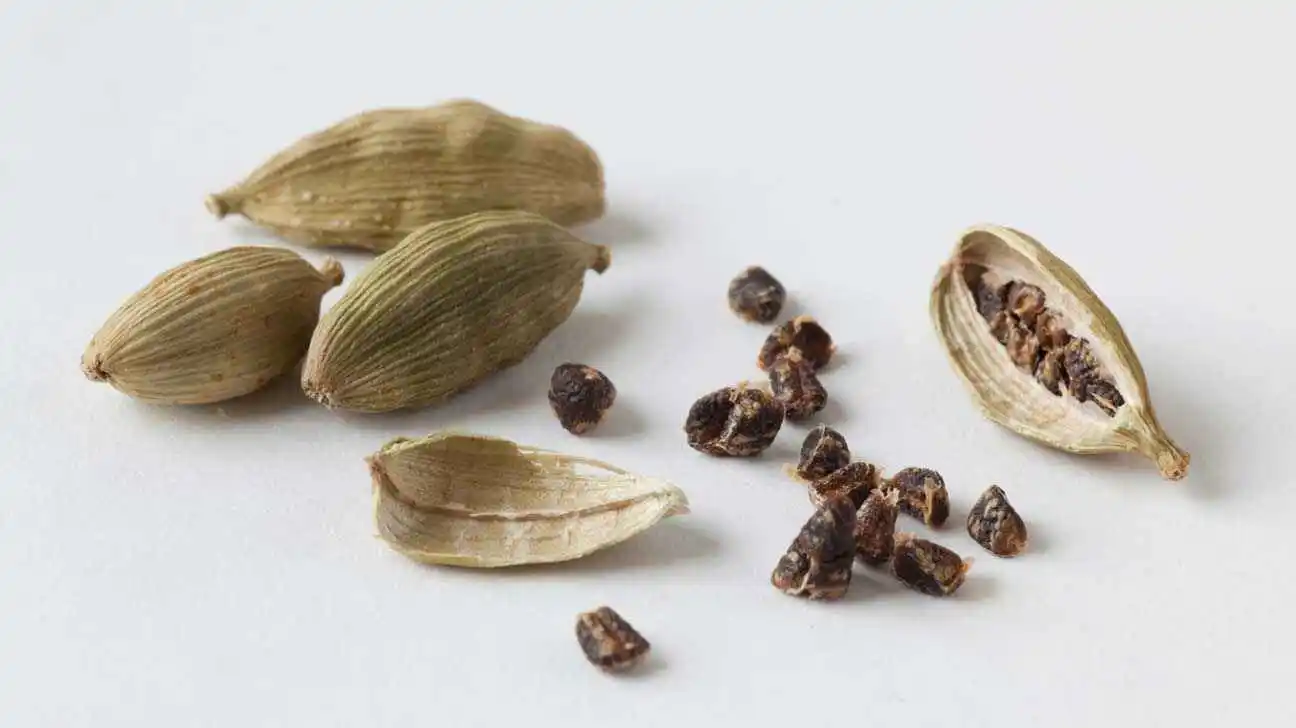
Cardamom is an aromatic spice obtained from the seed pods of plants in the ginger family, Zingiberaceae. The most common type is green cardamom, scientifically known as Elettaria cardamomum. It is widely used in Indian, Middle Eastern, African, and Scandinavian cuisines.

Another variety, black cardamom, comes from Amomum subulatum. It has larger, darker pods and a smoky flavor that works especially well in savory dishes.
A cardamom pod usually contains several small, dark seeds. The seeds carry much of the spice’s aroma and flavor. When the pod is crushed or opened, it releases a sweet, floral, citrus-like fragrance with hints of camphor, mint, and pepper.
Cardamom is commonly available as:
- Whole green pods.
- Whole black pods.
- Cardamom seeds.
- Ground cardamom powder.
- Cardamom tea.
- Cardamom extract.
- Cardamom essential oil.
- Cardamom-flavored sweets and beverages.
Whole pods generally retain their aroma better than pre-ground powder. However, ground cardamom is convenient for baking, spice blends, desserts, and quick beverages.
Why Is Cardamom Called the Queen of Spices?
Cardamom is called the “queen of spices” because of its intense aroma, culinary versatility, and historical value. It has long been traded across regions and used in royal kitchens, traditional beverages, desserts, and ceremonial foods.
The spice can transform a recipe with only a small amount. A few crushed pods may add fragrance to rice, tea, curries, milk, or desserts without overpowering every other ingredient.
In Kerala and other parts of South India, cardamom is closely associated with spice cultivation, traditional cooking, festive sweets, and spiced tea. The plant grows well in warm, humid, shaded environments, often in hilly landscapes.
Important Compounds in Cardamom
Cardamom contains volatile oils and plant compounds that contribute to its aroma and potential biological activity. These include compounds such as:
- 1,8-cineole.
- Terpinyl acetate.
- Limonene.
- Linalool.
- Sabinene.
- Terpinene.
- Various phenolic compounds.
The exact composition can vary according to the species, growing region, maturity, storage, and processing method.
These compounds have shown antioxidant, antimicrobial, anti-inflammatory, and digestive effects in laboratory or animal research. However, results from test tubes or animals cannot automatically be applied to people.
A spice may contain a biologically active compound, but this does not mean that eating more of it will produce stronger health effects. High doses may instead cause irritation, side effects, or interactions with medicines.
Cardamom Nutrition
Cardamom is normally used in small quantities, so it contributes flavor more than calories or major nutrients to a typical meal.
USDA FoodData Central lists cardamom as containing dietary fiber, manganese, iron, magnesium, calcium, potassium, and other nutrients when measured by weight. The values are based on food composition data and may vary between products and serving sizes.fdc.nal.usda+1
Reported nutrients in cardamom include:
- Dietary fiber.
- Manganese.
- Iron.
- Magnesium.
- Calcium.
- Potassium.
- Phosphorus.
- Zinc.
- Small amounts of vitamin C and other nutrients.
A large amount such as 100 grams is not a realistic everyday serving. Most people use only a pinch, a teaspoon, or a few pods. Therefore, cardamom should not be promoted as a replacement for vegetables, fruits, pulses, whole grains, nuts, or other nutrient-dense foods.
Potential Health Benefits
- May Support Digestive Comfort
Cardamom has traditionally been used after meals and in herbal preparations for indigestion, gas, abdominal discomfort, and nausea.
Its aromatic oils may influence digestive secretions and intestinal movement, although the exact effects in humans are not fully established. Some people find that cardamom tea feels soothing after a heavy or spicy meal.
However, recurring digestive symptoms should not be dismissed as a simple need for spices. Persistent bloating, vomiting, unexplained weight loss, blood in the stool, black stools, difficulty swallowing, or severe abdominal pain requires medical evaluation.
- May Help Freshen Breath
Cardamom’s strong fragrance can temporarily improve breath. In some cultures, whole pods are chewed after meals for a refreshing sensation.
The spice may also have antimicrobial activity in laboratory studies, but chewing cardamom does not replace good oral hygiene.
For healthy teeth and gums, continue to:
- Brush twice daily with fluoride toothpaste.
- Clean between the teeth.
- Drink water regularly.
- Limit frequent sugary snacks and drinks.
- Attend dental checkups.
Persistent bad breath may be linked to gum disease, dental decay, dry mouth, tonsil problems, reflux, or other medical conditions.
- Contains Antioxidant Compounds
Cardamom contains aromatic and phenolic compounds that can demonstrate antioxidant activity in laboratory testing. Antioxidants help protect cells from oxidative stress.
Including herbs and spices in meals is a practical way to increase dietary variety. Still, the overall diet matters far more than any single spice.
A diet rich in colorful vegetables, fruits, beans, lentils, whole grains, nuts, and seeds supplies a broad range of protective nutrients and plant compounds.
- May Have Anti-Inflammatory Effects
Some cardamom compounds have shown anti-inflammatory activity in experimental research. A few human studies have also explored changes in inflammatory markers, but the evidence remains limited.
A review of cardamom research noted that human trials examining blood pressure, inflammation, blood glucose, lipids, and digestive complaints have produced limited and inconsistent outcomes. These findings are not sufficient to recommend cardamom as a medical treatment.journals.lww
Cardamom can be part of a healthy diet, but it should not replace treatment for arthritis, inflammatory bowel disease, asthma, autoimmune disease, or other inflammatory disorders.
- May Support Cardiovascular Health
Small clinical trials have investigated whether cardamom supplementation may influence blood pressure and inflammation. Some results suggest possible modest improvements, but the research is not strong or consistent enough to establish a definite benefit.
High blood pressure is often symptomless but can increase the risk of heart disease, stroke, kidney disease, and vision problems. It should be diagnosed and managed through appropriate monitoring, lifestyle measures, and prescribed treatment.
Do not stop blood-pressure medicine and substitute cardamom powder or tea.
- May Be Helpful in a Heart-Friendly Eating Pattern
Cardamom can add flavor to foods without adding much sodium. It pairs well with ginger, cinnamon, cumin, coriander, black pepper, turmeric, and citrus.
Replacing excessive salt, sugar, or highly processed flavorings with herbs and spices may support healthier cooking habits. The benefit comes from the overall dietary pattern, not from cardamom acting as a direct cure.
For example, cardamom can add fragrance to plain oats, unsweetened tea, lentil dishes, or fruit without requiring large quantities of sugar.
- May Influence Blood Sugar
Researchers have studied cardamom for possible effects on blood glucose and metabolic markers. Some small trials suggest potential benefits, but results have not been consistent.
People with diabetes should not rely on cardamom supplements to control blood sugar. Diabetes management may involve meal planning, physical activity, weight management, monitoring, and prescribed medicines.
If you use cardamom in food, it is generally a flavoring ingredient rather than a dependable glucose-lowering treatment.
- May Support Oral Microbial Balance
Laboratory research indicates that cardamom extracts may act against certain microorganisms. This has prompted interest in cardamom as a possible ingredient in oral-care products.
However, laboratory antimicrobial activity does not prove that chewing pods or drinking tea prevents cavities or gum disease. Oral health depends on mechanical cleaning, fluoride exposure, diet, saliva, and professional care.
- May Make Healthy Foods More Enjoyable
One of cardamom’s most useful benefits is culinary. Its aroma may make simple foods more appealing.
This can help people enjoy:
- Plain yogurt with fruit.
- Oatmeal.
- Warm milk.
- Unsweetened tea.
- Lentil soups.
- Brown rice.
- Baked fruit.
- Homemade spice blends.
Improving flavor can make it easier to reduce excess sugar or salt while maintaining enjoyment.
- May Provide Comfort During Mild Nausea
Cardamom is traditionally included in beverages used for nausea or queasiness. Its scent and warming flavor may be comforting for some people.
But nausea has many causes, including infection, medication side effects, pregnancy, migraine, food poisoning, digestive disease, and serious medical conditions.
Seek medical help when nausea is severe, prolonged, associated with dehydration, accompanied by severe pain, or associated with blood in vomit.
- May Complement a Balanced Lifestyle
Cardamom is most useful when viewed as one small part of healthy living. It cannot compensate for smoking, poor sleep, inactivity, excess alcohol, an unbalanced diet, or uncontrolled blood pressure.
A practical wellness pattern includes:
- Regular movement.
- Adequate sleep.
- Balanced meals.
- Good oral hygiene.
- Stress management.
- Avoidance of tobacco.
- Appropriate medical checkups.
Green Cardamom and Black Cardamom
Although both are called cardamom, they differ in flavor and common use.
|
Feature |
Green cardamom |
Black cardamom |
|
Botanical group |
Usually Elettaria cardamomum |
Usually Amomum subulatum |
|
Appearance |
Small green or pale pods |
Larger dark brown or black pods |
|
Flavor |
Sweet, floral, citrus-like, mildly minty |
Smoky, earthy, woody, camphor-like |
|
Common uses |
Tea, desserts, rice, sweets, spice blends |
Curries, meat dishes, stews, savory rice |
|
Typical preparation |
Used whole, crushed, or ground |
Often added whole and removed before serving |
The two varieties should not always be substituted in equal amounts because their aromas are different.
How to Use Cardamom in Daily Cooking
Cardamom is powerful, so start with a small amount.
Practical uses include:
- Crush one or two green pods into tea.
- Add ground cardamom to oatmeal.
- Combine it with cinnamon in baked fruit.
- Use it in rice or pulao.
- Add a small amount to lentil dishes.
- Blend it into homemade chai masala.
- Add it to yogurt with fruit and nuts.
- Flavor warm milk.
- Use it in festive sweets.
- Include black cardamom in slow-cooked curries.
When using whole pods in savory dishes, lightly crush them to release the seeds. Remove them before serving if you prefer a softer flavor.
Cardamom Tea Recipe
To make a simple cardamom tea:
- Lightly crush one or two green cardamom pods.
- Add them to a cup of hot water or tea.
- Steep for several minutes.
- Add ginger or cinnamon if desired.
- Use little or no sugar according to your dietary needs.
Cardamom tea should be treated as a normal beverage. Very concentrated preparations are not necessarily healthier.
People with reflux may find that tea spices worsen symptoms. If burning, nausea, or stomach discomfort occurs, reduce the amount or stop using it.
Cardamom and Essential Oil Safety
Cardamom essential oil is much more concentrated than the spice used in cooking. Essential oils should not be swallowed unless a qualified medical professional specifically recommends and supervises their use.
Possible concerns include:
- Mouth or throat irritation.
- Stomach upset.
- Skin irritation.
- Allergic reactions.
- Interaction with medicines.
- Unknown effects during pregnancy.
- Risk of accidental poisoning in children.
Do not apply undiluted essential oil inside the mouth, on damaged skin, or near the eyes. Keep it away from infants and children.
A product labeled “natural” is not automatically harmless. Concentration, route of exposure, dose, and individual health conditions all matter.
Who Should Use Caution?
Pregnant People
Cardamom used in ordinary food amounts is different from medicinal doses. The safety of large supplemental quantities is not well established, and some sources advise avoiding high-dose medicinal use during pregnancy.
Discuss capsules, extracts, or concentrated teas with an obstetric professional.
Breastfeeding People
Normal culinary use is generally a different situation from high-dose supplements. Because safety data for concentrated products are limited, professional advice is sensible before medicinal use.
People With Gallstones
Some traditional references raise concerns about using cardamom medicinally in people with gallstones. Anyone with gallbladder pain or diagnosed gallstones should consult a clinician before taking concentrated amounts.
People Taking Blood-Thinning Medicines
Cardamom supplements may theoretically affect bleeding, although the level of risk is not clear. Speak with a healthcare professional if you take anticoagulant or antiplatelet medicines.
People Taking Blood-Pressure Medicines
If cardamom supplementation affects blood pressure, combining it with antihypertensive medicines could theoretically lower blood pressure too much. Monitor carefully and seek professional guidance.
People With Allergies
Stop using cardamom if it causes rash, swelling, wheezing, mouth burning, or breathing difficulty.
How to Buy and Store Cardamom
Good-quality green cardamom pods are usually plump, aromatic, and reasonably green. Very pale or dusty pods may have lost freshness, although color alone does not determine quality.
For best storage:
- Keep pods in an airtight container.
- Store them in a cool, dark cupboard.
- Protect them from moisture.
- Avoid direct sunlight.
- Keep ground cardamom tightly sealed.
- Buy smaller quantities if used infrequently.
Whole pods preserve their aroma better than powder because the protective shell slows the loss of volatile oils.
Common Misconceptions
“More Cardamom Means More Health”
Not necessarily. More is not always better, especially with extracts and essential oils.
“Cardamom Detoxifies the Body”
There is no established special detox action. The body’s liver, kidneys, lungs, digestive tract, and skin already perform normal processing and elimination functions.
“Cardamom Cures Diabetes”
No. Cardamom may be studied for metabolic effects, but it cannot replace diabetes care.
“Cardamom Prevents Cancer”
There is insufficient human evidence to make this claim. It should not replace cancer screening or treatment.
“All Natural Products Are Safe”
Natural products can cause side effects, allergies, toxicity, or drug interactions. Concentrated oils deserve particular caution.
Frequently Asked Questions
- What is cardamom?
Cardamom is a fragrant spice made from the seed pods of plants in the ginger family. Green cardamom and black cardamom are the most familiar varieties.
- Why is cardamom called the queen of spices?
Its intense fragrance, culinary versatility, historical value, and ability to transform foods with a small amount have earned it this popular name.
- What does cardamom taste like?
Green cardamom tastes sweet, floral, citrus-like, and slightly minty. Black cardamom is smokier, earthier, and more savory.
- Is cardamom good for digestion?
Cardamom is traditionally used for gas and indigestion, and some people find it soothing. Strong human evidence remains limited.
- Can cardamom reduce bloating?
It may feel comforting for some people, but persistent bloating needs evaluation because it can have many causes.
- Does cardamom freshen breath?
Yes, chewing a pod may temporarily improve breath because of its strong aroma. It does not replace brushing or dental treatment.
- Can cardamom prevent cavities?
There is not enough evidence to claim that cardamom prevents cavities. Fluoride toothpaste, cleaning between teeth, and dental care remain essential.
- Does cardamom lower blood pressure?
Some small studies have reported possible improvements, but results are inconsistent. Cardamom is not a substitute for prescribed blood-pressure treatment.
- Can people with hypertension drink cardamom tea?
Most people can use ordinary culinary amounts, but those taking blood-pressure medicine should avoid high-dose supplements without medical advice.
- Does cardamom lower blood sugar?
Research is limited and inconsistent. People with diabetes should not replace medication or monitoring with cardamom.
- Is cardamom good for weight loss?
There is no strong evidence that cardamom alone causes meaningful weight loss. Healthy eating and regular activity are more important.
- Is cardamom anti-inflammatory?
Cardamom compounds show anti-inflammatory activity in laboratory research, but this does not establish it as a treatment for inflammatory disease.
- Does cardamom boost immunity?
Cardamom contains antioxidant compounds, but no reliable evidence proves that it directly boosts immunity or prevents infections.
- Can cardamom help with cough?
A warm cardamom beverage may soothe the throat temporarily. It does not cure asthma, pneumonia, or other respiratory diseases.
- Is cardamom safe during pregnancy?
Culinary amounts are different from medicinal doses. Avoid concentrated supplements or strong preparations unless your obstetric clinician approves them.
- Can breastfeeding mothers consume cardamom?
Food amounts are generally different from concentrated products. Ask a healthcare professional before using cardamom capsules, extracts, or essential oil.
- Can children consume cardamom?
Small amounts in ordinary foods are generally different from medicinal preparations. Never give children cardamom essential oil to swallow.
- Is cardamom essential oil safe?
It can be irritating and should not be swallowed casually. Use only according to qualified professional guidance and product safety instructions.
- Can cardamom cause allergies?
Yes. It may cause skin irritation, mouth discomfort, swelling, rash, or breathing symptoms in sensitive individuals.
- Does cardamom affect blood clotting?
Concentrated supplements may theoretically affect bleeding. Discuss their use with a clinician if you take warfarin, aspirin, clopidogrel, or similar medicines.
- Is cardamom safe for people with gallstones?
Medicinal use may require caution. People with gallstones should consult a healthcare professional before using concentrated cardamom products.
- Can cardamom damage the liver?
Normal food use is not generally associated with liver injury, but concentrated products can pose greater risks and should not be misused.
- How much cardamom should I use in tea?
One or two lightly crushed pods are usually enough for a cup. Very strong preparations are not automatically more beneficial.
- Can I chew cardamom pods?
Adults may chew a small amount for flavor, but excessive chewing can irritate the mouth or cause stomach discomfort.
- Is cardamom better whole or powdered?
Whole pods usually retain aroma longer. Powder is convenient but loses freshness more quickly after grinding.
- How should cardamom be stored?
Store it in an airtight container in a cool, dry, dark place. Protect it from heat, moisture, and sunlight.
- Can cardamom be used in coffee?
Yes. A small amount of ground cardamom or a crushed pod can add floral, spicy flavor to coffee.
- Can cardamom help with nausea?
Some people find its aroma and warm taste soothing, but ongoing or severe nausea requires assessment of the underlying cause.
- Does cardamom cure cancer?
No. There is insufficient human evidence to support cardamom as a cancer cure or replacement for oncology treatment.
- What is the safest way to consume cardamom?
Use it in normal culinary amounts in tea, rice, curries, desserts, or other foods. Avoid swallowing essential oil and seek advice before using concentrated supplements.
Final Thoughts
Cardamom is a small but remarkably expressive spice. Its floral fragrance can improve tea, rice, curries, desserts, and everyday meals, while its plant compounds continue to attract scientific interest.
Current evidence suggests possible digestive, antioxidant, antimicrobial, anti-inflammatory, blood-pressure, and metabolic benefits, but human research is still limited and inconsistent. The most dependable role of cardamom is as part of a varied, balanced diet—not as a miracle treatment.
Use whole pods or ground cardamom for flavor, store them properly, and be cautious with capsules, extracts, and essential oils. If you have a chronic illness, take regular medication, are pregnant, or want to use cardamom therapeutically, discuss it with a qualified healthcare professional.
Medical Disclaimer:
The information provided on this website is for general educational and informational purposes only and is not intended as a substitute for professional medical advice, diagnosis, or treatment. Always seek the advice of your physician or other qualified health provider with any questions you may have regarding a medical condition. Never disregard professional medical advice or delay in seeking it because of something you have read on this website.
