
Table of Contents
The Can That Wakes You Up and the Question Nobody Agrees On
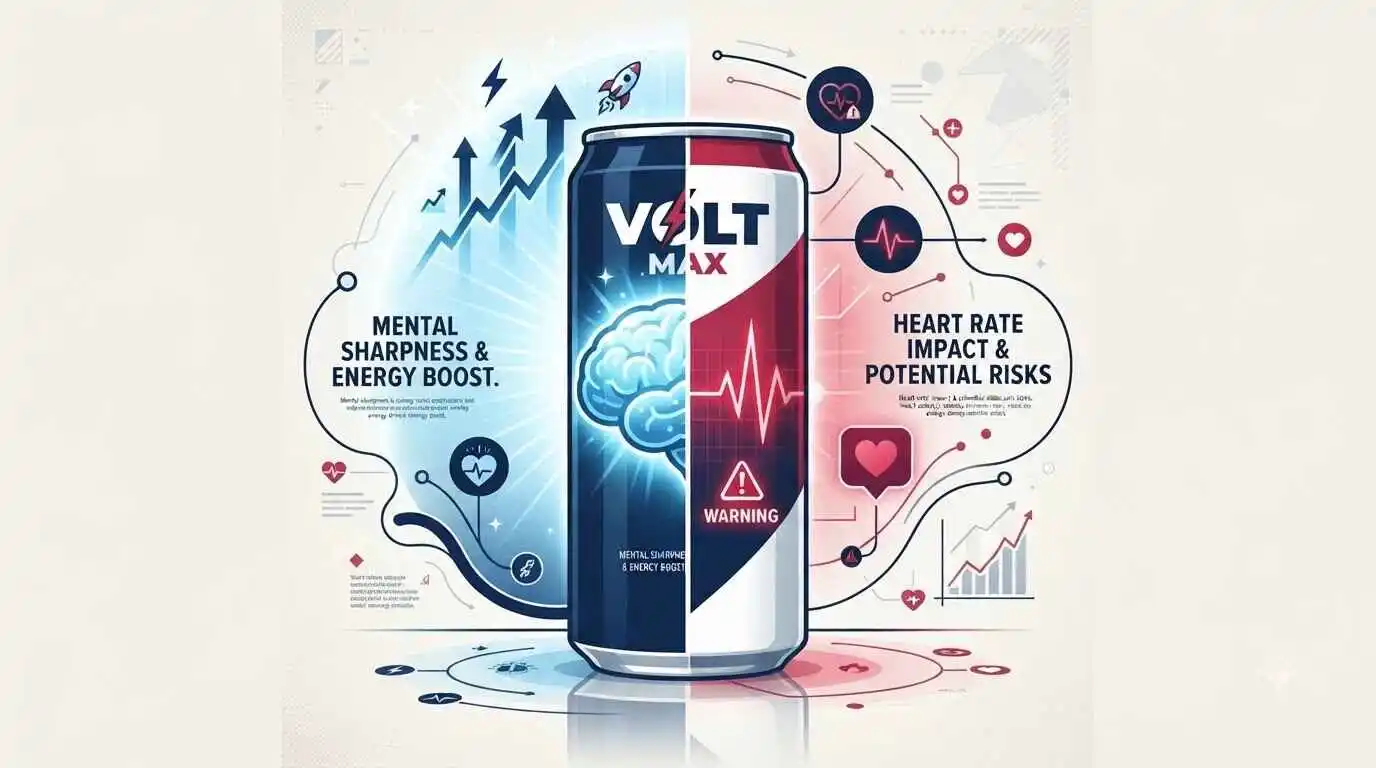
Energy drinks are now a multi-billion-dollar industry and a recurring subject of cardiac case reports. Here is what the evidence actually says about both sides.
A Billion-Dollar Industry Built on a Genuine Debate
Energy drinks have grown from a niche product into one of the fastest-growing categories in the entire beverage industry, consumed daily by hundreds of millions of people worldwide seeking an edge in alertness, workout performance, or simply getting through an exhausting afternoon. At the same time, energy drinks appear with striking regularity in cardiology case reports, emergency room visit statistics, and public health warnings, particularly regarding young people and high-volume consumption.
This is not a simple story of a healthy product versus a dangerous one. Energy drinks occupy a genuinely contested middle ground in nutrition science, where real, documented benefits coexist with real, documented risks, and where the honest answer to “are they good or bad” depends heavily on dose, individual health status, and how they are actually consumed. Understanding that nuance requires looking past the marketing on the can and the alarming headlines alike, toward what the actual research on caffeine, sugar, and cardiovascular response consistently shows.
What Is Actually Inside the Can
Most energy drinks share a common core formula built around caffeine as the primary active ingredient, typically ranging from about 80 milligrams in a standard can to well over 300 milligrams in some larger or more concentrated formulations, a range that spans from roughly one cup of coffee’s worth of caffeine to considerably more. Alongside caffeine, most formulations include a substantial amount of added sugar, though sugar-free versions using artificial or natural sweeteners have become increasingly common as consumer preferences shift.

Beyond caffeine and sugar, energy drinks typically include a cluster of additional ingredients marketed for their own energizing or performance effects: taurine, an amino acid; B vitamins, particularly B12 and B6; guarana, a plant extract that itself contains additional caffeine often not fully reflected in the labeled caffeine content; and sometimes ginseng or other herbal extracts. The scientific evidence supporting meaningful, independent benefits from these secondary ingredients at the doses typically used is considerably weaker than the evidence for caffeine itself, which most researchers consider the primary active driver of both the benefits and risks associated with these products.
The Real Cognitive and Alertness Benefits
The strongest, most consistently replicated evidence supporting energy drinks concerns their effect on alertness, reaction time, and short-term cognitive performance, benefits that are, at their core, well-established effects of caffeine itself rather than something unique to energy drinks as a category. Multiple controlled studies have shown measurable improvements in sustained attention, reaction time, and subjective alertness following energy drink consumption, particularly in sleep-deprived individuals, findings consistent with decades of separate caffeine research.
Some research has also examined whether the specific combination of ingredients in energy drinks produces effects beyond what caffeine alone would provide, with mixed and generally inconclusive results. A few studies have suggested modest additional benefits from the combination, particularly for mood and perceived energy, while others find no meaningful difference from caffeine-matched control beverages, suggesting caffeine content, not the broader ingredient blend, is doing most of the measurable work.
What the Exercise Performance Research Shows
Energy drinks are frequently marketed toward athletic and workout performance, and this is one area where the research genuinely does support a real, if modest, benefit. Multiple studies have found that consuming an energy drink or its caffeine equivalent before exercise can improve measures like muscular endurance, reaction time during athletic tasks, and perceived exertion, meaning exercise can feel somewhat easier at a given intensity level, findings broadly consistent with the well-established sports performance literature on caffeine specifically.
It is worth noting that these performance benefits are generally attributed to the caffeine content specifically rather than the full energy drink formulation, and that the accompanying sugar content in regular, non-diet formulations can itself provide a separate, complementary energy source during longer endurance activities, distinct from caffeine’s stimulant effect on the central nervous system.
Almost everything genuinely beneficial about an energy drink traces back to one ingredient: caffeine.
How Much Caffeine Is Actually Too Much
Health authorities including the U.S. Food and Drug Administration and the European Food Safety Authority generally consider up to 400 milligrams of caffeine per day, roughly equivalent to four cups of coffee, to be a reasonable upper limit for healthy adults without significant risk for most people. A single large energy drink can contain anywhere from a modest fraction of that daily limit to, in some more concentrated products, nearly the entire recommended daily maximum in one container, meaning total daily intake, including coffee, tea, and other caffeinated products consumed the same day, matters considerably more than any single can’s content in isolation.
The risk profile changes considerably when energy drinks are consumed in multiples within a short period, a pattern documented in numerous emergency room case reports involving young people consuming several cans within a few hours, sometimes combined with other caffeinated products, pushing total intake well beyond the generally recognized safe daily threshold and into a range associated with genuine acute cardiovascular risk.
The Cardiovascular Risks the Case Reports Keep Documenting
A recurring theme in cardiology literature involves case reports of cardiac arrhythmias, dangerously elevated blood pressure, and in rare but documented instances, more serious cardiac events following high-volume energy drink consumption, particularly in younger people without previously diagnosed heart conditions. Researchers believe this reflects caffeine’s known effects on heart rate and blood pressure, compounded in some cases by underlying, previously undiagnosed cardiac conditions that make an individual unusually sensitive to a large, rapid caffeine dose.
It is important to contextualize this risk accurately: the large majority of energy drink consumption, at moderate doses, in adults without underlying cardiac conditions, does not result in these serious outcomes, and case reports, by their nature, document unusual, adverse events rather than typical experiences. That said, the consistency with which these reports specifically implicate energy drinks, more so than equivalent caffeine consumed through coffee, has led some researchers to investigate whether the speed of consumption, typically much faster for a cold, refreshing energy drink than a hot cup of coffee, or the combination with other ingredients like taurine, might play some additional, still not fully understood role.
The Sugar Question, Separate From Caffeine
Regular, non-diet energy drinks often contain a substantial amount of added sugar, in some cases comparable to or exceeding the sugar content of a can of soda, raising separate metabolic health concerns entirely independent of caffeine’s effects. Regular consumption of high-sugar beverages, energy drinks included, is associated with increased risk of weight gain, dental erosion, and long-term metabolic concerns including elevated risk of type 2 diabetes, concerns well-documented in the broader sugar-sweetened beverage research literature and not unique to energy drinks specifically.
Sugar-free energy drink formulations sidestep this particular concern, though it is worth noting that some research has raised separate, less settled questions about long-term health effects of certain artificial sweeteners used as sugar substitutes, an active and evolving area of nutrition research that adds its own layer of complexity to evaluating a sugar-free energy drink as a straightforwardly healthier alternative.
The Dangerous Combination With Alcohol
Mixing energy drinks with alcohol, whether through pre-mixed products or manually combined drinks, represents one of the more clearly documented risk patterns in this space. Research has found that the stimulant effect of caffeine can mask the subjective feeling of intoxication without actually reducing alcohol’s impairing effects on coordination, judgment, and reaction time, leading people who combine the two to feel more alert and in control than their actual level of impairment would suggest, a phenomenon linked in multiple studies to increased risk-taking behavior and higher rates of alcohol-related injury.
This concern has been significant enough that several countries and jurisdictions have placed specific regulations or restrictions on pre-mixed caffeinated alcoholic beverages, and public health messaging around energy drinks frequently and specifically calls out this particular combination as carrying meaningfully elevated risk compared to consuming either substance independently.
Why Young People Face Disproportionate Risk
Adolescents and young adults represent a disproportionately large share of both energy drink consumers and the population documented in adverse event reports, a pattern multiple pediatric and public health organizations have flagged as a specific concern. Younger consumers are more likely to consume multiple cans in a single session, more likely to combine energy drinks with intense physical activity like sports practice, and, in some documented cases, more likely to have an underlying, undiagnosed cardiac condition that only becomes apparent following a significant caffeine-related cardiac event.
Several major pediatric health organizations, including the American Academy of Pediatrics, have specifically recommended against energy drink consumption for children and adolescents, distinguishing energy drinks from sports drinks, which serve a different, primarily electrolyte-replacement purpose without the same caffeine content, a distinction that surveys suggest many parents and young consumers are not fully aware of.
Dependence, Tolerance, and Withdrawal
Regular, heavy energy drink consumption can produce genuine caffeine dependence, characterized by tolerance requiring increasing amounts to achieve the same alertness effect, and withdrawal symptoms including headache, fatigue, irritability, and difficulty concentrating when consumption is stopped or significantly reduced. This pattern is consistent with caffeine dependence more broadly, rather than something unique to energy drinks specifically, though the concentrated caffeine content and appealing, easy-to-consume format of energy drinks may make it easier to develop a heavier daily consumption habit than with other caffeinated beverages.
Clinically significant caffeine withdrawal is generally considered manageable and temporary, typically resolving within a few days to a week, but it is worth acknowledging as a real, documented physiological pattern rather than dismissing regular energy drink dependence as purely a matter of personal habit or preference without any underlying physiological component.
Who Should Be Particularly Cautious
Certain populations face elevated risk from energy drink consumption and are generally advised to avoid or significantly limit intake: people with existing heart conditions or arrhythmias, pregnant individuals, given caffeine’s ability to cross the placenta and general medical guidance to limit caffeine intake during pregnancy, people taking certain medications that interact with caffeine or other stimulant ingredients, and anyone with a history of anxiety disorders, since caffeine can meaningfully worsen anxiety symptoms in sensitive individuals.
People with undiagnosed but underlying cardiac conditions represent a particularly concerning category precisely because the risk is not visible or known in advance, which is part of why public health messaging around energy drinks tends to emphasize moderation and awareness of total daily caffeine intake broadly, rather than assuming a lack of prior symptoms guarantees safety at any consumption level.
How the Industry Got This Big
The energy drink market has expanded dramatically over the past two decades, growing from a niche category pioneered by a handful of early brands into a global industry now worth tens of billions of dollars annually, with continued growth projected across most major markets. This growth has been driven substantially by aggressive marketing targeting sports, gaming, and extreme athletic culture, positioning energy drinks as a lifestyle product tied to performance and identity rather than simply a functional caffeinated beverage, a marketing strategy widely credited with the category’s outsized growth compared to more traditional caffeinated beverages.
This marketing approach has drawn specific criticism from public health researchers, who note that campaigns closely associated with extreme sports, gaming culture, and youth-oriented media have disproportionately reached younger audiences, a demographic that, as previously discussed, already carries elevated risk from high-volume consumption, creating a tension between the industry’s most effective marketing strategies and the population most vulnerable to the product’s potential downsides.
So, Beneficial or Damaging? The Honest Answer
The evidence supports a genuinely conditional answer rather than a simple verdict in either direction. At moderate doses, in healthy adults, energy drinks can provide real, measurable benefits for alertness and short-term exercise performance, benefits that are legitimate and well-supported by research, even if they largely trace back to caffeine rather than the broader marketed ingredient blend. At high doses, consumed rapidly, combined with alcohol, or consumed by people with underlying cardiac vulnerability, particularly younger consumers, the same products carry real, documented risk, reflected consistently in emergency medicine and cardiology literature.
The most evidence-aligned takeaway is not that energy drinks are simply good or simply bad, but that they behave like a moderately potent stimulant product deserving the same dose-awareness and contextual caution applied to any other concentrated caffeine source, rather than being treated as either a harmless lifestyle beverage or an inherently dangerous substance regardless of how it is actually consumed.
Frequently Asked Questions
| Question | Answer |
| What is the main active ingredient in energy drinks? | Caffeine is the primary active ingredient responsible for most of their effects. |
| How much caffeine is in a typical energy drink? | It ranges from about 80 milligrams to over 300 milligrams depending on the product. |
| What is considered a safe daily caffeine limit? | Health authorities generally consider up to 400 milligrams per day safe for healthy adults. |
| Do energy drinks actually improve alertness? | Yes, multiple studies show measurable improvements in alertness and reaction time, largely from caffeine. |
| Can energy drinks improve exercise performance? | Yes, research shows modest improvements in endurance and perceived exertion, mainly from caffeine. |
| What is taurine and does it help in energy drinks? | Taurine is an amino acid included in most formulas, though its independent benefit is not strongly established. |
| Are energy drinks dangerous for the heart? | High doses can pose cardiovascular risks, particularly in people with underlying heart conditions. |
| Why do young people face higher risks from energy drinks? | They are more likely to consume multiple cans quickly and may have undiagnosed cardiac conditions. |
| Is it dangerous to mix energy drinks with alcohol? | Yes, it can mask intoxication feelings while impairment remains, increasing risk-taking behavior. |
| Do sugar-free energy drinks avoid all health concerns? | They avoid sugar-related concerns but caffeine-related risks remain, and sweeteners raise separate questions. |
| Can energy drinks cause caffeine dependence? | Yes, regular heavy use can lead to tolerance and withdrawal symptoms when stopped. |
| What are common caffeine withdrawal symptoms? | Headache, fatigue, irritability, and difficulty concentrating are common withdrawal symptoms. |
| Should pregnant individuals avoid energy drinks? | Yes, caffeine intake is generally recommended to be limited during pregnancy. |
| Are energy drinks the same as sports drinks? | No, sports drinks focus on electrolyte replacement and typically lack significant caffeine content. |
| Do energy drinks affect anxiety? | Yes, caffeine can worsen anxiety symptoms in sensitive individuals. |
| Why are energy drinks linked more to case reports than coffee? | Faster consumption and combined ingredients may play a role, though this is not fully understood. |
| Can energy drinks cause high blood pressure? | Caffeine can temporarily raise blood pressure, especially at high doses. |
| Are the vitamins in energy drinks beneficial? | Added B vitamins provide limited additional benefit beyond typical dietary intake for most people. |
| Do energy drinks help with mental focus during work? | Yes, particularly in sleep-deprived individuals, primarily through caffeine’s alertness effect. |
| How quickly can caffeine from energy drinks take effect? | Effects typically begin within 15 to 45 minutes of consumption. |
| Can teenagers safely drink energy drinks? | Major pediatric organizations generally recommend against energy drink consumption for children and teens. |
| What happens if someone drinks multiple energy drinks quickly? | It can lead to excessive caffeine intake, raising risk of arrhythmia and other adverse effects. |
| Are energy drinks regulated differently than coffee? | Labeling requirements exist, though regulation varies by country and product formulation. |
| Can energy drinks worsen sleep quality? | Yes, caffeine consumption, especially later in the day, can disrupt sleep quality and duration. |
| Do energy drinks interact with medications? | Yes, caffeine can interact with certain medications, making medical consultation important for some users. |
| Is guarana just another source of caffeine? | Yes, guarana contains caffeine that may not be fully reflected in labeled caffeine content. |
| What population is most at risk from energy drink consumption? | People with underlying heart conditions and young, high-volume consumers face the greatest risk. |
| Can moderate energy drink consumption be part of a healthy routine? | For most healthy adults, moderate consumption is generally considered low-risk. |
| Why do researchers say the ingredient blend matters less than caffeine? | Most measurable benefits and risks are primarily attributable to caffeine content specifically. |
| What is the overall verdict on energy drinks? | They offer real benefits at moderate doses but carry real risks at high doses or in vulnerable individuals. |
⚕️Medical Disclaimer:
The information provided on this website is for general educational and informational purposes only and is not intended as a substitute for professional medical advice, diagnosis, or treatment. Always seek the advice of your physician or other qualified health provider with any questions you may have regarding a medical condition. Never disregard professional medical advice or delay in seeking it because of something you have read on this website.
