
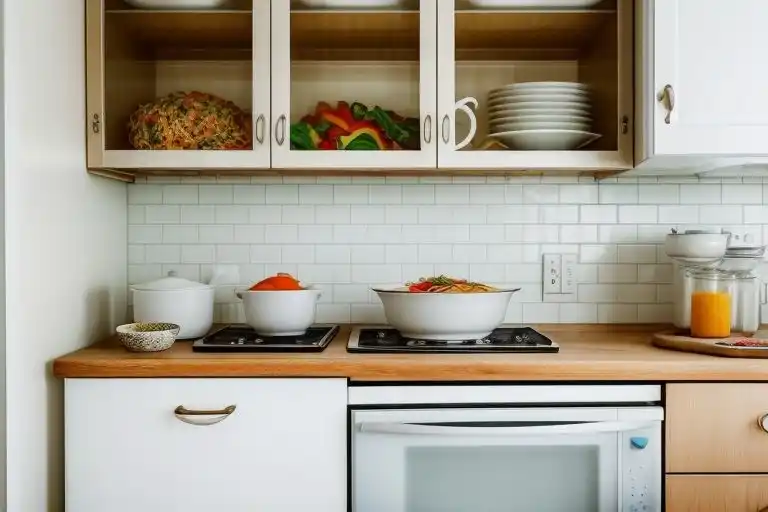
Reheating leftovers is a cornerstone of modern life, saving us time and reducing food waste. However, doing it safely and effectively is crucial to prevent foodborne illnesses and preserve the taste and texture of our hard-earned meals. This article will explore various reheating methods, highlighting the safest and healthiest approaches, and delving into the special technique of double boiling.
The Importance of Safe Reheating
Before we dive into specific techniques, let’s understand why proper reheating matters. Bacteria can multiply rapidly in cooked food that has cooled to room temperature. Reheating food to the correct temperature kills these harmful bacteria, making it safe to eat again. Generally, food needs to be reheated to an internal temperature of 165°F (74°C) to ensure safety.
Popular Reheating Methods: Pros, Cons, and Examples

- Microwave:
How it Works: Microwaves use electromagnetic radiation to heat food from the inside out.
Pros: Fast, convenient, and requires minimal equipment. Great for individual portions.
Cons: Can heat unevenly, leading to hot and cold spots. May dry out food if not careful.
Examples: Soups (stir frequently), stews, pasta dishes, rice, and individual portions of casseroles.
Tips: Use microwave-safe containers, cover food to retain moisture, stir halfway through, and check temperature in multiple places. Try not to reheat meats that are already pretty dry with the microwave. - Oven:
How it Works: The oven uses hot air to heat food, providing a more even and consistent heat.
Pros: Excellent for large quantities, helps maintain crispness (for items like pizza or fried chicken), and avoids drying out foods.
Cons: Slower than other methods, requires preheating, and uses more energy.
Examples: Pizza, casseroles, roasts, lasagna, and baked goods.
Tips: Use a lower temperature (around 325-350°F or 160-175°C) to prevent drying, add some moisture if needed (a splash of water or broth), cover loosely with foil to prevent burning. - Stovetop:
How it Works: Uses direct heat from a burner to heat food in a pot or pan.
Pros: Good for reheating sauces, soups, and foods that need to be stirred. Allows for better control over heat.
Cons: Can lead to scorching or sticking if not careful, requires monitoring.
Examples: Soups, stews, sauces, stir-fries, and rice dishes.
Tips: Use low to medium heat, stir frequently to prevent sticking, add a little liquid (water, broth, or oil) to prevent drying out.
Reheating Methods to Avoid
- Slow Cooker: Slow cookers are designed for cooking, not reheating. They take too long to reach a safe temperature, allowing bacteria to multiply.
- Room Temperature/Sun: Never leave food out at room temperature to reheat. Bacteria will flourish.
- Slow cookers are intended for cooking dishes from scratch rather than reheating already cooked food.
- Reheating in a slow cooker is not recommended due to the prolonged time it takes to reach a safe temperature, creating a breeding ground for bacteria.
- To ensure food safety, avoid using slow cookers for reheating purposes.
- Room temperature is not a safe environment for reheating food as it promotes bacterial growth.
- Leaving food out in the sun to warm up is not a recommended method for reheating as it can lead to foodborne illnesses.
- It is crucial to utilize appropriate reheating methods to prevent foodborne illnesses and ensure food safety.
- Consider using alternative reheating methods such as microwave ovens or stovetops for quicker and safer results.
- Always keep perishable food refrigerated until ready to be reheated to maintain freshness and prevent bacterial growth.
- Following proper reheating methods helps maintain food quality and minimizes the risk of foodborne illnesses.
- Avoid reheating food in slow cookers to prevent the potential growth of harmful bacteria.
- Room temperature is not a suitable environment for reheating food as it does not reach the necessary temperatures to kill bacteria.
- Reheating food under direct sunlight is not recommended as it does not ensure even heating, which can lead to bacterial contamination.
- Prioritize food safety by reheating leftovers using recommended methods and equipment.
- Slow cookers are effective for cooking meals slowly over several hours but are not ideal for reheating purposes.
- Room temperature reheating can result in bacteria multiplying rapidly, posing a health risk if consumed.
- Sun exposure can cause bacteria to thrive in reheated food, increasing the likelihood of foodborne illnesses.
- When reheating food, always opt for methods that heat food quickly and evenly to eliminate bacteria present.
- Avoid using slow cookers for reheating leftovers to prevent the risk of bacterial contamination.
- It is important to reheat food at safe temperatures to kill any bacteria present and ensure food safety.
- Reheating at room temperature is not a recommended practice as it does not eliminate harmful bacteria in the food.
- Exposure to sunlight during reheating can lead to uneven heating, creating hot spots where bacteria can survive.
- Choose reheating methods that comply with food safety guidelines to protect against foodborne illnesses.
- Slow cookers are designed for slow cooking at low temperatures and are not suitable for reheating cooked food.
- Reheating at room temperature can cause bacteria to multiply rapidly, leading to potential food safety concerns.
- Sun exposure during reheating may not heat food evenly, creating an environment for bacteria to thrive.
- Prioritize food safety by reheating leftovers using approved methods and equipment to maintain quality and safety.
- Opt for reheating techniques that heat food quickly and thoroughly to eliminate bacteria and ensure safe consumption.
- Avoid reheating leftovers in slow cookers to prevent bacterial growth and potential foodborne illnesses.
- Use reliable reheating methods to kill bacteria present in food and minimize the risk of foodborne illnesses.
- Ensure food safety by reheating leftovers using appropriate methods and avoiding slow cookers for this purpose.
The Safest and Healthiest Approaches
- Check the internal temperature: Always use a food thermometer to make sure food has reached 165°F (74°C).
- Reheat only once: Avoid reheating food multiple times, as this can increase the risk of bacterial growth and affect the quality of the food.
- Cool quickly and properly: Store leftovers in shallow containers and refrigerate promptly after meals. Don’t leave them out on the counter at room temperature.
- Use the right method: Choose the reheating method best suited to your food type, keeping in mind how to keep texture and moisture.
- Double Boiling: A Gentle Approach for Delicate Dishes
- Double boiling, also known as a bain-marie, is a gentle and indirect way to heat delicate foods. The method uses a pot of simmering water to create steam that heats a smaller bowl or container placed inside, preventing the food from direct heat.
How it Works: Fill a saucepan with a couple of inches of water and bring it to a simmer. Place a heatproof bowl on top of the pan, making sure that the bottom doesn’t touch the water. Add the food into the bowl and heat it slowly while stirring occasionally.
Pros: Very gentle, prevents scorching and sticking, evenly heats food, and suitable for tempering sauces or melting chocolate.
Cons: Slower than other methods.
Examples: Melting chocolate, making delicate sauces, custards, and reheating baby food.
Tips: Use a pot that allows a good seal with the bowl sitting above the steam. Keep an eye on the water lever and top up as required. Be careful not to splash hot water when handling the bowl.
