
Table of Contents
Is It Infection or Is It Death? The Critical Distinction Between Gangrene and Cellulitis
Imagine waking up with a red, swollen leg. It’s painful, hot to the touch, and looking worse by the hour. Is it a simple skin infection that a round of antibiotics can fix, or is it the beginning of a tissue-killing disease that could cost you a limb? This is the terrifying reality many patients face when dealing with skin and soft tissue conditions. In the medical world—and especially in medical education resources like the viral comparisons shared by platforms such as Medinaz—the distinction between Cellulitis and Gangrene is not just academic; it is a matter of life and death.
While both conditions can present with redness, swelling, and pain in an extremity, their pathophysiology, causes, and treatments are vastly different. Confusing the two can lead to catastrophic delays in treatment. This comprehensive guide delves deep into the “Gangrene vs. Cellulitis” debate, expanding on the key features found in comparative medical charts to help you understand the nuances of these dangerous conditions.
Understanding the Basics: Defining the Conditions
To truly grasp the gravity of these diagnoses, we must move beyond simple dictionary definitions and understand what is happening inside the body.
What is Cellulitis?
Cellulitis is a common, yet potentially serious, bacterial infection of the skin and the tissues immediately beneath it (the subcutaneous tissue). It is not an infection of the deep muscle or the skin surface itself (dermatitis), but rather the “meat” of the flesh. When bacteria breach the protective barrier of the skin—through a cut, scratch, or even an insect bite—they begin to multiply. The body responds by rushing white blood cells to the area, causing inflammation, heat, and pain. Think of cellulitis as a “battlefield” where the immune system is actively fighting an invading army of bacteria.

What is Gangrene?
Gangrene, on the other hand, is not an active infection in the same sense; it is a form of tissue death (necrosis). It occurs when a localized area of tissue loses its blood supply. Without oxygenated blood delivering nutrients and removing waste, the cells begin to die. While infection can cause gangrene (specifically “wet gangrene” or “gas gangrene”), the defining characteristic is the death of the tissue itself. Think of gangrene as the aftermath of a catastrophe—whether that catastrophe was a blocked highway (ischemia) or a bomb (severe infection). The tissue is no longer alive; it is decomposing.
The “Vs.” Breakdown: A Feature-by-Feature Analysis
Medical education charts, like the one provided by Medinaz, often simplify complex pathologies into comparison tables. To provide the depth required to understand these conditions fully, we will expand upon those standard comparison points—Definition, Causes, Symptoms, and Treatment.
- Definition: Inflammation vs. Necrosis
The most fundamental difference lies in the pathology.
- Cellulitis (Inflammation): As defined in clinical terms, cellulitis is an acute, diffuse, spreading infection of the skin. It involves the dermis and subcutis. The tissue is very much alive, but it is angry, inflamed, and under siege. The redness you see (erythema) is the result of capillary dilation, allowing immune cells to rush to the site.
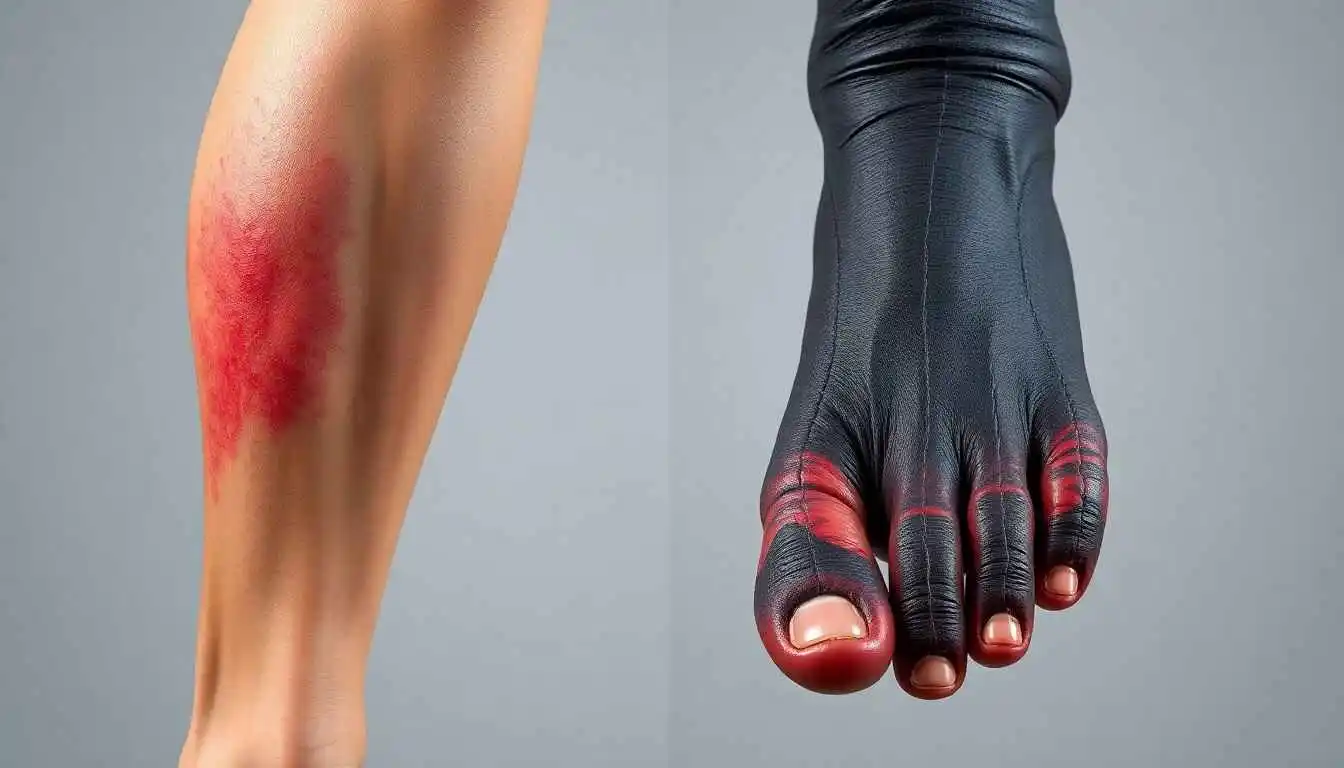
- Gangrene (Necrosis): Gangrene represents the death of body tissue. It can affect any part of the body, but is most common on the extremities (toes, fingers, limbs). In the comparison image, the distinction is clear: Cellulitis is an active process of infection; Gangrene is a state of tissue death, often resulting from a lack of blood flow (ischemia) or a severe, deep infection that has overwhelmed the blood supply.
- The Causes: Bacteria vs. Circulatory Failure
Understanding why these conditions happen is key to prevention and diagnosis.
Causes of Cellulitis: Cellulitis is almost exclusively caused by bacteria. The most common culprits are:
- Streptococcus pyogenes (Group A Strep): This is the most frequent cause. It can penetrate minor breaks in the skin.
- Staphylococcus aureus (Staph): Including Methicillin-resistant Staphylococcus aureus (MRSA), which is a more aggressive and harder-to-treat strain.
- Entry Points: The bacteria need a door to enter. This can be a surgical wound, an ulcer, a diabetic foot ulcer, an insect bite, or even a condition like athlete’s foot (tinea pedis) that causes cracks in the skin.
Causes of Gangrene: The causes of gangrene are more varied and complex, often involving a failure of the circulatory system:
- Ischemia (Lack of Blood Flow): This is the leading cause of “dry gangrene.” Conditions like atherosclerosis (hardening of arteries), blood clots, or diabetes can restrict blood flow to such a degree that tissue starves and dies.
- Severe Infection: “Wet gangrene” occurs when an infection (like untreated cellulitis) suddenly stops blood flow, often due to swelling (compartment syndrome) or bacterial toxins that destroy blood vessels.
- Trauma: Severe crushing injuries or frostbite can destroy tissue directly and interrupt blood supply.
- Gas Gangrene: Caused specifically by the bacterium Clostridium perfringens, which produces toxins that release gas bubbles inside the tissue, killing it rapidly.
- Clinical Presentation: What Does It Look Like?
This is where the visual comparison becomes critical. A patient or a doctor must distinguish between an angry red leg and a dying black leg.
Cellulitis Appearance:
- Color: The area is bright red (erythematous). The redness is often uniform and expands over time.
- Texture: The skin appears swollen, shiny, and tight. It may look like the skin of an orange (peau d’orange) due to edema.
- Borders: The edges of the infection are often distinct and irregular, actively spreading.
- Sensation: It is tender to the touch and warm (or hot). Pain is usually constant and throbbing.
- Systemic Signs: Because it is an infection, patients often have a fever, chills, and swollen lymph nodes near the affected area.
Gangrene Appearance:
- Color: This is the hallmark sign. The tissue turns dark, ranging from purple and blue to a definitive black or greenish-black. This coloration indicates deoxygenated blood and tissue death.
- Texture:
- Dry Gangrene: The skin becomes dry, shriveled, and leathery. It may look like mummified flesh. There is often a clear line of demarcation between the dead tissue and healthy tissue.
- Wet Gangrene: The area is swollen, oozing, and may produce a foul-smelling pus. There are no clear lines of demarcation; the infection is actively creeping into healthy tissue.
- Sensation:
- Dry Gangrene: Paradoxically, there may be very little pain because the nerves have died along with the tissue. Patients often report numbness.
- Wet/Gas Gangrene: This is extremely painful. If gas is present (gas gangrene), the skin may feel “crackly” to the touch (crepitus) due to gas trapped under the skin.
- Smell: A distinct, foul odor is often associated with wet gangrene and gas gangrene, caused by the release of metabolic byproducts of bacteria and decomposing tissue.
- Diagnosis and Prognosis
How do medical professionals confirm what they are seeing?
Diagnosing Cellulitis: Diagnosis is primarily clinical, meaning the doctor looks at it and recognizes it. However, they may also:
- Check for warmth and swelling.
- Perform a blood culture to see if bacteria have entered the bloodstream.
- Use ultrasound to rule out a deeper abscess (a pocket of pus), which would require drainage, not just antibiotics.
Diagnosing Gangrene: Diagnosis is more urgent and involves imaging and labs:
- Blood tests: To check for infection (high white blood cell count) and organ function.
- Imaging: X-rays can show gas in the tissues (gas gangrene). CT scans or MRI can show how deep the tissue death has spread.
- Surgery: The definitive diagnosis often happens in the operating room. A surgeon may need to perform an “exploratory debridement” to see how deep the necrosis goes.
Prognosis:
- Cellulitis: With prompt antibiotic treatment, the prognosis is excellent. Most people recover fully within 7–10 days.
- Gangrene: The prognosis depends on how quickly it is caught. Dry gangrene is slow-moving. Wet and gas gangrene are medical emergencies. Without immediate intervention (surgery/amputation), the mortality rate is extremely high due to sepsis.
The “Nuclear Option”: Treatments Compared
The treatment protocols for these two conditions highlight their different natures. Cellulitis is a medical disease treated with medicine; gangrene is often a surgical disease treated with a knife.
Treating Cellulitis
Since cellulitis is a bacterial infection, the primary weapon is antibiotics.
- Oral Antibiotics: For mild cases, a 7-10 day course of oral antibiotics (like cephalexin or dicloxacillin) is standard.
- IV Antibiotics: If the patient has a high fever, is immunocompromised, or the infection is on the face, hospitalization for intravenous antibiotics may be required.
- Supportive Care: Elevating the affected limb helps reduce swelling (edema) and speeds up recovery. Pain management is also crucial.
Treating Gangrene
You cannot bring dead tissue back to life with antibiotics. This is the harsh reality of gangrene.
- Debridement: This is the surgical removal of the dead tissue. A surgeon cuts away the necrotic flesh until they reach bleeding, healthy tissue. This stops the spread of infection.
- Amputation: If the gangrene has affected a limb extensively—particularly if it has spread up the finger or toe and into the foot or leg—amputation may be necessary to save the patient’s life.
- Vascular Surgery: If the gangrene is caused by blocked arteries (ischemia), surgeons may attempt to bypass the blockage or perform angioplasty to restore blood flow, potentially saving the limb.
- Hyperbaric Oxygen Therapy: Used sometimes for gas gangrene or chronic wounds, this involves placing the patient in a chamber with high oxygen pressure to help kill anaerobic bacteria and speed healing.
- Antibiotics: While surgery is the main treatment for gangrene, high-dose IV antibiotics are also used aggressively to fight the underlying infection.
Special Focus: The Diabetic Connection
It is impossible to discuss gangrene and cellulitis without addressing diabetes. In the medical image referenced earlier, “Diabetes” is a central risk factor that bridges both conditions.
Diabetics are prone to both cellulitis and gangrene for two main reasons:
- Neuropathy (Nerve Damage): High blood sugar damages nerves, particularly in the feet. A diabetic patient might step on a nail or glass and feel nothing. This untreated wound becomes an entry point for bacteria, leading to cellulitis.
- Vasculopathy (Blood Vessel Disease): Diabetes damages blood vessels, narrowing them and reducing blood flow (peripheral arterial disease). A minor infection in a toe cannot get enough blood to heal or to deliver the white blood cells needed to fight the bacteria.
The cycle is vicious: A small cut becomes cellulitis; the poor blood flow prevents healing; the infection deepens; the tissue dies, turning into gangrene. This is why diabetic foot care is a specialized medical field, and why amputation rates are higher among diabetics.
The Table Expanded: A Detailed Differential Diagnosis
To mirror the comparative style of the Medinaz image but provide deeper insight, here is an expanded breakdown:
| Feature | Cellulitis | Gangrene |
| Primary Pathology | Acute bacterial infection (Inflammation). | Tissue death (Necrosis). |
| Main Causes | Strep and Staph bacteria enter a skin break. | Ischemia (lack of blood flow), severe infection, or trauma. |
| Onset | Usually rapid (hours to days). | Variable: Dry gangrene is slow; Wet/Gas gangrene is rapid. |
| Appearance | Bright red, swollen, shiny, warm. | Dark, discolored (purple/black/green), dry/shriveled (dry) or oozing (wet). |
| Pain Level | Tenderness and throbbing pain. | Dry gangrene (often numb/painless). Wet gangrene (severe pain). |
| Systemic Signs | Fever, chills, and swollen lymph nodes are common. | Sepsis, shock, fever (in wet types). |
| Key Symptom | Spreading redness (erythema). | Loss of sensation, foul odor, crepitus (gas). |
| Primary Treatment | Antibiotics (oral or IV). | Surgical debridement or amputation. |
| Emergency Status | Urgent, but rarely immediately life-threatening. Surgical Emergency. | |
| Reversibility | Fully reversible with treatment. | Dead tissue is irreversible; it must be removed. |
Prevention and Lifestyle Modifications
Understanding the difference is vital, but preventing these conditions is even better.
Preventing Cellulitis:
- Hygiene: Wash wounds with soap and water immediately.
- Moisturize: Dry, cracked skin is a welcome mat for bacteria. Use lotion to prevent skin breaks.
- Protect: Wear gloves when gardening or working with tools.
- Treat Athlete’s Foot: Fungal infections create cracks in the skin that let bacteria in.
Preventing Gangrene:
- Manage Diabetes: Keep blood sugar under control to preserve nerves and blood vessels.
- Don’t Smoke: Smoking constricts blood vessels and accelerates atherosclerosis, leading to ischemia.
- Stay Warm: Frostbite can lead to gangrene. Dress appropriately in cold weather.
- Monitor Limbs: If you have poor circulation, check your feet and hands daily for cuts or color changes that won’t heal.
Conclusion: Awareness Saves Lives
The image comparing Gangrene and Cellulitis is more than just a study aid for medical students; it is a life-saving infographic. The transition from a red, swollen leg (cellulitis) to a black, necrotic limb (gangrene) can happen swiftly if the immune system fails or if blood flow is compromised.
Recognizing the “Red Flags”—the transition from warmth to coolness, from redness to purple/black, from pain to numbness—can mean the difference between a course of antibiotics and a life-altering amputation.
Whether you are a medical professional, a student, or simply someone concerned about your health, remember this golden rule: Cellulitis is an infection trying to kill the tissue; Gangrene is the tissue that has already died. Treat the infection before the tissue dies, and you save the limb. Wait too long, and the body may sacrifice the limb to save the life.
Always seek immediate medical attention if you notice rapidly spreading redness, intense pain, fever, or any discoloration of the skin. In the battle against these conditions, time is the most critical variable of all.
FAQS
- What is the fundamental difference between cellulitis and gangrene?
Cellulitis is an acute bacterial infection of the skin and underlying tissues that causes inflammation, whereas gangrene is the death of body tissue (necrosis) caused by a loss of blood supply or a severe, uncontrolled infection.
- Can cellulitis turn into gangrene?
Yes, if cellulitis is left untreated, the infection can spread deep into the tissues, block blood vessels, or cause severe swelling (compartment syndrome), which can cut off blood flow and lead to gangrene.
- What are the primary bacteria responsible for causing cellulitis?
The most common bacteria causing cellulitis are Streptococcus pyogenes (Group A Strep) and Staphylococcus aureus (Staph), including MRSA strains.
- Why does gangrene cause the skin to turn black or purple?
The dark discoloration is a sign of tissue death (necrosis) and deoxygenated blood. As red blood cells break down and tissue decomposes, they release pigments that turn the skin black, green, or purple.
- Is pain a reliable symptom to distinguish between the two conditions?
Not always. Cellulitis is typically painful and tender. However, dry gangrene often causes numbness because the nerves die along with the tissue. Wet gangrene, however, is usually very painful.
- What causes “dry gangrene” compared to “wet gangrene”?
Dry gangrene is usually caused by chronic reduced blood flow (ischemia) due to conditions like atherosclerosis or diabetes. Wet gangrene is caused by a sudden blockage of blood flow combined with a bacterial infection, leading to a moist, swollen appearance.
- How does diabetes increase the risk of both conditions?
Diabetes can cause neuropathy (nerve damage), making patients less likely to feel injuries, and vasculopathy (blood vessel damage), reducing blood flow. This combination makes minor wounds prone to infection (cellulitis) and slow healing, which can escalate to tissue death (gangrene).
- What is “gas gangrene”?
Gas gangrene is a rare but severe form caused by the bacterium Clostridium perfringens. It produces toxins that release gas bubbles inside the tissue, killing it rapidly and causing a crackling sensation under the skin.
- Can antibiotics cure gangrene?
Antibiotics alone cannot cure gangrene because dead tissue cannot be revived. Antibiotics are used to stop the spread of infection, but the dead tissue must be surgically removed (debridement) or the limb amputated.
- How is cellulitis typically treated?
Cellulitis is primarily treated with antibiotics. Mild cases are treated with oral antibiotics, while severe cases involving fever or extensive spreading may require intravenous (IV) antibiotics and hospitalization.
- What is surgical debridement?
Debridement is the surgical removal of dead, damaged, or infected tissue to help the remaining healthy tissue heal. It is a crucial step in treating gangrene to stop the spread of necrosis.
- Why is amputation sometimes necessary for gangrene patients?
If the gangrene has spread extensively and destroyed the muscles, arteries, and nerves of a limb, amputation may be the only way to prevent the infection from entering the bloodstream and causing fatal sepsis.
- What is the “line of demarcation” in gangrene?
This is a distinct visible line separating the dead, black tissue from the healthy, living tissue. It is commonly seen in dry gangrene and indicates where the blood supply stopped.
- Can poor circulation alone cause gangrene without an infection?
Yes, ischemia (lack of blood flow) due to arterial blockages, blood clots, or severe frostbite can cause tissue to die and lead to dry gangrene without any initial bacterial infection.
- What symptoms indicate that cellulitis is becoming a medical emergency?
If the redness is spreading rapidly, you have a high fever, the area is streaking (red lines moving up the limb), or you feel confusion or dizziness, you need immediate emergency care.
- Is gangrene contagious?
Gangrene itself is not contagious, as it is a condition of tissue death. However, the bacteria causing the infection (like Clostridium or Streptococcus) can be contagious if they enter an open wound on another person.
- How does smoking contribute to the risk of gangrene?
Smoking constricts blood vessels and damages the lining of the arteries, leading to poor circulation (peripheral arterial disease). This significantly increases the risk of tissue ischemia and dry gangrene.
- What role does “crepitus” play in diagnosing gangrene?
Crepitus is a crackling sensation felt when touching the skin, caused by gas trapped in the tissues. It is a classic sign of gas gangrene and requires immediate surgical intervention.
- Can cellulitis occur repeatedly in the same person?
Yes, individuals with chronic conditions like lymphedema (fluid buildup), venous insufficiency, or diabetes are prone to recurrent episodes of cellulitis.
- What is “peau d’orange” and how does it relate to cellulitis?
“Peau d’orange” (French for “orange peel”) describes the appearance of the skin in cellulitis, where edema (swelling) makes the skin look pitted and bumpy like an orange rind.
- How do doctors confirm the diagnosis of gangrene?
Doctors use a combination of physical exams, blood tests (to check for infection), and imaging scans like X-rays (to see gas), CT scans, or MRI to determine the depth and spread of tissue death.
- Why is keeping feet moisturized important for preventing cellulitis?
Dry, cracked skin provides an entry point for bacteria. Moisturizing helps maintain the skin barrier integrity, preventing cuts and fissures that lead to infection.
- Can frostbite lead to gangrene?
Yes, severe frostbite can cause ice crystals to form in cells, leading to blood vessel damage and tissue death. As the tissue thaws, it may turn black and develop into gangrene.
- What is the mortality rate for untreated gangrene?
Untreated gangrene, particularly wet or gas gangrene, has a very high mortality rate because it leads to sepsis (systemic infection) and organ failure.
- Are there any alternative treatments to surgery for gangrene?
In some cases, doctors may use hyperbaric oxygen therapy (breathing pure oxygen in a pressurized chamber) to help heal wounds and kill anaerobic bacteria, but it is usually an adjunct to surgery, not a replacement for it.
- How quickly does cellulitis usually respond to treatment?
Most patients with cellulitis start to see improvement—reduced redness, pain, and fever—within 24 to 48 hours of starting appropriate antibiotics.
- What is the difference between a skin ulcer and gangrene?
A skin ulcer is an open sore or wound on the skin that has not healed. Gangrene is the death of the tissue. An ulcer can lead to gangrene if it becomes infected and circulation is poor.
- Can you develop gangrene internally?
Yes, although less common, gangrene can affect internal organs (such as the gallbladder or intestines) due to blocked blood flow, rupture, or infection. This is extremely dangerous and often requires emergency surgery.
- Why is early detection critical in diabetic patients regarding foot issues?
Diabetics often lack sensation (neuropathy) and may not notice a small cut or infection. Early detection prevents a minor wound from progressing to cellulitis and eventually to limb-threatening gangrene.
- Is it safe to pop blisters that may be related to cellulitis?
No. Popping blisters creates an open wound that can introduce more bacteria, worsening the infection and increasing the risk of complications like gangrene.
Medical Disclaimer:
The information provided on this website is for general educational and informational purposes only and is not intended as a substitute for professional medical advice, diagnosis, or treatment. Always seek the advice of your physician or other qualified health provider with any questions you may have regarding a medical condition. Never disregard professional medical advice or delay in seeking it because of something you have read on this website.
