
Table of Contents
When Pain Wears No Wound: The Complete Truth About Neuralgia — The Nerve Pain That Doctors Often Miss
Introduction: Pain Without a Mark
Imagine a bolt of electricity shooting through your face without warning. Or a burning sensation so intense along your ribs that even the touch of clothing against your skin becomes unbearable. Or a stabbing, searing agony in your ear, your neck, or your lower back that appears in an instant and vanishes just as mysteriously — only to return seconds later, minutes later, or days later, unpredictably and relentlessly.
This is neuralgia. And for the millions of people who live with it, one of the most frustrating aspects is not just the pain itself — it is the invisibility of it. There is no broken bone to show on an X-ray. There is no wound to point to. There is no bleeding to dress. The body, to all outward appearances, looks entirely fine. But the pain is as real and as devastating as any injury a person can sustain.
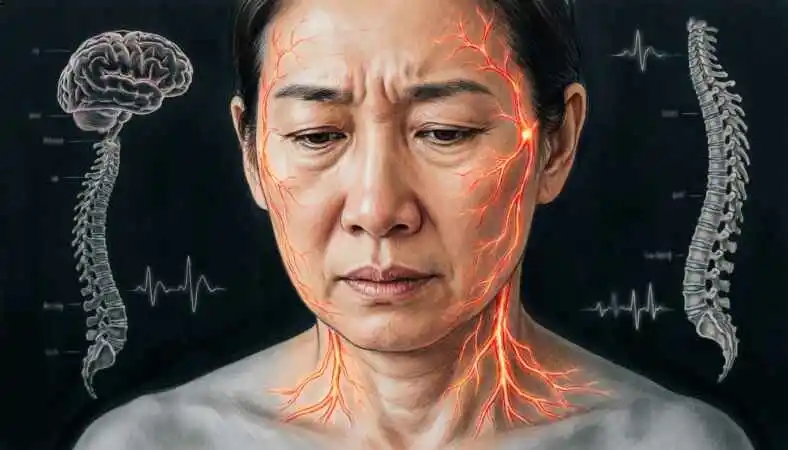
Neuralgia is defined, at its most fundamental, as pain in the distribution of a nerve or group of nerves. The word itself comes from the Greek — neuron (nerve) and algos (pain). It is, therefore, literally and precisely, nerve pain. But that clinical simplicity conceals a condition of extraordinary complexity, variety, and consequence.
This blog is a complete guide to neuralgia — what it is, how and why it happens, the many forms it takes, how it is diagnosed, how it is treated, and what life with it truly looks like. Whether you are a patient seeking answers, a caregiver trying to understand, or simply someone curious about one of medicine’s most challenging pain conditions, this is the guide you have been looking for.

Understanding the Nervous System: Why Nerves Hurt
To understand neuralgia, you must first understand what nerves are and what they do — because the pain of neuralgia is fundamentally a story about what happens when the nervous system’s extraordinary signalling machinery goes wrong.
The human nervous system is one of the most complex structures in the known universe. It consists of the central nervous system — the brain and spinal cord — and the peripheral nervous system, which is the vast web of nerves extending outward from the spinal cord to reach every corner of the body. These peripheral nerves carry two fundamental types of signals: sensory signals travelling inward (from the body to the brain, communicating sensations including touch, temperature, and pain) and motor signals travelling outward (from the brain to the muscles, controlling movement).
Nerves are not simple wires. They are living biological structures — bundles of individual nerve fibres called axons, each one a single cell that can be up to a metre long, wrapped in protective layers of insulating myelin and connective tissue. These axons transmit electrical signals at extraordinary speed and with extraordinary precision.
When a nerve is functioning normally, it transmits signals faithfully and only when genuinely triggered. A nerve in your fingertip fires when you touch a hot surface. A nerve in your tooth fires when you bite something cold. A nerve in your back fires when you are injured. The signal is proportionate, appropriate, and temporary.
Neuralgia occurs when this system malfunctions. The nerve begins firing pain signals not because of genuine external damage or threat, but because the nerve itself is irritated, compressed, damaged, or inflamed. The brain receives the pain signal and interprets it as real pain — because to the brain, there is no meaningful distinction between a pain signal caused by genuine tissue damage and a pain signal caused by a misfiring nerve. The pain of neuralgia is every bit as real as the pain of a fracture. It is the source that is different.
The Many Faces of Neuralgia: Types and Classifications
Neuralgia is not a single condition but a family of conditions, each defined by which nerve or nerve group is affected. Understanding the different types is essential to understanding why neuralgia can present so differently from patient to patient.
Trigeminal Neuralgia — The Suicide Disease
Trigeminal neuralgia is widely regarded as the most painful condition in medicine. It is called, with grim accuracy, the “suicide disease” — not because it is fatal, but because historically, before effective treatments existed, the pain drove some sufferers to take their own lives in desperation. Even today, it remains one of medicine’s most feared pain syndromes.
The trigeminal nerve is the fifth cranial nerve — the large nerve responsible for sensation across the face. It has three branches: one serving the forehead and scalp, one serving the cheek and upper lip, and one serving the jaw and lower lip. In trigeminal neuralgia, this nerve becomes hypersensitised, typically because a blood vessel pressing against it wears away its protective myelin sheath over time.
The result is pain of almost incomprehensible intensity — electric-shock-like jolts lasting from a fraction of a second to several minutes, triggered by the most mundane of activities: eating, speaking, smiling, brushing teeth, or even the touch of a gentle breeze against the face. Between attacks, there may be no pain at all — which makes the condition even more psychologically destabilising, as sufferers live in constant fear of when the next strike will come.
Postherpetic Neuralgia — The Legacy of Shingles
Postherpetic neuralgia (PHN) is the most common complication of shingles — the reactivation of the varicella-zoster virus (the same virus that causes chickenpox). When shingles resolves, the rash fades, and the blisters heal. But for a significant percentage of patients — particularly older adults and those who are immunocompromised — the nerve damage inflicted by the virus does not heal. The result is postherpetic neuralgia: persistent, severe burning, stabbing, or aching pain that follows the path of the shingles rash, sometimes for months, sometimes for years.
Postherpetic neuralgia is distinguished by its extraordinary sensitivity. The affected skin becomes so hypersensitised that even the lightest touch — a bedsheet, a breath of air — can trigger waves of agony. This phenomenon is called allodynia (pain from a stimulus that does not normally cause pain), and it is one of the most distressing features of the condition.
Occipital Neuralgia — The Hidden Headache
Occipital neuralgia involves the occipital nerves — the nerves that run from the top of the spinal cord through the scalp to the back and top of the head. When these nerves become irritated or injured, the result is severe, throbbing, or shock-like pain starting at the base of the skull and radiating upward over the scalp and sometimes behind the eyes.
Occipital neuralgia is frequently misdiagnosed as migraine or tension headache, delaying effective treatment. It can be caused by muscle tension, head or neck injury, inflammation, arthritis of the cervical spine, or compression of the nerve by nearby structures.
Intercostal Neuralgia — Pain Around the Ribs
The intercostal nerves run between the ribs, and when they become irritated or damaged — typically through injury, surgery, shingles, or compression — intercostal neuralgia produces sharp, burning, or aching pain that follows the path of the affected rib. The pain often wraps around the torso and can be worsened by breathing, coughing, sneezing, or movement. It is frequently mistaken for a musculoskeletal injury or, alarmingly, a cardiac event.
Pudendal Neuralgia — The Condition That Dare Not Speak Its Name
Pudendal neuralgia is pain in the distribution of the pudendal nerve, which serves the perineum, genitals, and lower rectum. It produces severe burning, stabbing, or aching pain in the pelvic floor and genital region, typically worse when sitting and relieved by standing. It is profoundly underdiagnosed — partly because of the intimate nature of its location and partly because many healthcare practitioners are unfamiliar with it — and it causes devastating effects on quality of life, relationships, and mental health.
Glossopharyngeal Neuralgia — Pain Deep in the Throat
Glossopharyngeal neuralgia affects the ninth cranial nerve, which serves the throat, tonsils, and part of the tongue. Like trigeminal neuralgia, it produces sudden, intense, electric-shock-like pain — but in the throat, tongue, tonsil, and ear. It is triggered by swallowing, speaking, coughing, or touching the throat. It is rarer than trigeminal neuralgia but similarly severe.
Causes: What Triggers the Nerve to Misfire?
The underlying causes of neuralgia are as varied as its manifestations, but they broadly fall into several categories.
Compression: Physical pressure on a nerve from a blood vessel, herniated disc, tumour, or nearby bone or tissue can irritate the nerve and trigger neuralgia. This is the mechanism behind trigeminal neuralgia in most cases — a blood vessel pressing against the nerve root where it enters the brainstem.
Viral and infectious causes: The varicella-zoster virus is the most prominent infectious cause of neuralgia, responsible for both the acute pain of shingles and the chronic pain of postherpetic neuralgia. HIV, Lyme disease, and syphilis can also cause neuropathic pain through nerve damage.
Demyelination: Multiple sclerosis (MS) causes progressive damage to the myelin sheaths that protect nerve fibres throughout the central nervous system. This demyelination can cause a range of neuropathic pain syndromes, including trigeminal neuralgia, which is significantly more common in MS patients than in the general population.
Diabetes: Diabetic neuropathy is one of the most common causes of chronic nerve pain in the developed world. Sustained high blood glucose levels damage the small blood vessels that supply peripheral nerves, causing progressive nerve damage that typically begins in the feet and hands, producing burning, tingling, stabbing pain, and eventually numbness.
Trauma and surgery: Physical injury to a nerve — from an accident, a surgical procedure, or medical intervention — can cause lasting nerve damage and chronic neuralgia. Intercostal neuralgia following thoracic surgery is a well-recognised complication. Nerve damage from dental procedures can cause persistent facial neuralgia.
Inflammatory and autoimmune conditions: Conditions like rheumatoid arthritis, lupus, and vasculitis can cause inflammation around nerves, leading to neuropathic pain. Guillain-Barré syndrome, an autoimmune attack on the peripheral nervous system, produces severe, diffuse nerve pain alongside motor weakness.
Idiopathic causes: In a significant proportion of neuralgia cases, no clear underlying cause can be identified even after thorough investigation. These idiopathic neuralgias are among the most frustrating for both patients and clinicians.
Symptoms: Recognizing Neuralgia’s Distinctive Fingerprint
The symptoms of neuralgia vary depending on which nerve is affected and what is causing the irritation, but several characteristics tend to distinguish neuropathic pain from other types of pain.
The quality of neuralgia pain is distinctive. Patients consistently describe it as electric shock-like, burning, stabbing, shooting, or lancinating (a medical term specifically meaning sharp and cutting, like a lance). These descriptors reflect the underlying mechanism — abnormal electrical activity in the nerve producing sensations that correspond to intense electrical or thermal stimulation.
Allodynia — pain triggered by stimuli that would not normally be painful — is a hallmark feature of many neuralgias. The lightest touch, a temperature change, or even a light breeze can trigger agonising pain in areas served by the affected nerve.
Hyperalgesia — an exaggerated pain response to stimuli that would normally cause mild pain — is another characteristic feature. A gentle pinch that would normally cause minimal discomfort produces severe pain.
Many neuralgias are episodic — sudden, unpredictable attacks of severe pain interspersed with pain-free intervals. This episodic nature, combined with the lack of visible injury, is what makes neuralgia so difficult for others to understand and why sufferers so frequently feel dismissed or disbelieved.
Autonomic features — sweating, skin colour changes, swelling — may accompany neuralgia in some cases, particularly in complex regional pain syndrome (CRPS), a severe form of neuropathic pain that develops after injury.
Diagnosis: The Challenge of Seeing Invisible Pain
Diagnosing neuralgia is one of medicine’s more challenging undertakings, precisely because the pain is neurological rather than structural — there is typically nothing to see on a standard X-ray or MRI that explains the patient’s experience.
Diagnosis relies heavily on a thorough clinical history. A detailed account of the pain’s quality, location, triggers, duration, and associated symptoms is often the most diagnostically valuable information a patient can provide. Neuralgia’s characteristic descriptors — electric, burning, shooting — are themselves diagnostically significant.
Physical examination includes neurological assessment to identify any deficits in sensation or motor function, and tests for allodynia and hyperalgesia in the affected distribution. The specific pattern of pain and sensitivity — precisely corresponding to the territory served by a particular nerve — is often the clearest clinical indicator of neuralgia.
Imaging plays a supporting role. MRI of the brain or spinal cord can identify structural causes of nerve compression — a blood vessel pressing against the trigeminal nerve, a herniated disc compressing a spinal nerve root. Specialised MRI sequences can even image the trigeminal nerve itself with high resolution.
Nerve conduction studies and electromyography (EMG) assess the electrical function of peripheral nerves and muscles, helping to identify peripheral neuropathies. Blood tests screen for underlying causes — diabetes, vitamin deficiencies, thyroid disorders, autoimmune conditions, and infections.
Treatment: The Toolkit for Managing Nerve Pain
There is no single treatment for neuralgia — the appropriate approach depends on the underlying cause, the specific nerve affected, and the individual patient’s circumstances. But the toolkit is substantial and growing.
Anticonvulsant medications are the first-line pharmacological treatment for most neuralgias. Carbamazepine, originally developed as an anti-epileptic drug, is particularly effective for trigeminal neuralgia — it works by stabilising the abnormally excitable nerve membrane, reducing the frequency and severity of pain attacks. Gabapentin and pregabalin, also anticonvulsants, are widely used for postherpetic neuralgia, diabetic neuropathy, and other peripheral neuralgias. They work by reducing the release of excitatory neurotransmitters in pain pathways.
Tricyclic antidepressants such as amitriptyline are among the most effective treatments for neuropathic pain, independent of their antidepressant effects. They work by inhibiting the reuptake of serotonin and norepinephrine in the central nervous system, modulating pain signalling pathways in the brain and spinal cord.
Topical treatments are valuable for conditions like postherpetic neuralgia, where allodynia makes any kind of pressure painful. Lidocaine patches (anaesthetic patches applied directly to the affected skin) and high-concentration capsaicin patches (derived from chilli peppers) reduce pain signals at the level of the skin and underlying nerves.
Nerve blocks — injections of local anaesthetic, sometimes combined with a steroid, around the affected nerve — can provide significant relief for months at a time. Occipital nerve blocks for occipital neuralgia, trigeminal nerve blocks for facial neuralgia, and intercostal nerve blocks for intercostal neuralgia are all well-established procedures.
Microvascular decompression (MVD) is the gold-standard surgical treatment for trigeminal neuralgia caused by vascular compression. A neurosurgeon separates the offending blood vessel from the trigeminal nerve root and places a small pad of Teflon between them, eliminating the source of compression. For carefully selected patients, the long-term success rate is excellent.
Radiosurgery — specifically Gamma Knife radiosurgery — is a non-invasive procedure that delivers a highly focused beam of radiation to the trigeminal nerve root, producing a controlled lesion that interrupts pain transmission. It is particularly useful for patients who are not suitable candidates for open surgery.
Spinal cord stimulation involves the implantation of small electrodes near the spinal cord that deliver gentle electrical impulses, modulating pain signalling. It is used for a range of chronic neuropathic pain conditions, including failed back surgery syndrome, complex regional pain syndrome, and peripheral neuropathy.
Neuromodulation and emerging therapies — including transcranial magnetic stimulation (TMS), transcranial direct current stimulation (tDCS), and dorsal root ganglion stimulation — represent the frontier of neuralgia treatment, with promising evidence accumulating for several applications.
Psychological and rehabilitative support are essential and often undervalued components of comprehensive neuralgia management. Cognitive behavioural therapy (CBT) helps patients develop coping strategies and address the catastrophising and fear-avoidant behaviours that chronic pain reliably produces. Pain management programmes integrating psychological, physical, and pharmacological approaches consistently produce better long-term outcomes than any single-modality treatment.
Living with Neuralgia: The Emotional and Psychological Dimensions
No account of neuralgia is complete without honest attention to what it does to a person’s life — not just their body, but their relationships, their identity, their mental health, and their sense of self.
Chronic, severe pain is one of the most reliable pathways to depression and anxiety. The relationship is bidirectional — depression lowers the pain threshold and makes pain feel more severe and more inescapable, while severe, uncontrolled pain depletes the neurotransmitters and neurological reserves that support psychological resilience. The result is often a vicious cycle in which pain worsens mood, and worsened mood worsens pain.
The unpredictability of episodic neuralgias like trigeminal neuralgia creates a specific and tormenting form of anticipatory anxiety — a constant bracing for the next attack that shapes every decision, every meal, every social engagement around the question of what might trigger it. Social isolation, withdrawal from work, and abandonment of activities that once gave life meaning are common consequences.
The invisibility of the pain creates its own specific burden. Patients with neuralgia routinely describe feeling disbelieved by family members, colleagues, and even healthcare providers. There is nothing to see. The person looks fine. The tests often appear normal. Yet the pain is overwhelming. This disbelief — or even the fear of disbelief — leads many neuralgia patients to stop talking about their experience, to minimise it, to smile through it, until the cumulative weight of that silence becomes its own form of suffering.
Support groups — both in-person and online — have become enormously valuable resources for neuralgia patients. Connecting with others who understand the specific and often bizarre experience of nerve pain, who validate the severity of it, who share practical strategies for managing it, and who provide the simple but profound comfort of being believed — this is often described as one of the most helpful interventions available.
Prevention and Risk Reduction: What You Can Do
While not all neuralgias are preventable, several meaningful risk reduction strategies exist.
Shingles vaccination — specifically the recombinant zoster vaccine (Shingrix), now recommended for adults over 50 — significantly reduces the risk of shingles and, crucially, of postherpetic neuralgia. The protection it offers is substantial and is one of the most clear-cut examples in medicine of a vaccine preventing not just an infection but a serious chronic pain condition.
Optimal management of diabetes dramatically reduces the risk and progression of diabetic neuropathy. Maintaining blood glucose within target ranges, managing blood pressure and cholesterol, exercising regularly, and avoiding smoking are all protective.
Protecting nerves from physical injury — using proper ergonomics, protective equipment, and safe movement practices — reduces the risk of traumatic neuralgia from repetitive strain or acute injury.
Early, aggressive treatment of shingles with antiviral medication (ideally within 72 hours of rash onset) reduces viral replication and nerve damage, lowering the risk of postherpetic neuralgia.
Conclusion: Believing the Pain You Cannot See
Neuralgia represents one of medicine’s great humbling experiences — a condition that reminds us how much we do not yet fully understand about pain, how inadequate our tools for measuring it are, and how much damage is done when severe, real suffering is met with scepticism.
Nerve pain is real. It is not imagined. It is not exaggerated. It is not a cry for attention. It is a genuine, often devastating neurological condition caused by a malfunctioning nervous system sending pain signals to a brain that has no choice but to interpret them as agonising.
Understanding neuralgia — its mechanisms, its many forms, its diagnosis, and its treatment — is a step toward a world in which those who live with it are met not with doubt but with the medical attention, psychological support, and human compassion they deserve.
If you or someone you love lives with nerve pain, know this: you are not alone, you are believed, and help exists. The toolkit is better than it has ever been. The research is advancing faster than ever before. And the conversation about chronic pain — about believing it, about measuring it, about treating it with the full seriousness it deserves — is louder and more urgent than at any point in medical history.
The pain you cannot see is the pain that matters most to understand.
Heal From Within: Powerful Natural Remedies & Lifestyle Changes That Truly Help Neuralgia
Nature’s Answer to the Pain No One Can See
This is not a guide that asks you to choose between conventional medicine and natural approaches. The most effective management of neuralgia is integrative — it draws on the best of what medical science offers while also harnessing the extraordinary healing resources that nature, movement, nutrition, and mindful living provide.
Whether you are newly diagnosed, managing long-term nerve pain, or supporting someone you love through this condition, this comprehensive guide covers every natural remedy and lifestyle strategy with genuine evidence behind it — explained clearly, honestly, and in enough depth to actually be useful.
Part One: Natural Remedies for Neuralgia
Capsaicin: The Fiery Healer from the Chilli Pepper
Perhaps the most counterintuitive of all natural remedies for nerve pain, capsaicin — the compound that gives chilli peppers their heat — is also one of the most scientifically validated. Capsaicin works through a specific and elegant mechanism: it activates and then desensitises a pain receptor called TRPV1 (transient receptor potential vanilloid 1), which is responsible for transmitting heat and pain signals. With repeated application, capsaicin depletes the neurotransmitter substance P from sensory nerve fibres — substance P is the chemical messenger that carries pain signals to the brain. Less substance P means fewer pain signals reaching the brain.
Over-the-counter capsaicin creams (typically 0.025% to 0.1% concentration) are available and can provide meaningful relief for conditions like postherpetic neuralgia, diabetic neuropathy, and intercostal neuralgia when applied consistently. The key is patience — capsaicin requires regular, sustained application (typically three to four times daily for several weeks) before its desensitising effects become apparent. Initial applications often produce a burning or stinging sensation at the site, which diminishes with continued use.
Higher-concentration capsaicin patches (8% concentration, available by prescription) have demonstrated significant clinical efficacy in clinical trials for postherpetic neuralgia and HIV-associated neuropathy, providing meaningful pain relief for up to three months from a single application. These higher-dose patches should be applied only under medical supervision.
For home application of lower-concentration creams, wash hands thoroughly after application and avoid contact with eyes, mucous membranes, or broken skin. Apply to clean, dry skin in the affected nerve distribution and allow to absorb fully before covering with clothing.
Magnesium: The Mineral That Quiets Overexcited Nerves
Magnesium is one of the most important minerals in the human body, involved in over 300 enzymatic reactions — and its role in nerve function and pain regulation is particularly significant. Magnesium acts as a natural calcium channel blocker and NMDA receptor antagonist. NMDA receptors play a central role in central sensitisation — the process by which the central nervous system becomes amplified in its response to pain signals, a key mechanism in chronic neuropathic pain. By modulating NMDA receptor activity, magnesium helps quiet the overexcited pain pathways that characterise neuralgia.
Research has consistently shown that many people with chronic pain conditions, including neuropathic pain, have low magnesium levels. Magnesium deficiency itself can worsen nerve hyperexcitability and increase pain sensitivity. Addressing this deficiency — through dietary sources and supplementation — is therefore both a preventive and therapeutic strategy.
Dietary sources richest in magnesium include dark leafy greens (particularly spinach and Swiss chard), dark chocolate, pumpkin seeds, almonds, cashews, legumes, whole grains, and avocados. For supplementation, magnesium glycinate and magnesium malate are among the most bioavailable and best-tolerated forms. Standard supplemental doses range from 200 to 400 milligrams daily, taken with food.
Magnesium also has a well-established muscle-relaxing effect, which is beneficial for neuralgias that are complicated by associated muscle tension and spasm, such as occipital neuralgia and intercostal neuralgia.
Alpha-Lipoic Acid: The Antioxidant That Regenerates Nerves
Alpha-lipoic acid (ALA) is a naturally occurring antioxidant compound synthesised in small amounts by the human body and present in foods including red meat, organ meats, and vegetables like broccoli, spinach, and Brussels sprouts. It has a unique property among antioxidants: it is both water-soluble and fat-soluble, allowing it to operate throughout the body and brain. Crucially, ALA can cross the blood-brain barrier, making it relevant to central as well as peripheral nervous system health.
For neuralgia, ALA’s importance lies in its demonstrated ability to reduce oxidative stress in nerve tissue — a key driver of nerve damage in diabetic neuropathy and other peripheral neuropathies. Multiple clinical trials, particularly in Germany where ALA has been used to treat diabetic neuropathy for decades, have demonstrated that ALA supplementation significantly reduces the burning, pain, and numbness associated with diabetic peripheral neuropathy. A major systematic review found meaningful improvements in neuropathic pain symptoms with ALA doses of 600 milligrams daily.
ALA also plays a role in glucose metabolism, helping cells use glucose more efficiently — which is directly relevant to diabetic neuropathy, where poor glucose control is the primary driver of nerve damage. Additionally, ALA regenerates other antioxidants including vitamins C and E and glutathione, multiplying its protective effect on nerve tissue.
Supplemental ALA is widely available and generally well-tolerated. The most common side effect is mild gastrointestinal discomfort, which can be minimised by taking it with food. The R-form of ALA (R-ALA) is considered more bioavailable than the synthetic S-form typically found in cheaper supplements.
B Vitamins: Essential Fuel for Nerve Health and Repair
The B vitamin family is indispensable for neurological health, and deficiencies in several B vitamins are directly linked to neuropathy and nerve pain. Understanding which B vitamins matter most for neuralgia, and why, helps make sense of why this nutritional category deserves prominent attention.
Vitamin B1 (Thiamine) is essential for the proper metabolism of glucose in nerve cells. Deficiency — common in heavy alcohol consumption, poor diet, and certain malabsorption conditions — causes a painful peripheral neuropathy. A specialised fat-soluble form called benfotiamine has shown particular promise in research for diabetic neuropathy, penetrating nerve cell membranes more effectively than standard thiamine.
Vitamin B6 (Pyridoxine) plays a crucial role in neurotransmitter synthesis and nerve function. However, it is worth noting that very high supplemental doses of B6 (above 200 milligrams daily) can paradoxically cause neuropathy — a rare but important caution to observe when supplementing.
Vitamin B12 (Cobalamin) is perhaps the most critical B vitamin for nerve health. B12 is essential for the synthesis and maintenance of myelin — the protective sheath surrounding nerve fibres whose degradation is a central feature in many neuralgias. B12 deficiency causes a well-characterised peripheral neuropathy with burning, tingling, and pain in the extremities. Older adults, vegans, vegetarians, and those taking medications including metformin and proton pump inhibitors are particularly at risk of deficiency. Methylcobalamin — the active, neurologically preferred form of B12 — has demonstrated specific benefit for neuropathic pain in research and is generally preferred over cyanocobalamin for nerve-related applications.
Folate (B9) works closely with B12 in nerve function and methylation pathways. The active form, 5-methyltetrahydrofolate (5-MTHF), is preferred, especially in those with MTHFR genetic variants that impair folate conversion.
A high-quality B complex supplement, or targeted B12 supplementation with methylcobalamin for those with specific deficiency or nerve pain, is a foundational natural strategy for supporting nerve health.
Herbal Remedies: Plants That Calm and Heal Inflamed Nerves
Traditional herbal medicine across multiple cultures has identified plants with specific nerve-calming and anti-neuralgic properties, and modern research is steadily validating many of these traditional claims.
St. John’s Wort (Hypericum perforatum) has a long history of use in European herbal medicine for nerve pain. Its active compounds — hypericin and hyperforin — have demonstrated anti-inflammatory and pain-modulating properties in research. Topical preparations of St. John’s Wort oil have shown particular promise for postherpetic neuralgia, reducing pain and allodynia when applied to the affected skin. When taken orally, important interactions with medications must be considered — St. John’s Wort is a potent inducer of cytochrome P450 enzymes and can reduce the effectiveness of numerous medications including anticonvulsants used to treat neuralgia. Medical advice before oral use is essential.
Skullcap (Scutellaria lateriflora) is a North American native herb with documented nervine (nerve-calming) and mild analgesic properties. It has been used traditionally for nerve pain, anxiety, and neuralgia. Its active flavonoid baicalin has demonstrated neuroprotective and anti-inflammatory effects in cell and animal studies.
Valerian (Valeriana officinalis) is best known for its sleep-promoting properties, but its muscle-relaxing and nerve-calming effects make it relevant to neuralgias complicated by muscle tension and sleep disruption — both of which worsen nerve pain in a self-reinforcing cycle.
Turmeric (Curcuma longa) contains curcumin, one of the most intensively studied natural anti-inflammatory compounds. Curcumin inhibits multiple inflammatory pathways including NF-κB, COX-2, and pro-inflammatory cytokines — all of which play roles in neuropathic pain and nerve inflammation. Bioavailability of curcumin is significantly enhanced by piperine (black pepper extract), and high-absorption formulations are recommended for therapeutic use.
Lavender (Lavandula angustifolia) essential oil has demonstrated analgesic and anti-inflammatory properties in multiple studies. Topical application or aromatherapy use can complement other pain management strategies, particularly for reducing the anxiety and stress that worsen nerve pain.
Acupuncture: Ancient Precision for Nerve Pain
Acupuncture — the insertion of fine needles into specific anatomical points along recognised meridians — is one of the most thoroughly researched of all complementary therapies for pain, and its evidence base for neuropathic pain is genuinely encouraging.
Multiple systematic reviews and randomised controlled trials have demonstrated that acupuncture provides meaningful pain relief for several forms of neuralgia, including postherpetic neuralgia, trigeminal neuralgia, and diabetic neuropathy. Proposed mechanisms include the stimulation of endogenous opioid release (the body’s own pain-relieving chemicals), modulation of the autonomic nervous system, reduction of neuroinflammation, and promotion of nerve repair through enhanced local circulation.
For trigeminal neuralgia specifically, acupuncture is increasingly used as an adjunct to medication, with several studies showing significant reductions in attack frequency and pain intensity with regular treatment courses. Points along the stomach, large intestine, and gallbladder meridians corresponding to the face and jaw are most commonly targeted.
Electroacupuncture — in which a mild electrical current is passed between pairs of inserted needles — has shown particularly strong results for neuropathic pain in research settings, with some evidence suggesting it may promote nerve regeneration.
Acupuncture is generally safe when performed by a qualified, licensed practitioner using sterile, single-use needles. Most patients require a course of treatment (typically 6 to 12 sessions) before the full benefit becomes apparent.
Essential Oils: Topical Relief for the Sensitive Nerve
For neuralgias with significant skin sensitivity, particularly postherpetic neuralgia and diabetic peripheral neuropathy, carefully chosen essential oils offer a gentle but meaningful topical approach to pain relief.
Peppermint oil contains menthol, which activates cold-sensitive receptors (TRPM8) in the skin, producing a cooling sensation that can temporarily override or reduce the burning and electric sensations of nerve pain through a counter-irritant mechanism.
Lavender oil has demonstrated topical analgesic and anti-inflammatory properties. A study published in the journal Evidence-Based Complementary and Alternative Medicine found that topical lavender oil application significantly reduced pain intensity in patients with knee pain — and its calming effect on the nervous system is well-established.
Frankincense (Boswellia) oil and its active compounds (boswellic acids) have potent anti-inflammatory activity, inhibiting the 5-lipoxygenase pathway that produces inflammatory leukotrienes.
Geranium oil has been specifically studied for postherpetic neuralgia, with a small but well-designed clinical trial demonstrating significant pain reduction following topical application compared to placebo.
Always dilute essential oils in a carrier oil (such as coconut, jojoba, or almond oil) before topical application — a typical dilution is 2-3% (roughly 10-15 drops of essential oil per 30ml of carrier). Never apply undiluted essential oils to skin, particularly hypersensitive neuropathic skin.
Part Two: Lifestyle Changes for Neuralgia
The Anti-Inflammatory Diet: Feeding Your Nerves to Heal
What you eat directly influences the level of systemic inflammation in your body — and inflammation is a primary driver of nerve irritation and neuropathic pain. Adopting an anti-inflammatory dietary pattern is one of the most powerful, sustainable, and evidence-based lifestyle interventions for neuralgia.
Foods to actively include:
The Mediterranean dietary pattern — richest in vegetables, fruit, whole grains, legumes, olive oil, fish, and nuts — is the most research-supported anti-inflammatory diet. Oily fish (salmon, mackerel, sardines, herring) are rich in omega-3 fatty acids (EPA and DHA), which have demonstrated specific neuroprotective effects and reduce the production of inflammatory prostaglandins and cytokines.
Dark leafy greens (spinach, kale, Swiss chard, rocket) provide magnesium, folate, vitamin K, and a wealth of anti-inflammatory phytonutrients. Colourful berries are rich in anthocyanins and polyphenols that reduce neuroinflammation. Walnuts provide plant-based omega-3s (ALA) alongside neuroprotective vitamin E. Olive oil’s oleocanthal has similar anti-inflammatory mechanisms to ibuprofen.
Foods to actively reduce or eliminate:
Ultra-processed foods, refined carbohydrates, and added sugars promote systemic inflammation and — critically for diabetic neuropathy — worsen blood glucose control, directly accelerating nerve damage. Trans fats and excess omega-6 fatty acids (found in most vegetable oils used in processed foods) promote the production of inflammatory mediators. Excessive alcohol is directly neurotoxic and depletes B vitamins essential for nerve health.
Blood glucose management:
For anyone with diabetes or pre-diabetes, tight blood glucose management through diet is the single most important dietary intervention for preventing and slowing the progression of diabetic neuropathy. This means emphasising low-glycaemic index foods, limiting refined carbohydrates, prioritising protein and healthy fats, and spreading carbohydrate intake across meals to avoid sharp blood sugar spikes.
Movement and Exercise: Gentle Activation for Healing Nerves
Exercise is a powerful pain modulator — but for neuralgia, the approach must be thoughtful, gradual, and tailored to the specific nerve condition and individual capacity.
Aerobic exercise (walking, swimming, cycling, gentle dancing) promotes circulation — including the microcirculation to peripheral nerves — stimulates the release of brain-derived neurotrophic factor (BDNF), which supports nerve health and regeneration, and triggers the production of endorphins and endocannabinoids, the body’s natural pain-relieving chemicals. A 2012 study published in Pain journal found that regular aerobic exercise reduced neuropathic pain scores and improved nerve function in diabetic neuropathy patients.
Even modest amounts matter. A daily 20-30 minute walk, maintained consistently, produces measurable improvements in neuropathic pain over weeks to months.
Yoga is particularly well-suited to neuralgia management because it combines gentle movement with breath awareness, relaxation, and body-mind reconnection. Specific poses can gently stretch and decompress nerve pathways — for example, gentle neck rolls and shoulder stretches for occipital neuralgia, child’s pose and cat-cow for lumbar nerve compression, and supine spinal twists for intercostal neuralgia. The parasympathetic activation produced by yoga’s breath-focused practice directly counteracts the sympathetic nervous system hyperactivation that worsens nerve pain. Modified, gentle yoga sequences — avoiding any pose that aggravates nerve symptoms — are ideal, preferably guided by an instructor with experience working with pain conditions.
Tai Chi and Qigong — the flowing movement traditions of Chinese medicine — have demonstrated meaningful benefits for neuropathic pain in multiple studies. Their slow, deliberate movements improve balance, circulation, and body awareness while producing the parasympathetic, stress-reducing effects that benefit nerve pain.
Physiotherapy with a physiotherapist experienced in pain conditions can provide targeted movement strategies, postural correction, nerve mobilisation techniques, and manual therapy to reduce nerve compression.
Sleep Optimisation: The Underestimated Nerve Healer
Sleep is when the body performs its most intensive repair and regeneration work — including nerve repair. Chronic sleep deprivation is both a consequence and a cause of worsened nerve pain, creating a vicious cycle that must be interrupted.
Research shows that poor sleep quality significantly lowers pain thresholds and increases the perceived intensity of neuropathic pain. Conversely, improving sleep quality reduces pain sensitivity. The glymphatic system — the brain’s waste-clearance mechanism — operates primarily during deep sleep, removing inflammatory byproducts, including those that contribute to central sensitisation.
Practical sleep optimisation strategies for neuralgia patients include establishing a consistent sleep and wake time seven days a week, creating a cool and dark sleeping environment, avoiding caffeine after midday, implementing a relaxing pre-sleep routine (warm bath, gentle stretching, reading), and addressing specific neuralgia triggers that disturb sleep — such as allodynia from bedding contact. Silk or bamboo bedding is gentler for hypersensitive skin. Positioning aids (body pillows, knee pillows) can reduce nerve compression during sleep.
Cognitive behavioural therapy for insomnia (CBT-I) is the gold-standard treatment for chronic insomnia in pain patients and is significantly more effective over the long term than sleep medication.
Stress Management and the Mind-Body Connection
The connection between psychological stress and nerve pain is direct, physiological, and clinically significant. Stress activates the sympathetic nervous system, floods the body with cortisol and adrenaline, increases systemic inflammation, and lowers the pain threshold — all of which amplify neuralgia.
Mindfulness-Based Stress Reduction (MBSR) is an eight-week structured programme combining mindfulness meditation, body scan practices, and gentle yoga. It has one of the strongest evidence bases of any psychological intervention for chronic pain, with multiple studies showing meaningful reductions in pain intensity, pain-related anxiety, and functional disability.
Diaphragmatic breathing (slow, deep belly breathing) activates the parasympathetic nervous system within minutes, reducing the sympathetic activation that worsens nerve pain. A simple practice of 4-7-8 breathing (inhale for 4 counts, hold for 7, exhale for 8) performed several times daily can meaningfully reduce baseline pain levels over time.
Cognitive Behavioural Therapy (CBT) specifically adapted for chronic pain addresses the catastrophising thoughts, fear-avoidant behaviours, and depression that consistently worsen nerve pain outcomes. It is available through pain management clinics and increasingly through digital platforms.
Journalling and expressive writing have demonstrated modest but meaningful effects on chronic pain in research — the act of processing emotions and experiences in writing reduces the psychological burden that amplifies physical pain.
Heat, Cold, and TENS: Physical Therapies at Home
Heat therapy — applied through warm compresses, heated pads, or warm baths — increases blood flow to the affected area, relaxes surrounding muscles, and can reduce the cramping and tension that often accompany nerve pain. For many forms of neuralgia, gentle warmth applied to muscles along the nerve pathway (rather than directly over the painful nerve itself) provides meaningful relief.
Cold therapy — ice packs or cold compresses applied for short periods — can reduce nerve conduction velocity, temporarily numbing the affected area and reducing the frequency and intensity of pain signals. Cold is particularly useful for sharp, acute pain episodes. Alternate heat and cold application (contrast therapy) can be highly effective for some patients.
Transcutaneous Electrical Nerve Stimulation (TENS) delivers mild electrical impulses through electrodes placed on the skin, stimulating large-diameter sensory nerve fibres that inhibit pain signals travelling through smaller pain fibres — the gate control theory of pain. Portable TENS units are widely available for home use and are safe, drug-free, and non-invasive. While results vary between individuals, many neuralgia patients find meaningful and immediate relief from TENS therapy. Electrode placement should be guided by the distribution of the affected nerve.
