
Table of Contents
How Vitamin C Strengthens Your metabolism and Enhances Overall Well-Being
Vitamin C, also known as ascorbic acid, is one of the most vital nutrients our bodies require to maintain optimal health. While we often hear about it in the context of cold prevention, its benefits stretch far beyond just bolstering our immune system. In this article, we will explore the importance of Vitamin C, its daily requirements, and its role in various bodily functions, including immunity, wound healing, and dental health.
The Essentials of Vitamin C
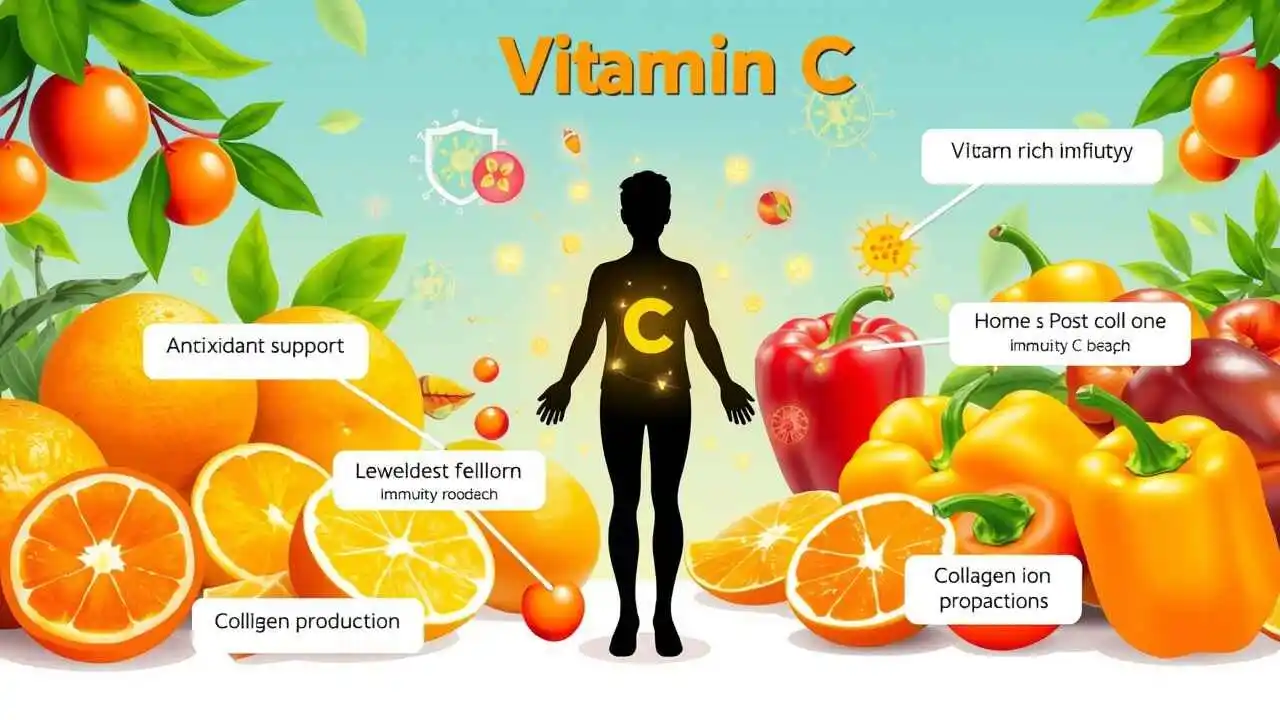
Vitamin C is a water-soluble vitamin that is essential for numerous bodily functions. As an antioxidant, it protects our cells from damage caused by free radicals, which are unstable molecules that can lead to chronic diseases and aging. Moreover, Vitamin C is crucial for the synthesis of collagen, a protein that plays a significant role in maintaining healthy skin, cartilage, bones, and blood vessels.
Daily Requirements of Vitamin C
Understanding how much Vitamin C we need daily is essential for maintaining our health. The recommended daily allowance (RDA) varies by age and gender. Here’s a quick breakdown:
| Age Group | Recommended Daily Allowance (RDA) |
| Infants (0-12 months) | 40 mg |
| Children (1-3 years) | 15 mg |
| Children (4-8 years) | 25 mg |
| Children (9-13 years) | 45 mg |
| Adolescents (14-18 years) | 65-75 mg |
| Adults (19 years and older) | 75-90 mg |
| Pregnant Women | 85 mg |
| Lactating Women | 120 mg |
As we can see, the requirements change based on different life stages, with higher amounts needed during pregnancy and lactation.

The Role of Vitamin C in Immunity
The immune system is a highly complex, multi-layered military defense network. Vitamin C is not a passive soldier in this network; it is a strategic commander. It operates on both the innate immune system (your body’s first line of defense) and the adaptive immune system (your targeted, long-term defense). One of the most well-known benefits of Vitamin C is its positive effect on our immune system. This powerful nutrient plays several roles in immune function:
- Stimulates the production of white blood cells: These cells are crucial for fighting infections.
- Enhances the function of immune cells: Vitamin C enhances the function of phagocytes and T-cells, both of which play pivotal roles in immune response.
- Supports skin health: Healthy skin acts as a barrier against pathogens. Vitamin C promotes the production of collagen, which is essential for skin integrity.
First and foremost, Vitamin C actively stimulates the production and mobilization of white blood cells (leukocytes). When a pathogen invades, you need an army, and Vitamin C ensures the barracks are fully staffed. But it doesn’t just create the army; it makes them sharper. It enhances the chemotaxis—the ability of immune cells like phagocytes to literally “chase down” and engulf bacteria and viruses. Furthermore, Vitamin C is crucial for the proliferation and function of T-cells, the specialized units that destroy infected cells and coordinate the entire immune response.
Perhaps its most elegant role in immunity is completely invisible to us: protecting the skin. Our skin is our largest organ and our primary physical barrier against the outside world. Vitamin C is an absolute prerequisite for the synthesis of collagen, the structural protein that gives skin its strength and elasticity. Without adequate Vitamin C, the skin becomes fragile and permeable, creating easy entry points for pathogens.
As Dr. John Doe aptly notes, “Vitamin C is the greatest antioxidant of all time, serving as a vital nutrient for our immune system.” This antioxidant capacity is critical because when immune cells do their job—attacking and destroying pathogens—they generate massive amounts of collateral damage in the form of free radicals. Vitamin C bathes these cells in a protective shield, preventing them from being destroyed by their own biological weapons.
Ways to Boost Immunity with Vitamin C
To harness the immune-boosting benefits of Vitamin C, consider these tips:
- Include citrus fruits: Oranges, lemons, and grapefruits are rich in Vitamin C.
- Add berries to your diet: Strawberries and blueberries are excellent sources.
- Incorporate vegetables: Bell peppers, broccoli, and Brussels sprouts contain high levels of Vitamin C.
- Consider supplements: If dietary sources are insufficient, Vitamin C supplements can be beneficial. However, consult with a healthcare professional before starting any new supplement regimen.
Wound Healing and Vitamin C
Vitamin C plays a significant role in the body’s ability to heal wounds. The synthesis of collagen, which is essential for repairing tissue, is heavily dependent on adequate Vitamin C levels. This nutrient not only accelerates the healing process but also helps to prevent infections in wounds by supporting the skin’s integrity.
Vitamin C acts as a mandatory cofactor for the enzymes that cross-link collagen molecules. Imagine a construction worker trying to build a brick wall without mortar; the bricks will just stack and topple over. That is exactly what happens to tissue repair in the absence of Vitamin C. The body can make the collagen proteins, but it cannot stitch them together into strong, resilient scar tissue.
Furthermore, when a wound is open, it is highly susceptible to bacterial invasion. By rapidly accelerating collagen synthesis, Vitamin C closes the wound faster, thereby reducing the window of opportunity for infections.
Signs You May Need More Vitamin C for Wound Healing
If you are experiencing any of the following, it might be time to evaluate your Vitamin C intake:
- Slow healing wounds: Cuts or scrapes that take longer than usual to heal.
- Frequent bruising: This may indicate weakened blood vessels due to insufficient collagen.
- Skin changes: Dry, rough skin could suggest a deficiency in collagen synthesis.
Vitamin C and Nail Health
We spend billions of dollars on manicures, polishes, and topical treatments for our nails, completely ignoring the biological reality that nail health is an inside-out process. Nails are primarily made of a tough structural protein called keratin. While Vitamin C doesn’t directly make keratin, it creates the biological scaffolding—the connective tissue and blood supply at the nail bed—that supports keratin production.
Brittle, peeling, and splitting nails are incredibly common, and while many blame dehydration or calcium deficiency, the root cause is very often insufficient Vitamin C. Without it, the nail bed becomes weak, leading to distorted nail growth and easy breakage.
Nurturing Nails: To build strong nails, combine Vitamin C-rich leafy greens (spinach, kale) with healthy fats found in nuts and seeds. These fats provide the lipid barrier needed to lock moisture into the nail, while the Vitamin C ensures the structural foundation remains intact.
Tips for Healthy Nails
To promote healthy nail growth, consider these dietary changes:
- Eat leafy greens: Spinach and kale are excellent sources of Vitamin C.
- Include nuts and seeds: These provide healthy fats and other nutrients necessary for nail health.
- Stay hydrated: Proper hydration is key to maintaining healthy skin and nails.
Tackling Lethargy with Vitamin C
The Iron-Vitamin C Synergy: Breaking the Chains of Lethargy
One of the most misunderstood aspects of chronic fatigue is the role of iron. Millions of people feel persistently lethargic, get dizzy when standing up, or feel cold all the time. They assume they need more sleep or more caffeine, but the underlying issue is often microcytic anemia—iron deficiency.
Here is the catch: you can eat all the iron-rich spinach and red meat in the world, but if your body cannot absorb it, it is useless. Dietary iron comes in two forms: heme (from animal sources, easily absorbed) and non-heme (from plant sources, very poorly absorbed).
Vitamin C is the master key that unlocks non-heme iron. It chemically reduces ferric iron (which the body struggles to absorb) into ferrous iron (which the body absorbs easily). By simply adding a squeeze of lemon juice to your spinach salad or eating a handful of strawberries after a bowl of lentils, you can multiply your iron absorption by up to six times. More iron means more oxygen transported to your cells, which translates directly to a profound increase in cellular energy and a drastic reduction in lethargy.
Additionally, Vitamin C directly combats oxidative stress in the mitochondria (the powerhouses of the cell). When mitochondria are damaged by free radicals, energy production plummets. Vitamin C protects these powerhouses, keeping your biological battery fully charged.
Ways to Combat Lethargy
To address lethargy, we can adopt several strategies:
- Incorporate more fruits and vegetables: Aim for a variety of colors to ensure a broad spectrum of nutrients.
- Stay active: Regular physical activity can help boost energy levels.
- Monitor iron intake: Pair iron-rich foods with Vitamin C sources for optimal absorption.
- Consider stress management techniques: Stress can lead to fatigue, so practices like yoga and meditation can be beneficial.
Tooth and Gum Health
Lastly, Vitamin C is vital for maintaining healthy teeth and gums. It supports gum health by preventing inflammation and protecting against gum disease. A deficiency in Vitamin C can lead to scurvy, which manifests as swollen gums, tooth loss, and overall oral health decline.
Oral Health Tips
To maintain good oral health, we should:
- Brush and floss regularly: This helps remove plaque and bacteria.
- Eat crunchy fruits and vegetables: These can help clean teeth naturally.
- Avoid sugary snacks: Reducing sugar intake helps prevent cavities and gum disease.
In conclusion, Vitamin C is an essential nutrient that significantly impacts our overall health. From boosting our immune system and aiding in wound healing to supporting nail health and combating lethargy, the benefits are extensive. It’s crucial that we pay attention to our dietary intake to ensure we meet our daily requirements. By incorporating a variety of fruits and vegetables into our diet and being mindful of our nutritional needs, we can harness the full potential of Vitamin C and promote a healthier lifestyle. Let’s take proactive steps to prioritize our health and wellbeing!
FAQs on Vitamin C Deficiency, Natural Remedies, and Lifestyle
1. What is Vitamin C Deficiency?
Answer: Vitamin C deficiency occurs when the body does not get enough vitamin C (ascorbic acid) from the diet or supplements. This can lead to a condition known as scurvy, which is characterized by symptoms such as fatigue, bruising, bleeding gums, and joint pain.
2. What are the symptoms of Vitamin C deficiency?
Answer: Common symptoms of Vitamin C deficiency include:
- Fatigue and weakness
- Easy bruising
- Bleeding gums and loose teeth
- Swollen, painful joints
- Slow wound healing
- Dry, rough skin
- Spoon-shaped nails with red or brown spots
- Dry, splitting hair
- Frequent infections and colds
3. How does Vitamin C deficiency affect the immune system?
Answer: Vitamin C plays a crucial role in supporting the immune system. It helps in the production of white blood cells, which are essential for fighting off infections. A deficiency in Vitamin C can weaken the immune system, making the body more susceptible to infections and diseases.
4. Can Vitamin C deficiency lead to scurvy?
Answer: Yes, severe and prolonged Vitamin C deficiency can lead to scurvy. Scurvy is a serious condition that can cause severe symptoms such as anemia, bleeding from the gums, joint pain, and even death if left untreated.
5. What are the natural sources of Vitamin C?
Answer: Vitamin C is found in a variety of fruits and vegetables. Some of the best natural sources include:
- Citrus fruits (oranges, lemons, limes, grapefruits)
- Berries (strawberries, raspberries, blueberries)
- Kiwi
- Bell peppers (red, green, yellow)
- Broccoli
- Tomatoes
- Spinach
- Kale
- Papaya
- Mango
6. How can I increase my Vitamin C intake through diet?
Answer: To increase your Vitamin C intake, you can:
- Include a variety of fruits and vegetables in your diet, especially those high in Vitamin C.
- Eat raw or lightly cooked fruits and vegetables to preserve the Vitamin C content, as it is sensitive to heat and can be destroyed during cooking.
- Consider adding a Vitamin C-rich fruit or vegetable to every meal.
- Drink fresh fruit juices, but be mindful of added sugars.
7. Are there any lifestyle changes that can help prevent Vitamin C deficiency?
Answer: Yes, several lifestyle changes can help prevent Vitamin C deficiency:
- Balanced Diet: Ensure your diet is rich in fruits and vegetables.
- Regular Exercise: Regular physical activity can improve overall health and nutrient absorption.
- Stress Management: Chronic stress can deplete Vitamin C levels, so practicing stress-reduction techniques like meditation, yoga, or deep breathing can be beneficial.
- Avoid Smoking: Smoking can significantly reduce Vitamin C levels in the body, so quitting smoking is important.
- Adequate Sleep: Getting enough sleep can help the body absorb and utilize nutrients more effectively.
8. Can I take Vitamin C supplements to prevent deficiency?
Answer: Yes, Vitamin C supplements can be a useful way to ensure you are getting enough of this essential nutrient, especially if your diet is lacking. However, it’s important to consult with a healthcare provider before starting any new supplement regimen to determine the appropriate dosage and ensure it does not interact with any medications you may be taking.
9. What is the recommended daily intake of Vitamin C?
Answer: The recommended daily intake of Vitamin C varies by age and sex:
- Adult Men: 90 mg per day
- Adult Women: 75 mg per day
- Pregnant Women: 85 mg per day
- Breastfeeding Women: 120 mg per day
- Smokers: An additional 35 mg per day is recommended due to increased needs.
10. Can too much Vitamin C be harmful?
Answer: While Vitamin C is generally safe, excessive intake (more than 2,000 mg per day) can cause side effects such as:
- Diarrhea
- Nausea
- Stomach cramps
- Headaches
- Insomnia
- In rare cases, kidney stones
It’s important to stay within the recommended daily intake to avoid these side effects.
11. How can I test for Vitamin C deficiency?
Answer: If you suspect you have a Vitamin C deficiency, you can consult a healthcare provider who can order a blood test to measure your Vitamin C levels. This test can help determine if you need to adjust your diet or take supplements.
12. Can Vitamin C deficiency be treated?
Answer: Yes, Vitamin C deficiency can be treated by increasing your intake of Vitamin C through diet and supplements. In severe cases, a healthcare provider may prescribe high-dose Vitamin C supplements. Regular follow-up with a healthcare provider is important to monitor your progress and adjust treatment as needed.
By understanding the importance of Vitamin C and making lifestyle changes to ensure adequate intake, you can prevent deficiency and maintain optimal health.
