
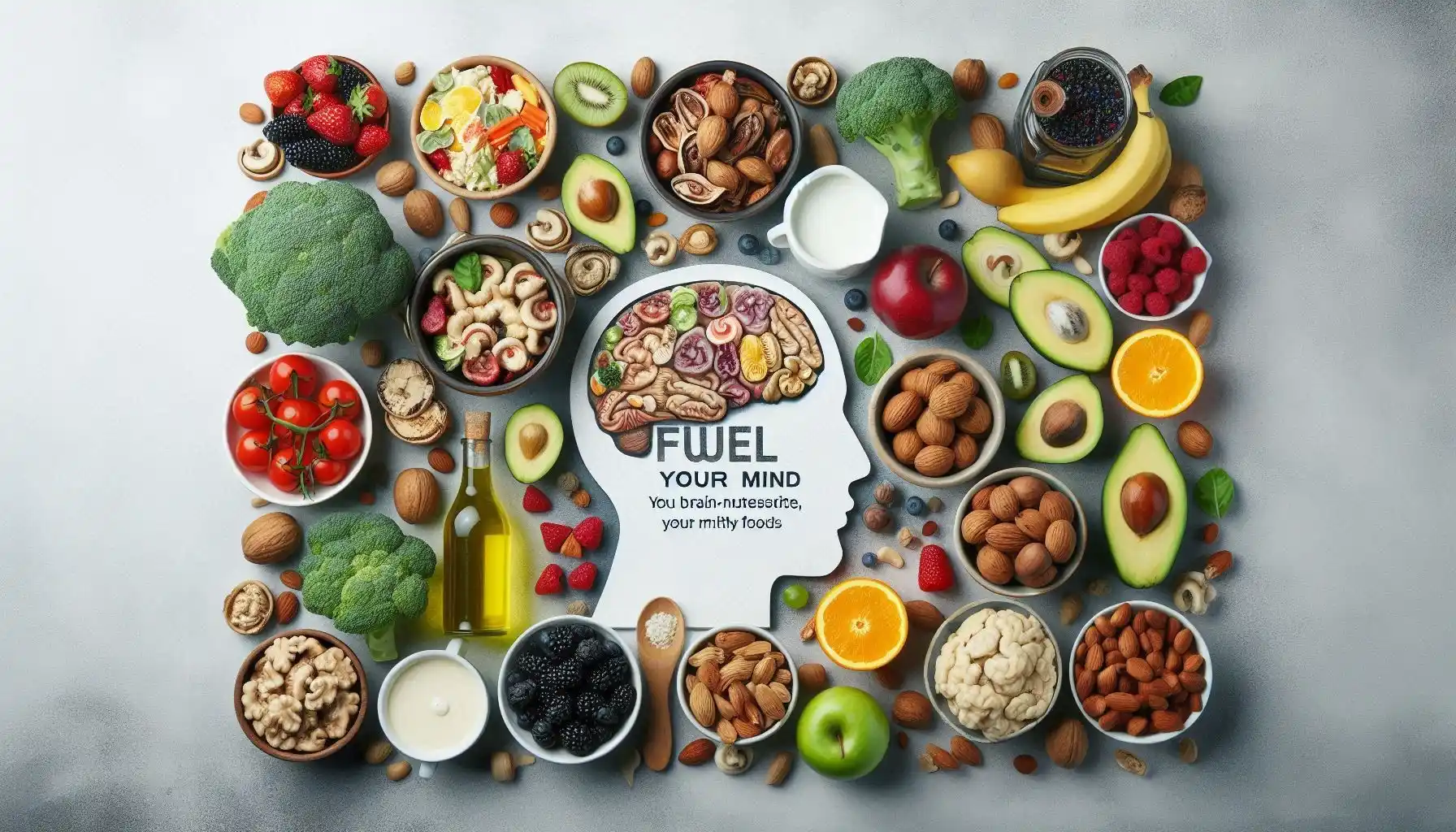
Top Foods for Brain Health: Fuel Your Mind for Optimal Performance
In today’s fast-paced world, maintaining optimal brain health is more important than ever. Whether you’re a student, a professional, or simply someone who wants to stay sharp and focused, the foods you eat play a crucial role in how your brain functions. As someone who has always been passionate about the intersection of nutrition and mental well-being, I can attest to the transformative power of a well-balanced diet. Today, I want to share with you the top 20 foods that can help fuel your mind and enhance your cognitive performance.
Introduction
The brain is one of the most complex and vital organs in the human body. It controls everything from our thoughts and emotions to our movements and senses. Just like any machine, the brain needs the right fuel to function at its best. While there are countless supplements and brain-boosting products on the market, the truth is that many of the nutrients your brain needs can be found in everyday foods. By incorporating these foods into your diet, you can support your brain health, improve your memory, and enhance your overall cognitive function.
“The brain is a wonderfully complex organ, and the foods we eat can have a profound impact on its function and performance. By making conscious choices about what we eat, we can give our brains the best possible chance to thrive.” – Dr. John Ratey, Harvard Medical School

The Top 20 Brain-Boosting Foods
1. Wild Salmon
Wild salmon is a powerhouse of omega-3 fatty acids, which are essential for brain health. Omega-3s help build and maintain brain cell membranes, improve the structure of brain cells, and reduce inflammation. They are also crucial for memory and learning. Aim to eat wild salmon at least twice a week to reap the benefits.
2. Blueberries
Blueberries are often referred to as “brain berries” due to their high concentration of flavonoids, which can improve memory and protect the brain from oxidative stress and inflammation. They are also rich in antioxidants, which can help delay brain aging.
3. Broccoli
Broccoli is a cruciferous vegetable that is rich in vitamin K and choline, both of which are essential for cognitive function. Vitamin K is known to enhance cognitive abilities and improve brainpower, while choline helps with memory and learning.
4. Nuts and Seeds
Nuts and seeds, such as walnuts, almonds, and flaxseeds, are excellent sources of omega-3 fatty acids, vitamin E, and antioxidants. These nutrients help protect the brain from oxidative stress and improve cognitive function. A handful of nuts or seeds a day can do wonders for your brain health.
5. Avocados
Avocados are a rich source of healthy monounsaturated fats, which help increase blood flow to the brain. They also contain folate and vitamin K, which can help prevent blood clots in the brain and improve cognitive function.
6. Eggs
Eggs are a great source of several nutrients tied to brain health, including vitamins B6 and B12, folic acid, and choline. Choline is particularly important as it is a precursor to the neurotransmitter acetylcholine, which is involved in memory and mood regulation.
7. Dark Chocolate
Dark chocolate is not just a delicious treat; it’s also rich in flavonoids, caffeine, and antioxidants. These compounds can improve blood flow to the brain, enhance cognitive function, and even reduce the risk of neurodegenerative diseases.
8. Turmeric
Turmeric, a spice commonly used in Indian cuisine, contains a compound called curcumin. Curcumin has strong anti-inflammatory and antioxidant properties and has been shown to boost brain-derived neurotrophic factor (BDNF), a type of growth hormone that helps brain cells grow and multiply.
9. Beets
Beets are a great source of nitrates, which can dilate blood vessels and increase blood flow to the brain. They also contain betanin, a pigment that can help protect the brain from oxidative stress.
10. Spinach
Spinach is rich in vitamin K, folate, and beta-carotene, which can help improve cognitive function and reduce the risk of Alzheimer’s disease. It’s also a good source of magnesium, which can help improve memory and learning.
11. Green Tea
Green tea contains caffeine and L-theanine, an amino acid that can help relax the mind without causing drowsiness. It also has powerful antioxidants that can protect the brain from oxidative stress and reduce the risk of cognitive decline.
12. Coffee
Coffee is a well-known stimulant that can help improve mental alertness and focus. It contains caffeine and antioxidants, which can help protect the brain and reduce the risk of neurodegenerative diseases like Parkinson’s and Alzheimer’s.
13. Olive Oil
Olive oil is a healthy fat that is rich in antioxidants called polyphenols. These polyphenols can help improve learning and memory and reduce the risk of cognitive decline. Use olive oil in your cooking or as a dressing to reap the benefits.
14. Flaxseeds
Flaxseeds are one of the best plant-based sources of omega-3 fatty acids, particularly alpha-linolenic acid (ALA). They are also rich in fiber and lignans, which can help reduce inflammation and improve cognitive function.
15. Elderberries
Elderberries are a rich source of anthocyanins, which are powerful antioxidants that can help protect the brain from oxidative stress and improve cognitive function. They are also a good source of vitamin C, which can help reduce the risk of age-related cognitive decline.
16. Pumpkin Seeds
Pumpkin seeds are a great source of zinc, magnesium, and iron, all of which are essential for brain health. Zinc is particularly important for enhancing memory and thinking skills.
17. Oranges
Oranges are a rich source of vitamin C, which is a powerful antioxidant that can help protect the brain from oxidative stress and reduce the risk of cognitive decline. Vitamin C is also important for the production of neurotransmitters like dopamine and serotonin.
18. Rosemary
Rosemary is a fragrant herb that contains carnosic acid, a compound that can help protect the brain from neurodegeneration. It also has anti-inflammatory properties that can help reduce the risk of cognitive decline.
19. Oatmeal
Oatmeal is a great source of complex carbohydrates, which provide a steady supply of glucose to the brain. It is also rich in fiber, which can help regulate blood sugar levels and keep the brain functioning optimally.
20. Walnuts
Walnuts are a top brain food due to their high content of omega-3 fatty acids, antioxidants, and vitamin E. They have been shown to improve cognitive function and reduce the risk of neurodegenerative diseases.
How to Incorporate These Foods into Your Diet
1. Meal Planning
- Breakfast: Start your day with a bowl of oatmeal topped with blueberries and a sprinkle of flaxseeds.
- Lunch: Enjoy a spinach salad with slices of avocado, walnuts, and a drizzle of olive oil.
- Dinner: Grill some wild salmon and serve it with a side of steamed broccoli and a cup of green tea.
- Snacks: Munch on a handful of almonds or pumpkin seeds for a quick brain-boosting snack.
2. Smoothies and Juices
- Brain-Boosting Smoothie: Blend together a cup of spinach, a handful of blueberries, a tablespoon of flaxseeds, and a scoop of Greek yogurt for a nutrient-rich smoothie.
- Energy-Boosting Juice: Combine beets, apples, and ginger to create a refreshing juice that can help increase blood flow to the brain.
3. Herbal Teas
- Turmeric Tea: Boil water with a teaspoon of turmeric, a pinch of black pepper, and a dash of honey for a warming and brain-boosting drink.
- Rosemary Tea: Steep fresh rosemary in hot water for 10 minutes and enjoy the aromatic benefits.
1. Can I get all the necessary nutrients from a well-balanced diet?
Absolutely! A well-balanced diet that includes a variety of fruits, vegetables, lean proteins, and healthy fats can provide most of the nutrients your brain needs to function optimally. However, if you have specific dietary restrictions or deficiencies, you may want to consider supplements.
2. How often should I eat these brain-boosting foods?
For best results, try to incorporate at least one or two brain-boosting foods into each meal. For example, add some walnuts to your morning oatmeal, enjoy a spinach and avocado salad for lunch, and have a piece of dark chocolate as an afternoon snack.
3. Are there any brain-boosting foods that are easy to prepare?
Yes, many brain-boosting foods are easy to prepare. For instance, you can eat blueberries as a snack, add flaxseeds to your smoothies, or enjoy a cup of green tea. These foods require minimal preparation and can be easily incorporated into your daily routine.
4. Can these foods help with stress and anxiety?
Many of these foods, such as dark chocolate, green tea, and walnuts, contain compounds that can help reduce stress and anxiety. For example, the L-theanine in green tea can help relax the mind without causing drowsiness, while the magnesium in walnuts can help calm the nervous system.
5. What are some other ways to support brain health?
In addition to eating a brain-boosting diet, other ways to support brain health include getting regular exercise, maintaining a healthy sleep schedule, managing stress, and engaging in mentally stimulating activities like reading, puzzles, and social interactions.
FAQs
General Brain Health & Nutrition
- Q1: What is the best diet for brain health?
- A well-balanced diet rich in omega-3 fatty acids, antioxidants, vitamins (like Vitamin K, C, and E), and healthy fats is best for optimal brain function.
- Q2: How does food affect brain function?
- The brain needs the right fuel to function at its best. Nutrient-rich foods build brain cell membranes, reduce inflammation, improve blood flow, and protect against oxidative stress.
- Q3: Can everyday foods improve memory and cognitive function?
- Yes, many essential nutrients for cognitive performance, memory, and learning can be found in everyday foods rather than just expensive supplements.
- Q4: Do I need supplements for brain health, or can I get nutrients from food?
- While supplements exist, the vital nutrients your brain needs can naturally be found in a well-rounded diet of everyday foods.
- Q5: What are the most important nutrients for brain health?
- Key nutrients include omega-3 fatty acids, antioxidants, flavonoids, vitamin K, choline, vitamin E, and healthy monounsaturated fats.
- Q6: How do antioxidants benefit the brain?
- Antioxidants protect the brain from oxidative stress and inflammation, which can delay brain aging and reduce the risk of cognitive decline.
- Q7: What role do omega-3 fatty acids play in brain health?
- Omega-3s help build and maintain brain cell membranes, improve brain cell structure, and are crucial for memory and learning.
Fruits & Berries
- Q8: Why are blueberries called “brain berries”?
- They are high in flavonoids and antioxidants that improve memory, protect against oxidative stress, and help delay brain aging.
- Q9: How do oranges support brain health?
- Oranges are rich in Vitamin C, an antioxidant that protects the brain from oxidative stress and aids in the production of neurotransmitters like dopamine and serotonin.
- Q10: What are the brain benefits of elderberries?
- Elderberries contain anthocyanins (powerful antioxidants) and Vitamin C, which protect the brain from oxidative stress and reduce age-related cognitive decline.
- Q11: Can eating avocados improve blood flow to the brain?
- Yes, avocados are rich in healthy monounsaturated fats that help increase blood flow to the brain, while also providing folate and vitamin K to prevent blood clots.
Vegetables & Greens
- Q12: How does broccoli help with cognitive function?
- Broccoli is rich in vitamin K (which enhances cognitive abilities) and choline (which helps with memory and learning).
- Q13: What makes spinach a brain-healthy food?
- Spinach contains vitamin K, folate, beta-carotene, and magnesium, which improve cognitive function and memory while reducing the risk of Alzheimer’s disease.
- Q14: Why are beets good for your brain?
- Beets contain nitrates that dilate blood vessels and increase brain blood flow, plus a pigment called betanin that protects against oxidative stress.
- Q15: Are there any vegetables that reduce the risk of Alzheimer’s disease?
- Yes, spinach is rich in specific nutrients (like folate and beta-carotene) that can help reduce the risk of Alzheimer’s disease.
Nuts, Seeds & Healthy Fats
- Q16: Which nuts are best for brain health?
- Walnuts, almonds, and pumpkin seeds are excellent choices due to their high levels of omega-3s, vitamin E, zinc, and antioxidants.
- Q17: How do flaxseeds benefit the brain?
- Flaxseeds are a top plant-based source of omega-3s (ALA) and are rich in fiber and lignans, which reduce inflammation and improve cognitive function.
- Q18: What are the cognitive benefits of pumpkin seeds?
- They are a great source of zinc, magnesium, and iron. Zinc is particularly important for enhancing memory and thinking skills.
- Q19: Why is olive oil considered good for the brain?
- Olive oil is rich in polyphenols (antioxidants) that help improve learning and memory while reducing the risk of cognitive decline.
- Q20: How do walnuts help prevent neurodegenerative diseases?
- Walnuts are packed with omega-3 fatty acids, antioxidants, and vitamin E, which improve overall cognitive function and lower the risk of neurodegenerative diseases.
Proteins & Other Foods
- Q21: Why are eggs considered a brain food?
- Eggs are rich in vitamins B6, B12, folic acid, and choline. Choline is a precursor to acetylcholine, a neurotransmitter vital for memory and mood regulation.
- Q22: Is dark chocolate actually good for your brain?
- Yes, dark chocolate is rich in flavonoids, caffeine, and antioxidants that improve blood flow to the brain, enhance cognitive function, and reduce neurodegenerative risks.
- Q23: How does oatmeal fuel the brain?
- Oatmeal provides complex carbohydrates for a steady supply of glucose (the brain’s primary energy source) and fiber to regulate blood sugar levels.
- Q24: What makes wild salmon a powerhouse for brain health?
- Wild salmon is loaded with omega-3 fatty acids, which build brain cell membranes, reduce inflammation, and are crucial for memory and learning.
Beverages & Spices
- Q25: How does turmeric boost brain health?
- Turmeric contains curcumin, which has strong anti-inflammatory properties and boosts BDNF (a growth hormone that helps brain cells grow and multiply).
- Q26: What is the difference between how coffee and green tea affect the brain?
- Coffee improves mental alertness and focus via caffeine, while green tea contains L-theanine, an amino acid that relaxes the mind without causing drowsiness.
- Q27: Can rosemary protect the brain from neurodegeneration?
- Yes, rosemary contains carnosic acid, which protects the brain from neurodegeneration and has anti-inflammatory properties to reduce cognitive decline.
- Q28: Does green tea help with mental focus without causing drowsiness?
- Yes, the combination of caffeine and the amino acid L-theanine in green tea helps relax the mind and improve focus without making you sleepy.
- Q29: How does coffee reduce the risk of neurodegenerative diseases?
- Coffee contains caffeine and powerful antioxidants that protect the brain and lower the risk of diseases like Parkinson’s and Alzheimer’s.
- Q30: What compound in turmeric helps brain cells grow and multiply?
- Curcumin, the active compound in turmeric, boosts brain-derived neurotrophic factor (BDNF), which acts as a growth hormone for brain cells.
Conclusion
Fueling your brain with the right nutrients is one of the best investments you can make in your mental well-being. By incorporating these top 20 brain-boosting foods into your diet, you can improve your cognitive function, enhance your memory, and reduce the risk of neurodegenerative diseases. Remember, the journey to optimal brain health is ongoing, and small, consistent changes can lead to significant improvements over time.
A Final Thought
“Your brain is the most important organ in your body, and what you eat can make a difference in how it functions. By making conscious choices about your diet, you can support your brain health and enjoy a sharper, more focused mind.” – Dr. David Perlmutter, Neurologist and Author
Let’s make a commitment to nourish our brains with the best foods possible. Your future self will thank you for it.
Disclaimer: The content on this blog is for informational purposes only. The author’s opinions are personal and not endorsed. Efforts are made to provide accurate information, but completeness, accuracy, or reliability are not guaranteed. The author is not liable for any loss or damage resulting from the use of this blog. It is recommended to use the information on this blog at your own discretion.
