
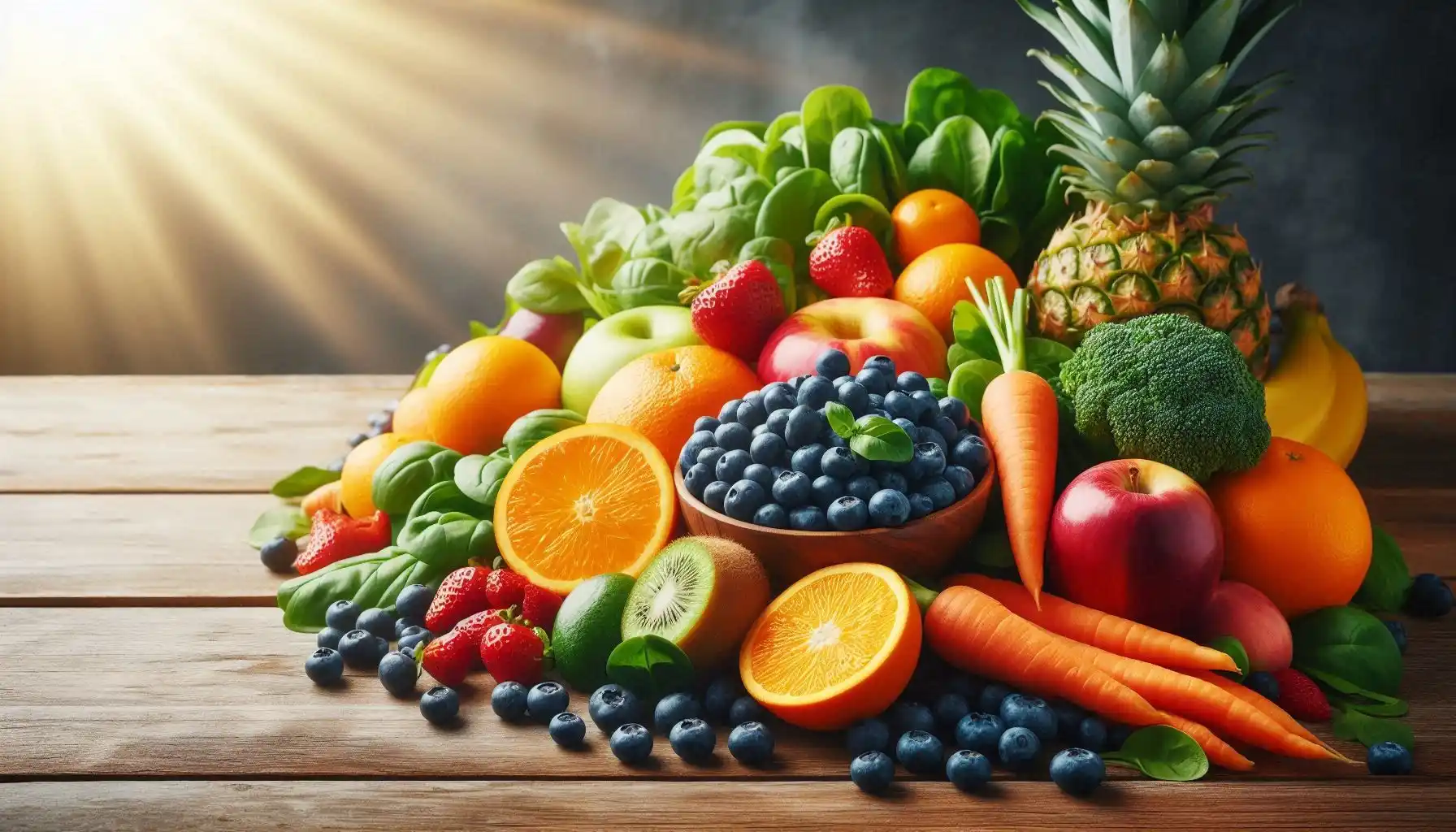
Fruit for Your Eyes: The Top 20 Fruits Packed with Eye-Boosting Nutrients
In the fast-paced world we live in, maintaining good eye health is more crucial than ever. Our eyes are constantly exposed to screens, pollution, and other environmental stressors that can lead to fatigue, strain, and long-term damage. While a balanced diet is essential for overall health, certain fruits are particularly beneficial for the eyes due to their high content of vitamins, minerals, and antioxidants. In this article, we will explore the top 20 fruits that can help you maintain and improve your eye health.
1. Blueberries
Blueberries are often hailed as a superfood, and for good reason. They are rich in antioxidants, particularly anthocyanins, which have been shown to protect the eyes from oxidative stress and inflammation. These antioxidants can help reduce the risk of age-related macular degeneration (AMD) and cataracts.
“Blueberries are not only delicious but also a powerhouse of antioxidants that can help protect the eyes from damage.” — Dr. Andrew Weil, Integrative Medicine Expert

2. Strawberries
Strawberries are a rich source of vitamin C, which is essential for the health of the blood vessels in the eyes. Vitamin C also helps in the production of collagen, a protein that provides structure to the cornea and sclera. Regular consumption of strawberries can help reduce the risk of cataracts and AMD.
3. Oranges
Oranges are well-known for their high vitamin C content, which is crucial for maintaining the integrity of the blood vessels in the eyes. Vitamin C also helps in the absorption of iron, another nutrient that is important for eye health. Additionally, oranges contain flavonoids, which have anti-inflammatory properties that can protect the eyes from oxidative stress.
4. Kiwi
Kiwi is another fruit that is packed with vitamin C and other antioxidants. It also contains lutein and zeaxanthin, two carotenoids that are concentrated in the macula of the eye. These carotenoids help filter harmful blue light and protect the eyes from damage caused by free radicals.
5. Peaches
Peaches are a good source of vitamins A and C, both of which are essential for maintaining good vision. Vitamin A is particularly important for night vision, while vitamin C helps protect the eyes from oxidative stress. Peaches also contain beta-carotene, which the body converts into vitamin A.
6. Apricots
Apricots are rich in vitamin A, which is essential for the production of rhodopsin, a pigment in the retina that helps with night vision. They also contain beta-carotene, which can help reduce the risk of AMD and cataracts. Additionally, apricots are a good source of fiber, which can help maintain a healthy digestive system.
7. Mangoes
Mangoes are a tropical fruit that is high in vitamin A and beta-carotene, both of which are important for maintaining good vision. They also contain lutein and zeaxanthin, which can help protect the eyes from damage caused by blue light. Mangoes are also a good source of vitamin C and fiber.
8. Grapes
Grapes are rich in antioxidants, including resveratrol, which has been shown to have anti-inflammatory and anti-aging properties. Resveratrol can help protect the eyes from oxidative stress and reduce the risk of AMD. Grapes also contain flavonoids, which can help improve blood flow to the eyes.
9. Pomegranates
Pomegranates are a rich source of antioxidants, including ellagic acid and punicalagins, which have been shown to have anti-inflammatory and anti-cancer properties. These antioxidants can help protect the eyes from damage caused by free radicals. Pomegranates also contain vitamin C and potassium, which are important for maintaining healthy blood pressure and blood flow to the eyes.
10. Blackberries
Blackberries are a good source of vitamin C and antioxidants, including anthocyanins, which can help protect the eyes from oxidative stress. They also contain fiber, which can help maintain a healthy digestive system. Regular consumption of blackberries can help reduce the risk of cataracts and AMD.
11. Raspberries
Raspberries are another berry that is rich in vitamin C and antioxidants, including ellagic acid, which has been shown to have anti-inflammatory and anti-cancer properties. They also contain lutein and zeaxanthin, which can help protect the eyes from damage caused by blue light. Raspberries are a good source of fiber and can help maintain a healthy digestive system.
12. Cherries
Cherries are a good source of vitamin C and antioxidants, including anthocyanins, which can help protect the eyes from oxidative stress. They also contain melatonin, a hormone that regulates sleep, which can help reduce eye strain and fatigue. Regular consumption of cherries can help improve sleep quality and reduce the risk of cataracts and AMD.
13. Bananas
Bananas are a good source of vitamin A and potassium, both of which are important for maintaining good vision. Potassium helps regulate fluid balance in the body, which can help reduce eye strain and fatigue. Bananas are also a good source of fiber, which can help maintain a healthy digestive system.
14. Avocados
Avocados are a rich source of lutein and zeaxanthin, two carotenoids that are concentrated in the macula of the eye. These carotenoids help filter harmful blue light and protect the eyes from damage caused by free radicals. Avocados are also a good source of healthy fats, which can help improve the absorption of fat-soluble vitamins.
15. Lemons
Lemons are a rich source of vitamin C and antioxidants, including flavonoids, which can help protect the eyes from oxidative stress. They also contain limonoids, which have been shown to have anti-inflammatory and anti-cancer properties. Regular consumption of lemons can help reduce the risk of cataracts and AMD.
16. Papayas
Papayas are a tropical fruit that is rich in vitamin A and beta-carotene, both of which are important for maintaining good vision. They also contain lutein and zeaxanthin, which can help protect the eyes from damage caused by blue light. Papayas are a good source of vitamin C and fiber.
17. Pineapples
Pineapples are a good source of vitamin C and bromelain, an enzyme that has anti-inflammatory properties. Bromelain can help reduce eye strain and fatigue. Pineapples are also a good source of manganese, which is important for the production of collagen, a protein that provides structure to the cornea and sclera.
18. Watermelons
Watermelons are a refreshing fruit that is rich in lycopene, a carotenoid that has been shown to have anti-inflammatory and anti-cancer properties. Lycopene can help protect the eyes from damage caused by free radicals. Watermelons are also a good source of vitamin A and potassium.
19. Plums
Plums are a good source of vitamin C and antioxidants, including anthocyanins, which can help protect the eyes from oxidative stress. They also contain fiber, which can help maintain a healthy digestive system. Regular consumption of plums can help reduce the risk of cataracts and AMD.
20. Apples
Apples are a good source of vitamin C and antioxidants, including flavonoids, which can help protect the eyes from oxidative stress. They also contain fiber, which can help maintain a healthy digestive system. The saying “an apple a day keeps the doctor away” may have some truth to it when it comes to eye health.
Conclusion
Incorporating these top 20 fruits into your diet can help you maintain and improve your eye health. Each of these fruits is rich in vitamins, minerals, and antioxidants that are essential for the health of the eyes. Whether you enjoy them as a snack, in a smoothie, or as part of a meal, these fruits can provide the nutrients your eyes need to stay healthy and strong.
Table: Nutritional Content of Top 20 Fruits for Eye Health
| Fruit | Vitamin A (IU) | Vitamin C (mg) | Lutein + Zeaxanthin (mcg) | Antioxidants | Other Nutrients |
| Blueberries | 80 | 14.4 | 120 | Anthocyanins | Fiber, Manganese |
| Strawberries | 14 | 89.4 | 120 | Vitamin C | Fiber, Folate |
| Oranges | 295 | 70 | 100 | Flavonoids | Fiber, Folate |
| Kiwi | 80 | 92.7 | 120 | Vitamin C | Fiber, Potassium |
| Peaches | 522 | 6.6 | 100 | Beta-carotene | Fiber, Potassium |
| Apricots | 1094 | 10.5 | 100 | Beta-carotene | Fiber, Potassium |
| Mangoes | 1262 | 45.7 | 120 | Beta-carotene | Vitamin E, Fiber |
| Grapes | 10 | 7.2 | 100 | Resveratrol | Fiber, Potassium |
| Pomegranates | 17 | 28.8 | 100 | Ellagic acid | Fiber, Potassium |
| Blackberries | 13 | 30.2 | 120 | Anthocyanins | Fiber, Manganese |
| Raspberries | 13 | 26.2 | 120 | Ellagic acid | Fiber, Manganese |
| Cherries | 13 | 13.5 | 100 | Anthocyanins | Melatonin, Fiber |
| Bananas | 81 | 10.3 | 100 | Vitamin A | Potassium, Fiber |
| Avocados | 146 | 10.5 | 271 | Lutein | Healthy fats, Fiber |
| Lemons | 22 | 53 | 100 | Flavonoids | Vitamin C, Potassium |
| Papayas | 1836 | 61.8 | 120 | Beta-carotene | Vitamin C, Fiber |
| Pineapples | 58 | 78.9 | 100 | Bromelain | Manganese, Fiber |
| Watermelons | 865 | 12.3 | 120 | Lycopene | Vitamin A, Potassium |
| Plums | 348 | 9.5 | 100 | Anthocyanins | Fiber, Potassium |
| Apples | 98 | 8.4 | 100 | Flavonoids | Fiber, Potassium |
Tips for Incorporating These Fruits into Your Diet
- Smoothies: Blend a mix of these fruits with some yogurt or almond milk for a refreshing and nutritious smoothie.
- Salads: Add sliced fruits to your salads for a burst of flavor and nutrition.
- Snacks: Keep a bowl of these fruits on your kitchen counter for a quick and healthy snack.
- Desserts: Use these fruits to make healthy desserts like fruit salads, sorbets, or fruit tarts.
By making these fruits a regular part of your diet, you can enjoy their many benefits and keep your eyes healthy and strong.
FAQs
Q1: How do fruits benefit eye health?
A1: Fruits are rich in vitamins, minerals, and antioxidants that are essential for maintaining good eye health. For example, vitamin A, found in fruits like mangoes and apricots, is crucial for night vision. Vitamin C, abundant in citrus fruits, helps protect the eyes from damage caused by free radicals. Antioxidants like lutein and zeaxanthin, found in fruits like kiwi and grapes, can help reduce the risk of age-related macular degeneration (AMD).
Q2: What are the consequences of a fruit-deficient diet on eye health?
A2: A diet lacking in fruits can lead to deficiencies in essential nutrients that are vital for eye health. This can result in various issues, including dry eyes, poor night vision, increased risk of cataracts, and a higher likelihood of developing age-related macular degeneration. Additionally, a lack of antioxidants can make the eyes more susceptible to oxidative stress, which can damage eye tissues over time.
Q3: Which specific fruits are most beneficial for eye health?
A3: Several fruits are particularly beneficial for eye health due to their high content of eye-healthy nutrients:
- Citrus Fruits (Oranges, Lemons, Grapefruits): High in vitamin C, which helps protect the eyes from oxidative stress.
- Berries (Blueberries, Strawberries, Blackberries): Rich in antioxidants like anthocyanins, which can help reduce inflammation and improve blood flow to the eyes.
- Kiwi: Contains high levels of lutein and zeaxanthin, which are important for protecting the retina.
- Mangoes and Apricots: Good sources of vitamin A, which is essential for night vision.
- Grapes: Contain resveratrol, an antioxidant that may help prevent age-related eye diseases.
Q4: Can a lack of fruits in the diet lead to night blindness?
A4: Yes, a deficiency in vitamin A, which is often found in fruits like mangoes and apricots, can lead to night blindness. Night blindness, or nyctalopia, is a condition where a person has difficulty seeing in low light conditions. Vitamin A is crucial for the production of rhodopsin, a pigment in the retina that helps the eyes adapt to low light.
Q5: How can I ensure I get enough eye-healthy nutrients from fruits?
A5: To ensure you get enough eye-healthy nutrients from fruits, aim to include a variety of colorful fruits in your diet. Different colors often indicate different nutrients:
- Red and Orange Fruits (e.g., oranges, mangoes): High in vitamin A and beta-carotene.
- Yellow and Green Fruits (e.g., kiwi, grapes): Rich in lutein and zeaxanthin.
- Purple and Blue Fruits (e.g., blueberries, blackberries): High in antioxidants like anthocyanins.
- Citrus Fruits (e.g., oranges, lemons): Rich in vitamin C.
Q6: Can I supplement my diet with vitamins instead of eating fruits?
A6: While supplements can help fill nutrient gaps, they should not replace a balanced diet rich in fruits. Whole fruits provide a combination of vitamins, minerals, fiber, and antioxidants that work together to support overall health, including eye health. If you have specific nutrient deficiencies, consult with a healthcare provider to determine if supplements are necessary.
Q7: How often should I eat fruits to maintain good eye health?
A7: It is recommended to eat at least 2-3 servings of fruits per day to maintain good eye health. A serving size is typically about one medium-sized fruit or half a cup of cut-up fruit. Including a variety of fruits in your diet will ensure you get a wide range of nutrients that are beneficial for your eyes.
Q8: Can a fruit-rich diet prevent the need for glasses or contact lenses?
A8: While a diet rich in fruits can help maintain overall eye health and reduce the risk of certain eye conditions, it cannot prevent the need for glasses or contact lenses. Vision problems like nearsightedness, farsightedness, and astigmatism are often genetic and may require corrective lenses. However, a healthy diet can help reduce the risk of conditions that can exacerbate vision problems, such as diabetes and high blood pressure.
Q9: What are some signs that my diet may be lacking in eye-healthy fruits?
A9: Signs that your diet may be lacking in eye-healthy fruits include:
- Dry, itchy, or irritated eyes
- Difficulty seeing in low light (night blindness)
- Frequent eye fatigue or strain
- Blurred vision
- Increased sensitivity to light
- Redness or inflammation in the eyes
If you experience any of these symptoms, it’s a good idea to consult with a healthcare provider to determine if a lack of fruits or other dietary factors may be contributing to your eye health issues.
