
Table of Contents
Hearing Muffled? Understanding Otosclerosis and the Natural Ways to Manage the Ringing and Progression
Imagine this: You’re sitting across from your best friend at your favorite coffee shop. The espresso machine is hissing, people are chatting, and your friend is telling a hilarious story. You see their mouth moving, you see them laughing, but to you, it sounds like you’re underwater. You nod, you smile, but you missed the punchline. Again.
Later that evening, you’re trying to wind down, but your ears are roaring. A persistent, high-pitched ringing is drowning out the quiet of your bedroom. You turn up the TV just to drown out the noise in your own head.
If this sounds familiar, you might be dealing with something far more structural than just earwax buildup or a simple infection. You might be facing otosclerosis.
Getting a diagnosis of otosclerosis can feel like being handed a puzzle with missing pieces. Your ENT probably explained that it involves abnormal bone growth in your ear, offered you a hearing aid, or maybe even brought up surgery. But what they likely didn’t have the time to discuss in a 15-minute appointment is how your daily habits, your nutrition, and your lifestyle can play a massive role in how this condition progresses.

This isn’t about abandoning medical care. If you need a stapedectomy, you need it. But surgery and hearing aids address the result of the problem. What about addressing the environment that allows the problem to worsen?
Let’s walk through exactly what otosclerosis is, why your ear is acting this way, and the tangible, natural remedies and lifestyle changes you can start implementing today to protect your hearing, manage the maddening tinnitus, and support your body’s bone remodeling processes.
What Exactly is Otosclerosis? The Bone Overgrowth Breaking Your Sound System
To understand how to manage otosclerosis naturally, you first need to understand the mechanics of what’s going wrong.
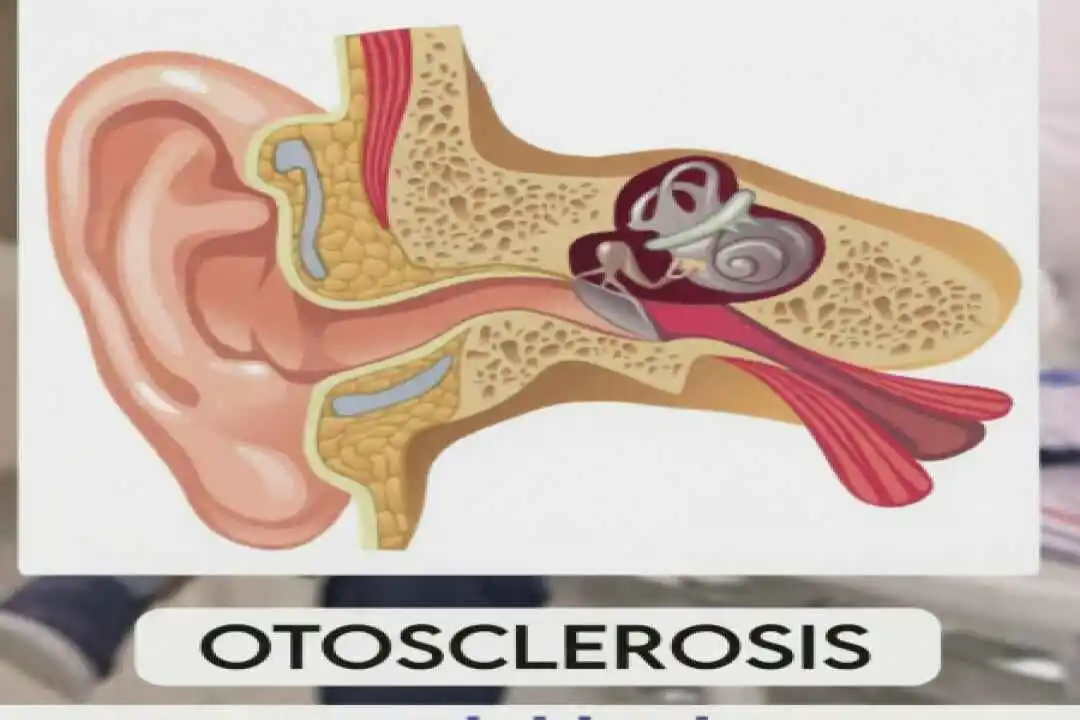
Your ear is a delicate, incredibly precise machine. Sound waves travel down your ear canal and hit your eardrum, making it vibrate. That vibration is passed along three tiny bones in your middle ear—the malleus, the incus, and the stapes (often called the hammer, anvil, and stirrup).
The stapes is the final link in this chain. It sits against a tiny membrane called the oval window, which leads to the fluid-filled inner ear (the cochlea). When the stapes pushes against the oval window, it creates waves in the fluid, which stimulate tiny hair cells that send electrical signals to your brain. That is how you hear.
The Otosclerosis Problem The word otosclerosis literally means “hardening of the ear.” In a healthy ear, bone is constantly being broken down and rebuilt in a balanced process called bone remodeling. In otosclerosis, this process goes haywire. Abnormal, sponge-like bone starts growing around the base of the stapes. Over time, this new bone hardens and fuses the stapes to the oval window.
When the stapes is fixed in place, it can no longer vibrate freely. Sound hits it, but the vibration stops dead. The mechanical chain is broken. This creates a conductive hearing loss—sound cannot be conducted efficiently to your inner ear.
If the abnormal bone growth spreads into the inner ear, it can damage the hair cells and the cochlea itself. This leads to sensorineural hearing loss (nerve damage). Many people with otosclerosis experience a mix of both, called mixed hearing loss.
The Genetic and Viral Links Why does this bone remodeling go rogue? The exact trigger is still a medical debate, but we know two things for sure: genetics play a massive role, and the measles virus has been strongly implicated as a potential environmental trigger. If you have a family history, you are much more likely to develop it. But having the gene doesn’t guarantee the disease. This is where lifestyle and environment come in—they can be the tripwire that sets the genetic gun off.
Recognizing the Signs: Is It Just Wax, or Something More?
Otosclerosis is a master of disguise. It creeps in so slowly that most people don’t realize they have it until they’ve been turning up the TV volume for years. Here are the classic otosclerosis symptoms to watch for:
- Progressive Conductive Hearing Loss: It usually starts in your twenties or thirties. You notice you can’t hear low-pitched sounds as well, or you struggle to hear whispers.
- Paracusis Willisii: This is a bizarre but hallmark symptom. You hear better in noisy environments than in quiet ones. You might hear someone better at a loud party than in a quiet living room. This happens because the background noise masks the tinnitus, and people naturally project their voices louder in crowds.
- Tinnitus: The ringing, roaring, or hissing in your ears. This is often worse than the hearing loss itself. It happens because the brain, starved for sound input, turns up its internal volume.
- Dizziness or Vertigo: If the bone growth extends into the inner ear and affects the vestibular (balance) system, you might experience occasional bouts of unsteadiness.
- The Pregnancy Trigger: Many women notice a rapid decline in their hearing during pregnancy. The high levels of estrogen and progesterone dramatically accelerate bone remodeling, acting like fuel on the fire of otosclerotic bone growth.
If you are experiencing these, see an audiologist and an ENT. An audiogram will typically show a specific pattern of conductive hearing loss, and a tympanogram can confirm the stiffness of the stapes.
The Conventional Route vs. The Natural Approach
When you get your diagnosis, your doctor will usually present three conventional paths:
- Do Nothing / Watchful Waiting: If the hearing loss is mild.
- Hearing Aids: To amplify the sound that is struggling to get through the fixed stapes.
- Surgery (Stapedectomy / Stapedotomy): The surgeon bypasses the fixed stapes entirely. They remove the superstructure of the bone, make a tiny hole in the oval window, and insert a prosthetic piston that vibrates instead.
These are valuable, sometimes necessary tools. A stapedectomy has a high success rate for restoring mechanical hearing. But here is the catch: none of these conventional treatments stop the abnormal bone remodeling from progressing.
A hearing aid amplifies sound, but it doesn’t stop the stapes from fusing further. Surgery replaces the bone, but if the disease is active, the new bone can grow over the prosthesis years later, causing you to lose your hearing again.
This is exactly why natural remedies and lifestyle changes are so critical. They target the root process—the out-of-control bone remodeling and the inflammatory environment driving it. By supporting healthy bone metabolism, you may slow the progression of the fixation, protect your inner ear hair cells from further damage, and make your tinnitus more manageable.
Natural Remedies and Nutritional Support for Otosclerosis
Let’s get into the practical protocols. Remember, natural doesn’t mean “cure.” It means creating the optimal internal environment so your body stops over-building bone in the middle ear.
The Bone Remodeling Regulators: Vitamins D3 and K2
When it comes to bone remodeling in ear tissues, the conversation must start with Vitamins D3 and K2.
Most people know Vitamin D helps absorb calcium. But what most doctors don’t explain is that Vitamin D doesn’t tell the calcium where to go. If you have abnormal bone remodeling happening in your ear, simply dumping more calcium into your bloodstream without a traffic cop can actually make things worse. You want calcium going into your long bones and teeth, not calcifying your arteries or adding to the sclerotic bone in your ear.
That’s where Vitamin K2 (specifically the MK-7 form) comes in. K2 activates a protein called Osteocalcin, which acts like a vacuum cleaner, pulling calcium out of soft tissues and putting it into your bones where it belongs. It also activates Matrix Gla Protein (MGP), which protects soft tissues from calcification.
Action Steps:
- Get your levels checked: Ask your doctor for a 25-hydroxy Vitamin D blood test. Optimal levels are between 50-70 ng/mL.
- Supplement smartly: If you are low, take a high-quality D3 supplement (usually 2,000-5,000 IU daily, depending on your bloodwork) alongside 100-200 mcg of Vitamin K2 (MK-7). Take them with a fat-containing meal for absorption.
- Get safe sun exposure: 15-20 minutes of midday sun on your skin without sunscreen is the best way to naturally produce D3.
Magnesium: The Calcium Channel Blocker
If calcium is the hardening mineral, magnesium is the relaxing mineral. Magnesium is nature’s calcium channel blocker. It helps regulate the activity of osteoblasts (cells that build bone) and osteoclasts (cells that break bone down). In otosclerosis, the osteoblasts are working overtime.
Furthermore, magnesium is incredibly protective for the inner ear. Loud noise exposure causes the tiny hair cells in the cochlea to release excessive amounts of glutamate, an excitatory neurotransmitter that can damage the nerve cells. Magnesium blocks the NMDA receptors, preventing this excitotoxicity.
Action Steps:
- Supplement: Take 300-400 mg of a highly absorbable form like Magnesium Glycinate or Threonate before bed. Threonate is particularly promising as it crosses the blood-brain barrier.
- Epsom Salt Baths: A great way to absorb magnesium transdermally if you suffer from digestive issues.
The Historical Fluoride Connection
You might read older medical literature suggesting Sodium Fluoride as a treatment for otosclerosis. Historically, ENTs prescribed high doses of fluoride because it displaces the hydroxyl groups in bone, creating fluorapatite, which is harder and less active than hydroxyapatite. The idea was to force the sponge-like otosclerotic bone to “harden” and stop growing so fast.
Modern medicine has largely abandoned this because the side effects of systemic fluoride (skeletal fluorosis, gastric distress) are severe, and the clinical evidence was mixed. However, understanding the mechanism is important. We want to stabilize bone remodeling without poisoning the system.
Instead of systemic fluoride, focus on the cofactors that naturally regulate bone density: Strontium (trace amounts), Silica (for connective tissue), and the Boron-Vitamin D triangle.
Hearing Loss Supplements: Protecting the Nerve
If your otosclerosis has started to affect the cochlea (causing sensorineural hearing loss), you need to protect the auditory nerve and the mitochondria of the hair cells. This is where targeted hearing loss supplements come in.
- Acetyl-L-Carnitine (ALCAR): This amino acid helps shuttle fatty acids into the mitochondria to produce ATP (energy). The hair cells in your ear have the highest concentration of mitochondria in the body and need massive amounts of energy to function.
- Alpha-Lipoic Acid (ALA): A powerful antioxidant that works in both water and fat-soluble environments. It regenerates other antioxidants like Vitamins C and E and is critical for reducing oxidative stress in the cochlea.
- N-Acetyl Cysteine (NAC): NAC is a precursor to glutathione, the body’s master antioxidant. It is heavily researched for its ability to protect against noise-induced hearing loss and reduce the severity of tinnitus.
The Anti-Inflammatory Otosclerosis Diet
Bone remodeling is an inflammatory process. If your body is simmering with systemic inflammation, your osteoclasts and osteoblasts are getting scrambled signals. An otosclerosis diet should be strictly anti-inflammatory and focused on stabilizing blood sugar.
Foods to Prioritize:
- Omega-3 Fatty Acids: Wild-caught salmon, sardines, and mackerel. These produce resolvins that actively turn off inflammation.
- Dark Leafy Greens: Kale, spinach, and chard for their natural magnesium and Vitamin K1 (which the body converts to K2).
- Bone Broth: Provides bioavailable collagen, glycosamine, and trace minerals that support healthy connective tissue and bone matrix.
- Colorful Berries: Blueberries, blackberries, and raspberries are packed with anthocyanins that lower oxidative stress and protect micro-circulation to the inner ear.
Foods to Eliminate or Strictly Limit:
- Refined Sugar and High-Fructose Corn Syrup: Sugar spikes insulin, which spikes inflammation. It also depletes magnesium and stops Vitamin C from entering cells.
- Refined Vegetable Oils: Canola, soybean, sunflower, and corn oils are heavily processed and throw your Omega-3 to Omega-6 ratio completely out of whack, driving systemic inflammation.
- Excessive Alcohol: Alcohol disrupts bone remodeling, depletes magnesium, and is directly ototoxic (toxic to the ear) in high amounts.
Lifestyle Changes to Protect Your Hearing and Slow Progression
Diet and supplements are the foundation, but your daily habits dictate how well those nutrients are utilized. Here are the critical otosclerosis lifestyle changes you need to adopt.
Hormonal Harmony: The Estrogen Factor
This is paramount for women. Estrogen stimulates osteoblasts (the bone-building cells). When estrogen levels fluctuate wildly—during pregnancy, postpartum, or perimenopause—bone remodeling speeds up. For someone with otosclerosis, this is a nightmare. Many women report their hearing taking a permanent dive after a pregnancy.
Action Steps:
- Support Liver Health: Your liver metabolizes estrogen. If your liver is sluggish, “dirty” estrogens (16-alpha-hydroxyestrone) circulate longer, which are highly estrogenic and stimulate bone growth. Eat cruciferous vegetables (broccoli, cauliflower, Brussels sprouts) daily. They contain DIM (Diindolylmethane) and Sulforaphane, which help the liver clear out excess estrogen.
- Consider Seed Cycling: While evidence is largely anecdotal, many women find that rotating flax and pumpkin seeds (days 1-14) and sesame and sunflower seeds (days 15-28) helps smooth out hormonal bumps, reducing the aggressive bone remodeling spikes.
- Bioidentical Hormones: If you are going through severe menopause and your hearing is rapidly declining, discuss bioidentical progesterone with a functional medicine doctor to balance the estrogen dominance.
Stress Reduction and Tinnitus Management
Stress does not cause otosclerosis, but it makes the tinnitus unbearable. When you are stressed, your amygdala (the fear center in the brain) amplifies the perception of the tinnitus signal. What was a quiet hiss becomes a roaring waterfall.
Furthermore, chronic stress elevates cortisol. Cortisol directly inhibits osteoblast activity and decreases bone blood flow, creating a chaotic remodeling environment.
Action Steps for Tinnitus Management:
- Sound Therapy: Absolute silence makes tinnitus worse. Your brain searches for the missing sound and turns up its internal gain. Use broadband noise (white noise, pink noise, or nature sounds) at a volume just below your tinnitus to help the brain habituate.
- CBT/ACT: Cognitive Behavioral Therapy and Acceptance and Commitment Therapy are the gold standards for tinnitus management. They don’t make the sound go away; they change your emotional reaction to it, which turns down the brain’s perceived volume.
- Vagus Nerve Stimulation: Chronic stress puts you in sympathetic overdrive (fight or flight). Stimulating the vagus nerve shifts you into parasympathetic (rest and digest). Deep diaphragmatic breathing (inhale for 4, hold for 7, exhale for 8), cold water splashes on your face, or humming can tone the vagus nerve and lower cortisol instantly.
Protecting Your Remaining Hearing
Even though otosclerosis is an internal bone disease, adding external noise trauma accelerates the damage. Your hair cells are already vulnerable; don’t stack the deck against them.
- Wear Protection: Use custom-molded musician’s earplugs or high-NRR foam plugs when mowing the lawn, using power tools, or attending loud events.
- The 60/60 Rule: If you use headphones, listen at no more than 60% of the maximum volume for no more than 60 minutes at a time.
- Ototoxic Drug Awareness: Many common medications are toxic to the ear. High-dose Aspirin, certain loop diuretics, and aminoglycoside antibiotics can cause permanent damage. Always ask your doctor if a prescribed drug is ototoxic, and if so, if there is a safer alternative.
Optimizing Sleep for Bone Health
Bone remodeling and cellular repair happen primarily when you are in deep sleep. Growth hormone, which is essential for tissue repair, is released in pulses during slow-wave sleep. If you are chronically sleep-deprived, your body cannot properly regulate the osteoblast/osteoclast dance.
- Prioritize 7-9 hours of sleep.
- Sleep in a cool, completely dark room.
- Stop looking at screens 90 minutes before bed. The blue light destroys melatonin, which is not just a sleep hormone, but a powerful antioxidant that protects inner ear cells from oxidative stress.
Stapedectomy Recovery: How to Support Your Body Before and After Surgery
If you and your ENT decide that surgery is the best option to restore your mechanical hearing, your lifestyle matters now more than ever. A stapedectomy is incredibly delicate. The surgeon is operating under a microscope on bones the size of a grain of rice.
Pre-Surgery: Focus heavily on the anti-inflammatory diet and Vitamin C and Zinc to optimize tissue healing.
Post-Op Stapedectomy Recovery Rules:
- Strict No-Straining: You must avoid heavy lifting, bending over, and straining on the toilet for at least 2-3 weeks. The pressure changes in your head can dislodge the tiny prosthesis.
- No Nose Blowing: This is the hardest rule for people with allergies. Blowing your nose forces air up the Eustachian tube with incredible force, which can blow the prosthesis out of the oval window. If you must sneeze, sneeze with your mouth open.
- Keep Water Out: Until your doctor clears you, keep water out of the ear canal to prevent a devastating inner ear infection (labyrinthitis). Use a cotton ball with Vaseline on it when showering.
- Manage Dizziness: You will likely be very dizzy for the first few days. This is normal as your inner ear adjusts to the new piston. Stay hydrated and move slowly.
Living Well with Otosclerosis: Coping and Adapting
A diagnosis like this can feel isolating. Hearing loss forces you to work harder to engage with the world, and the invisible nature of it means people often don’t understand why you’re asking them to repeat themselves for the third time.
Give yourself grace. Acknowledge that listening with otosclerosis is like running a marathon while everyone else is taking a stroll. It requires immense cognitive load.
Be an advocate for yourself. Tell your friends, “I have a hearing condition, so facing me and speaking clearly helps me immensely.” Use the live-captioning features on your smartphone for important meetings.
You are not broken. Your body is just giving you a very specific signal that it needs structural and metabolic support. By implementing these natural remedies, adjusting your lifestyle, and working closely with a trusted ENT, you can take back control of your hearing health journey.
FAQs
- What is the main cause of otosclerosis?
The exact cause is unknown, but it is strongly linked to genetic factors and potentially triggered by the measles virus. If a parent has it, you have a much higher chance of developing it.
- Can otosclerosis go away on its own?
No, otosclerosis does not resolve on its own. The abnormal bone growth is permanent. However, the progression can slow down or plateau, particularly after menopause for women.
- Does otosclerosis cause complete deafness?
If left untreated and if it progresses severely into the cochlea, it can lead to profound sensorineural hearing loss. Early intervention and monitoring are crucial to prevent this.
- Why does pregnancy make otosclerosis worse?
Pregnancy causes massive surges in estrogen and progesterone. These hormones stimulate osteoblasts (bone-building cells), which accelerates the abnormal bone growth around the stapes.
- Is otosclerosis an autoimmune disease?
No, it is not classified as an autoimmune disease. It is a disease of abnormal bone remodeling, though localized inflammation plays a role in its progression.
- Can changing my diet really help a structural bone problem?
Yes. Diet dictates inflammation levels and the availability of bone-building cofactors. An anti-inflammatory diet will not dissolve the existing hardened bone, but it can help slow the rampant remodeling process.
- What is the best vitamin for otosclerosis?
Vitamin D3 paired with Vitamin K2 (MK-7) is critical. D3 ensures calcium absorption, and K2 ensures that calcium is directed to your skeletal bones rather than calcifying soft tissues or adding to the otosclerotic lesion.
- Is magnesium good for tinnitus caused by otosclerosis?
Yes. Magnesium acts as a natural calcium channel blocker, relaxes blood vessels to improve inner ear circulation, and protects hair cells from excitotoxicity. It is highly effective for tinnitus management.
- Are there any foods I should strictly avoid?
You should avoid refined sugars, highly processed vegetable oils (canola, soybean), and excessive sodium. These drive systemic inflammation and poor circulation, which worsen bone remodeling and tinnitus.
- Can I take fluoride for otosclerosis?
Historically, high-dose sodium fluoride was prescribed to harden the sponge-like bone and stop progression. However, modern medicine rarely uses it due to risks of skeletal fluorosis and mixed clinical results. Focus on K2 and D3 instead.
- Does otosclerosis affect both ears?
In about 70% of cases, it affects both ears (bilateral), though one ear is usually worse than the other.
- At what age does otosclerosis usually start?
It typically begins between the ages of 15 and 30. It is rarely diagnosed in young children or the elderly as a new condition.
- Why do I hear better in noisy places?
This is called Paracusis Willisii. In quiet rooms, you hear the tinnitus loudly and the mechanical blockage is obvious. In noisy places, the background masks the tinnitus, and people speak louder, overcoming the conductive block.
- Is a hearing aid better than surgery?
It depends. Hearing aids are non-invasive and great for mild to moderate loss. Surgery (stapedectomy) restores the actual mechanical pathway. If you have severe loss or prefer not to wear aids, surgery might be better. Discuss with your ENT.
- What are the risks of stapedectomy surgery?
Risks include worsening of hearing, total deafness in that ear, severe dizziness, facial nerve paralysis, and perforation of the eardrum. However, the surgery has a success rate of over 90%.
- How long is stapedectomy recovery?
Initial recovery takes about 1-2 weeks off work. Full stabilization of hearing and resolution of dizziness can take several months. You must avoid straining and flying for several weeks.
- Can I fly on an airplane if I have otosclerosis?
Yes, flying with untreated otosclerosis is generally safe. However, if you have recently had stapedectomy surgery, you must wait until your doctor clears you (usually 4-6 weeks) to avoid pressure damage.
- Will my tinnitus go away after stapedectomy surgery?
Surgery improves the mechanical hearing, which often reduces the brain’s compensatory tinnitus. However, if the cochlea is permanently damaged, the tinnitus may remain, though it might be less noticeable.
- Are hearing aids uncomfortable?
Modern hearing aids are incredibly small and digitally tuned to your specific loss. They take a few weeks to get used to, but they are vastly more comfortable and effective than even 10 years ago.
- Is otosclerosis fatal?
No. Otosclerosis is a localized condition that affects hearing and occasionally balance. It does not affect your lifespan or other organs.
- Can alternative medicine cure otosclerosis?
No. Be very wary of any practitioner claiming they can dissolve the bony overgrowth with herbs or homeopathy. Natural approaches are for management, slowing progression, and symptom relief.
- Does smoking affect otosclerosis?
Yes. Smoking restricts blood flow to the delicate structures of the inner ear and depletes essential antioxidants. It is absolutely detrimental to anyone with hearing loss.
- Can men get otosclerosis?
Yes, men can get it, though women are affected twice as often due to hormonal fluctuations.
- What type of doctor treats otosclerosis?
An Otolaryngologist (ENT) diagnoses it, and an Audiologist maps the hearing loss. For natural and lifestyle approaches, a functional medicine doctor can be a great addition to your team.
- How is otosclerosis diagnosed?
It is diagnosed through an audiogram showing a specific pattern of conductive hearing loss, a tympanogram showing stiffened middle ear mechanics, and sometimes a CT scan to visualize the bony overgrowth.
- Does exercise help otosclerosis?
Weight-bearing exercise helps regulate systemic bone density and metabolism, which can theoretically help keep localized bone remodeling in check. Just avoid exercises that involve severe head-jarring or heavy straining if you are post-surgery.
- What is the difference between conductive and sensorineural hearing loss in otosclerosis?
Conductive loss is the mechanical blockage (the stapes being stuck). Sensorineural loss is nerve damage (the bone growing into the cochlea and destroying hair cells).
- Can I use ear drops to fix otosclerosis?
Absolutely not. Ear drops only affect the outer ear canal and eardrum. They cannot reach the middle ear bones or inner ear where the problem lies.
- How do I explain otosclerosis to my family?
Tell them it is a condition where a tiny bone in your ear is getting glued in place by abnormal bone growth, making it hard for sound to get through. Ask them to face you and speak clearly, not just loudly.
- Is it safe to get ear piercings with otosclerosis?
Standard earlobe piercings are fine. However, cartilage piercings carry a risk of infection (perichondritis), which can spread. If your ear health is already compromised, it’s best to avoid cartilage piercings.
Facing otosclerosis can feel daunting, especially when the ringing in your ears seems to have its own heartbeat. But you are not at the mercy of this condition. While you cannot reverse the structural bone overgrowth with a smoothie or a supplement, you have immense power over the inflammatory environment that fuels its fire.
By adopting an anti-inflammatory otosclerosis diet, regulating your bone metabolism with targeted nutrients like D3, K2, and Magnesium, balancing your hormones, and fiercely protecting your ears from further stress, you are doing more than just managing symptoms. You are fundamentally supporting your body’s innate ability to keep this disease as slow and quiet as possible.
Whether you choose hearing aids, surgery, or a watch-and-wait approach, let these natural lifestyle changes be the bedrock of your hearing health strategy. Don’t let the noise win. Take control of your environment, protect your peace, and keep advocating for your ears.
Have you tried any natural approaches for your hearing loss or tinnitus? Drop a comment below and share your experience with the community!
⚕️Medical Disclaimer:
The information provided on this website is for general educational and informational purposes only and is not intended as a substitute for professional medical advice, diagnosis, or treatment. Always seek the advice of your physician or other qualified health provider with any questions you may have regarding a medical condition. Never disregard professional medical advice or delay in seeking it because of something you have read on this website.
