
Table of Contents
Understanding the Liver: Functions, Diseases, Prevention, and Treatment
Importance of the Liver
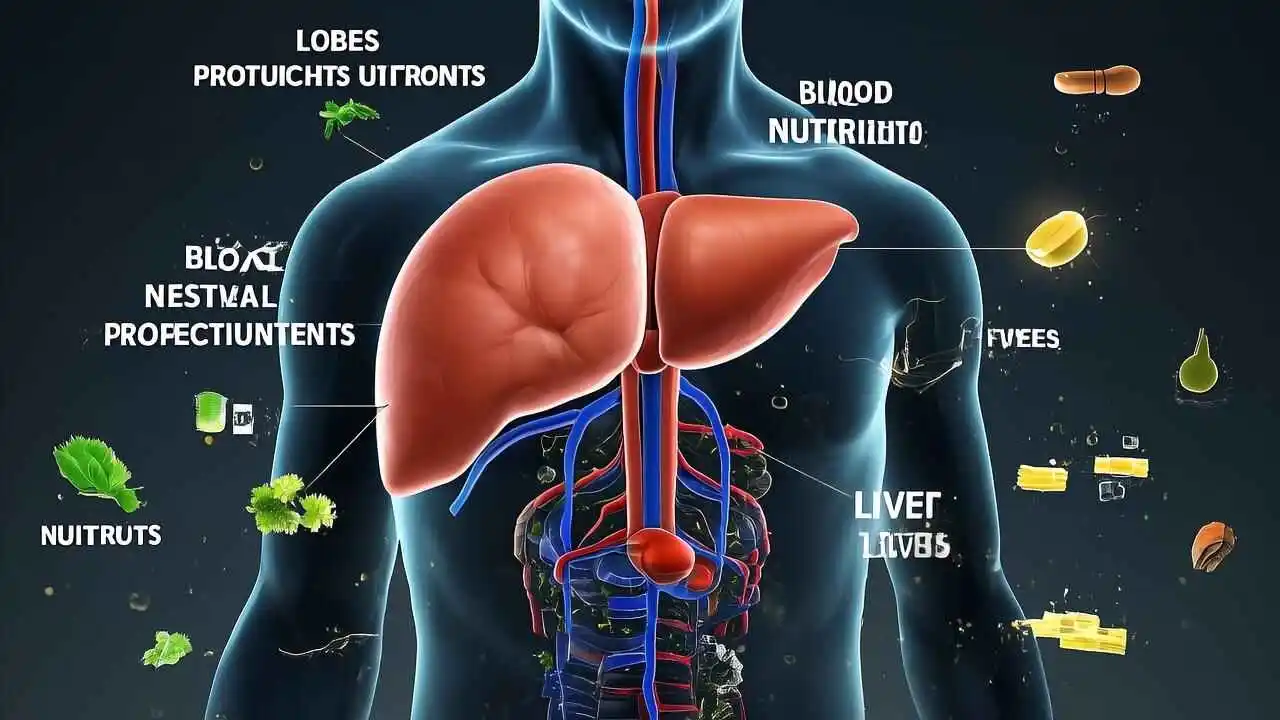
The liver, located beneath the ribcage on the right side of the abdomen, is a vital organ that plays a central role in maintaining our overall health. Weighing approximately 3 pounds, it is the second-largest organ in the body and performs over 500 functions essential for survival. In this article, we will explore the liver’s functions, its importance, common diseases, their causes, preventive measures, and treatment options.
The liver is indispensable for various bodily functions, including detoxification, metabolism, and the production of essential proteins. Its role in filtering blood, storing nutrients, and regulating hormones underscores its importance. Without a functioning liver, the body cannot process nutrients, remove toxins, or fight infections effectively. This organ truly embodies the essence of the quote by Viribus Unitis, “Health is the greatest gift, contentment the greatest wealth.”
Functions of the Liver
The liver’s functions are diverse and critical. Below is a table summarizing its key roles:
| Function | Description |
| Detoxification | Removes toxins like alcohol and drugs from the blood. |
| Metabolism | Processes nutrients from food to produce energy. |
| Production of Bile | Aids in fat digestion and absorption of fat-soluble vitamins. |
| Blood Filtration | Filters blood from the digestive tract, detoxifying it. |
| Production of Proteins | Produces proteins like albumin and clotting factors. |
| Storage of Nutrients | Stores glycogen, vitamins, and minerals. |
| Hormone Regulation | Regulates hormones, including sex hormones and insulin. |
| Immune Function | Stores immune factors and helps fight infections. |
Let’s elaborate on the eight primary functions that highlight exactly why this silent super-organ is absolutely essential for your survival.

- Detoxification: The Body’s Hazardous Waste Handler Every day, your body is bombarded with harmful substances—from the alcohol in your evening glass of wine and the acetaminophen in your medicine cabinet to environmental pollutants and heavy metals in your food. The liver acts as the body’s primary defense mechanism against these toxins. Through a highly sophisticated two-phase enzymatic process, liver cells (hepatocytes) convert these fat-soluble, dangerous toxins into water-soluble compounds. Once water-soluble, they can be safely shuttled into the blood or bile to be efficiently excreted through urine or feces.
- Metabolism: The Ultimate Energy Conversion Hub The food you eat doesn’t automatically turn into human energy. After your digestive tract breaks down carbohydrates, fats, and proteins, these raw nutrients are sent straight to the liver. Here, they undergo a complex series of chemical conversions. The liver breaks down complex carbohydrates into glucose for immediate energy, converts excess glucose into glycogen or fat for long-term storage, and metabolizes proteins into amino acids to build and repair tissues. It is the central processing unit for your entire metabolic system.
- Production of Bile: The Fat Digestion Key Have you ever wondered how your body breaks down the heavy fats from a greasy meal? The answer is bile. Your liver continuously produces up to a liter of bile a day, a thick, yellowish-green fluid. This fluid is stored in the gallbladder and released into the small intestine when you eat. Bile acts as a powerful biological detergent, emulsifying dietary fats—breaking them down into tiny droplets so that digestive enzymes can actually process them. Furthermore, bile is absolutely required for the absorption of vital fat-soluble vitamins (A, D, E, and K).
- Blood Filtration: The Digestive Gatekeeper Every single drop of nutrient-rich blood leaving your stomach and intestines does not go straight to your heart. Instead, it travels directly to the liver via the portal vein. The liver acts as a meticulous quality-control checkpoint, filtering this blood before it is allowed to circulate to the rest of your body. It extracts and neutralizes any residual toxins, bacteria, or foreign particles that may have slipped through the digestive tract, ensuring that your systemic bloodstream remains as clean and pure as possible.
- Production of Proteins: The Body’s Construction Crew Your liver is a prolific protein factory. It is responsible for synthesizing many of the most critical proteins in your body. One of the most vital is albumin, a protein that prevents blood from leaking out of your blood vessels into surrounding tissues. Without enough albumin, you would rapidly develop severe swelling (edema). The liver also produces the majority of your blood’s clotting factors (like fibrinogen and prothrombin). If your liver fails, your blood loses its ability to clot, and even a minor cut could become a life-threatening bleeding event.
- Storage of Nutrients: The Strategic Reserve Vault To ensure you have a steady supply of energy and vital micronutrients even when you are fasting or sleeping, the liver acts as a biological pantry. It stores vast amounts of glycogen (the stored form of glucose) to keep your blood sugar stable between meals. Beyond energy, it hoards essential vitamins—particularly vitamins A, D, B12, and K—and essential minerals like iron and copper, releasing them into the bloodstream exactly when your body demands them.
- Hormone Regulation: The Chemical Balancer Hormones are powerful chemical messengers, but if they linger in the bloodstream too long, they become toxic and cause hormonal imbalances. The liver plays a crucial role in deactivating and regulating various hormones. It breaks down excess insulin once blood sugar levels normalize, regulates thyroid hormones to control your metabolism, and deactivates sex hormones like estrogen and testosterone, ensuring your body’s delicate endocrine balance remains perfectly stable.
- Immune Function: The Frontline Defender While your bone marrow and spleen get most of the immune system credit, the liver is a vital component of your body’s defense network. It houses a massive population of specialized immune cells called Kupffer cells. These cells act as vigilant sentinels within the liver, actively engulfing and destroying bacteria, cellular debris, and foreign pathogens that manage to reach the liver via the bloodstream. Furthermore, the liver produces important immune factors that help combat systemic infections.
The Bottom Line Your liver is an organ of extraordinary resilience and grace. It can regenerate its own damaged tissue, and it continues to process thousands of chemical reactions daily without complaint. However, it is not invincible. Chronic alcohol abuse, highly processed diets, and viral infections can overwhelm its capabilities. Understanding the immense weight of these eight functions is the first step toward treating your liver with the respect, care, and healthy lifestyle choices it so richly deserves
When the Silent Super-Organ Falters: Understanding the Top Threats to Liver Health
As we’ve established, the liver is a master of resilience. It possesses the unique ability to regenerate its own tissue, quietly enduring immense stress and damage without ever causing you pain. But this silent strength is a double-edged sword. Because the liver lacks pain receptors, it rarely warns you when it is in trouble. By the time symptoms like jaundice, chronic fatigue, or abdominal swelling finally appear, the liver is usually already in advanced stages of distress.
The threats to this vital organ are numerous, but they largely stem from lifestyle factors, viral infections, and cellular mutations. Left unchecked, these threats can dismantle the liver’s complex chemical factory, leading to systemic bodily failure. Here is an in-depth look at the four primary diseases and disorders that compromise liver health.
- Liver Cirrhosis: The Point of No Return. Cirrhosis is essentially the end stage of chronic liver damage. Think of a healthy liver as a soft, plump sponge. When subjected to continuous injury—whether from chronic heavy alcohol consumption, untreated hepatitis, or severe fatty liver disease—the liver tries to repair itself. However, this repair process creates fibrous scar tissue. Over time, the healthy, functional liver tissue is completely replaced by a dense, hard web of scar tissue.
This scarring is irreversible. As the scar tissue builds up, it physically blocks the normal flow of blood through the liver. This backup of blood causes high blood pressure in the portal vein (portal hypertension), which can lead to fluid accumulation in the abdomen (ascites) and the bursting of swollen veins in the esophagus. Furthermore, the remaining healthy cells are overworked to the point of failure, eventually resulting in total liver shutdown.
- Fatty Liver Disease: The Modern Epidemic Once considered a condition primarily affecting heavy drinkers, Fatty Liver Disease has exploded into the most common chronic liver condition in the Western world, largely driven by the obesity and diabetes epidemics. It occurs when excessive amounts of fat—specifically triglycerides—accumulate inside the liver cells (hepatocytes).
There are two main types:
- Alcoholic Fatty Liver Disease (AFLD): Caused directly by the metabolic burden of heavy alcohol consumption.
- Non-Alcoholic Fatty Liver Disease (NAFLD): Occurs in people who drink little to no alcohol. It is strongly linked to metabolic syndrome, insulin resistance, obesity, and high cholesterol.
In its early stages (Simple Steatosis), fat accumulation is generally harmless. However, if the underlying cause isn’t addressed, the fat can trigger severe liver inflammation, progressing to Non-Alcoholic Steatohepatitis (NASH). NASH is a dangerous condition that causes cell death and rapidly accelerates the progression toward cirrhosis.
- Hepatitis: The Viral and Toxic Invaders “Hepatitis” literally means inflammation of the liver. While it can be caused by autoimmune conditions or toxic chemical exposure, it is most commonly triggered by viral infections. There are five main strains of the hepatitis virus, each with a different mode of transmission and severity:
- Hepatitis A: Typically transmitted through contaminated food or water. It usually causes an acute, short-term infection that the body fights off, leaving behind lifelong immunity.
- Hepatitis B and C: These are the most dangerous. Transmitted through blood, unprotected sex, or shared needles, they often become chronic, silent infections. They slowly and stealthily destroy the liver over decades, making Hepatitis B and C the leading causes of cirrhosis and liver cancer worldwide.
- Hepatitis D: A rare virus that only infects people who already have Hepatitis B, making the infection significantly more severe.
- Hepatitis E: Similar to Hepatitis A, usually spread through contaminated water, and typically acute.
- Liver Cancer: The Silent Assassin When the continuous cycle of liver cell damage, death, and chaotic regeneration goes unchecked, cellular mutations can occur, leading to liver cancer.
- Primary Liver Cancer (Hepatocellular Carcinoma – HCC): This cancer originates directly within the liver cells. It almost exclusively develops in livers that are already severely compromised by chronic cirrhosis, Hepatitis B, or Hepatitis C. Because the liver is already damaged, the cancer often grows aggressively.
- Metastatic Liver Cancer: This is actually much more common than primary liver cancer. Because the liver filters all the blood from the digestive tract, it acts like a biological sieve for cancer cells traveling from other organs. Cancers of the colon, pancreas, stomach, and breast frequently metastasize (spread) to the liver.
The tragic reality of liver disease is that almost all of these conditions are either entirely preventable or highly treatable if caught in their early stages. Fatty liver disease can be reversed through diet and weight loss. Hepatitis B and C can be prevented with vaccines or cured with modern antiviral medications. And the progression to cirrhosis can be halted by removing the offending toxin (like alcohol).
Your liver asks for very little, but it gives you everything. Protecting it requires nothing more than mindful nutrition, limiting alcohol intake, practicing safe hygiene and sex, and most importantly, asking your doctor for routine liver enzyme blood tests to ensure your silent super-organ is still running smoothly.
Causes of Liver Diseases
Understanding the causes is crucial for prevention. The table below outlines primary causes:
| Cause | Description |
| Alcohol Abuse | Excessive alcohol consumption leads to cirrhosis and fatty liver. |
| Viral Hepatitis | Hepatitis viruses can cause inflammation and chronic infection. |
| Metabolic Disorders | Conditions like hemochromatosis disrupt iron metabolism. |
| Obesity | Leads to non-alcoholic fatty liver disease. |
| Toxins and Drugs | Certain medications and chemicals can cause liver damage. |
| Genetic Factors | Inherited diseases like Wilson’s disease affect copper metabolism. |
Precautions and Preventive Measures
Protecting your liver involves lifestyle choices and awareness. The following table lists practical precautions:
| Precaution | Action |
| Limit Alcohol | No more than one drink per day for women, two for men. |
| Balanced Diet | Consume fruits, vegetables, whole grains, and lean proteins. |
| Avoid Toxins | Use cleaning products and medications with caution. |
| Maintain Weight | Obesity increases fatty liver risk; maintain a healthy BMI. |
| Hygiene and Vaccination | Practice good hygiene and get vaccinated against Hepatitis A and B. |
| Regular Check-ups | Monitor liver health with regular blood tests. |
| Avoid Unapproved Supplements | Ensure supplements are safe and approved by health authorities. |
Treatment Options
Liver disease treatment varies depending on the condition’s severity and type. Options include:
- Lifestyle Changes: Diet modifications, weight loss, and alcohol cessation.
- Medications: Antivirals for hepatitis, corticosteroids for autoimmune conditions.
- Surgery: For liver cancer or to remove damaged sections.
- Liver Transplant: When the liver fails, transplantation is the final option.
The liver is a cornerstone of our health, fulfilling essential functions that sustain life. By understanding its importance and taking preventive measures, we can safeguard this vital organ. Early diagnosis and timely treatment are crucial in managing liver diseases. As the adage goes, “Prevention is the best medicine,” emphasizing the need for proactive liver care. Preserve your liver’s health to ensure a long, healthy life.
FAQs
Q: What foods are good for liver health?
A: Foods that are rich in antioxidants, fiber, and healthy fats can help support liver health. Some examples include leafy greens like spinach and kale, cruciferous vegetables like broccoli and cauliflower, citrus fruits like lemons and oranges, and fatty fish like salmon and sardines.
Q: How can I incorporate leafy greens into my daily diet?
A: You can add leafy greens to your salads, smoothies, or sauté them with garlic as a side dish. You can also add spinach or kale to your favorite soups or stews. Aim to include at least one serving of leafy greens in your diet per day.
Q: What are some other foods that support liver health?
A: Other foods that support liver health include:
- Berries like blueberries and raspberries, which are high in antioxidants
- Nuts and seeds like walnuts and chia seeds, which are rich in healthy fats and fiber
- Whole grains like brown rice and quinoa, which are high in fiber and nutrients
- Legumes like lentils and chickpeas, which are rich in protein and fiber
- Herbs and spices like turmeric and ginger, which have anti-inflammatory properties
Q: How can I incorporate fatty fish into my diet?
A: You can grill or bake fatty fish like salmon or sardines and serve them as a main course. You can also add canned fish like tuna or salmon to your salads or sandwiches. Aim to include at least two servings of fatty fish in your diet per week.
Q: Can I take supplements to support liver health?
A: While supplements can be helpful, it’s always best to get nutrients from whole foods whenever possible. If you’re considering taking supplements, talk to your healthcare provider about the best options for you. Some supplements that may support liver health include milk thistle, vitamin E, and omega-3 fatty acids.
Q: How much citrus fruit should I eat to support liver health?
A: Aim to include at least one serving of citrus fruit in your diet per day. You can drink freshly squeezed lemon or orange juice, or eat slices of citrus fruit as a snack. Citrus fruits are high in vitamin C, which can help support liver function and overall health.
Q: Can I drink coffee to support liver health?
A: Moderate coffee consumption (2-3 cups per day) may have liver-protective effects, but excessive coffee consumption can have negative effects on liver health. If you’re a coffee drinker, be sure to drink it in moderation and balance it with a healthy diet and lifestyle.
Q: How can I incorporate turmeric into my diet?
A: You can add turmeric to your soups, stews, or curries, or mix it into your smoothies or juice. You can also take turmeric supplements, but be sure to talk to your healthcare provider about the best dosage for you. Turmeric contains a compound called curcumin, which has anti-inflammatory and antioxidant properties that may support liver health.
Q: Can I eat fermented foods to support liver health?
A: Yes, fermented foods like kimchi, sauerkraut, and kefir contain probiotics and other compounds that can support liver health and overall gut health. Aim to include at least one serving of fermented foods in your diet per week.
Remember to always talk to your healthcare provider before making any significant changes to your diet or supplement routine.
