
Table of Contents
What is Lycopene and Doing in Your Body Right Now (And Why It Actually Matters for Your Health)
When you bite into a perfectly ripe, sun-warmed tomato, you are experiencing one of nature’s most vibrant culinary gifts. But beyond the sweet, tangy flavor and the brilliant crimson hue, there is a complex biochemical story unfolding on your palate. At the center of this story is lycopene, frequently spelled as “licopene” in various international contexts. This powerful plant compound is far more than just a natural food coloring. It is a potent, fat-soluble antioxidant that plays a fascinating and vital role in human physiology and cellular defense. In this comprehensive guide, we will explore exactly what lycopene is doing inside your body, why it matters for your long-term health, and how you can seamlessly integrate it into your daily diet without overcomplicating your life, ensuring you get the maximum benefit from this incredible natural compound.
What Exactly Is Lycopene? The Science of the Red Pigment
Lycopene belongs to a family of plant compounds known as carotenoids. These are the pigments responsible for the red, orange, and yellow colors found in many fruits and vegetables. However, lycopene is unique even among its carotenoid cousins. Unlike beta-carotene, which your body can convert into vitamin A, lycopene does not possess provitamin A activity. Instead, its primary claim to fame is its exceptional ability to act as an antioxidant.
Antioxidants are frequently described using the metaphor of “mopping up” oxidative stress. To understand this, we need to look at oxidative stress itself. Throughout your daily life, your cells are constantly exposed to unstable molecules called free radicals. These molecules are generated through normal metabolic processes, but their numbers can skyrocket due to environmental factors like pollution, UV radiation, smoking, and poor dietary choices. When free radicals outnumber your body’s natural defenses, they begin to damage cellular structures, proteins, and even DNA. This cumulative damage is a foundational driver of the aging process and many chronic diseases, making antioxidant protection absolutely essential for longevity.
Lycopene steps in as a cellular protector. Its unique molecular structure allows it to neutralize these harmful free radicals effectively, essentially “mopping up” the oxidative stress before it can cause significant harm. However, where the biological story gets truly interesting is how lycopene is processed in your digestive system. Because it is a fat-soluble compound, it does not simply dissolve in water and float freely through your bloodstream. Instead, it must be carried and absorbed alongside dietary fats. Furthermore, its absorption is profoundly affected by how the food is prepared, meaning that cooking and food processing play a massive role in how much of this beneficial compound actually reaches your tissues.

The Practical Takeaways: Antioxidants, Bioavailability, and Tissue Distribution
When we translate this biochemistry into practical health outcomes, three major takeaways emerge regarding how lycopene functions in your body.
First, consider its antioxidant effects. By systematically reducing oxidative stress signals, lycopene helps mitigate the underlying cellular damage that is intimately linked with chronic disease processes. It is not a magic cure, but rather a vital component of your body’s daily defense maintenance.
Second, we must look at bioavailability. Bioavailability refers to the proportion of a nutrient that actually enters the circulation to have an active effect. For lycopene, more of the compound reaches your bloodstream when it is successfully released from the rigid food matrices of the plant. As we will discuss later, this release is often significantly enhanced after the food is cooked or processed.
Third, there is the matter of tissue distribution. Unlike some vitamins that are quickly excreted if not immediately used, lycopene can accumulate and store itself in certain tissues, particularly the liver, prostate, and skin. This ability to build up in tissues is precisely why dietary patterns rich in lycopene show such strong, consistent associations in long-term epidemiological research.
The Great Misconception: Why “More” Does Not Always Mean “Better”
Before we dive into food lists and recipes, we need to address a very common misconception in the wellness space. Many people operate under the assumption that when it comes to nutrients, more is always better. If one tomato is good, a whole jar of sauce must be amazing, right?
This is a flawed way to look at bioactive compounds. For nutrients with significant biological effects, the “dose” is not solely about the raw quantity you consume. It is a complex equation that includes absorption rates, your baseline diet, and whether you are sourcing the nutrient from whole foods or isolated supplements. Flooding your system with massive amounts of isolated lycopene through pills does not necessarily yield better health outcomes than consistently eating a moderate amount of lycopene-rich whole foods. In fact, the synergistic effect of the hundreds of other compounds present in whole tomatoes—such as vitamin C, potassium, and fiber—often provides a more balanced, effective, and sustainable health boost than an isolated extract ever could.
Lycopene in Your Diet: Foods to Prioritize and Real-Life Meal Ideas
So, how do you actually add “licopene” to your life without feeling like you are living exclusively on tomato sauce? The key is to build a sustainable, enjoyable pattern. Here is a step-by-step guide to prioritizing lycopene-rich foods.
Step one is to pick one consistent anchor food. You do not need to eat tomatoes at every single meal. Instead, choose a reliable source to keep in your pantry or fridge. Cooked tomatoes are your best friend here. Think tomato paste, passata, or crushed tomatoes. Tomato-based soups are another excellent vehicle. Even a modest portion of pizza with a rich tomato sauce can be a convenient and delicious way to get your lycopene, provided you are mindful of the overall portion size and the quality of the crust and cheese used.
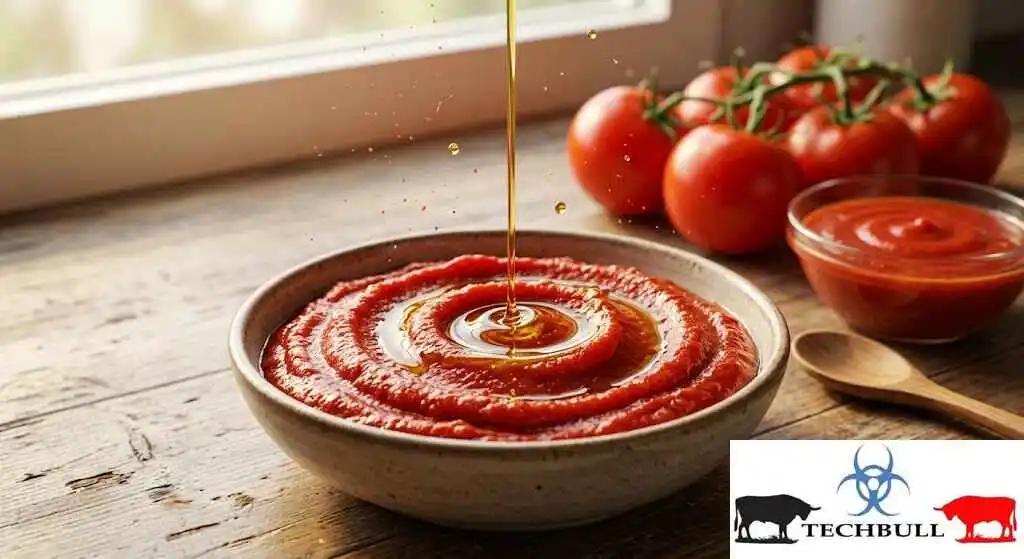
Step two is to always pair your lycopene with a little fat. Remember, this compound is fat-soluble. If you eat a bowl of plain, fat-free tomato soup, you will absorb very little of the lycopene. Adding a drizzle of high-quality extra virgin olive oil, a small knob of ghee, or even a modest sprinkle of cheese or some crushed nuts can dramatically improve the absorption rate of the nutrient.
Step three is to not overcomplicate it—just repeat weekly. A sustainable, consistent dietary pattern will always beat a one-time “detox day” where you eat five pounds of tomatoes and then ignore them for a month. Consistency is the secret to building up tissue levels.
Step four is to add variety. While tomatoes are the undisputed kings of lycopene, other red produce can contribute valuable carotenoids to your diet. Watermelon, pink grapefruit, and guava are fantastic fruit-based sources. While tomato processing remains the standout source for lycopene specifically due to the concentration and cooking process, rotating in these fruits ensures you get a broad spectrum of plant nutrients.
Sample “Lycopene-Friendly” Indian-Style Days
To make this practical, let’s look at some sample “licopene-friendly” Indian-style days. These meal ideas are easy, realistic, and deeply flavorful.
For breakfast, you could enjoy a vegetable omelet packed with sautéed spinach. To boost the lycopene, add a side of cooked tomato chutney, lightly spiced with cumin and mustard seeds, and cooked down in a teaspoon of ghee.
For lunch, a classic and comforting combination works perfectly: a portion of brown rice or whole wheat roti, paired with protein-rich lentils (dal), and a rich, tomato-based gravy. Using a homemade cooked tomato base or a high-quality tomato passata ensures the lycopene is highly bioavailable.
For an afternoon snack, if you are looking for fruit-based carotenoids, roasted papaya or fresh pink guava are excellent, hydrating choices that provide a sweet contrast to the savory meals.
For dinner, you could enjoy a pasta-style dish tossed in a robust, slow-simmered tomato sauce with olive oil and garlic. Alternatively, a traditional dal prepared with a classic tomato-onion-garlic base, tempered with spices, provides a deeply satisfying and lycopene-rich end to your day.
Absorption Hacks: Why a Simmered Sauce Beats a Raw Salad
Now, let’s talk about the science of absorption. Why is a “locked jar” of raw plant cells harder for your body to access than a “simmered sauce”?
In raw plants, lycopene is tightly stored within rigid cellular structures and bound to proteins. Your digestive system has to work incredibly hard to break these structures down, and honestly, it often fails to extract all the lycopene present in the raw plant. Cooking and processing, however, change the game entirely. Heat breaks down the plant cell walls and alters the chemical structure of the lycopene, transforming it into a form that is much easier for your intestines to absorb.
Here is some simple “do this, not that” guidance. Do choose tomato paste, passata, or crushed cooked tomatoes much more often than raw tomato slices if your primary goal is lycopene absorption. Do use a small amount of healthy fat in the meal to act as a transport vehicle. Do keep your tomato sauce portions sensible, especially if you are managing blood sugar or weight, as commercial sauces can be high in hidden sugars.
Don’t assume that raw tomatoes have the exact same impact as cooked ones. They are still incredibly healthy and provide great vitamin C and hydration, but for lycopene specifically, they fall short.
Consider this real-world example: A person who eats a large raw tomato in their daily salad may actually get significantly lower lycopene absorption than someone who eats a modest, half-cup portion of cooked tomato sauce just a few times per week. The magic is in the heat and the fat.
What to Watch Out For: Safety, Tolerability, and Medical Caveats
While lycopene is generally very safe, there are a few things to watch out for, particularly if you are trying to raise your intake by eating massive quantities of tomato products.
First, consider your digestive tolerability. Tomatoes are highly acidic. If you suffer from uncontrolled acid reflux, gastritis, or frequent heartburn, drastically increasing your tomato intake could exacerbate your symptoms. In these cases, it is crucial to listen to your body and perhaps rely on lower-acid sources like watermelon or consult a doctor.
Second, be mindful of kidney stones. For some individuals, a history of certain types of kidney stones can be triggered by high intake of tomatoes, which contain moderate levels of oxalates and can affect calcium excretion. If you have a history of renal issues, a cautious note is necessary: quality and individual tolerability matter immensely.
Finally, watch out for the quality of processed tomato products. A cheap, commercial pizza sauce might be high in lycopene, but it is also likely loaded with added sodium, sugar, and preservatives. Always read the label carefully and opt for products with short, clean ingredient lists, or make your own sauces at home where you control exactly what goes into the pot.
Lycopene and Disease Conversations: What the Evidence Can and Cannot Promise
This is the section where many health blog posts tend to overreach, promising miracle cures. We will stand out by being careful, nuanced, and strictly evidence-aware. What can lycopene actually do regarding chronic disease?
Research frequently studies lycopene in three main areas. First, cardiometabolic health. There are strong associations between high lycopene intake and improved antioxidant pathways, which may help protect blood vessels and reduce the oxidation of LDL cholesterol. Second, prostate health. There is a massive amount of interest here, with many observational studies showing lower risks of prostate issues in men who eat cooked tomatoes regularly. However, it is important to note that results across different clinical study designs are mixed. Third, general chronic disease risk markers. Because oxidative stress and chronic inflammation are common themes in almost all chronic diseases, lycopene’s ability to blunt these pathways makes it a subject of intense ongoing research.
The key credibility point you need to understand is that observational studies can only show associations; they cannot prove cause-and-effect. Just because men who eat more tomatoes have better prostate health does not definitively prove the tomatoes are the sole cause. They might just have an overall healthier lifestyle, better genetics, or more access to quality healthcare, making it difficult to isolate lycopene as the single variable. Clinical trial outcomes, when they are available, may vary wildly depending on the participants’ baseline diet, the dosage used, the duration of the study, and whether they used isolated supplements or whole food sources.
Therefore, when presenting this medically in a reader-friendly way, use careful language. Say that lycopene “may support” heart health, or is “associated with” lower risk markers. Acknowledge that “biological plausibility exists” for its protective effects, but be honest that “evidence is not uniform across all studies.” This builds immense trust with your audience.
Lycopene as a Supplement: When It Helps and When It Is Unnecessary
Given all this information, you might be wondering if you should just buy a lycopene supplement. Let’s break down when it helps, when it is unnecessary, and who should be cautious.
Supplements can be genuinely useful in specific scenarios. They are helpful when someone simply cannot consistently eat lycopene-rich foods due to allergies, severe digestive issues, or lifestyle constraints. They are useful when a person is targeting a specific, clinically identified nutritional gap, or when they are explicitly advised by a clinician for a specific dietary or medical reason.
However, supplements are absolutely not required for most people who are simply seeking general health benefits and overall wellness. If you are eating a varied, plant-rich diet, you are likely getting plenty of lycopene and the accompanying synergistic nutrients.
Here is a practical decision framework. If you eat little to no cooked tomatoes, making a food-first adjustment is almost always the best first step. If your diet is already rich in colorful plant foods, adding a supplement will likely add little to no extra benefit. Most importantly, if you are actively managing cancer care or have a high-risk medical status, do not self-prescribe high-dose antioxidants. You must coordinate with your oncology team or primary clinicians, because high-dose supplements can sometimes interact with treatment plans, such as certain chemotherapies or radiation therapies, or create a false sense of security that leads to poor lifestyle choices.
What you should say clearly to yourself and others is this: supplements are never a substitute for professional medical care. Whole-food patterns are always the first and best recommendation. If you have a medical condition or are on medication, you must consult a qualified clinician before starting high-dose supplements.
Your Actionable Summary: Steps You Can Take Today
To wrap everything up, here is a quick, actionable summary so you can start implementing these steps today. Keep this quick recap in mind as you plan your grocery list and your weekly meals.
First, aim to add cooked tomatoes—such as paste, passata, or crushed varieties—to your meals three to five times per week. This provides a consistent, reliable baseline of lycopene.
Second, always remember to include a small fat component with your tomato-based meals. A drizzle of olive oil, a bit of ghee, or some avocado will unlock the fat-soluble benefits of the lycopene.
Third, choose sustainable, sensible portions. Do not rely on raw tomatoes alone, and do not overeat sugary commercial sauces. Balance is key.
Finally, if you are considering lycopene supplements, do so only with proper clinician guidance, especially if you are managing a serious disease or taking prescription medications.
Lycopene, or licopene, is a beautiful example of how nature packages health benefits inside delicious, colorful foods. By understanding how it works, how to absorb it, and how to integrate it realistically into your life, you can harness its power to support your long-term well-being. It is not about perfection or extreme diets; it is about making smart, consistent, and enjoyable choices that nourish your body from the inside out. Enjoy your tomatoes, embrace the simmered sauces, and let the vibrant red pigment work its quiet, powerful magic in your body, supporting your health for many years to come with every single delicious, nutritious bite you take.
FAQ
- What is licopene?
Lycopene is the nutrient people usually mean by “licopene.” It’s a red carotenoid found in tomatoes and other red produce, and it’s known for antioxidant properties. - Is licopene the same as lycopene?
Yes—“licopene” is a common misspelling; the correct term is lycopene. - Where can I get the most lycopene?
Cooked and processed tomatoes (like tomato paste, passata, crushed tomatoes) are often the most reliable sources. - Does raw tomato contain lycopene?
It does, but cooking/processing typically increases lycopene bioavailability. - Does lycopene help prevent cancer?
Research is suggestive but not definitive; it’s not proven as a cancer prevention treatment. - Can lycopene cure cancer?
Cancer treatment decisions require medical care; lycopene should not replace therapy. - Does lycopene support heart health?
Some studies associate lycopene intake with cardiovascular health markers, but outcomes vary. - Is lycopene good for skin?
Because lycopene is an antioxidant, it’s often linked in research to skin-related oxidative stress, but individual results can vary. - What’s the best way to increase lycopene naturally?
Eat more cooked tomato-based foods, and pair them with a small amount of healthy fat. - Can I just drink tomato juice?
You can, but paste/passata-based meals may provide more usable lycopene depending on processing and portion. - Is tomato sauce better than tomatoes?
Often yes, for lycopene absorption, because cooking and processing help release it from plant structures. - How often should I eat cooked tomatoes?
A common practical target is several times per week, consistent with your diet pattern. - Will lycopene work if I’m already eating healthy?
It can still add value, but you may not “feel” a dramatic difference; the benefit is usually incremental. - Can lycopene lower inflammation?
It may influence oxidative stress pathways connected to inflammation, but evidence depends on context and study design. - Do supplements work better than food?
Not necessarily. Food patterns provide a broader nutritional package, and absorption varies. - What dose of lycopene is safe?
Safety depends on product strength and individual health. For supplements, consult a clinician or follow label directions carefully. - Are there side effects from lycopene supplements?
Potential side effects can occur, especially with high doses; discuss with a healthcare professional if you’re considering supplements. - Who should avoid lycopene supplements?
People undergoing cancer treatment, pregnant/breastfeeding individuals, or those on medications should seek medical guidance first. - Can lycopene interact with medications?
It’s possible for supplements to interact with some therapies; this is a “check with your clinician/pharmacist” situation. - Is watermelon a good source of lycopene?
Watermelon contains lycopene, but tomatoes are usually a more concentrated, consistent dietary source. - Does guava contain lycopene too?
Guava contains carotenoids, though its lycopene contribution varies compared with tomatoes. - Is it okay to eat tomatoes daily?
Often yes for most people, but it depends on your digestion, reflux, allergies, and overall diet. - Can lycopene help with prostate health?
It’s commonly studied in relation to prostate health, but evidence is not uniform; it’s not a guaranteed protective factor. - Does lycopene help with diabetes?
Some studies suggest possible benefits on metabolic markers, but you should not treat lycopene as a diabetes therapy. - What if I have acid reflux?
Tomato products can trigger reflux in some people—use caution and adjust portion/type. - Should I choose organic?
Organic can reduce pesticide exposure, but it doesn’t automatically mean higher lycopene. Cooking/processing matters more for absorption. - Do “low sugar” tomato products reduce benefits?
Lower sugar doesn’t remove lycopene; benefits depend on the tomato-based portion and overall meal context. - How long does it take to see any benefit?
Nutritional changes often influence biomarkers gradually; you shouldn’t expect quick “day-to-day” effects. - Is it better to take lycopene in the morning or evening?
There’s no universal timing rule. If using supplements, follow label guidance and consider tolerability. - What’s the best overall approach?
Aim for a consistent diet pattern: more cooked tomato foods, healthy fats, and overall balanced nutrition—supplements only if appropriate for your situation.
Lycopene-Rich Foods Nutrient-Density Dashboard
A practical comparison of lycopene content, serving size, bioavailability, and antioxidant index
How to use this dashboard
Use the table to compare foods by listed serving, lycopene density, and preparation method. Values are approximate because cultivar, ripeness, processing, brand, storage, and laboratory method can all affect nutrient measurements.
Important interpretation note: The antioxidant index is an educational relative score—not a clinical measure, ORAC value, or prediction of disease prevention. Antioxidant capacity measured in a laboratory does not directly translate into human health outcomes.
Comparison table
| Food / preparation | Serving | Lycopene (mg) |
mg/100 g | Bioavailability | Antioxidant index |
Practical note |
| Tomato paste, canned | 1 cup (≈262 g) | 75.5 | 28.8 | High | 100 | Very concentrated; usually used in small recipe portions. |
| Sun-dried tomatoes | 30 g (≈¼ cup) | 13.8 | 45.9 | Moderate | 82 | Highly concentrated; check sodium and oil-packed ingredients. |
| Tomato purée, canned | 1 cup (≈250 g) | 54.5 | 21.8 | High | 96 | Processed and easily cooked with a little oil. |
| Tomato juice, canned | 1 cup (≈243 g) | 22.0 | 9.1 | Moderate | 63 | Convenient, but sodium varies widely by brand. |
| Cooked tomato sauce | ½ cup (≈125 g) | 18.0 | 14.4 | High | 88 | Heat and a lipid-containing meal can improve uptake. |
| Watermelon, raw | 1 cup diced (≈152 g) | 6.9 | 4.5 | Lower | 38 | Refreshing whole-food source; no cooking needed. |
| Guava, pink/red | 1 cup sliced (≈165 g) | 8.6 | 5.2 | Lower | 43 | Also provides fiber and vitamin C; values vary by cultivar. |
| Tomato, raw | 1 medium (≈123 g) | 3.2 | 2.6 | Lower | 30 | Easy daily addition; cooking may make lycopene more bioaccessible. |
| Ketchup | 1 tbsp (≈17 g) | 2.1 | 12.4 | Moderate | 35 | Small serving; often contains added sugar and sodium. |
| Pink/red grapefruit | ½ fruit (≈123 g) | 1.8 | 1.5 | Lower | 22 | Contains lycopene, but grapefruit can interact with medicines. |
| Watermelon juice | 1 cup (≈240 g) | 7.2 | 3.0 | Lower | 34 | Liquid form is convenient but less filling than whole fruit. |
Practical takeaways
- Highest density: tomato paste and sun-dried tomatoes, although practical portions are usually much smaller than one cup.
- Best everyday option: cooked tomato sauce or purée with a modest amount of dietary fat.
- Fresh choices: watermelon, pink/red guava, raw tomatoes, and grapefruit contribute lycopene but generally have a lower bioavailability tier than cooked tomato foods.
- Bioavailability is not a fixed percentage. It can change with heating, chopping, dietary fat, food matrix, dose, and individual digestion.
- Choose foods you can eat consistently rather than chasing one “winner.”
Safety and clinical context
- Do not use lycopene-rich foods or supplements to replace cancer screening, prescribed treatment, or cardiovascular care.
- Tomato products may aggravate reflux in some people.
- Grapefruit can interact with certain medicines; anyone taking prescription medication should check with a pharmacist or clinician.
- If considering a high-dose lycopene supplement, seek individualized medical advice, especially during cancer treatment, pregnancy, breastfeeding, or when taking multiple medicines.
Lycopene & Cardiovascular Health
Executive snapshot
The most relevant recent evidence points toward a modest improvement in vascular endothelial function and a small reduction in blood pressure with sustained intake of lycopene-containing tomato products. The evidence does not yet establish that lycopene prevents heart attacks, strokes, or cardiovascular death, and lipid findings remain inconsistent.
Bottom line for practice and content Food-based tomato products may be discussed as one component of a heart-healthy dietary pattern—not as a replacement for blood-pressure treatment, lipid-lowering therapy, exercise, smoking cessation, or medical follow-up.
New evidence this month
| Publication | Design / population | Intervention and outcome | Main finding / confidence |
| Yoshida et al., Food & Function, 2025 | Randomized, placebo-controlled, double-blind trial; 72 analyzed healthy adults aged 40–64 with borderline FMD | Daily placebo juice, tomato juice with 15.0 mg lycopene, or high-lycopene tomato juice with 26.7 mg for 12 weeks; FMD measured at 4, 8, and 12 weeks | At week 12, FMD was 6.1% with 15 mg and 7.0% with 26.7 mg versus 5.4% with placebo; p < 0.001 for both comparisons. No significant differences in oxidative-stress or urinary NO markers. Small, industry-sponsored trial. |
| Yoshida et al., Nutrients, 2026 | Systematic review and meta-analysis; six studies identified, four continuous-intake FMD studies pooled; 182 participants | Lycopene-containing foods/products for at least 7 days; tomato paste, purée, watermelon juice, tomato juice, and capsules; FMD primary endpoint | FMD increased by 1.36 percentage points (95% CI 0.20–2.51; p = 0.02; I² = 24%). Result became non-significant when the 2025 Yoshida trial was removed. Evidence rated moderate but limited. |
| Nam et al., Food & Function, 2026 | Umbrella review of nine systematic reviews; seven meta-analyses; adult intervention evidence | Tomatoes and naturally occurring lycopene; doses and products varied widely | Pooled evidence supported small reductions in systolic and diastolic blood pressure, approximately 2.41 and 1.33 mmHg respectively. Lipid outcomes were inconsistent; HDL-C certainty was very low. |
What the numbers mean
- FMD is a research marker of vascular endothelial function. A higher value can indicate better vasodilatory response, but improvement in FMD is not the same as proof of fewer cardiovascular events.
- The 2026 umbrella review estimated an average systolic blood-pressure reduction of about 2.4 mmHg and diastolic reduction of about 1.3 mmHg. These are small effects, although even modest population-level blood-pressure changes can matter.
- The 2026 endothelial-function meta-analysis included only four studies for the pooled FMD result. Its statistical significance depended heavily on one recent trial, so replication is important.
- The trials generally assessed surrogate outcomes over weeks or months. They did not demonstrate reductions in heart attack, stroke, hospitalization, or mortality.
Evidence quality and limitations
- Small samples: the newest randomized tomato-juice trial analyzed 72 participants, and the pooled endothelial-function analysis included 182 participants.
- Intervention complexity: tomato juice and other products contain fiber, potassium, polyphenols, and other carotenoids. Results cannot always be attributed to lycopene alone.
- Formulation differences: studies used tomato juice, tomato paste, tomato purée, watermelon juice, and capsules, with doses ranging from roughly 6 to 46.2 mg/day in the newer endothelial-function review.
- Population limits: the 2025 trial enrolled healthy adults with borderline FMD and excluded people with chronic disease under treatment, so findings may not generalize to patients with established cardiovascular disease.
- Industry involvement: the 2025 randomized trial and 2026 systematic review were conducted by authors employed by or connected with Kagome Co., Ltd.; this does not invalidate the findings, but it makes independent replication particularly valuable.
- Surrogate outcomes: FMD, blood pressure, and lipid markers are useful indicators, but they are not direct measurements of cardiovascular events.
Monthly interpretation
The current evidence supports a cautious, food-first message: regular intake of tomato-based foods may modestly benefit vascular function and blood pressure, particularly when consumed consistently over several weeks. The data are not strong enough to recommend high-dose lycopene supplementation for cardiovascular disease prevention, and there is no established clinical dose for preventing cardiovascular events.
| Question | Current answer | Confidence |
| Does lycopene lower blood pressure? | Likely a small average reduction, especially in intervention studies using tomato-derived products; it should not replace prescribed therapy. | Moderate to high for surrogate BP effects in the 2026 umbrella review. |
| Does lycopene improve endothelial function? | Possibly. Continuous intake was associated with a 1.36-point FMD increase in a small meta-analysis. | Moderate but limited; sensitive to one study. |
| Does it improve cholesterol? | Not consistently. LDL-C, total cholesterol, triglycerides, and HDL-C results vary across reviews. | Low to moderate, with very low certainty for HDL-C. |
| Does it prevent heart attacks or strokes? | Not established by current clinical trials. | Insufficient evidence. |
| Should readers take a supplement? | Routine high-dose supplementation cannot be recommended solely for cardiovascular prevention based on the current evidence. | Insufficient evidence; discuss individual circumstances with a clinician. |
What to monitor next month
- New randomized trials that separate lycopene from the wider tomato-food matrix.
- Independent trials with larger samples and participants with hypertension, dyslipidemia, diabetes, or established cardiovascular disease.
- Studies reporting standardized FMD methods, ambulatory blood pressure, LDL oxidation, medication use, adverse events, and longer follow-up.
- Registered clinical trials that report cardiovascular events rather than only surrogate biomarkers.
- Dose–response studies comparing approximately 5–15 mg/day with higher doses and food versus capsule formulations.
⚕️Medical Disclaimer:
The information provided on this website is for general educational and informational purposes only
and is not intended as a substitute for professional medical advice, diagnosis, or treatment. Always
seek the advice of your physician or other qualified health provider with any questions you may have
regarding a medical condition. Never disregard professional medical advice or delay in seeking it
because of something you have read on this website.
