
Table of Contents
Embracing Slow Fashion: A Sustainable and Ethical Approach to Style
In a world where fashion trends change at lightning speed and cheap, disposable clothing fills our wardrobes, the slow fashion movement has emerged as a powerful alternative. Slow fashion is a conscious and mindful approach to clothing that prioritizes quality over quantity, ethical production, and environmental responsibility. Unlike fast fashion, which relies on rapid production cycles and low-cost manufacturing, slow fashion encourages consumers to invest in timeless, durable pieces that are made with sustainable materials and produced under fair labor conditions. This movement is not just about aesthetics; it’s about adopting a lifestyle that values sustainability, supports ethical labor practices, and reduces the fashion industry’s environmental footprint.
At the heart of slow fashion is the belief that clothing should be long-lasting, thoughtfully crafted, and responsibly sourced. By choosing high-quality garments that are made to endure, consumers can reduce the frequency with which they need to purchase new clothing, ultimately saving money in the long run. Additionally, slow fashion promotes the use of eco-friendly materials such as organic cotton, recycled fabrics, and ethically sourced leather, which have a significantly lower impact on the environment than the synthetic blends and mass-produced textiles commonly found in fast fashion. The slower production cycle of sustainable fashion also means that each piece is crafted with care, reducing waste and ensuring that garments are made to meet higher durability and ethical standards. As more people become aware of the environmental and social costs of fast fashion, the shift toward slow fashion represents a growing movement toward mindful consumption and responsible shopping.
Beyond its environmental and ethical implications, slow fashion also offers a way to cultivate a more thoughtful and intentional wardrobe. Rather than relying on constant purchases to keep up with fleeting trends, slow fashion encourages the creation of versatile, high-quality pieces that can be worn across seasons and paired in multiple ways. This not only reduces clutter and the burden of making frequent shopping decisions but also fosters a sense of satisfaction in owning pieces that truly reflect one’s personal style and values. The rise of slow fashion is reshaping the way we think about clothing, transforming it from a disposable commodity into a meaningful investment. As the fashion industry continues to evolve, the slow fashion movement offers a compelling alternative—one that aligns fashion with sustainability, ethics, and long-term value.
The Environmental Impact of Fast Fashion
The fast fashion industry, with its rapid production cycles and low-cost garments, has a devastating impact on the environment, contributing to excessive carbon emissions, widespread microplastic pollution, and extensive water waste. As the global appetite for trendy, inexpensive clothing continues to rise, the environmental consequences of fast fashion grow more severe. According to a 2023 study published in the journal Environmental Science & Technology, the fashion industry is responsible for more than 10% of global carbon emissions—more than all international flights and maritime shipping combined. The production of synthetic fabrics such as polyester, a material used in a significant portion of fast fashion garments, is particularly harmful, as it relies heavily on fossil fuels. The manufacturing process of these materials releases substantial amounts of greenhouse gases, exacerbating climate change. Furthermore, polyester garments shed microplastics with every wash, contaminating waterways and harming marine life. In fact, a single load of laundry can release over 700,000 microplastic fibers into the water supply, as highlighted by the Proceedings of the National Academy of Sciences of the United States of America (PNAS) in 2023.

In addition to carbon emissions and microplastic pollution, the fast fashion industry is one of the largest consumers of water worldwide. Cotton, a staple fabric in the industry, requires vast amounts of water for production. It is estimated that producing a single cotton t-shirt can consume up to 2,700 liters of water—enough for one person to drink for about two and a half years. Meanwhile, the production of a pair of classic blue jeans can require as much as 8,000 liters of water, according to a 2021 report by the Environmental Impact of Denim Industry. The dyeing and finishing processes used in fast fashion further strain water resources, often polluting nearby water sources with toxic chemicals. In many countries where garments are produced, rivers and groundwater are contaminated with harmful dyes, posing serious health risks to local communities and ecosystems. As the fashion industry expands to meet global consumer demand, the strain on water resources becomes a growing concern, emphasizing the urgent need for sustainable alternatives.
The environmental toll of fast fashion is further exacerbated by the sheer volume of clothing discarded worldwide. With new collections launching constantly, consumers are led to believe that staying up-to-date with trends requires constant purchasing, even at the expense of their existing wardrobes. As a result, textile waste has reached alarming levels. The United Nations Environment Programme (UNEP) reports that approximately 92 million tons of textile waste are generated each year globally, with 27% of clothing ending up in landfills within a single year of purchase. In the United States alone, the Environmental Protection Agency (EPA) estimates that 80% of textiles sent to landfills could be recycled or repurposed. However, due to the low perceived value of fast fashion items, consumers often dispose of them before any damage is done.
Given these alarming environmental statistics, the need for sustainable alternatives such as slow fashion is increasingly evident. By investing in high-quality, long-lasting garments, individuals can reduce overall clothing consumption, ultimately decreasing the demand for fast fashion production. In the next section, we will explore how the slow fashion movement not only addresses these environmental concerns but also offers consumers a more cost-effective and ethical approach to clothing.
The Economic Benefits of Embracing Slow Fashion
Beyond its environmental and ethical advantages, slow fashion also offers significant financial benefits to consumers. While fast fashion may appear cost-effective in the short term, the true cost of constantly purchasing low-quality garments often outweighs the initial savings. In contrast, slow fashion encourages the acquisition of high-quality, durable pieces that last for years, reducing the overall need for frequent clothing purchases. This shift in consumer behavior not only results in long-term savings but also fosters a more financially sustainable approach to fashion.
One of the most compelling financial advantages of slow fashion is the reduction in long-term clothing expenses. Fast fashion garments are typically made from inexpensive synthetic materials that degrade quickly, often requiring replacement within a year or two. On the other hand, slow fashion pieces are constructed from premium fabrics such as organic cotton, natural wool, and recycled materials, which are designed to withstand regular wear and tear. For instance, a high-quality organic cotton T-shirt can cost significantly more upfront than a mass-produced fast fashion alternative, but its durability means it can last five to ten times longer, ultimately saving money in the long run. According to a 2022 report by the Center for Sustainable Fashion, an average consumer who switches to slow fashion can reduce their annual clothing expenditure by up to 40%, simply by investing in fewer, more durable pieces.
Moreover, the slow fashion movement encourages the adoption of minimalist and capsule wardrobes—collections of versatile, timeless garments that can be mixed and matched to create multiple outfits. This approach eliminates the need for excessive clothing purchases, reducing the financial burden of constantly buying new items to keep up with changing trends. A capsule wardrobe, for example, typically consists of 30 to 40 carefully selected pieces that can be dressed up or down for various occasions. By curating a wardrobe with investment pieces that remain relevant across seasons, consumers can maintain a stylish appearance without the need for frequent shopping.
The financial benefits of slow fashion also extend to the second-hand market, which has seen a surge in popularity in recent years. Thrift stores, vintage boutiques, and online resale platforms such as ThredUp and Poshmark provide affordable alternatives to buying new clothing. These marketplaces allow consumers to acquire high-quality fashion items at a fraction of the retail price, further reducing the financial strain of clothing purchases. In fact, a 2023 report by ThredUp estimated that the second-hand fashion market would reach $81 billion in value by 2026, with the average savings on a gently used item being approximately 36% less than buying new. This shift toward circular fashion not only supports financial sustainability but also reduces textile waste and the demand for fast fashion production.
Additionally, slow fashion emphasizes the importance of clothing repair and upcycling, which can further extend the lifespan of garments and reduce the need for replacements. With the rise of DIY fashion tutorials and repair services, consumers are learning to mend, alter, and repurpose their clothing, turning what might have been discarded into new, stylish pieces. This not only saves money but also promotes a more responsible and resourceful approach to clothing consumption.
In essence, slow fashion offers a financially prudent approach to clothing that aligns with both environmental sustainability and long-term cost savings. By choosing high-quality, long-lasting garments, reducing unnecessary purchases, and embracing the second-hand market, individuals can enjoy a stylish, personalized wardrobe without the financial burden often associated with fast fashion.
Current Trends in Slow Fashion: A Growing Movement
As the slow fashion movement gains momentum, a variety of trends are emerging, reshaping the way people approach clothing and consumerism. From circular fashion initiatives to the growing popularity of capsule wardrobes, these trends reflect a broader shift toward sustainability and mindful consumption. Influencers and thought leaders in the fashion industry are also playing a pivotal role in promoting slow fashion, bringing awareness to ethical production, and encouraging consumers to adopt more responsible shopping habits.
One of the most significant trends in slow fashion is circular fashion, which emphasizes the continuous lifecycle of clothing. This approach aims to keep garments in use for as long as possible through practices such as repairing, reselling, renting, or recycling. Companies like Renewed, a second-hand clothing retailer backed by Amazon, are leading the charge in the circular fashion movement by offering gently used, high-quality garments at a fraction of their original cost. Renewed not only reduces textile waste but also introduces sustainability to mainstream fashion by making second-hand shopping more accessible and convenient. Similarly, luxury fashion brand Eileen Fisher has implemented a circular system called Renew, where customers can return used Eileen Fisher garments for resale, repair, or recycling. This initiative ensures that high-quality clothing continues to be used rather than ending up in landfills, setting a benchmark for sustainable fashion practices. The rise of circular fashion is not only transforming the industry but also encouraging consumers to view clothing as a valuable and long-term investment rather than a disposable product.
Another major trend gaining traction is the capsule wardrobe, a concept that promotes owning a small collection of versatile, high-quality garments that can be worn across multiple occasions and seasons. This minimalist approach eliminates the need for constant shopping and fosters a more intentional and sustainable fashion lifestyle. One of the leading advocates for capsule fashion is Carla Lopez, a UK-based lifestyle influencer whose minimalist aesthetic and curated collections have inspired millions to rethink their wardrobes. Lopez’s capsule wardrobe typically consists of 30 to 40 pieces that can be mixed and matched to create a variety of outfits, proving that a small collection of well-chosen garments can be just as expressive as a vast wardrobe filled with fast fashion. By focusing on timeless design and high-quality materials, capsule wardrobes reduce textile waste and promote a more sustainable, cost-effective approach to fashion.
In addition to circular fashion and capsule wardrobes, ethical and sustainable fashion brands are at the forefront of the slow fashion movement. These brands prioritize transparency, fair labor practices, and eco-friendly materials, offering consumers a responsible alternative to fast fashion. Patagonia, for example, has long been a pioneer in sustainably, advocating for environmental responsibility through initiatives such as the Worn Wear program, which repairs and resells used Patagonia garments. The brand’s commitment to sustainability is further demonstrated by its use of recycled materials and its mission to reduce the environmental impact of clothing production. Another notable brand is Stella McCartney, who has been a vocal advocate for cruelty-free fashion and the use of sustainable materials since the early 2000s. By promoting ethical production and environmentally friendly practices, sustainable brands like these are setting new industry standards and influencing the broader fashion landscape.
The rise of eco-conscious influencers has also played a crucial role in promoting slow fashion. Social media platforms have become powerful tools for spreading awareness about sustainable fashion, with influencers using their platforms to educate followers on the benefits of slow fashion and ethical shopping. May Lindblom, a Swedish sustainability influencer, has built a dedicated following by sharing practical advice on how to shop more sustainably and create stylish, minimalistic wardrobes. Her fashion brand, Kamratklänningen, is dedicated to reducing textile waste by upcycling vintage clothing into modern designs, demonstrating how fashion can be both sustainable and stylish. Similarly, Leah Thomas, an environmental advocate and fashion influencer, has used her platform to highlight the environmental and ethical impact of the fashion industry, encouraging her followers to support brands that align with their values. These influencers are not only reshaping fashion trends but also fostering a community of conscious consumers who prioritize sustainability and ethical production.
Moreover, fashion campaigns and initiatives led by influencers and organizations are further amplifying the message of slow fashion. One of the most impactful campaigns is Fashion Revolution, a global movement that encourages consumers to ask #WhoMadeMyClothes and promotes transparency in the fashion industry. Founded in response to the 2013 Rana Plaza disaster, the campaign has gained widespread support from influencers and industry leaders alike, pushing for better labor practices and ethical production. Another notable initiative is FABRICATE, a London-based fashion incubator that supports emerging sustainable designers and promotes slow fashion through creative and educational programs. By highlighting the work of ethical designers and entrepreneurs, FABRICATE is helping to shift the fashion industry toward a more sustainable future.
As these trends continue to evolve, the slow fashion movement is proving to be more than a fad—it is a powerful, long-term shift in the way people think about clothing and consumption. With the growing influence of sustainable brands, the rise of circular fashion, and the guidance of eco-conscious influencers, the future of fashion is becoming increasingly sustainable and mindful.
Practical Tips for Joining the Slow Fashion Movement
Transitioning to slow fashion doesn’t require a dramatic overhaul of your wardrobe or lifestyle—it can begin with small, intentional choices that align with sustainable and ethical principles. Whether you’re looking to build a more curated collection of high-quality garments, embrace second-hand shopping, or learn how to extend the lifespan of your clothes, there are practical steps you can take to make slow fashion a part of your everyday life.
One of the most effective ways to embrace slow fashion is by building a capsule wardrobe—a carefully selected collection of versatile, timeless pieces that can be worn repeatedly across seasons. This approach eliminates the need for excessive clothing purchases while ensuring your wardrobe remains stylish and functional. A good capsule wardrobe typically includes 30 to 40 essential items that mix and match easily. For example, a well-made blazer, a classic white dress, and a pair of high-quality jeans can form the foundation of a versatile wardrobe that can be dressed up or down depending on the occasion. To curate your capsule wardrobe, start by assessing your current clothing inventory and identifying the pieces you wear most frequently. Sell or donate items that no longer serve you, and replace missing pieces with high-quality, long-lasting alternatives. Investing in fewer, better-made garments ensures long-term satisfaction and reduces the need for frequent shopping.
In addition to building a capsule wardrobe, supporting sustainable and ethical fashion brands is another meaningful step in the slow fashion journey. Many brands now prioritize sustainability by using eco-friendly materials, ethical labor practices, and transparent production processes. When shopping for new clothing, look for certifications such as Fair Trade, Global Organic Textile Standard (GOTS), and B Corp to ensure that the brand meets specific environmental and social responsibility standards. Brands like Patagonia, Eileen Fisher, and Reformation are known for their commitment to sustainability and offer stylish, high-quality garments made with care for the planet and its people. Additionally, shopping at second-hand stores or platforms like Renewed, ThredUp, and Depop allows you to acquire unique, gently used clothing while reducing textile waste.
Learning how to repair and maintain your clothing is another essential aspect of slow fashion that can significantly extend the lifespan of your garments. Instead of discarding an item when it shows signs of wear, consider mending it with a simple sewing kit, darning tool, or fabric patches. If you’re not confident in your sewing skills, many local thrift stores and community centers offer clothing repair workshops where you can learn basic mending techniques. Another effective way to maintain your clothing is by washing garments less frequently and using gentle, eco-friendly detergents to prevent fabric degradation. Investing in a high-quality fabric softener bar or wool detergent can also help preserve the texture and longevity of your favorite pieces. For delicate garments or complex repairs, dry cleaning or professional tailoring can offer a longer-term solution that prevents unnecessary clothing waste.
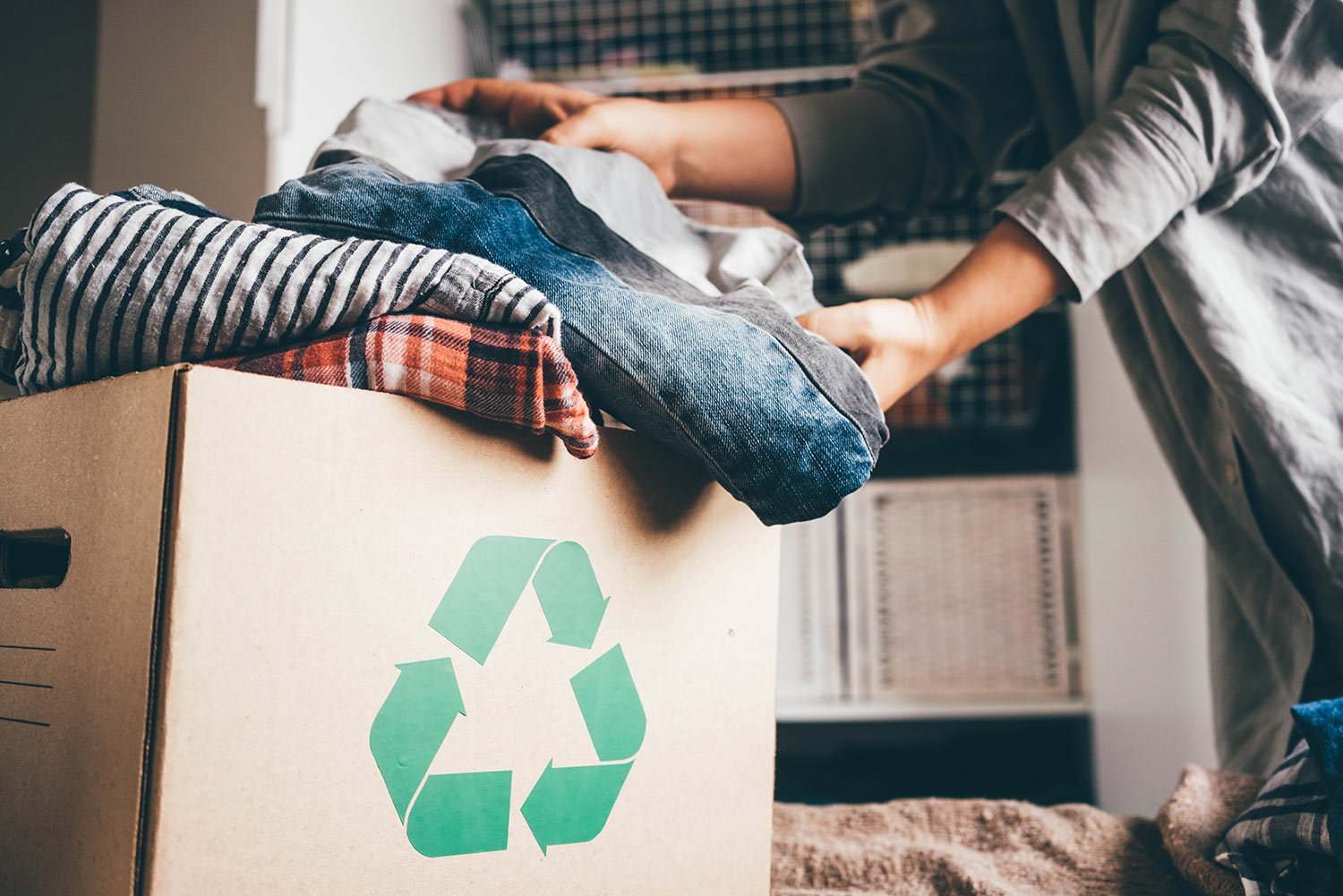
Finally, recycling and upcycling old clothing is a sustainable way to give new life to items that are no longer worn. If an item is too damaged to mend, consider donating it to organizations that repurpose textiles into new garments or other materials. Many communities also offer textile recycling programs that collect unwanted clothing to be repurposed into insulation, rags, or new fabric blends. If you’re feeling creative, upcycling old clothes by transforming them into new designs can be an enjoyable and rewarding way to reduce waste while expressing your personal style. There are numerous online tutorials and DIY guides that offer inspiration for repurposing old garments into new accessories, such as turning a vintage dress into a skirt or converting an old T-shirt into a tote bag.
By incorporating these practical steps—building a capsule wardrobe, supporting sustainable fashion brands, repairing and maintaining clothing, and recycling or upcycling old garments—you can seamlessly integrate slow fashion into your daily life. These habits not only reduce your environmental footprint but also foster a more mindful and intentional approach to fashion.
