
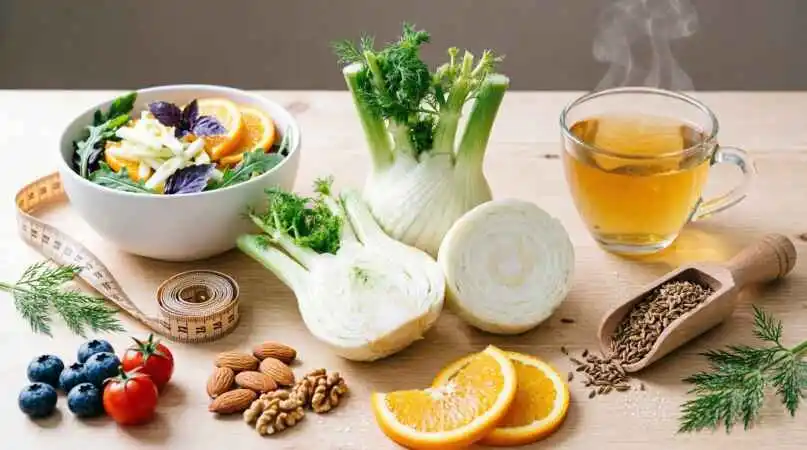
Are you looking to spice up your health routine? Look no further than fennel! In this blog post, we will explore the numerous health benefits of fennel and the best ways to incorporate this versatile ingredient into your daily diet.
The Incredible Health Benefits of Fennel: A Crunchy, Sweet Superfood
Fennel, with its crisp texture and mild licorice-like flavor, is a flowering plant that has been prized for centuries in culinary and medicinal traditions around the world. Native to the Mediterranean, every part of the fennel plant — from the bulb and stalks to the feathery fronds and aromatic seeds — is edible and brimming with health-promoting compounds. Whether eaten raw in salads, roasted as a side dish, brewed as a soothing tea, or chewed as a seed after meals, fennel is far more than a kitchen herb. It is a powerhouse of nutrients that can help boost your overall well-being. Here are some of the key health benefits of fennel.
Digestive Aid
Fennel is perhaps best known for its ability to support digestion. It can help reduce bloating and gas, making it great for easing digestive discomfort after heavy meals. The plant’s natural oils, including anethole, relax the smooth muscles of the digestive tract, allowing trapped gas to pass and relieving cramping. Fennel seeds have long been chewed after meals in India and the Mediterranean as a traditional remedy for indigestion and a natural breath freshener. Fennel tea is likewise a gentle remedy for upset stomachs, constipation, and symptoms of irritable bowel syndrome, making this humble plant a true friend of the gut.

Rich in Nutrients
Fennel is packed with essential vitamins and minerals, including vitamin C, potassium, and fiber, while remaining remarkably low in calories. A single cup of raw fennel bulb provides a meaningful amount of dietary fiber, which supports digestive regularity, along with vitamin C for tissue repair and immune defense, and potassium for fluid balance and blood pressure regulation. Fennel also supplies smaller amounts of folate, manganese, iron, and calcium, all of which play vital roles in energy production, red blood cell formation, and bone strength. Adding fennel to your meals is an easy way to enrich your diet with a broad spectrum of nutrients.
Antioxidant Properties
Fennel contains powerful antioxidants like flavonoids — including quercetin and kaempferol — as well as anethole, which help fight free radicals in the body. Free radicals are unstable molecules that damage cells and contribute to aging and chronic diseases such as cancer and heart disease. By neutralizing these harmful compounds, the antioxidants in fennel help protect cells from oxidative stress and support long-term health. Some studies also suggest that fennel’s phenolic compounds may help inhibit the growth of certain harmful microorganisms, further highlighting this plant’s protective, disease-fighting potential.
Anti-Inflammatory
The compounds in fennel have notable anti-inflammatory effects, which can help reduce inflammation throughout the body. Chronic inflammation is linked to a host of health problems, including arthritis, heart disease, and metabolic disorders. Anethole and other anti-inflammatory agents in fennel work by calming inflammatory pathways, potentially easing joint pain and swelling. Regularly consuming anti-inflammatory foods like fennel may help keep systemic inflammation in check, supporting overall comfort, mobility, and wellness. Whether eaten as a vegetable or sipped as fennel seed tea, this plant offers a delicious, natural way to soothe an inflamed body from the inside out.
Heart Health
The fiber, potassium, and folate in fennel support heart health by helping to lower blood pressure and reduce cholesterol levels. Dietary fiber binds to cholesterol in the digestive system and helps eliminate it from the body, while potassium counteracts the effects of sodium, easing tension in blood vessel walls and promoting healthy blood pressure. Folate, meanwhile, helps regulate homocysteine levels, an amino acid that, when elevated, can increase the risk of heart disease. Together, these nutrients make fennel a heart-smart food that supports healthy circulation, protects arteries, and reduces the risk of cardiovascular problems.
Bone Health
With its content of calcium and magnesium, fennel can contribute to strong and healthy bones. Calcium is the primary mineral found in bones and teeth, while magnesium helps the body absorb and utilize calcium effectively. Fennel also provides smaller amounts of vitamin K, phosphorus, and zinc, all of which play essential roles in bone formation and mineralization. Regularly including fennel in a balanced diet may help maintain bone density and reduce the risk of osteoporosis and fractures as you age, making it a valuable part of a bone-supportive lifestyle.
Hormonal Balance
Fennel contains phytoestrogens, plant compounds that gently mimic estrogen in the body, which can help balance hormones and may alleviate some menopausal symptoms. For women experiencing hot flashes, mood swings, or sleep disturbances during perimenopause and menopause, fennel may offer natural relief. Some research suggests that fennel extract can reduce the severity of menopausal symptoms without serious side effects. Phytoestrogens may also support menstrual comfort and lactation in nursing mothers, which is why fennel has traditionally been used as a women’s health tonic. Anyone with hormone-sensitive conditions, however, should consult a healthcare provider before using fennel therapeutically.
Immune Support
The vitamin C in fennel boosts the immune system, helping your body fend off illnesses. Vitamin C stimulates the production and function of white blood cells, the body’s frontline defenders against infection, while also strengthening the skin’s barrier function. As an antioxidant, vitamin C further protects immune cells from damage while they fight off pathogens. Combined with fennel’s antimicrobial and anti-inflammatory compounds, this makes the plant a valuable ally during cold and flu season, helping your body stay resilient, recover faster, and maintain strong defenses year-round.
Weight Management
Fennel is low in calories but high in fiber, making it a great addition to any weight loss plan. The fiber in fennel can help keep you feeling full and satisfied, reducing cravings and overeating. Because it takes time to chew and digests slowly, fennel promotes lasting satiety with very few calories, while its natural sweetness and satisfying crunch make it a healthy substitute for higher-calorie snacks. Additionally, fennel’s digestive benefits help reduce bloating and water retention, contributing to a lighter, more comfortable feeling. Enjoying fennel regularly can support sustainable, enjoyable weight management.
From easing digestion and supporting the heart to balancing hormones, strengthening bones, and boosting immunity, fennel truly is an incredible, versatile superfood. By welcoming this crisp, aromatic plant into your everyday meals, you can nourish your body from head to toe — one delicious bite at a time.
Enjoy Fennel in Your Daily Diet
Adding fennel to your diet is easy and delicious. Slice the raw bulb into salads and slaws, roast or grill it as a savory side dish, or sprinkle the feathery fronds over soups, fish, and pasta. Fennel seeds can be brewed into a soothing tea, chewed after meals, or used as a warming spice in breads and curries. Now that you know about the amazing health benefits of fennel, you may be wondering how to incorporate it into your meals. Here are some creative and delicious ways to enjoy fennel:
- Raw in salads: Slice fennel thinly and add it to your favorite salads for a crunchy and flavorful twist. The subtle anise flavor of fennel pairs well with citrus fruits and leafy greens.
- Roasted with vegetables: Roasting fennel brings out its natural sweetness and enhances its flavor. Toss fennel wedges with olive oil, salt, and pepper, and roast them until golden brown for a tasty side dish.
- Steamed with fish: Fennel is a classic pairing with fish, thanks to its aromatic and fresh taste. Steam fish fillets with sliced fennel, lemon, and herbs for a light and healthy meal.
- In herbal tea: Fennel seeds can be brewed into a soothing and aromatic tea. Simply steep fennel seeds in hot water for a few minutes and enjoy the calming and digestive benefits.
- As a seasoning: Crushed fennel seeds can be used as a flavorful seasoning for meats, soups, and stews. The warm and slightly sweet taste of fennel adds depth to dishes.
Incorporating fennel into your diet is not only delicious but also incredibly beneficial for your health. Whether you enjoy it raw, roasted, or brewed as tea, fennel is a versatile ingredient that can enhance your overall well-being.
Why wait? Start reaping the benefits of fennel today!
