
Table of Contents
Discovering Malaysia: A Journey Through Culture, Nature, and Vibrant Cities
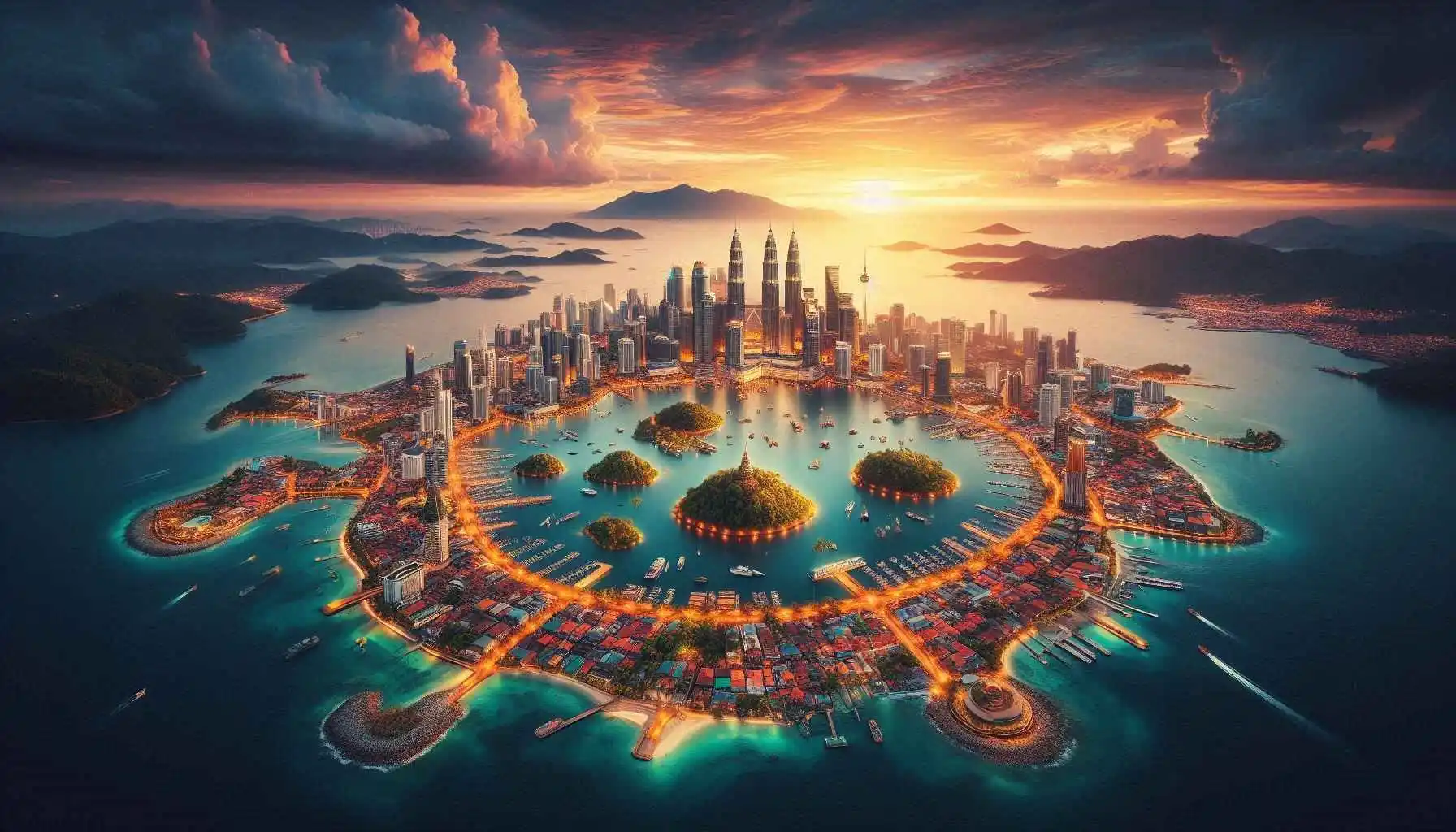
Malaysia, a country that straddles the equator and is divided into two distinct regions—Peninsular Malaysia and East Malaysia—offers a rich tapestry of culture, nature, and vibrant cities. From the bustling streets of Kuala Lumpur to the serene beaches of Langkawi, and the lush rainforests of Borneo, Malaysia is a destination that captivates the hearts of travelers with its diverse landscapes and warm hospitality.
A Blend of Cultures
One of the most striking aspects of Malaysia is its cultural diversity. The country is a melting pot of Malay, Chinese, Indian, and indigenous cultures, each contributing to a unique and harmonious society. This cultural mosaic is evident in the architecture, cuisine, festivals, and daily life of Malaysians.
Architectural Marvels
The architectural landscape of Malaysia is a testament to its multicultural heritage. In Kuala Lumpur, the Petronas Twin Towers, designed by Argentine architect César Pelli, stand as a symbol of modernity and engineering prowess. These 88-story skyscrapers were the tallest buildings in the world from 1998 to 2004 and continue to be a major tourist attraction.
“The Petronas Twin Towers are not just a marvel of engineering; they are a symbol of Malaysia’s ambition and progress.” – César Pelli

In contrast, the historic city of Malacca, a UNESCO World Heritage site, showcases a blend of Portuguese, Dutch, and British colonial influences. The Stadthuys, a red Dutch building from the 17th century, and the Portuguese Settlement, with its colorful houses and traditional fado music, offer a glimpse into Malaysia’s colonial past.
Culinary Delights
Malaysian cuisine is a fusion of flavors and traditions, reflecting the country’s diverse cultural influences. From the spicy and aromatic curries of the Malay community to the dim sum and noodle dishes of the Chinese, and the tandoori and biryani of the Indian community, there is something to satisfy every palate.
- Nasi Lemak: A Malay dish consisting of fragrant coconut rice served with anchovies, peanuts, and a spicy sambal.
- Laksa: A popular noodle soup with a tangy and spicy fish-based broth, often served with shrimp, tofu, and cockles.
- Char Kway Teow: A stir-fried noodle dish with a rich, savory sauce, often including ingredients like shrimp, Chinese sausage, and bean sprouts.
Festivals and Celebrations of Malaysia
A Vibrant Tapestry of Cultural Diversity
Malaysia is a melting pot of cultures, where Malay, Chinese, Indian, and indigenous traditions blend harmoniously. This multicultural society celebrates numerous festivals throughout the year, making Malaysia a country that truly never stops celebrating. From religious observances to harvest festivals and national celebrations, each event showcases the rich heritage and unity in diversity that defines Malaysian society.
Major Religious Festivals
Hari Raya Aidilfitri (Eid al-Fitr)
Hari Raya Aidilfitri, also known as Eid al-Fitr, is one of the most significant celebrations in Malaysia, marking the end of Ramadan, the Islamic holy month of fasting. This joyous festival is celebrated by Muslims worldwide and holds special importance in Malaysia, where Islam is the official religion. Traditions include Open Houses where families open their homes to friends, neighbors, and even strangers of all races and religions to share festive meals; traditional dishes featuring ketupat (rice cakes wrapped in woven palm leaves) and rendang (spicy slow-cooked meat); wearing new clothes with families dressing in traditional attire such as baju Melayu for men and baju kurung for women; seeking forgiveness where younger family members ask for forgiveness from elders in a practice called “salam”; and Balik Kampung, the exodus of people returning to their hometowns to celebrate with family. The celebration typically lasts for one to two days, though festivities and open houses may continue throughout the month of Syawal.
Chinese New Year
Chinese New Year, also known as Lunar New Year or Spring Festival, is celebrated with great enthusiasm by Malaysia’s Chinese community and has become a national celebration enjoyed by all Malaysians. Traditions include Reunion Dinner where families gather on New Year’s Eve for an elaborate feast featuring symbolic dishes like fish for prosperity, dumplings for wealth, and longevity noodles; Ang Pow where red packets containing money are given to children and unmarried adults for good luck; Lion and Dragon Dances which are colorful performances believed to bring good fortune and ward off evil spirits; House Cleaning where homes are thoroughly cleaned before the new year to sweep away bad luck; Decorations with red lanterns, couplets, and ornaments adorning homes and streets; and Yee Sang, a colorful raw fish salad tossed with prosperity tosses and well-wishes. Celebrations last for 15 days, culminating in the Lantern Festival.
Deepavali (Diwali)
Deepavali, known as the Festival of Lights, is celebrated by Malaysia’s Hindu community and commemorates the victory of light over darkness and good over evil. Traditions include Oil Bath where devotees wake before dawn for a ritual oil bath symbolizing purification; Kolam/Rangoli where intricate colorful designs made with rice flour decorate home entrances; Lighting Oil Lamps where rows of traditional clay lamps called diyas illuminate homes and temples; New Clothes where families wear traditional Indian attire such as sarees and dhotis; Temple Visits where devotees offer prayers at Hindu temples; Sweets and Savories where traditional treats like murukku, laddu, and barfi are prepared and shared; and Open Houses where similar to Hari Raya, Hindu families host open houses for friends of all backgrounds. The main celebration lasts one day, though preparations and festivities may extend over several days.
Christmas
Christmas is celebrated by Malaysia’s Christian community and has become a widely enjoyed festive season across all races and religions. Traditions include Midnight Mass where churches hold special services on Christmas Eve; Decorations where shopping malls, streets, and homes are adorned with Christmas trees, lights, and ornaments; Gift Exchange where families and friends exchange presents; Festive Meals featuring special dinners with both Western and local dishes; Caroling where groups sing Christmas carols in neighborhoods and shopping centers; and Open Houses where Christian families welcome guests of all backgrounds to celebrate together. While December 25th is the main celebration day, the festive season extends throughout December.
National Celebrations
Hari Merdeka (Independence Day)
Celebrated on August 31st, Hari Merdeka commemorates Malaya’s independence from British colonial rule in 1957. Celebrations include Grand Parades featuring military displays, cultural performances, and floats; Flag Display where the Jalur Gemilang (Malaysian flag) is displayed prominently everywhere; Cultural Performances featuring traditional dances, music, and theatrical presentations; Fireworks with spectacular displays lighting up the night sky; and Patriotic Events including flag-raising ceremonies, recitation of the national anthem, and patriotic speeches.
Malaysia Day
Celebrated on September 16th, Malaysia Day marks the formation of the Malaysian federation in 1963, when Malaya, Sabah, Sarawak, and Singapore united to form Malaysia. This day celebrates the unity and diversity of Malaysia’s multi-ethnic society, is particularly important for Sabah and Sarawak marking their entry into the federation, features cultural showcases highlighting the unique traditions of East Malaysia, and promotes national unity and appreciation of Malaysia’s diverse heritage.
Harvest and Cultural Festivals
Gawai Dayak
Celebrated primarily in Sarawak, Gawai Dayak is the annual harvest festival of the Dayak people, the indigenous communities of Sarawak. Traditions include Paddy Harvest Celebration marking the end of the rice harvesting season; Traditional Music featuring Sape (traditional lute) performances and drumming; Ritual Ceremonies with thanksgivings to the gods for a bountiful harvest; Traditional Food including pansuh (food cooked in bamboo), tuak (rice wine), and local delicacies; Cultural Performances featuring Ngajat (traditional dances) and warrior displays; and Open Houses where longhouses welcome visitors to join the celebrations. Celebrations begin on May 31st eve and continue through June 1st, though festivities may extend throughout the month.
Kaamatan (Harvest Festival)
Kaamatan is the annual harvest festival celebrated by the Kadazan-Dusun community in Sabah, honoring the rice spirit and giving thanks for a bountiful harvest. Traditions include Ritual Ceremonies led by Bobohizans (high priestesses) to honor the rice spirit; Magavau Ritual to appease the rice spirit and ensure future harvests; Cultural Performances featuring Sumazau (traditional dance) and gong music; Unduk Ngadau, a beauty pageant celebrating the legendary spirit Huminodun; Traditional Food including hinava (raw fish salad), tapai (fermented rice), and local delicacies; and Tuak, traditional rice wine that flows freely during celebrations. The main celebrations occur on May 30th and 31st, though festivities may continue throughout May.
Thaipusam
Thaipusam is a Hindu festival dedicated to Lord Murugan, celebrated with great devotion, particularly at the Batu Caves near Kuala Lumpur. Traditions include Cave Temple Pilgrimage where devotees climb 272 steps to the Batu Caves temple; Kavadi Bearing where devotees carry ornate kavadis (physical burdens) as acts of devotion; Body Piercing where some devotees pierce their skin, tongues, or cheeks as acts of penance and devotion; Milk Pot Carrying where devotees carry pots of milk as offerings; Chanting and Prayer with continuous chanting of “Vel Vel Muruga” filling the air; and Processions featuring elaborate displays with statues of Lord Murugan. The festival commemorates the victory of Lord Murugan over the demon Soorapadman.
Other Notable Celebrations
Wesak Day
Wesak Day commemorates the birth, enlightenment, and death (parinirvana) of Buddha. It is celebrated by Malaysia’s Buddhist community with temple visits and prayer ceremonies, meditation sessions, acts of charity and kindness, release of caged birds and animals symbolizing liberation, vegetarian meals, and candlelight processions.
Hari Raya Aidiladha (Eid al-Adha)
Also known as the Festival of Sacrifice, Hari Raya Aidiladha commemorates Prophet Ibrahim’s willingness to sacrifice his son as an act of obedience to God. Traditions include special prayers at mosques, sacrifice of animals usually cows or goats, distribution of meat to family, friends, and the needy, family gatherings and festive meals, and wearing of new clothes.
Mid-Autumn Festival
Celebrated by the Chinese community, the Mid-Autumn Festival (also known as the Mooncake Festival) celebrates the harvest and honors the moon. Traditions include mooncake consumption, lantern processions and displays, family reunions, moon gazing, and cultural performances.
Hungry Ghost Festival
The Hungry Ghost Festival is observed by Chinese Malaysians to honor deceased ancestors and appease wandering spirits. Traditions include offering food and burning joss paper, street performances and getai (song stage) shows, avoiding certain activities believed to attract ghosts, and community feasts.
Unique Malaysian Celebration Traditions
Open House Culture
One of Malaysia’s most beautiful traditions is the “Open House” concept, where families open their homes during major festivals to welcome friends, neighbors, colleagues, and even strangers of all races and religions. This tradition embodies Malaysia’s spirit of unity, tolerance, and mutual respect. Characteristics include no invitation required as all are welcome, free food and hospitality offered generously, people of all backgrounds celebrating together, strengthening community bonds and promoting understanding, and being practiced during Hari Raya, Chinese New Year, Deepavali, Christmas, and other festivals.
Festive Food Culture
Malaysian festivals are inseparable from food, with each celebration featuring distinctive dishes that reflect the country’s culinary diversity. Hari Raya features rendang, ketupat, lemang, and kuih raya; Chinese New Year features yee sang, nian gao, pineapple tarts, and mandarin oranges; Deepavali features murukku, vadai, laddu, and payasam; Christmas features Christmas cake, roast meats, and local adaptations; and Gawai/Kaamatan feature pansuh, hinava, tapai, and tuak.
The Spirit of Malaysian Celebrations
What makes Malaysian festivals truly special is not just the colorful celebrations, delicious food, or elaborate traditions, but the underlying values they represent. Unity in Diversity demonstrates how different cultures can coexist harmoniously while maintaining their unique identities. Mutual Respect is shown through the participation of people from all backgrounds in each other’s celebrations, showing deep respect for different faiths and traditions. Generosity and Hospitality are reflected in the open house tradition and emphasis on sharing food. Family and Community bonds are strengthened as festivals bring people together in celebration. Cultural Preservation ensures that traditional customs, arts, and values are passed down to future generations.
Malaysia’s festivals and celebrations are a vibrant reflection of the nation’s multicultural identity. From the joyous festivities of Hari Raya and Chinese New Year to the spiritual devotion of Deepavali and Thaipusam, from the harvest celebrations of Gawai and Kaamatan to the national pride of Hari Merdeka and Malaysia Day, each celebration adds color and meaning to Malaysian life. These festivals are more than just holidays; they are opportunities for Malaysians to come together, celebrate their shared humanity, and strengthen the bonds that unite this diverse nation. Whether you’re a resident or a visitor, experiencing Malaysia’s festivals offers a profound glimpse into the heart and soul of this remarkable country, where every celebration is a testament to the beauty of unity in diversity. Visit Malaysia during any of these festivals, and you’ll discover why this nation is truly a celebration all year round!
Natural Wonders
Malaysia’s natural beauty is as diverse as its culture. From the pristine beaches of the east coast to the towering peaks of the Cameron Highlands, the country offers a wealth of natural attractions.
Beaches and Islands
The east coast of Peninsular Malaysia is home to some of the most beautiful beaches in the world. Pulau Tioman, with its crystal-clear waters and coral reefs, is a paradise for divers and snorkelers. Pulau Redang is another popular destination, known for its white sand beaches and marine life.
Rainforests and Wildlife
Malaysia is also home to some of the oldest rainforests in the world, with the Taman Negara National Park being one of the most well-known. Spanning over 4,343 square kilometers, the park is a haven for wildlife, including tigers, elephants, and the elusive Malayan tapir. The park offers a range of activities, from jungle trekking to river cruises and canopy walks.
Highlands and Hills
The Cameron Highlands, located in the northern part of Peninsular Malaysia, offer a cooler climate and breathtaking scenery. Known for its tea plantations, the region is a popular retreat for those seeking a respite from the heat. The Genting Highlands, on the other hand, is a popular destination for its theme parks and casinos, offering a unique blend of entertainment and natural beauty.
Vibrant Cities
Malaysia’s cities are a vibrant mix of modernity and tradition, each with its own unique character and charm.
Kuala Lumpur
Kuala Lumpur, the capital city, is a bustling metropolis that seamlessly blends the old and the new. The city’s skyline is dominated by the Petronas Twin Towers, but it is also home to historic landmarks like the Sultan Abdul Samad Building and the National Mosque. The city’s vibrant street life, with its street food stalls, markets, and cultural events, offers a glimpse into the everyday life of Malaysians.
Penang
Penang, located on the northwest coast of Peninsular Malaysia, is known for its rich history and cultural heritage. The city of George Town, a UNESCO World Heritage site, is a treasure trove of colonial architecture, street art, and local cuisine. The Penang Hill, accessible by funicular railway, offers panoramic views of the city and the surrounding sea.
Johor Bahru
Johor Bahru, the southernmost city in Peninsular Malaysia, is a gateway to Singapore and a hub of commerce and culture. The city is known for its modern shopping malls, vibrant nightlife, and the Sultan Abu Bakar State Mosque, a stunning example of Islamic architecture.
Sustainable Tourism
As Malaysia continues to develop its tourism industry, there is a growing emphasis on sustainable practices. The government and local communities are working together to preserve the country’s natural and cultural heritage while providing a memorable experience for visitors.
Eco-Friendly Initiatives
- Community-Based Tourism: Programs that involve local communities in tourism activities, ensuring that the benefits of tourism are shared and that cultural traditions are preserved.
- Conservation Projects: Efforts to protect endangered species and restore degraded ecosystems, such as the Bornean orangutan conservation project in Sabah.
- Sustainable Accommodation: Hotels and resorts that adopt eco-friendly practices, such as energy conservation, waste reduction, and the use of renewable resources.
Responsible Travel Tips
- Respect Local Customs: Learn about and respect the cultural norms and traditions of the communities you visit.
- Support Local Businesses: Choose locally owned and operated businesses to support the local economy.
- Minimize Environmental Impact: Reduce waste, conserve water, and use public transportation or walk whenever possible.
Conclusion
Malaysia is a country that offers a unique and enriching experience for every traveler. From its diverse cultural tapestry to its breathtaking natural landscapes and vibrant cities, there is something for everyone. As you explore this beautiful country, remember to travel responsibly and contribute to the preservation of its natural and cultural heritage. Whether you are savoring the flavors of a street food stall, hiking through a rainforest, or admiring the skyline of Kuala Lumpur, Malaysia will leave an indelible mark on your heart and soul.
“Malaysia is not just a destination; it is a journey through a land of endless possibilities and warm hospitality.” – Anonymous
So, pack your bags and embark on a journey through Malaysia, a land where every corner tells a story and every experience is a memory to cherish.
FAQs
General Information
Q1: What is Malaysia known for?
A1: Malaysia is known for its diverse culture, stunning natural landscapes, vibrant cities, and delicious cuisine. It is a melting pot of Malay, Chinese, Indian, and indigenous cultures, and is home to iconic landmarks like the Petronas Twin Towers, lush rainforests, and beautiful beaches.
Q2: What are the official languages of Malaysia?
A2: The official language of Malaysia is Bahasa Malaysia (Malay). However, English is widely spoken, especially in urban areas. Chinese and Tamil are also commonly used, reflecting the country’s multicultural population.
Culture
Q3: What are some traditional Malaysian festivals?
A3: Malaysia celebrates a variety of festivals throughout the year, including:
- Hari Raya Aidilfitri (Eid al-Fitr): Marks the end of Ramadan.
- Chinese New Year: Celebrated by the Chinese community with lion dances and fireworks.
- Deepavali (Diwali): The Festival of Lights celebrated by the Indian community.
- Thaipusam: A Hindu festival involving devotees carrying kavadis.
- Christmas: Celebrated by the Christian community.
Q4: What are some traditional Malaysian dishes?
A4: Malaysian cuisine is a blend of Malay, Chinese, and Indian influences. Some popular dishes include:
- Nasi Lemak: Coconut rice served with peanuts, anchovies, and a spicy sambal.
- Laksa: A spicy noodle soup with either a fish or coconut-based broth.
- Char Kuey Teow: Stir-fried noodles with shrimp, cockles, and bean sprouts.
- Roti Canai: Flaky, layered flatbread often served with curry.
- Satay: Grilled skewers of meat served with peanut sauce.
Nature
Q5: What are some must-visit natural attractions in Malaysia?
A5: Malaysia is blessed with a wealth of natural beauty. Some must-visit attractions include:
- Taman Negara: One of the world’s oldest rainforests, offering jungle trekking and wildlife viewing.
- Kinabalu Park: Home to Mount Kinabalu, the highest peak in Southeast Asia.
- Perhentian Islands: Pristine beaches and excellent diving spots.
- Langkawi: An archipelago known for its beaches, limestone cliffs, and wildlife.
- Bako National Park: Known for its unique ecosystems and proboscis monkeys.
Q6: What wildlife can be found in Malaysia?
A6: Malaysia is home to a diverse range of wildlife, including:
- Orangutans: Found in the rainforests of Borneo.
- Malayan Tigers: One of the smallest tiger subspecies.
- Proboscis Monkeys: Unique to Borneo, known for their large noses.
- Asian Elephants: Found in the forests of Peninsular Malaysia.
- Clouded Leopards: Rare and elusive, found in both Peninsular Malaysia and Borneo.
Cities
Q7: What are some major cities to visit in Malaysia?
A7: Malaysia has several vibrant cities, each with its own unique charm:
- Kuala Lumpur: The capital city, known for the Petronas Twin Towers, Batu Caves, and bustling street markets.
- Penang: A UNESCO World Heritage site, famous for its colonial architecture, street art, and food scene.
- Melaka (Malacca): A historic city with a rich trading past, known for its Portuguese and Dutch influences.
- Kota Kinabalu: The gateway to Sabah, offering access to Mount Kinabalu and the surrounding islands.
- Kuching: The capital of Sarawak, known for its cultural festivals and river cruises.
Q8: What are some popular activities in Kuala Lumpur?
A8: Kuala Lumpur offers a wide range of activities, including:
- Visiting the Petronas Twin Towers: The tallest twin towers in the world, offering panoramic views from the observation deck.
- Exploring the Batu Caves: A series of limestone caves and temples dedicated to Lord Murugan.
- Shopping at Bukit Bintang: One of the city’s main shopping and entertainment districts.
- Visiting the KLCC Park: A large urban park with a man-made lake and walking trails.
- Exploring the Central Market: A historic market offering local crafts, souvenirs, and street food.
Travel Tips
Q9: What is the best time to visit Malaysia?
A9: The best time to visit Malaysia is during the dry season, which runs from March to October. However, the climate can vary by region, with the northern states experiencing more rain from September to November and the southern states from November to January.
Q10: What is the currency used in Malaysia?
A10: The official currency of Malaysia is the Malaysian Ringgit (MYR). It is advisable to have some cash on hand, as not all establishments accept credit cards, especially in rural areas.
Q11: What are the visa requirements for visiting Malaysia?
A11: Visa requirements vary by country. Citizens of many countries, including the United States, Canada, and most European countries, can enter Malaysia for up to 30 days without a visa. However, it’s always best to check the latest visa requirements from the official Malaysian Immigration Department or your local embassy.
These FAQs should provide a comprehensive overview of Malaysia, covering its culture, nature, cities, and practical travel tips.
Disclaimer: The content on this blog is for informational purposes only. The author’s opinions are personal and not endorsed. Efforts are made to provide accurate information, but completeness, accuracy, or reliability are not guaranteed. The author is not liable for any loss or damage resulting from the use of this blog. It is recommended to use the information on this blog at your own discretion.
