
Table of Contents
Varicose Vein: Understanding the Causes, Symptoms, Precautions, and Treatments
As we navigate through our daily lives, it’s common to overlook the smallest details about our health until they become significant issues. One such health concern that affects millions of people worldwide is varicose veins. In this article, we will delve into the world of varicose veins, exploring what they are, their causes, symptoms, precautions, and treatments.
Introduction to Varicose Veins
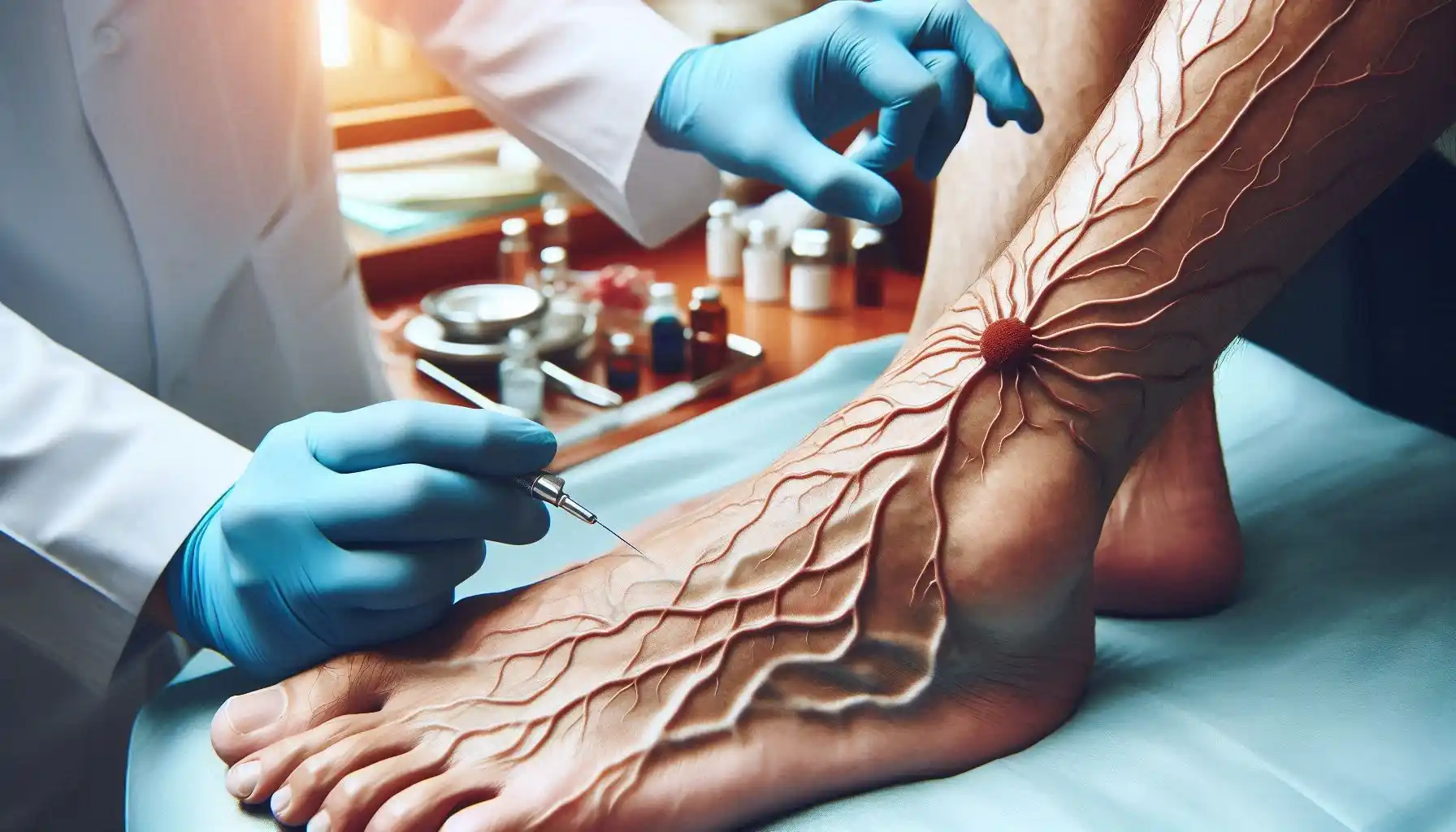
Varicose veins are enlarged, twisted veins that are typically found in the legs but can appear anywhere in the body. They occur when the valves within the veins, which prevent blood from flowing backward, become defective. This leads to blood pooling in the veins, causing them to stretch and become visible under the skin.
“The best and most efficient pharmacy is within you; it’s your own body that possesses the power to heal itself, to protect itself, and to preserve your own health.” When considering varicose veins, understanding how our bodies naturally work and the importance of maintaining healthy blood circulation is crucial.
Causes of Varicose Veins
Varicose veins are a common condition characterized by enlarged, twisted veins that typically appear on the legs and feet. Understanding the causes of varicose veins is essential for prevention and management. Several factors contribute to the development of this condition, ranging from genetic predisposition to lifestyle and physiological changes. Below is a detailed explanation of the key causes of varicose veins.

- Genetics: Family history plays a significant role. If your parents had varicose veins, you’re more likely to develop them.
- Age: The risk increases with age. Wear and tear on the valves in your veins can cause them to malfunction.
- Gender: Women are more likely to develop varicose veins, partly due to hormonal changes and the effects of pregnancy.
- Obesity: Excess weight puts additional pressure on your veins.
- Prolonged Standing or Sitting: Remaining in the same position for long periods can affect blood flow.
- Hormonal Changes: Fluctuations during pregnancy, menopause, or puberty can affect vein health.
One of the primary causes of varicose veins is genetics. A family history of varicose veins significantly increases the likelihood of developing the condition. This is because inherited traits can affect the structure and function of vein walls and valves, making them more prone to weakening or malfunction. If your parents or close relatives have varicose veins, your risk is considerably higher, indicating that genetic predisposition plays a crucial role in vein health.
Age is another important factor in the development of varicose veins. As people age, the valves within the veins, which help regulate blood flow and prevent backflow, can weaken and become less effective. This wear and tear on the valves allows blood to pool in the veins, causing them to enlarge and become varicose. Aging also reduces the elasticity of vein walls, further contributing to vein dysfunction and the appearance of varicose veins.
Gender plays a significant role in varicose vein risk, with women being more susceptible than men. This increased risk is partly due to hormonal influences. Hormonal changes during pregnancy, menstruation, and menopause can relax vein walls and valves, making veins more vulnerable to varicosities. Additionally, pregnancy increases blood volume and pressure on the veins in the lower body, which can exacerbate or trigger varicose veins. Hormone replacement therapy and birth control pills, which contain hormones, may also increase the risk.
Obesity is another contributing factor to varicose veins. Excess body weight places additional pressure on the veins, especially those in the legs and lower body. This pressure can impair blood flow and strain the vein valves, leading to their malfunction and vein enlargement. Maintaining a healthy weight is therefore an important preventive measure for reducing the risk of varicose veins.
Prolonged periods of standing or sitting can also contribute to the development of varicose veins. When a person remains in the same position for extended periods, blood flow in the legs can become sluggish. This reduced circulation increases pressure in the veins, making it harder for blood to return to the heart efficiently. Over time, this can weaken vein valves and cause veins to enlarge and become varicose. People with jobs that require long hours of standing or sitting are particularly at risk.
Finally, hormonal changes throughout life stages such as pregnancy, puberty, and menopause can affect vein health. These hormonal fluctuations can relax vein walls and valves, making veins more susceptible to becoming varicose. Pregnancy, in particular, increases the volume of blood in the body and adds pressure on the veins in the pelvic and leg areas, which often leads to varicose veins developing or worsening.
In summary, varicose veins result from a combination of genetic, physiological, and lifestyle factors. Understanding these causes can help individuals take preventive steps, such as maintaining a healthy weight, avoiding prolonged immobility, and managing hormonal changes with medical guidance, to reduce the risk or severity of varicose veins
Symptoms of Varicose Veins
Recognizing the symptoms of varicose veins is crucial for early diagnosis and effective treatment. Varicose veins can cause a range of physical signs and sensations that, if noticed promptly, can lead to timely medical intervention and relief.
- Visible Veins: The most noticeable sign, where the veins become enlarged and twisted, visible under the skin.
- Aching or Heavy Legs: Feeling tired, heavy, or aching in the legs, especially after standing or sitting for long periods.
- Itching and Restlessness: Some people experience itching around the affected area or restlessness in the legs.
- Swelling: Swelling in the feet and ankles.
- Skin Color Changes: The skin around the varicose vein might become discolored or inflamed.
The most obvious symptom of varicose veins is the appearance of visible veins. These veins become enlarged, swollen, and twisted, often appearing as dark blue or purple cords just beneath the surface of the skin. They are typically seen on the legs and sometimes on the feet. The visibility of these veins is often the first indication that varicose veins are present.
Along with visible veins, many individuals experience aching or heavy legs. This sensation usually occurs after prolonged periods of standing or sitting. The legs may feel tired, heavy, or sore, making daily activities uncomfortable. This heaviness is caused by poor blood circulation and increased pressure in the veins, which can make the legs feel fatigued.
Another common symptom is itching and restlessness in the legs. Some people notice itching around the area of the varicose veins, which can be uncomfortable and persistent. Restlessness, or an uncontrollable urge to move the legs, especially at night, is also reported by some individuals suffering from varicose veins.
Swelling in the feet and ankles is another symptom that can accompany varicose veins. This swelling occurs due to fluid buildup as the veins struggle to efficiently return blood to the heart. The swelling can make footwear tight and uncomfortable and may worsen as the day progresses.
Skin color changes around the varicose veins are also important to watch for. The skin may become discolored, turning brownish or bluish, and in some cases, it may become inflamed or irritated. These changes can indicate more severe vein problems and should prompt consultation with a healthcare provider.
Varicose veins present with visible, twisted veins, leg discomfort, itching, swelling, and skin changes. Early recognition of these symptoms can lead to better management and improved quality of life.
Precautions to Prevent Varicose Veins
While not all cases can be prevented, certain lifestyle adjustments can reduce the risk or delay the onset of varicose veins. Here are some precautions we can take:
- Exercise Regularly: Regular physical activity improves circulation and strengthens vein walls.
- Maintain a Healthy Weight: Reducing obesity through diet and exercise can alleviate pressure on veins.
- Watch Your Posture: Good posture can help prevent unnecessary pressure on your veins.
- Elevate Your Legs: Periodically elevating your legs can help reduce swelling and improve blood flow.
- Avoid Tight Clothing: Tight clothes can restrict blood flow, potentially exacerbating varicose veins.
- Manage Your Diet: Eating a diet rich in fiber and low in salt can help prevent constipation and reduce pressure on veins.
Treatments for Varicose Veins
Fortunately, there are several treatments available for varicose veins, ranging from self-care to medical procedures. The choice of treatment often depends on the severity of the condition. Here are some common treatments:
- Self-Care: Elevating legs, exercising, losing weight, avoiding long periods of standing or sitting, and wearing compression stockings.
- Sclerotherapy: A procedure where a solution is injected into the vein to close it off.
- Radiofrequency Ablation: A minimally invasive procedure using radiofrequency energy to heat and close the vein.
- Laser Treatment: Similar to radiofrequency ablation but uses laser energy.
- Surgical Options: In severe cases, surgical removal of the vein (vein stripping) might be necessary.
Advanced Treatment Options
For individuals with more severe or persistent varicose veins, advanced treatment options offer effective solutions beyond basic lifestyle changes and compression therapy. These minimally invasive and surgical procedures are designed to target problematic veins directly, providing relief from symptoms and improving the appearance of the affected areas.
Endoscopic Vein Surgery
This minimally invasive procedure involves the use of a small camera, called an endoscope, which is inserted through a tiny incision near the affected vein. The camera allows the surgeon to see inside the vein and surrounding tissues clearly. Using specialized instruments, the surgeon can then remove or close the damaged vein. This technique is particularly useful for treating severe cases of varicose veins, especially when there are associated complications like skin ulcers. The procedure typically involves less pain and a quicker recovery compared to traditional vein surgery.
Ambulatory Phlebectomy
This procedure involves making small incisions through which the varicose vein is physically removed. It is usually performed on veins close to the surface of the skin and is often done under local anesthesia. The benefits of ambulatory phlebectomy include minimal scarring, quick recovery time, and immediate improvement in vein appearance. Patients often return to normal activities shortly after the procedure.
Endovenous Laser Therapy (EVLT)
This is a modern, minimally invasive technique that uses laser energy to treat varicose veins. During EVLT, a thin laser fiber is inserted into the affected vein through a small puncture. The laser emits heat, which causes the vein to collapse and seal shut. Over time, the closed vein is absorbed by the body, and blood flow is naturally redirected to healthier veins. EVLT is highly effective, with less pain, minimal bruising, and a rapid return to daily activities compared to traditional surgical methods.
Varicose veins are a common health issue that can significantly affect one’s quality of life. By understanding the causes, recognizing the symptoms, taking precautions, and exploring the various treatment options, we can better manage and even prevent varicose veins. Remember, early detection and intervention can make a significant difference in the effectiveness of the treatment. It’s crucial to consult with a healthcare professional if you suspect you have varicose veins or are experiencing any of the symptoms mentioned above. By taking proactive steps, we can ensure healthier, happier lives for ourselves and our loved ones.
The following table summarizes the key aspects of varicose veins:
| Aspect | Description |
| Definition | Enlarged, twisted veins, commonly found in the legs. |
| Causes | Genetics, age, gender, obesity, prolonged standing/sitting, hormonal changes. |
| Symptoms | Visible veins, aching/heavy legs, itching/restlessness, swelling, skin color changes. |
| Precautions | Regular exercise, healthy weight, good posture, elevating legs, avoiding tight clothing, managing diet. |
| Treatments | Self-care, sclerotherapy, radiofrequency ablation, laser treatment, surgical options. |
Understanding varicose veins is the first step towards preventing and treating them. By being informed and proactive about our health, we empower ourselves to make better choices and live healthier lives.
Frequently Asked Questions:
1. What are varicose veins, and what causes them?
Answer: Varicose veins are enlarged, swollen, and twisting veins, often appearing blue or dark purple. They occur when faulty valves in the veins allow blood to flow in the wrong direction or pool. Common causes include age, pregnancy, obesity, prolonged standing, and a family history of the condition.
2. Can exercise help reduce varicose veins?
Answer: Yes, regular exercise can help improve blood circulation and reduce the risk of varicose veins. Low-impact activities such as walking, swimming, and cycling are especially beneficial. These exercises help move blood in the legs back to the heart and can relieve pressure on the veins.
3. Are there dietary changes that can help with varicose veins?
Answer: A diet high in fiber and low in salt can promote better vein health. Foods rich in flavonoids like berries, spinach, and broccoli can improve blood circulation and reduce pressure on veins. Staying hydrated is also crucial for maintaining proper blood flow.
4. How does maintaining a healthy weight affect varicose veins?
Answer: Maintaining a healthy weight reduces the pressure on your legs and veins, which can prevent varicose veins from worsening. Weight loss can alleviate symptoms and improve overall vein health.
5. What role does proper posture play in managing varicose veins?
Answer: Proper posture and avoiding prolonged periods of standing or sitting can improve circulation and reduce the risk of developing varicose veins. Elevating your legs when resting can also help reduce pressure and improve blood flow.
6. Can massage therapy help with varicose veins?
Answer: Gentle massage can aid in improving circulation and reducing discomfort or swelling associated with varicose veins. It is important to avoid deep or harsh massage directly on visible veins to prevent damage.
7. What natural supplements may support vein health?
Answer: Some natural supplements such as horse chestnut extract, grape seed extract, and vitamin C have been shown to support vein health by strengthening blood vessels and improving circulation. Always consult with a healthcare provider before starting any new supplement regimen.
8. How important is wearing compression stockings?
Answer: Compression stockings are highly recommended as they help reduce swelling and discomfort while improving blood flow in the legs. They can significantly alleviate symptoms but should be properly fitted for maximum effectiveness.
9. Is there a specific sleeping position that can promote better vein health?
Answer: Sleeping with your legs elevated above the level of your heart can promote venous return and reduce pooling of blood in the veins. This position can help alleviate nocturnal leg cramping and swelling.
10. Are there any home remedies that can alleviate symptoms of varicose veins?
Answer: Home remedies such as applying apple cider vinegar, using witch hazel topically, and performing regular leg elevations can help reduce symptoms. However, these remedies provide symptomatic relief and do not address the underlying cause.
Always consult with healthcare professionals for a personalized plan, especially when symptoms are severe or persist despite lifestyle changes.
