Table of Contents
The Health Benefits of Shallots: Why You Should Cook with Them
In the quiet corners of kitchen pantries and beneath the earthy layers of farmer’s market crates lies an ingredient that has quietly shaped global cuisines and traditional healing practices for centuries. The shallot, often mistaken for a mere miniature onion or a garlic relative, is in fact a botanical and nutritional powerhouse in its own right. While its larger, more pungent cousins routinely steal the culinary spotlight, shallots deliver a refined flavor profile paired with an extraordinary concentration of health-promoting compounds. As modern nutrition science continues to validate what ancient healers long understood, the shallot has emerged from the shadows as a true superfood. This comprehensive exploration delves into the remarkable health benefits of shallots, tracing their journey from traditional medicine cabinets to contemporary wellness kitchens, and revealing why this unassuming bulb deserves a permanent place on your plate and in your daily health routine.
What Exactly Are Shallots?
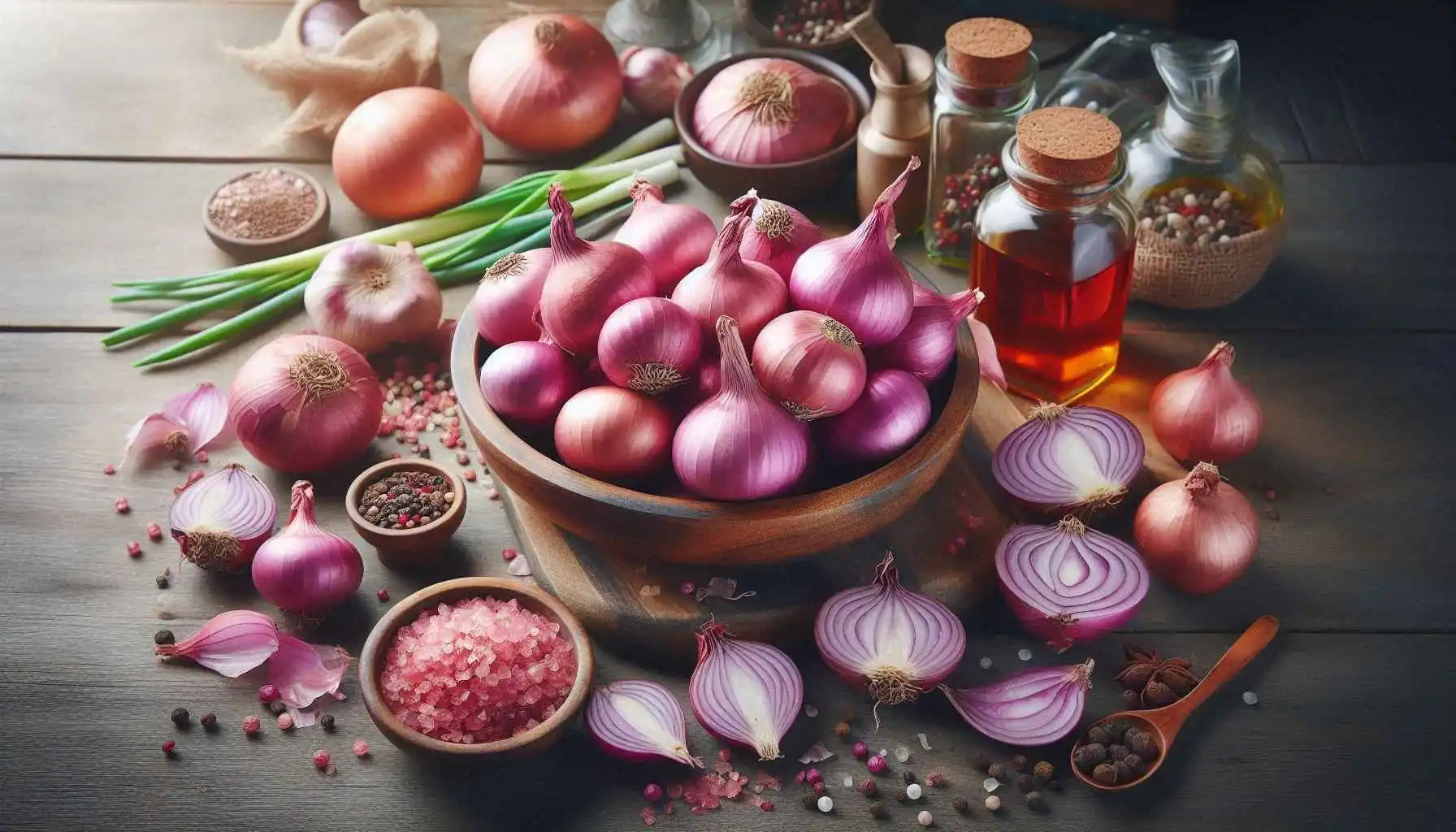
Shallots belong to the Allium genus, sharing a botanical family with onions, garlic, leeks, chives, and scallions. Scientifically classified as Allium cepa var. aggregatum, shallots grow in clusters rather than as single bulbs, which explains their characteristic elongated shape and multi-clove structure. Unlike regular onions that develop a single large bulb, shallots propagate through division, producing several smaller bulbs attached at the base. This unique growth pattern contributes to their distinct flavor profile: a delicate balance of mild sweetness, subtle garlic-like pungency, and a nuanced depth that transforms when exposed to heat.
Historically, shallots trace their origins to Central and Southeast Asia, with archaeological and textual evidence suggesting cultivation in regions that now comprise modern-day Afghanistan, Pakistan, and Iran. From there, they traveled along ancient trade routes, eventually reaching the Mediterranean, where they became staples in French, Italian, and Middle Eastern cuisines. French culinary tradition particularly elevated the shallot, recognizing its ability to form the aromatic foundation of sauces, vinaigrettes, and braises without overwhelming other ingredients. Today, shallots are cultivated globally, thriving in temperate climates with well-drained soil and moderate moisture. Their adaptability, combined with their sophisticated flavor, has secured their status among professional chefs and home cooks alike. Yet beyond their culinary elegance lies a dense matrix of bioactive compounds that make shallots a legitimate medicinal food, bridging the gap between gastronomy and therapeutic nutrition.
The Nutritional Profile of a Single Shallot
To understand why shallots deliver such profound health benefits, one must first examine their nutritional composition. A medium-sized shallot, weighing approximately sixty grams, contains roughly forty calories, making it an exceptionally low-calorie ingredient that delivers high nutritional return. Shallots are primarily composed of water and carbohydrates, with a modest fiber content that supports digestive health. They contain negligible amounts of fat and protein, positioning them as a functional flavor enhancer rather than a macronutrient source. However, the true value of shallots lies in their micronutrient density and phytochemical profile.

Shallots are rich in essential vitamins, particularly vitamin B6, which plays a critical role in neurotransmitter synthesis, hemoglobin production, and metabolic regulation. They also provide meaningful amounts of vitamin C, a potent antioxidant that supports collagen formation, immune defense, and iron absorption. Mineral content includes manganese, copper, iron, potassium, and magnesium, each contributing to enzymatic functions, bone health, cardiovascular regulation, and cellular energy production. What truly sets shallots apart, however, is their concentration of organosulfur compounds, flavonoids, and phenolic acids. These phytonutrients are responsible for the bulb’s characteristic aroma, its vibrant internal coloration, and its extensive therapeutic properties. Compounds such as allicin, quercetin, kaempferol, and anthocyanins work synergistically to neutralize free radicals, modulate inflammatory pathways, and protect cellular structures from oxidative stress. Unlike many processed foods that strip nutrients during refinement, shallots retain their full biochemical complexity when consumed fresh, making them an unadulterated source of plant-based medicine.
Let us explore some of the reasons why we should include shallots in our daily meals.
Shallots are Rich in Antioxidants
Antioxidants and Their Role in Health
- Definition: Antioxidants are compounds that neutralize harmful free radicals in the body, preventing oxidative stress and cellular damage.
- Free Radicals: These unstable molecules can damage DNA, proteins, and lipids, contributing to chronic diseases like cancer, heart disease, and neurodegenerative disorders.
- Importance: A diet rich in antioxidants supports overall health, reduces inflammation, and may lower the risk of chronic illnesses.
Antioxidants in Shallots
- Key Compounds:
- Quercetin: A flavonoid with anti-inflammatory, anti-cancer, and cardioprotective properties.
- Kaempferol: Another flavonoid linked to reduced cancer risk and improved heart health.
- Additional Bioactive Compounds:
- Sulfur-containing compounds (e.g., allicin precursors) enhance antioxidant activity.
- Phenolic acids and flavonoids further contribute to their protective effects.
Scientific Evidence on Shallots
- Study Details:
- Journal: Journal of Agricultural and Food Chemistry (specific year not mentioned, but referenced for credibility).
- Comparison: Shallots were compared to onions, garlic, and leeks.
- Findings:
- Higher Antioxidant Levels: Shallots exhibited significantly higher antioxidant capacity than the other allium species.
- Phenolic and Flavonoid Content: Shallots had elevated levels of these compounds, which are directly linked to their antioxidant and anti-inflammatory effects.
- Mechanisms: Phenolics and flavonoids scavenge free radicals, inhibit enzymes that cause oxidative stress, and modulate cellular signaling pathways.
Health Benefits of Shallot Antioxidants
- Anti-Inflammatory Effects:
- Reduces chronic inflammation, a root cause of conditions like arthritis and diabetes.
- Cancer Prevention:
- Quercetin and kaempferol may inhibit cancer cell proliferation and induce apoptosis (programmed cell death).
- Cardiovascular Protection:
- Lowers cholesterol, improves blood vessel function, and reduces blood pressure.
- Neuroprotection:
- May combat neurodegenerative diseases (e.g., Alzheimer’s) by reducing oxidative damage in the brain.
Shallots vs. Other Allium Vegetables
- Superiority in Antioxidant Content: Studies confirm shallots outperform onions, garlic, and leeks in total antioxidant activity.
- Reasons for Differences:
- Variability in growing conditions (soil, climate).
- Genetic differences in nutrient composition among allium species.
- Practical Implications: Shallots can serve as a more potent dietary source of antioxidants for health optimization.
Shallots Have Anti-Cancer Properties
- Anti-Cancer Properties of Shallots:
Shallots have been scientifically linked to anti-cancer properties, primarily due to their rich antioxidant content (e.g., polyphenols, flavonoids, and sulfur compounds), which neutralize free radicals and reduce oxidative stress—a key factor in cancer development. - Study 1: Colon Cancer Cell Inhibition (Journal of Cancer Research and Clinical Oncology):
- A controlled in vitro study published in the Journal of Cancer Research and Clinical Oncology demonstrated that shallot extract significantly inhibited the growth of colon cancer cells.
- The extract induced apoptosis (programmed cell death) in these cells, suggesting a potential mechanism for its anti-cancer effects.
- The study highlighted the dose-dependent nature of the inhibition, with higher concentrations of the extract producing stronger anti-proliferative activity.
- Study 2: Comparative Antiproliferative Effects (Journal of Agricultural and Food Chemistry):
- A comparative analysis in the Journal of Agricultural and Food Chemistry found that shallots exhibited stronger antiproliferative effects on human colon cancer cells than onions and garlic.
- Shallots contain higher levels of bioactive compounds, such as quercetin and kaempferol, which are known to disrupt cancer cell signaling pathways and proliferation.
- The study emphasized shallots’ unique chemical profile, which may contribute to their superior efficacy in this context.
- Implications for Cancer Research and Prevention:
- These findings suggest that dietary intake of shallots could play a supportive role in cancer prevention, particularly for colorectal cancer.
- Further research is needed to explore the effects of shallot compounds in vivo (human trials) and to understand their interactions with other dietary nutrients.
- The results also underscore the importance of incorporating diverse allium vegetables (like shallots) into diets for their potential health benefits.
- Conclusion:
Shallots, often overlooked in favor of onions or garlic, demonstrate significant promise as a functional food with anti-cancer potential. Their unique bioactive compounds and proven efficacy in laboratory studies warrant further exploration for therapeutic and preventive applications in oncology.
Shallots Support Heart Health
- Introduction to Shallots and Cardiovascular Benefits
Shallots are a member of the Allium family (like garlic and onions) and have been recognized for their potential to promote cardiovascular health through various mechanisms, including blood pressure regulation, cholesterol management, and reduced risk of blood clots. - Blood Pressure Reduction via Shallot Compounds
- A study published in the Journal of Nutritioninvestigated the effects of shallot consumption on blood pressure.
- Methodology: Researchers used spontaneously hypertensive rats, a model for human hypertension, to simulate high blood pressure.
- Results: Regular dietary inclusion of shallots significantly lowered systolic and diastolic blood pressure. This is attributed to bioactive compounds in shallots that may relax blood vessels or improve endothelial function.
- Cholesterol-Lowering Effects of Shallot Extracts
- A study in the Journal of Functional Foodsexamined the impact of shallot extract on cholesterol metabolism.
- Methodology: Rats were fed a high-cholesterol diet (to induce hypercholesterolemia) and given either shallot extract or a placebo.
- Results: Shallot extract reduced total cholesterol, LDL (“bad” cholesterol), and triglyceride levels. It is hypothesized that the flavonoids and sulfur-containing compounds in shallots inhibit cholesterol synthesis in the liver or enhance its excretion.
- Allicin and Blood Clot Prevention
- Shallots contain allicin, a sulfur-based compound similar to that in garlic.
- Mechanism: Allicin inhibits platelet aggregation(clumping of blood cells) by modulating enzymes and signaling pathways (e.g., reducing thromboxane A2 production).
- Relevance: By preventing excessive platelet activation, shallots may lower the risk of arterial blockages, heart attacks, and strokes.
- Implications for Human Health and Research Gaps
- While rodent studies are promising, more human trials are needed to confirm shallots’ efficacy in managing blood pressure and cholesterol in humans.
- Potential benefits include:
- A natural, dietary intervention for cardiovascular disease prevention.
- Complementary support for individuals with hypertension or hypercholesterolemia.
- Caution: Shallots may interact with blood-thinning medications due to their antiplatelet properties.
- Conclusion: Shallots as a Heart-Healthy Food
- Shallots offer a multifaceted approach to cardiovascular health, targeting key risk factors such as hypertension, dyslipidemia, and thrombosis.
- Incorporating shallots into diets may contribute to long-term heart health, though further human studies are necessary to validate these findings and determine optimal consumption levels.
Shallots Boost Immune Function
- Rich Source of Vitamin C for Immune Support
- Shallots are a notable source of vitamin C, a water-soluble vitamin critical for immune function.
- Vitamin C stimulates the production and activity of white blood cells(e.g., neutrophils, lymphocytes), which are essential for combating pathogens and reducing inflammation.
- It acts as an antioxidant, neutralizing free radicals that weaken the immune system, thereby protecting cells from oxidative damage.
- Additionally, vitamin C enhances collagen synthesis, a protein vital for maintaining the integrity of skin and mucosal barriers, the body’s first line of defense against infections.
- Role of White Blood Cells in Immunity
- White blood cells, such as T-cells and B-cells, play a central role in identifying and destroying harmful pathogens (e.g., bacteria, viruses).
- Vitamin C in shallots helps boost the production and function of these cells, improving the body’s ability to fight off infectionsand recover from illnesses more efficiently.
- Scientific Evidence of Immunomodulatory Effects
- A study published in the Journal of Medicinal Fooddemonstrated that shallot extract exhibits immunomodulatory properties, meaning it can regulate and enhance immune responses.
- Key findings from the study:
- Increased white blood cell production: Shallot compounds stimulated the bone marrow to generate more immune cells.
- Enhanced natural killer (NK) cell activity: Shallot extract amplified the efficiency of NK cells, which are specialized immune cells that target virus-infected cells and tumor cells.
- These effects suggest that shallots may help strengthen both innate(non-specific) and adaptive (specific) immune defenses.
- Other Bioactive Compounds in Shallots
- Beyond vitamin C, shallots contain quercetin, a flavonoid with anti-inflammatory and antiviral propertiesthat further supports immune health.
- They also include sulfur-containing compounds(e.g., flavonoids, organosulfur compounds), which contribute to antibacterial and antifungal activity, helping the body resist infections.
- Practical Benefits and Incorporation into the Diet
- Consuming shallots raw, caramelized, or roasted in meals can harness their immune-boosting potential.
- Regular inclusion of shallots in diets, especially during cold and flu seasons, may provide a natural, low-calorie way to fortify immune defenses.
- Pairing shallots with iron-rich foodsenhances vitamin C’s role in improving iron absorption, which is critical for immune cell function.
- Conclusion
- Shallots offer a multifaceted approach to immune supportthrough vitamin C, immunomodulatory compounds, and other phytochemicals.
- Their ability to stimulate white blood cell production and enhance NK cell activity, as validated by scientific research, positions them as a valuable functional foodfor maintaining health and preventing disease.
Shallots Improve Bone Health
Shallots contain calcium, magnesium, and phosphorus, which are essential minerals for bone health. These minerals help maintain bone density and strength, reducing the risk of osteoporosis and fractures.
A study published in the Journal of Medicinal Food found that shallot extract had a protective effect on bone health in rats with osteoporosis.
Shallots Have Anti-Inflammatory Properties
Shallots contain quercetin, a flavonoid with anti-inflammatory properties. Quercetin has been found to inhibit the production of pro-inflammatory cytokines, which can help reduce inflammation in the body.
A study published in the Journal of Agricultural and Food Chemistry found that shallots had higher quercetin content than onions and garlic.
How to Incorporate Shallots into Your Diet
Now that we know the health benefits of shallots, let us explore some ways to incorporate them into our meals.
- Use shallots as a flavorful substitute for onions in salads, stir-fries, and soups.
- Add shallots to your omelets, frittatas, and quiches.
- Use shallots as a base for sauces and dressings.
- Add shallots to your roasted vegetables or meat dishes for an extra flavor boost.
- Use shallot oil as a flavorful alternative to other cooking oils.
A Relevant Quotation
As the famous Greek physician Hippocrates once said, “Let food be thy medicine, and medicine be thy food.” Shallots are a perfect example of this wisdom – a flavorful ingredient that can also provide us with numerous health benefits.
Conclusion
Shallots are a versatile and delicious ingredient that can elevate our culinary creations while providing us with a wealth of health benefits. From their antioxidant and anti-cancer properties to their heart-protective and bone-strengthening effects, shallots are a true powerhouse in the kitchen.
So the next time you are grocery shopping, be sure to add some shallots to your cart. Your taste buds – and your body – will thank you.
FAQs
Q1: What are the different types of shallots?
There are several varieties of shallots, but the most common types include:
- French Shallots: These are typically smaller, with a reddish-brown skin and a mild, sweet flavor. They are often preferred in gourmet cooking.
- Dutch Shallots: Slightly larger than French shallots, they have a more significant bulb and a milder taste. They can be used interchangeably with French shallots.
- Spring Shallots or Green Shallots: These are young shallots that are harvested early when the bulbs are still immature. They have a milder flavor and can be used similarly to green onions.
- Yellow Shallots: Known for a more pungent taste than the other varieties, yellow shallots have brownish skin and are often used in cooking for their concentrated flavor.
Q2: Which type of shallot is best for health?
All types of shallots are nutritious and offer health benefits. However, French and Dutch shallots are often favored for their balance of flavor and health benefits. Shallots are rich in vitamins A, B6, C, and K, and contain antioxidants and phytochemicals that can help reduce inflammation, support heart health, and improve digestion. Including a variety of shallots in your diet can help maximize these health benefits.
Q3: What are the health benefits of consuming shallots?
Shallots provide several health benefits, including:
- Rich in Nutrients: They contain essential vitamins and minerals.
- Antioxidant Properties: Shallots have compounds that can help combat oxidative stress in the body.
- Anti-Inflammatory Effects: They may help reduce inflammation, potentially benefiting conditions like arthritis.
- Heart Health: The compounds in shallots can promote heart health by lowering cholesterol levels and improving circulation.
- Digestive Health: They contribute to healthier digestion and may promote a balanced gut microbiota.
Q4: Who should avoid using shallots?
While shallots are generally safe and healthy for most people, certain individuals may need to avoid them:
- Allergy Sufferers: Those with allergies to onions or garlic may also be allergic to shallots and should consult with a healthcare provider.
- Individuals with Gastrointestinal Issues: Some people with conditions like irritable bowel syndrome (IBS) or certain digestive disorders may find that shallots exacerbate their symptoms due to their high fructan content.
- People on Certain Medications: Shallots can interact with blood-thinning medications due to their vitamin K content, so individuals on such medications should consult their doctor before including them in their diet.
Q5: How can I incorporate shallots into my diet?
Shallots are versatile and can be used in various dishes. You can:
- Use minced shallots in salad dressings and marinades.
- Sauté them as a base for soups, stews, and sauces.
- Roast shallots with vegetables for a delicious side dish.
- Use shallots in place of onions for a milder flavor in savory dishes.
Q6 : How shallots are different from onions and garlic?
Shallots are a type of aromatic plant that belongs to the Allium family, which also includes onions and garlic. While they share some similarities, shallots have a milder flavor and a sweeter taste than onions and garlic. Shallots are also smaller and have a more delicate texture. They are often used in cooking to add a subtle flavor to dishes.
Q7 : What are the health benefits of consuming shallots?
Shallots are rich in antioxidants, vitamins, and minerals that provide various health benefits. They contain compounds that have anti-inflammatory properties, which can help reduce the risk of chronic diseases such as heart disease, cancer, and neurodegenerative disorders. Shallots are also a good source of dietary fiber, vitamin C, and potassium.
Q8 : How do shallots help to reduce inflammation in the body?
Shallots contain a range of anti-inflammatory compounds, including quercetin and other flavonoids, which can help to reduce inflammation in the body. These compounds work by inhibiting the production of pro-inflammatory enzymes and cytokines, which can contribute to chronic inflammation. By reducing inflammation, shallots may help to alleviate symptoms of conditions such as arthritis and asthma.
Q9 : Can shallots help to lower cholesterol levels and improve heart health?
Yes, shallots may help to lower cholesterol levels and improve heart health due to their high content of fiber, potassium, and antioxidants. The fiber in shallots can help to bind to bile acids and remove them from the body, which can help to lower cholesterol levels. The potassium in shallots can also help to lower blood pressure by counteracting the effects of sodium.
Q10 : Are shallots effective in reducing the risk of certain cancers?
Some studies suggest that shallots may have anti-cancer properties due to their high content of antioxidants and other bioactive compounds. The compounds in shallots have been shown to inhibit the growth of cancer cells and induce apoptosis (cell death) in various types of cancer, including colon, breast, and prostate cancer.
Q11 : How do shallots support digestive health?
Shallots contain prebiotic fiber, which can help to support the growth of beneficial gut bacteria. A healthy gut microbiome is essential for a strong immune system, and shallots may help to promote the growth of beneficial bacteria such as Bifidobacterium and Lactobacillus.
Q12 : Can shallots be used to treat respiratory problems such as bronchitis and asthma?
Yes, shallots have been traditionally used to treat respiratory problems such as bronchitis and asthma due to their expectorant and anti-inflammatory properties. The compounds in shallots may help to loosen and clear mucus from the lungs, making it easier to breathe.
Q13 : Are shallots beneficial for skin health?
Shallots are rich in antioxidants and other bioactive compounds that may help to protect the skin from damage caused by free radicals. The antioxidants in shallots may help to reduce the appearance of fine lines and wrinkles, improve skin elasticity, and promote wound healing.
Q14 : How can I incorporate shallots into my diet?
Shallots can be used in a variety of dishes, including salads, soups, stews, and sauces. They can be sautéed or roasted to bring out their natural sweetness, and can be used as a flavor enhancer in place of onions or garlic.
Q15 : Can I grow shallots at home?
Yes, shallots are relatively easy to grow at home, and can be cultivated in a variety of climates. They prefer well-drained soil and full sun, and can be harvested in as little as 60 days.
Q16 : Are shallots safe to consume raw?
Yes, shallots can be consumed raw, and are often used in salads and other uncooked dishes. However, raw shallots may be more likely to cause digestive upset in some individuals, so it’s recommended to start with small amounts.
Q17 : Can shallots be used as a natural remedy for colds and flu?
Shallots have been traditionally used to treat colds and flu due to their antimicrobial and anti-inflammatory properties. The compounds in shallots may help to reduce the severity and duration of cold and flu symptoms.
Q18 : Are shallots beneficial for bone health?
Shallots contain a range of minerals, including calcium, magnesium, and potassium, which are essential for maintaining strong bones. The antioxidants in shallots may also help to reduce oxidative stress and inflammation, which can contribute to bone loss.
Q19 : Can shallots help to reduce anxiety and stress?
Some studies suggest that shallots may have anxiolytic (anxiety-reducing) effects due to their high content of antioxidants and other bioactive compounds. The compounds in shallots may help to regulate the body’s stress response and promote relaxation.
Q20 : Are shallots safe to consume during pregnancy?
Shallots are generally considered safe to consume during pregnancy, but as with any food, it’s recommended to consume them in moderation. Shallots are a rich source of folate, which is essential for fetal development.
Q21 : Can shallots be used to support immune function?
Yes, shallots contain a range of bioactive compounds that may help to support immune function. The antioxidants and other compounds in shallots may help to stimulate the immune system and reduce the risk of illness.
Q22 : Are shallots beneficial for eye health?
Shallots contain a range of antioxidants, including quercetin, which may help to protect the eyes from damage caused by free radicals. The antioxidants in shallots may help to reduce the risk of age-related macular degeneration and cataracts.
Q23 : Can shallots be used to treat digestive problems such as bloating and gas?
Shallots contain prebiotic fiber, which can help to support the growth of beneficial gut bacteria. The compounds in shallots may also help to reduce inflammation and alleviate symptoms of digestive disorders such as irritable bowel syndrome (IBS).
Q24 : Are shallots safe to consume for individuals with certain medical conditions?
Shallots are generally considered safe to consume, but individuals with certain medical conditions, such as bleeding disorders or allergies, should consult with their healthcare provider before consuming shallots.
Q25 : Can shallots be used as a natural food preservative?
Yes, shallots contain antimicrobial compounds that may help to preserve food and reduce the risk of spoilage. The compounds in shallots have been shown to inhibit the growth of certain bacteria and fungi.
Q26 : How do I store shallots to preserve their flavor and nutritional value?
Shallots should be stored in a cool, dry place, away from direct sunlight. They can be stored for several months when kept in a well-ventilated area. Shallots can also be frozen or pickled to preserve their flavor and nutritional value.
Q27 : Can shallots be used in traditional medicine?
Yes, shallots have been used in traditional medicine for centuries to treat a range of health conditions, including digestive problems, respiratory issues, and skin conditions. The bioactive compounds in shallots may help to alleviate symptoms and promote overall health.
Q28 : Are shallots beneficial for cognitive function?
Some studies suggest that shallots may have neuroprotective effects due to their high content of antioxidants and other bioactive compounds. The compounds in shallots may help to reduce oxidative stress and inflammation, which can contribute to cognitive decline.
Medical Disclaimer:
The information provided on this website is for general educational and informational purposes only and is not intended as a substitute for professional medical advice, diagnosis, or treatment. Always seek the advice of your physician or other qualified health provider with any questions you may have regarding a medical condition. Never disregard professional medical advice or delay in seeking it because of something you have read on this website.
