
Table of Contents
Happy Feet: Conquering Bunions with Comfort and Care
Bunions, medically known as Hallux Valgus, are a common foot problem that can cause significant pain and discomfort. As highly passionate in health and wellness, we aim to provide you with a comprehensive understanding of this condition. This article will delve into what bunions are, their underlying causes, associated symptoms, and the various treatment options available.
What is a Bunion (Hallux Valgus)?
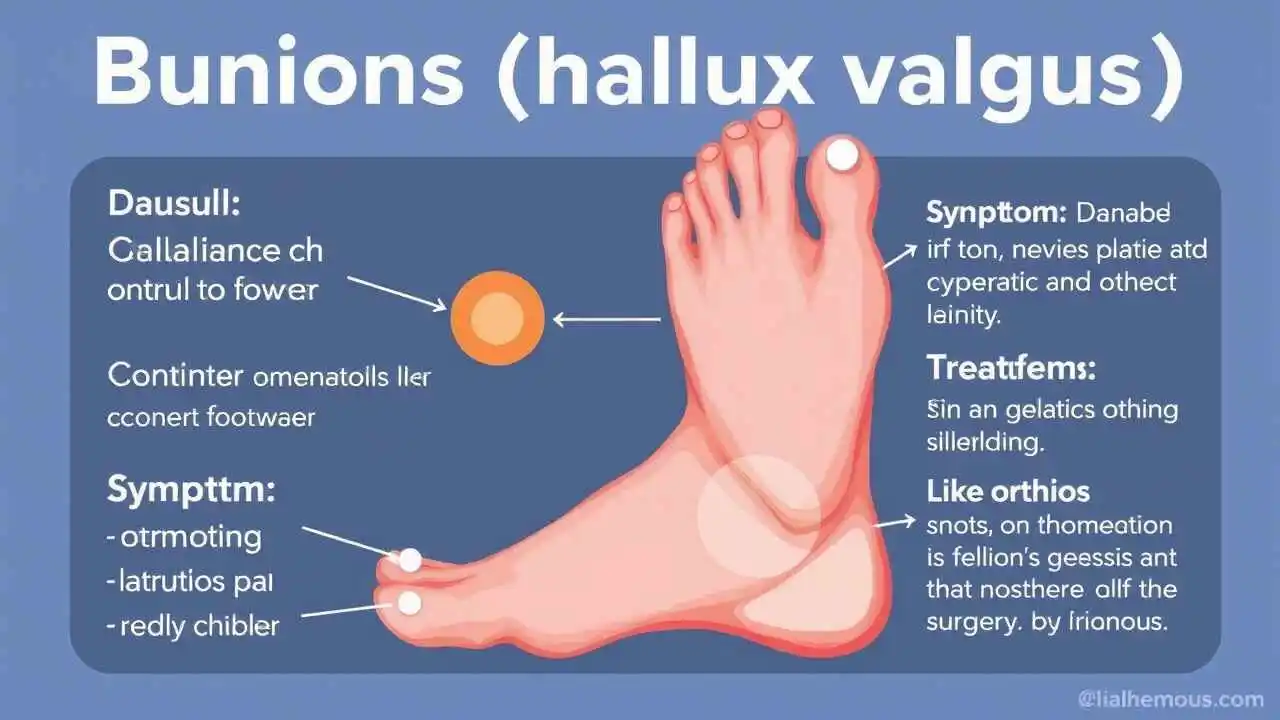
A bunion is a bony bump that forms at the joint where your big toe meets your foot (the metatarsophalangeal or MTP joint). It’s not simply an overgrowth of bone. Instead, it’s a complex structural deformity where the big toe angles inward towards the other toes, forcing the joint at the base of the big toe to protrude outwards. This misalignment puts pressure on the MTP joint, leading to inflammation, pain, and the characteristic bunion bump. Over time, the joint can become stiff and painful, affecting your ability to walk and participate in daily activities.
Causes of Bunions
While the exact cause of bunions isn’t always clear, several factors can contribute to their development:
- Genetics: Bunions tend to run in families. If your parents or grandparents had bunions, you’re more likely to develop them. This suggests that inherited foot structure and biomechanics play a significant role.
- Footwear: Wearing shoes that are too tight, narrow, or pointed can squeeze the toes together and contribute to bunion formation. High heels, which force the foot forward and put pressure on the toes, are also a common culprit.
- Foot Mechanics: Certain foot types, such as flat feet or overpronation (rolling the foot inward excessively), can increase your risk of developing bunions. These conditions can alter the distribution of weight and pressure on the foot, leading to instability and misalignment of the big toe joint.
- Medical Conditions: Certain medical conditions, such as arthritis (especially rheumatoid arthritis), can damage the joints in the foot and contribute to the development of bunions.
- Injury: Trauma to the foot, such as a fracture or dislocation, can damage the MTP joint and lead to bunion formation.
“The best way to treat bunions is to prevent them in the first place. Choosing the right footwear and addressing any underlying foot problems can go a long way in keeping your feet healthy and pain-free.”

Symptoms of Bunions
The symptoms of bunions can vary depending on the severity of the deformity. Common symptoms include:
- A visible bump on the side of your big toe.
- Pain and soreness in the big toe joint, especially when walking or standing for long periods.
- Inflammation, redness, and swelling around the big toe joint.
- Stiffness and limited range of motion in the big toe.
- Corns or calluses where the first and second toes overlap.
- Numbness or tingling in the big toe.
- Difficulty wearing certain types of shoes.
Diagnosis of Bunions
A bunion can usually be diagnosed through a physical examination. Your doctor will examine your foot, assess the alignment of your toes, and check for pain, swelling, and range of motion. X-rays may be taken to evaluate the severity of the deformity and to rule out other conditions, such as arthritis or fractures. Measuring the angles on the X-ray can help determine the severity of the bunion.
Treatment Options for Bunions
The goal of bunion treatment is to relieve pain, improve function, and prevent the bunion from getting worse. Treatment options range from conservative measures to surgical intervention, depending on the severity of your symptoms and the degree of deformity.
Conservative Treatments:
These non-surgical options are often the first line of treatment and can be effective for managing mild to moderate bunions.
- Shoe Modifications:
- Wearing shoes with a wide toe box: This allows your toes to move freely and reduces pressure on the bunion.
- Avoiding high heels and pointed-toe shoes: These types of shoes exacerbate bunion pain and can accelerate their progression.
- Using shoe inserts or orthotics: These can help to correct foot mechanics and distribute weight more evenly, reducing pressure on the MTP joint.
- Padding and Taping:
- Bunion pads: These can cushion the bunion and protect it from friction and pressure.
- Taping: Taping the big toe in a more aligned position can provide support and reduce pain.
- Medications:
- Over-the-counter pain relievers: NSAIDs (nonsteroidal anti-inflammatory drugs) like ibuprofen or naproxen can help reduce pain and inflammation.
- Corticosteroid injections: Injections into the MTP joint can provide temporary relief from pain and inflammation.
- Physical Therapy:
- Exercises: Stretching and strengthening exercises can improve flexibility and range of motion in the big toe.
- Ultrasound therapy: Can help reduce pain and assist to break down scar tissue.
- Night Splints: Wearing a bunion splint at night can help to gently stretch and realign the big toe.
Surgical Treatment:
Surgery may be recommended if conservative treatments fail to provide adequate relief, or if the bunion is severe and significantly impacts your quality of life. There are several types of bunion surgery, and the best option for you will depend on the specific characteristics of your bunion. Common surgical procedures include:
- Osteotomy: This involves cutting and realigning the bone to correct the deformity and reduce the prominence of the bunion.
- Exostectomy: This involves removing the bony bump on the side of the big toe joint. This is often done in conjunction with an osteotomy.
- Arthrodesis: This involves fusing the bones of the MTP joint together. It is typically reserved for severe cases of arthritis or joint instability.
- Tendon and Ligament Correction: Adjusting the tendons and ligaments around the big toe joint to help restore proper alignment.
The following table summarizes the different treatment options for bunions:
| Treatment | Description | Benefits | Considerations |
| Shoe Modifications | Wearing shoes with a wide toe box, avoiding high heels, using orthotics. | Reduces pressure on the bunion, improves foot mechanics. | May require purchasing new shoes, orthotics may need to be custom-made. |
| Padding & Taping | Using bunion pads to cushion the bunion, taping can support the big toe. | Protects the bunion from friction, provides support, reduces pain. | Temporary relief, may not be effective for severe bunions. |
| Medications | Over-the-counter pain relievers, corticosteroid injections. | Reduces pain and inflammation. | Temporary relief, injections can have side effects. |
| Physical Therapy | Stretching exercises, strengthening exercises. | Improves flexibility, range of motion, and strength in the big toe. | Requires consistent effort. |
| Night Splints | Wearing a splint at night to gently stretch and realign the big toe. | May help improve long term alignment, reduce pain. | Requires consistent use. |
| Surgery | Osteotomy, exostectomy, arthrodesis, tendon/ligament correction. | Corrects the deformity, relieves pain, improves function. | More invasive, longer recovery time, potential risks and complications. |
Recovery After Bunion Surgery
Recovery from bunion surgery can take several weeks or months, depending on the type of procedure performed. You will likely need to wear a special boot or cast to protect your foot while it heals. It’s important to follow your surgeon’s instructions carefully and attend all follow-up appointments. Physical therapy is often recommended to help restore strength, flexibility, and range of motion in your foot.
Prevention of Bunions
While it may not always be possible to prevent bunions, there are steps you can take to reduce your risk:
- Choose shoes with a wide toe box.
- Avoid high heels and pointed-toe shoes.
- Use orthotics if you have flat feet or overpronation.
- Maintain a healthy weight.
- See a podiatrist regularly for checkups and early treatment of any foot problems.
- Bunions are bony bumps that form at the base of the big toe.
- They often develop due to genetic predisposition.
- Ill-fitting shoes can exacerbate bunion formation.
- Symptoms of bunions include pain, swelling, redness, and limited toe movement.
- Bunions can impact your gait and overall posture.
- Treatment may involve non-invasive measures such as wearing wider shoes or cushioning pads.
- Orthotic inserts can provide additional support and alleviate discomfort.
- Severe cases may require surgical intervention to realign the affected joint.
- Applying ice packs can help reduce inflammation and pain.
- Maintaining a healthy weight can lessen the pressure on your feet and toes.
- Regular foot massages can aid in improving circulation and reducing tension.
- Avoid wearing high heels or narrow-toed shoes to prevent worsening of bunions.
- Stretching exercises can enhance the flexibility of your toe joints.
- Over-the-counter pain relievers may temporarily alleviate bunion-related discomfort.
- Physical therapy can aid in strengthening the muscles around the affected area.
- Custom orthotics are personalized shoe inserts that can provide additional support.
- Discussing surgical options with your podiatrist is recommended for severe cases.
- Post-surgery rehabilitation and follow-up care are crucial for optimal recovery.
- Opting for shoes with proper arch support can help distribute weight evenly.
- Regular foot exams can help monitor the progression of bunions.
- Elevating your feet can reduce swelling and enhance circulation.
- Avoiding activities that aggravate your bunion can prevent further complications.
- Shoe modifications, such as padding or stretching, can improve comfort.
- Adequate rest and foot elevation are beneficial for pain management.
- Addressing underlying conditions like arthritis can help manage bunion symptoms.
- Staying active with low-impact exercises can support overall foot health.
- Seeking early intervention for bunions can prevent long-term complications.
- Lifestyle modifications, such as wearing supportive footwear, are key for bunion management.
- Open communication with your healthcare provider is essential for effective treatment.
- Prioritizing self-care and taking proactive steps can lead to improved foot function and quality of life.
Conclusion
Bunions can be painful and debilitating, but with proper diagnosis and treatment, you can manage your symptoms and improve your quality of life. By understanding the causes, symptoms, and treatment options for bunions, you can take proactive steps to protect your foot health. If you suspect you have a bunion, it is important to consult with a podiatrist for personalized advice and treatment recommendations.
FAQs
Understanding Bunions & Causes
- Q: What exactly is a bunion (Hallux Valgus)?
- Q: Are bunions just a cosmetic issue?
- Q: What causes bunions?
- Q: Are bunions hereditary?
- Q: Can wearing tight or high-heeled shoes cause bunions?
Symptoms & When to Seek Help (Briefly)
- Q: How do I know if I’m developing a bunion?
- A: Early signs include a slight bump on the side of the big toe joint, redness, swelling, tenderness, and mild pain or discomfort, especially after wearing tight shoes or standing for long periods.
- Q: When should I seek professional medical advice for my bunion, even if I prefer natural methods?
- A: You should see a doctor or podiatrist if your bunion causes severe pain that interferes with daily activities, has persistent inflammation, if the deformity progresses rapidly, or if you have difficulty finding shoes that fit comfortably. They can properly diagnose, rule out other conditions, and advise on the best course of action, including how natural methods fit into your overall care plan.
Lifestyle Changes: Footwear
- Q: What is the single most important lifestyle change I can make for a bunion?
- A: Wearing supportive, well-fitting footwear is crucial. Choose shoes with a wide toe box that allows your toes to spread naturally, a low heel (ideally less than 1-2 inches), and good arch support. Avoid pointed toes and high heels as much as possible.
- Q: What kind of shoes are best for people with bunions?
- A: Look for shoes made of soft, flexible materials (like leather or mesh), with a wide and deep toe box. Styles like athletic shoes, comfortable walking shoes, sandals with adjustable straps and good arch support, and some types of boots can be suitable if they meet these criteria.
- Q: Should I just wear wide shoes to help my bunion?
- A: Wider shoes can help significantly by reducing pressure on the bunion bump and allowing more space for the toes. However, the toe box also needs to be deep, and the shoes should still fit correctly everywhere else to provide proper support and prevent the foot from sliding forward.
- Q: Can wearing the right shoes help reduce bunion pain?
- A: Absolutely. By reducing pressure and friction on the bunion bump, giving toes room, and potentially improving overall foot alignment with good support, appropriate footwear can significantly alleviate pain and discomfort associated with bunions.
- Q: Can changing my shoes prevent bunions from getting worse?
- A: Yes, adopting proper footwear habits early on is one of the most effective ways to slow the progression of a bunion deformity and manage symptoms by removing a primary contributing factor (pressure and constriction).
Lifestyle Changes: Other
- Q: Does my weight affect my bunions?
- Q: Should I change how I walk if I have a bunion?
- Q: Can activity modifications help?
Natural Remedies: Exercises & Stretches
- Q: What kind of exercises can help with bunions?
- Q: How do foot exercises help a bunion?
- Q: Are toe separators helpful for bunions?
Natural Remedies: Soaking, Massage, and Ice
- Q: Can soaking my feet help bunion pain?
- Q: Is adding Epsom salt to a foot bath beneficial for bunions?
- Q: Can massage help alleviate bunion pain?
- Q: Is applying ice helpful for a bunion?
Natural Remedies: Supports & Taping
