
Table of Contents
The Incredible Health Benefits of Moringa: A Comprehensive Guide
As a society, we have become increasingly health-conscious, seeking natural remedies and superfoods to boost our well-being. One such plant that has gained significant attention is Moringa oleifera, also known as the drumstick tree, miracle tree, or ben oil tree. Native to the Indian subcontinent, this versatile plant has been used in traditional medicine for centuries. In this article, we will delve into the numerous health benefits of moringa, providing you with a comprehensive understanding of this remarkable plant.
Before we begin, allow us to share a relevant quotation from Dr. Monica Marcu, a pharmacology professor and author of “Miracle Tree: The Phenomenal Moringa Oleifera”:
The premise of Moringa’s rise to fame is simple: nutritional density. In a modern world where our calories are often high but our nutrients are low, Moringa offers a solution that is as practical as it is potent. It is not just a supplement; it is a holistic dietary enhancer. From providing a caffeine-free jolt of sustainable energy to acting as a fortress for your immune system, Moringa is rewriting the rules of what a dietary supplement can do.
This article dives deep into the science, the history, and the practical application of Moringa. We will explore why this unassuming leafy green is not just another option for your smoothie, but a game-changer for your entire dietary philosophy.

“Compounds in moringa leave, bark, seeds, roots, and flowers have antioxidant, antidiabetic, anti-inflammatory, and antimicrobial activities.”
The Nutritional Profile: Nature’s Multivitamin
To understand why Moringa is a game-changer, we must first look at the data. The nutritional profile of Moringa leaves is nothing short of staggering. It is rare in the plant kingdom to find a single source that provides such a broad spectrum of essential nutrients in such high concentrations.
Gram for gram, dried Moringa leaves contain:
- 7 times more Vitamin C than oranges.
- 10 times more Vitamin A than carrots.
- 25 times more iron than spinach.
- 17 times more calcium than milk.
- 15 times more potassium than bananas.
But the benefits extend beyond just vitamins and minerals. Moringa is a rare plant source that contains all nine essential amino acids, making it a complete protein. This is particularly groundbreaking for vegetarians and vegans who often struggle to find complete protein sources outside of soy or quinoa. This combination of micronutrients and macronutrients means that Moringa isn’t just filling a gap; it is bridging a canyon in the modern diet.
The Antioxidant Powerhouse
Beyond the standard vitamins, Moringa is rich in powerful antioxidants like quercetin and chlorogenic acid. Quercetin is known for its ability to lower blood pressure and reduce inflammation, while chlorogenic acid helps moderate blood sugar levels after meals. These compounds work synergistically to neutralize free radicals—the unstable molecules that cause oxidative stress, aging, and chronic disease.
From Fatigue to Vitality: Moringa as an Energy Booster
One of the most immediate and celebrated benefits of incorporating Moringa into one’s diet is the noticeable increase in energy. In a society fueled by caffeine, sugar, and energy drinks, the concept of “natural energy” is often met with skepticism. However, Moringa offers a distinct advantage over stimulants: it provides energy without the crash.
The Mechanism of Action
Unlike coffee or energy drinks, which artificially stimulate the central nervous system and adrenal glands to produce a short-lived burst of alertness followed by a crash (the “jitters”), Moringa increases energy through nutrition.
- Iron Deficiency Reversal: Fatigue is often a symptom of anemia or low iron levels. Because Moringa is exceptionally high in iron, it helps the body produce hemoglobin, which carries oxygen to the cells. More oxygen equals more cellular energy.
- Mitochondrial Support: The high concentration of B-vitamins and magnesium in Moringa plays a critical role in cellular metabolism. These nutrients help the mitochondria (the power plants of the cells) convert food into usable energy (ATP) more efficiently.
Sustained Alertness
Users of Moringa often report a “clean” energy feeling. It is described not as a buzz, but as a removal of the fog. Because it does not tax the adrenal glands, it supports long-term hormonal balance rather than depleting it. For athletes, this translates to improved endurance and faster recovery times. For the average professional, it means getting through the 3:00 PM slump without reaching for a second (or third) cup of coffee.
The Immune Fortress: Building Resilience
If energy is the engine, the immune system is the chassis. In the post-pandemic era, immune health has moved from a background concern to a primary priority for millions. Moringa acts as a potent immunomodulator, meaning it helps regulate and strengthen the immune system.
Vitamin C and Beyond
We often associate Vitamin C with citrus, but as noted, Moringa contains seven times more Vitamin C than oranges. Vitamin C is crucial for the production of white blood cells, the body’s first line of defense against infection.
However, the immune-boosting properties of Moringa go deeper than just Vitamin C. It contains beta-carotene, which the body converts into Vitamin A. Vitamin A is essential for the health of the skin and mucous membranes—the physical barriers that stop pathogens from entering the body.
Antibacterial and Antifungal Properties
Moringa has been shown to have natural antibacterial, antifungal, and antiviral properties. Compounds found in the leaves, seeds, and roots (such as pterygospermin) have demonstrated efficacy in inhibiting the growth of various pathogens. While it is not a replacement for antibiotics when one is sick, regular consumption creates an internal environment that is hostile to minor infections, potentially reducing the frequency of common colds and minor respiratory issues.
Taming the Fire: Moringa as an Anti-Inflammatory Agent
Inflammation is the body’s natural response to injury or infection. However, chronic, low-grade inflammation is the silent root cause of almost every major modern disease, including heart disease, diabetes, cancer, and Alzheimer’s. It is also the primary driver of joint pain and arthritis.
The modern diet, high in processed foods and sugars, is pro-inflammatory. Moringa acts as a natural counter-force.
Isothiocyanates
The secret weapon in Moringa’s anti-inflammatory arsenal is a class of compounds called isothiocyanates. Research suggests that these compounds can significantly suppress inflammatory enzymes and proteins in the body. For those suffering from autoimmune conditions or chronic joint pain, Moringa can serve as a complementary approach to reducing systemic inflammation.
By cooling the body’s internal “fire,” Moringa not only helps with pain management but also protects the body from the long-term cellular damage associated with chronic inflammation.
Balancing the Blood: Blood Sugar Regulation
Type 2 diabetes and insulin resistance have become epidemics in the Western world. Managing blood sugar is no longer just a concern for diabetics; it is a cornerstone of weight management and metabolic health for everyone.
Moringa has shown promising results in helping to lower blood sugar levels. Several studies have indicated that Moringa leaves can help reduce the rise in blood glucose that occurs after eating.
The Role of Chlorogenic Acid
Chlorogenic acid, found in high concentrations in Moringa (and also in green coffee beans), slows the absorption of sugar in the digestive tract. Furthermore, compounds in Moringa may help improve insulin sensitivity, allowing the body to process glucose more effectively.
For those trying to manage weight, stable blood sugar is key to preventing the “hunger rollercoaster.” By preventing spikes and crashes in glucose, Moringa can help reduce cravings for sugary snacks and maintain a consistent metabolism.
Heart Health: Cholesterol and Blood Pressure
Heart disease remains the leading cause of death globally. Moringa addresses two of the primary risk factors: high cholesterol and high blood pressure.
Lowering Cholesterol
High levels of LDL (bad) cholesterol are linked to plaque buildup in the arteries, leading to atherosclerosis. Studies have shown that Moringa can have a significant impact on lowering LDL cholesterol while potentially raising HDL (good) cholesterol. Its antioxidant content also prevents the oxidation of cholesterol, which is the specific process that makes it stick to artery walls.
Regulating Blood Pressure
The high potassium content in Moringa acts as a vasodilator, helping to relax blood vessels and reduce blood pressure. Additionally, the compound quercetin helps stabilize blood pressure levels. This dual action on the cardiovascular system makes Moringa a heart-healthy addition to any diet.
Beyond the Physical: Cognitive Function and Mood
The benefits of Moringa are not limited to the body; they extend to the brain. The brain is an incredibly metabolically active organ, consuming a vast amount of oxygen and nutrients. It is also highly susceptible to oxidative stress.
Neuroprotection
The antioxidant load in Moringa helps protect neurons from degeneration. Research is currently exploring Moringa’s potential in preventing or slowing the progression of neurodegenerative diseases like Alzheimer’s and Parkinson’s.
Mood Regulation
Moringa is a source of tryptophan, an amino acid that is a precursor to serotonin (the “feel-good” neurotransmitter). Low levels of serotonin are linked to depression, anxiety, and insomnia. By providing the building blocks for neurotransmitter production, Moringa may help stabilize mood and improve sleep quality. Furthermore, the reduction of chronic inflammation has been linked to lower rates of depression, suggesting another pathway through which Moringa supports mental health.
The Global Perspective: Sustainability and Ethics
In an era where conscious consumerism is on the rise, it is important to consider not just what a food does for us, but what its production does for the planet. Here, Moringa shines brightly.
Moringa is a drought-resistant, fast-growing tree that thrives in semi-arid, tropical, and subtropical climates. It requires very little water compared to other crops and can grow in poor soil conditions where other plants fail.
A Tool Against Malnutrition
Organizations like the World Health Organization (WHO) and UNICEF have championed Moringa as a tool to fight malnutrition in developing nations. Because the tree grows so quickly and is so nutrient-dense, it provides a sustainable, local food source that can save lives in areas where food security is low.
Eco-Friendly Choice
For the eco-conscious consumer, buying Moringa supports agricultural practices in developing regions and promotes the consumption of a crop that has a low environmental footprint compared to resource-intensive animal protein sources.
How to Incorporate Moringa into Your Diet
Knowing the benefits is half the battle; knowing how to use it is the other. Moringa is available in several forms, making it versatile for different lifestyles.
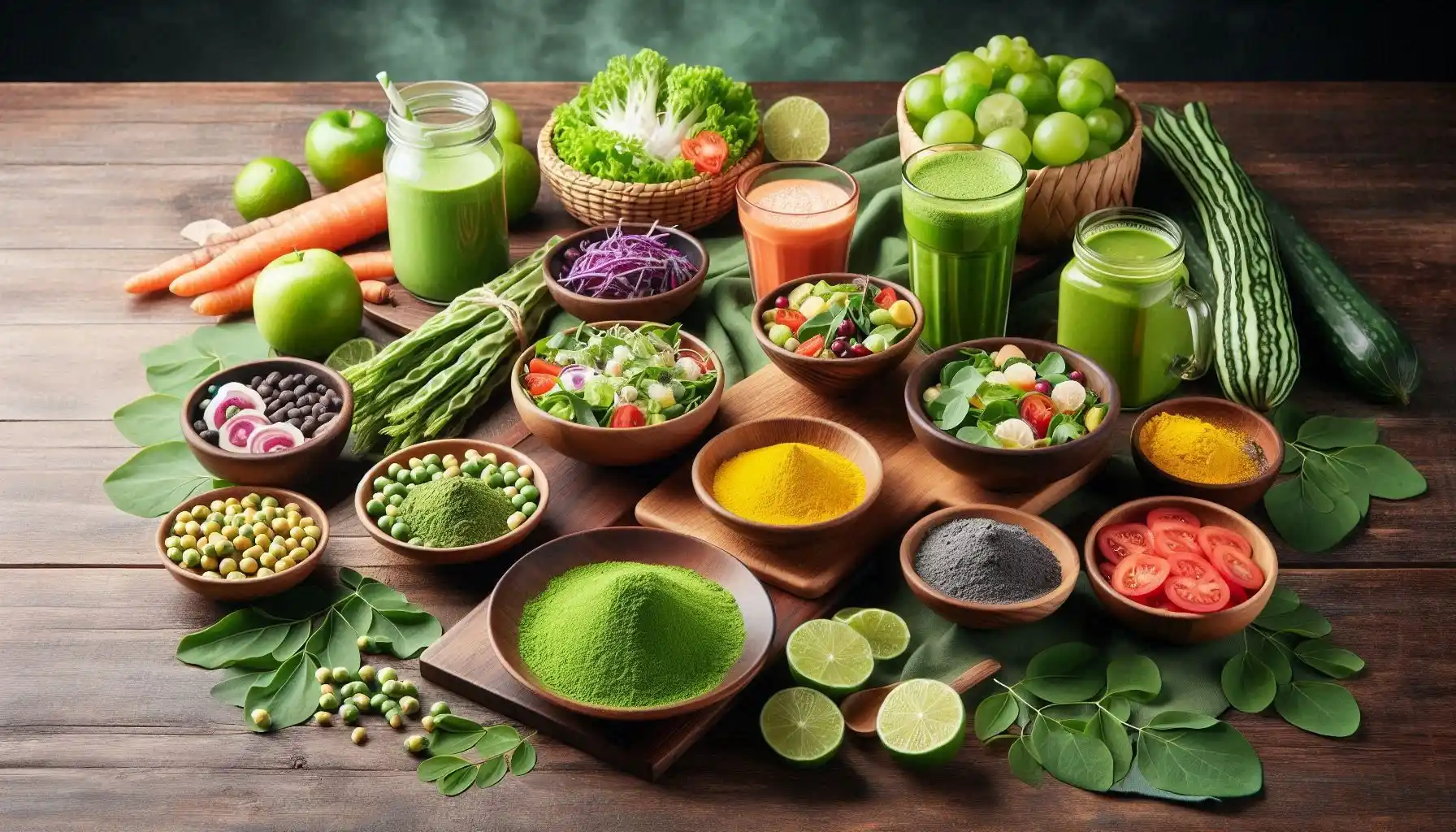
- Moringa Powder
This is the most common form. The leaves are dried and ground into a fine, bright green powder.
- Taste Profile: The taste is earthy, slightly grassy, and similar to matcha but with a slight “kick” or radish-like undertone.
- Usage:
- Smoothies: This is the easiest way. A teaspoon or two blends well with fruits like bananas, mangoes, and pineapples, which mask the grassy flavor.
- Guacamole/Dips: Mixing a spoonful into guacamole or hummus adds a nutritional boost without overpowering the dip.
- Sprinkling: Sprinkle it over salads, soups, or roasted vegetables just before serving. Avoid cooking it at high heat for extended periods, as this can degrade the heat-sensitive vitamins.
- Moringa Tea
Dried leaves are steeped in hot water. This is a gentle way to introduce Moringa to your system. It is often combined with lemon, ginger, or mint to improve palatability. Drinking Moringa tea in the morning can replace your standard caffeine fix.
- Moringa Capsules
For those who dislike the taste or are traveling, capsules offer a convenient, no-fuss option. Look for organic, pure leaf powder capsules without fillers.
- Fresh Leaves
If you are lucky enough to live in a climate where Moringa grows or have access to a specialty market, fresh leaves can be cooked like spinach. They can be sautéed, steamed, or added to curries and stews.
Dosage Recommendations
While there is no strict RDA for Moringa, most studies and health practitioners suggest starting with a small amount—about 1 teaspoon (roughly 2 grams) of powder per day—to allow your body to adjust. You can gradually increase this to 1-2 tablespoons. As with any supplement, consistency is key.
Potential Side Effects and Precautions
While Moringa is generally considered safe for consumption, it is potent, and “natural” does not always mean “risk-free.”
- The Roots and Bark: While the leaves, flowers, and immature seed pods are generally safe, the root and bark contain higher concentrations of spirochin, a neurotoxin that can cause paralysis and death. For this reason, most commercial Moringa products utilize only the leaves.
- Pregnancy: Pregnant women should avoid Moringa, as certain compounds in the bark and root (and potentially high doses of leaves) can cause uterine contractions.
- Medication Interactions:
- Blood Thinners: Because Moringa is high in Vitamin K, which helps blood clot, it can interfere with blood-thinning medications like Warfarin.
- Diabetes Medications: Since Moringa lowers blood sugar, taking it alongside diabetes medication might cause blood sugar to drop too low (hypoglycemia).
- Blood Pressure Medications: Its blood-pressure-lowering effects can compound the effects of medication.
Disclaimer: Always consult with a healthcare provider before adding a new supplement to your regimen, especially if you have pre-existing health conditions or are taking prescription medications.
Conclusion: A Shift Towards Wholeness
The modern approach to nutrition often involves reductionism—isolating specific compounds, creating synthetic vitamins, and looking for a “magic pill.” Moringa represents a shift back toward wholeness. It is a testament to the fact that nature often packages nutrients in the most bioavailable and synergistic ways.
From the cellular level—supporting mitochondria and neutralizing free radicals—to the systemic level—balancing blood sugar, reducing inflammation, and bolstering immunity—Moringa offers a comprehensive suite of benefits. It addresses the deficiencies of the modern diet and the stresses of the modern lifestyle.
Incorporating Moringa is not about changing your life overnight; it is about adding a layer of resilience to your daily routine. Whether you are an athlete looking for recovery, a professional seeking mental clarity, or simply someone trying to navigate the complexities of healthy living, the “Miracle Tree” offers a simple, sustainable, and powerful solution. It is more than a game-changer for your diet; it is a life-changer for your health.
FAQS
Q1: What is Moringa and why is it also known as Drumstick?
A1: Moringa, also known as Drumstick, is a nutrient-rich plant native to India and Africa. It is called Drumstick due to the shape of its seed pods, which resemble drumsticks.
Q2: Why should I incorporate Moringa into my daily diet?
A2: Moringa is a superfood that offers numerous health benefits, including reducing inflammation, improving heart health, and boosting energy levels. Consuming Moringa daily can help prevent chronic diseases and promote overall well-being.
Q3: What are the key nutrients found in Moringa?
A3: Moringa is rich in vitamins A, C, and E, as well as minerals like calcium, iron, and potassium. It is also a good source of antioxidants, fiber, and protein, making it an excellent addition to a balanced diet.
Q4: Can Moringa help with weight management?
A4: Yes, Moringa can aid in weight management by suppressing appetite, increasing metabolism, and improving digestion. The fiber content in Moringa also helps keep you feeling fuller for longer, reducing the likelihood of overeating.
Q5: How can Moringa benefit my skin and hair?
A5: Moringa is rich in antioxidants and fatty acids, which can help nourish and protect your skin and hair. It may improve skin conditions like acne, reduce inflammation, and promote healthy hair growth.
Q6: Is Moringa safe for pregnant or breastfeeding women?
A6: While Moringa is generally considered safe, pregnant or breastfeeding women should consult their healthcare provider before consuming it. Moringa may stimulate uterine contractions, and its effects on fetal development are not yet fully understood.
Q7: How can I incorporate Moringa into my daily routine?
A7: You can consume Moringa in various forms, including capsules, powder, tea, or add fresh leaves to your meals. Start with a small dose and gradually increase as your body adapts. You can also add Moringa powder to your smoothies, soups, or salads for an extra nutritional boost.
Q8: Are there any potential side effects of consuming Moringa daily?
A8: While rare, some people may experience side effects like stomach upset, diarrhea, or allergic reactions when consuming Moringa. Start with a small dose and monitor your body’s response. If you experience any adverse effects, consult your healthcare provider.
Q9: Can Moringa help reduce stress and anxiety?
A9: Yes, Moringa contains adaptogenic properties that may help reduce stress and anxiety by regulating cortisol levels and promoting relaxation. Consuming Moringa daily may help improve your mood and overall mental well-being.
Q10: Where can I buy Moringa, and how should I store it?
A10: Moringa is widely available in health food stores, online marketplaces, and some supermarkets. Store Moringa powder or capsules in a cool, dry place, away from direct sunlight. Fresh Moringa leaves can be stored in the refrigerator for up to a week.
Medical Disclaimer:
The information provided on this website is for general educational and informational purposes only and is not intended as a substitute for professional medical advice, diagnosis, or treatment. Always seek the advice of your physician or other qualified health provider with any questions you may have regarding a medical condition. Never disregard professional medical advice or delay in seeking it because of something you have read on this website.
