
Table of Contents
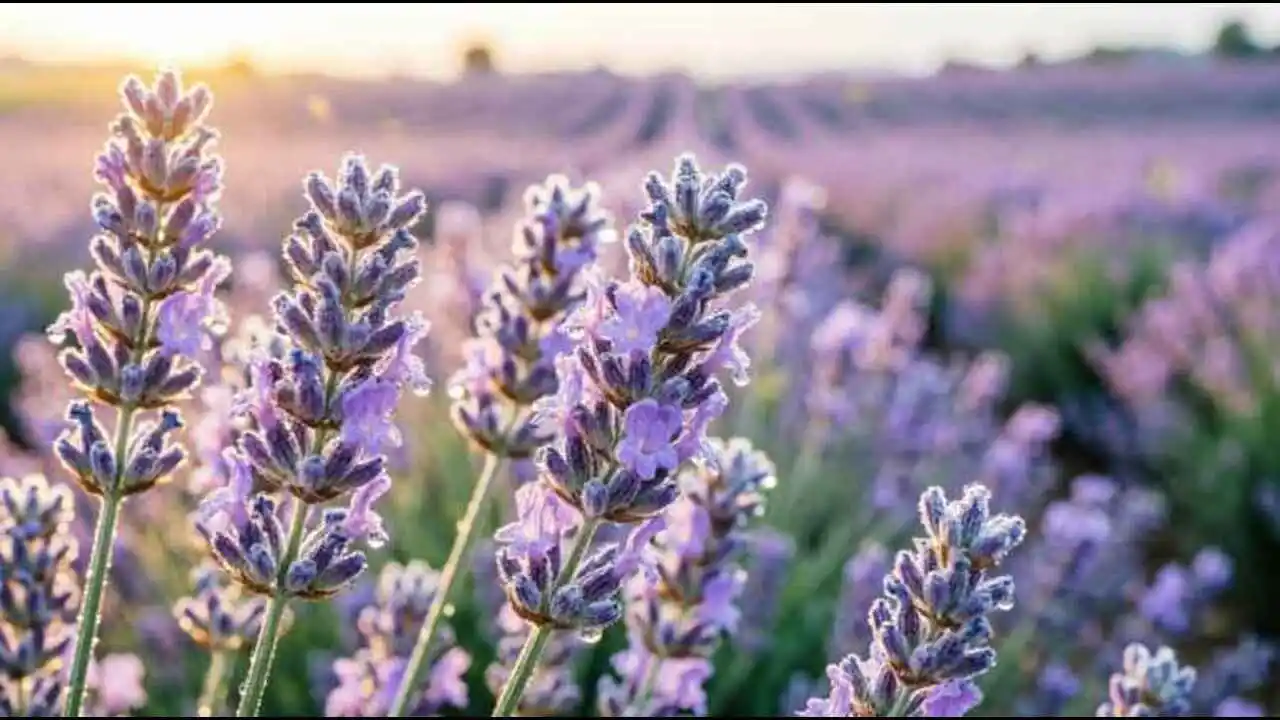
Lavender is not just a beautiful and fragrant flower; it also possesses a wide range of properties that make it a popular choice for various uses. From aromatherapy to culinary applications, lavender has been utilized for its medicinal and therapeutic benefits for centuries. Lavender is a versatile herb known for its calming properties and various health benefits. Lavender is rich in essential oils, making it a powerhouse of natural compounds that contribute to its unique properties.
Health Benefits and Everyday Uses of Nature’s Calming Herb
Lavender is far more than just a beautiful purple flower with a captivating scent. For centuries, this versatile herb has been a cornerstone of holistic medicine and natural wellness. Today, modern science is catching up to ancient wisdom, confirming that lavender (Lavandula angustifolia) is a therapeutic powerhouse. Whether you are battling stress, struggling to sleep, or looking for natural skin remedies, here is how lavender can elevate your daily wellness routine.
The Top Health Benefits of Lavender
- Melts Away Stress and Anxiety
Lavender’s most famous benefit is its ability to calm the nervous system. The primary active compound, linalool, has been shown to interact with the brain’s neurotransmitters, specifically boosting GABA (gamma-aminobutyric acid) activity. This produces a mild sedative effect, lowering heart rate and blood pressure, making it a potent natural remedy for acute anxiety and daily stress.
- Promotes Deep, Restorative Sleep
Struggling with insomnia? Lavender is a proven sleep aid. Inhaling lavender essential oil before bed has been clinically shown to increase the percentage of deep, slow-wave sleep. It helps quiet a racing mind, allowing you to fall asleep faster and wake up feeling significantly more energized.

- Soothes Pain and Inflammation
Lavender possesses natural analgesic and anti-inflammatory properties. When applied topically (diluted in a carrier oil), it can help alleviate muscle aches, joint pain, and tension headaches. Some studies even suggest that inhaling lavender can reduce the severity and duration of migraine attacks.
- Accelerates Skin Healing
Thanks to its antibacterial and antifungal properties, lavender is essentially a first-aid kit in a bottle. It promotes wound healing, soothes minor burns, calms eczema flare-ups, and reduces the itching and swelling of insect bites.
How to Use Lavender in Your Daily Routine
Aromatherapy Diffusion: Add 3–5 drops of high-quality lavender essential oil to an ultrasonic diffuser in your bedroom or workspace to create an instant sanctuary of calm.
The Calming Bath: Mix 10 drops of lavender oil with a tablespoon of carrier oil (like jojoba or sweet almond) or full-fat milk, then add it to a warm bath. This prevents the oil from floating on the surface and allows your skin to absorb the soothing benefits.
Pillow Mist: Create a DIY sleep spray by combining distilled water, a splash of witch hazel, and lavender oil in a spray bottle. Mist your pillows and linens 15 minutes before bed.
Lavender Tea: For internal wellness, steep 1–2 teaspoons of dried, culinary-grade lavender buds in hot water for 10 minutes. This gentle tea aids digestion and settles an anxious stomach.
While lavender is generally safe, essential oils are highly concentrated. Always dilute them with a carrier oil before applying to the skin to avoid irritation, and perform a patch test if you have sensitive skin. Furthermore, never ingest essential oils; only use dried buds specifically marked as culinary-grade for teas.
Incorporating lavender into your life is an easy, luxurious way to support your mind and body. By harnessing the power of this humble purple flower, you can naturally reclaim your calm, improve your sleep, and nurture your skin.
Precautions When Using Lavender for Wellness
While lavender is widely celebrated for its calming and healing properties, it is a potent botanical that must be used with care. To safely enjoy its benefits, keep these essential precautions in mind:
- Dilution is Non-Negotiable
Lavender essential oil is highly concentrated. Applying it “neat” (undiluted) directly to the skin can cause severe irritation, redness, or chemical burns. Always dilute essential oils in a safe carrier oil—such as jojoba, coconut, or sweet almond oil—before topical application. A standard safe dilution ratio is 1–2% (about 3 to 6 drops of essential oil per ounce of carrier oil).
- Never Ingest Essential Oils
Unless you are under the direct supervision of a qualified clinical aromatherapist or physician, do not ingest lavender essential oil. Internal consumption can lead to toxicity, causing nausea, vomiting, abdominal pain, and headaches. If you want to drink lavender tea, use only dried lavender buds specifically labeled as “culinary grade” or “food grade.”
- Hormonal Sensitivities
Some studies suggest that lavender oil contains compounds that may act as endocrine disruptors, mimicking estrogen and inhibiting testosterone. While rare, this has been linked to prepubertal gynecomastia (abnormal breast tissue growth) in young boys. As a precaution, avoid using concentrated lavender oil on prepubescent children, and consult a doctor if you have hormone-sensitive conditions like breast cancer or endometriosis.
- Pregnancy and Nursing
Because lavender can stimulate uterine contractions and influence hormones, many healthcare providers recommend avoiding lavender essential oil during the first trimester of pregnancy. Always consult your OB-GYN before using any essential oils while pregnant or breastfeeding.
- Allergic Reactions and Patch Testing
Even natural products can trigger allergies. Before using a new lavender product, perform a patch test by applying a small, diluted amount to your inner forearm and waiting 24 hours to check for adverse reactions.
- Pet Safety
Cats and dogs process essential oils differently than humans. Diffusing heavy amounts of lavender or applying it directly to pets can cause respiratory distress or liver toxicity. Ensure your diffuser is in a well-ventilated room where pets can easily leave if the scent bothers them.
In conclusion, lavender is a versatile herb with a wide range of properties and uses. Whether you are looking to relax, improve your skin, or enhance the flavor of your dishes, lavender can offer a natural and effective solution. By exploring the different methods of intake, you can incorporate lavender into your daily routine and experience its numerous benefits firsthand.
FAQs
- What are the main health benefits of lavender?
Lavender offers several benefits for a healthier lifestyle, including reducing stress and anxiety, improving sleep quality, and promoting relaxation. Its calming aroma can help lower cortisol levels, making it a popular natural remedy for mental well-being. Studies suggest it may also have anti-inflammatory and antioxidant properties, supporting overall health. - How does lavender help improve sleep?
Lavender’s soothing scent interacts with the brain’s limbic system, promoting relaxation and reducing insomnia. Using lavender essential oil in a diffuser or on your pillow before bed can enhance sleep quality. Research, such as a study in the Journal of Alternative and Complementary Medicine, indicates it may increase deep sleep stages, leading to a more rested lifestyle. - Can lavender reduce anxiety and stress levels?
Yes, lavender is effective for managing anxiety due to its natural sedative effects. Inhaling lavender oil or using it in aromatherapy can trigger the release of neurotransmitters like serotonin, fostering a sense of calm. A review in Phytomedicine highlights its potential as a complementary therapy for stress-related disorders, helping users adopt a more balanced, healthier daily routine. - How does lavender benefit skin health?
Lavender has antibacterial and anti-inflammatory properties that can soothe skin conditions like acne, eczema, or minor burns. Applying diluted lavender oil topically may promote wound healing and reduce irritation. For a healthier lifestyle, incorporate it into skincare routines to support clearer, more radiant skin. - Is lavender effective for relieving headaches?
Lavender can help alleviate headaches, particularly tension-type ones, by relaxing muscles and reducing inflammation. Inhaling its vapor or applying it to the temples may provide relief. A study in European Neurology found that lavender oil reduced headache severity, making it a simple, natural addition to pain management strategies.
Uses of Lavender
- What are the common uses of lavender essential oil?
Lavender essential oil is versatile and can be used in aromatherapy, massage oils, or household cleaners. For a healthier lifestyle, diffuse it for relaxation, add a few drops to a bath for stress relief, or mix it with a carrier oil for topical application. Always dilute it to avoid skin irritation. - How can I use lavender for aromatherapy at home?
Add a few drops of lavender essential oil to a diffuser, or place dried lavender sprigs in a bowl near your workspace. This method releases calming vapors that improve mood and air quality. For daily health, use it during meditation or before bedtime to create a peaceful environment and support mental wellness. - Can lavender be used in cooking for better health?
Yes, lavender is edible and can enhance dishes like teas, salads, or baked goods with its subtle floral flavor. It may aid digestion and provide antioxidants. To incorporate it into a healthier lifestyle, try brewing lavender tea or adding fresh leaves to meals, but use it sparingly to avoid overpowering flavors. - How do I make lavender tea for daily wellness?
Steep 1-2 teaspoons of dried lavender flowers in hot water for 5-10 minutes. This simple tea can promote relaxation, aid digestion, and support immune health due to its compounds. Drink it in the evening as part of a routine for better sleep and stress management. - How can I grow lavender at home for personal use?
Lavender thrives in well-drained soil and full sun. Plant it in a garden or pot, and harvest the flowers for teas or oils. Growing your own ensures a fresh, chemical-free supply, contributing to a sustainable, healthier lifestyle by reducing reliance on store-bought products.
Precautions and Safety
- What precautions should I take when using lavender?
While lavender is generally safe, dilute essential oils before topical use to prevent skin irritation. Avoid ingesting undiluted oil, as it may cause nausea. For a safer lifestyle, perform a patch test and consult a doctor if you have allergies or are pregnant. - Are there any side effects of using lavender?
Common side effects include skin irritation, allergic reactions, or digestive upset if used in excess. In rare cases, it may cause hormonal changes. To minimize risks, start with small amounts and monitor your body’s response for a balanced approach to health. - Is lavender safe for children and infants?
Lavender is generally safe for children in diluted forms, such as in a diffuser or bath, but avoid direct application on infants under 6 months. Use cautiously with older children, as it might cause skin sensitivity. Always supervise use to promote a healthy, safe environment. - Can pregnant or breastfeeding women use lavender?
Lavender is considered safe in moderation during pregnancy and breastfeeding, but avoid excessive internal use due to potential hormonal effects. Stick to topical or aromatic applications, and consult a healthcare provider to ensure it aligns with your prenatal or postnatal health routine. - Does lavender interact with medications?
Lavender may interact with sedatives, blood pressure medications, or hormone therapies, potentially enhancing their effects. If you’re on any drugs, discuss with a doctor before use to avoid complications and maintain a proactive approach to your healthier lifestyle. - How should I store lavender products for safety?
Store essential oils in a cool, dark place in airtight containers to preserve potency and prevent degradation. Dried lavender should be kept in a sealed bag away from moisture. Proper storage ensures safety and efficacy, supporting long-term health benefits. - Can lavender cause allergic reactions, and how to handle them?
Yes, some people may experience allergies, such as rashes or respiratory issues. If a reaction occurs, discontinue use and rinse the area with water. For a healthier lifestyle, always test a small amount first and consider hypoallergenic alternatives if needed. - Is lavender suitable for people with specific health conditions?
Individuals with low blood pressure or certain skin conditions should use lavender cautiously, as it can lower blood pressure further or irritate sensitive skin. Tailor its use to your health needs, and seek medical advice to integrate it safely into your routine. - How effective is lavender for digestive issues, and what precautions apply?
Lavender may ease bloating or indigestion due to its antispasmodic properties, but it’s not a cure-all. Use it in teas or oils, but avoid if you have gastrointestinal disorders. Precautions include starting with small doses to prevent potential irritation. - How can I incorporate lavender into my daily routine without risks?
Start with low-risk methods like diffusing oil for 30 minutes daily or adding it to herbal teas. Monitor for any adverse effects and combine with healthy habits like exercise and balanced nutrition. This mindful approach ensures lavender enhances your lifestyle safely and effectively.
These FAQs are based on general knowledge from reliable sources like health organizations and studies. Remember, while lavender can support a healthier lifestyle, it’s not a substitute for professional medical advice. If you’re interested in lavender products, choose high-quality, organic options from reputable suppliers.
Medical Disclaimer:
The information provided on this website is for general educational and informational purposes only and is not intended as a substitute for professional medical advice, diagnosis, or treatment. Always seek the advice of your physician or other qualified health provider with any questions you may have regarding a medical condition. Never disregard professional medical advice or delay in seeking it because of something you have read on this website.
