
Table of Contents
Natural Remedies – The Health Benefits and Risks of Hyssop
 Hyssop is a versatile herb that has been used for centuries for its various health benefits. In this article, we will explore the many ways in which hyssop can be used to improve health and well-being. From respiratory health to digestive support, hyssop is a powerful herb with a wide range of applications.
Introduction:
Hyssop, also known as Hyssopus officinalis, is a herb native to the Mediterranean region. It has a long history of use in traditional medicine and culinary practices. The herb is rich in essential oils, antioxidants, and other beneficial compounds that contribute to its impressive health benefits. In this article, we will delve into the many ways in which hyssop can be used to promote overall health and wellness.
Hyssop Health Benefits
- Respiratory Health
Hyssop is commonly used to support respiratory health and alleviate symptoms of respiratory conditions such as coughs, colds, and bronchitis. The herb has expectorant properties that help to loosen mucus and phlegm, making it easier to expel from the lungs. Additionally, hyssop has anti-inflammatory properties that can help to reduce inflammation in the respiratory tract, providing relief from symptoms such as coughing and wheezing.
- Digestive Support
Hyssop is also known for its digestive benefits. The herb can help to stimulate digestion and relieve symptoms of indigestion, bloating, and gas. Hyssop is believed to help the body break down food more efficiently, improving overall digestion and nutrient absorption. Additionally, the herb has carminative properties that can help to reduce gas and bloating, making it a useful remedy for digestive discomfort.

- Immune System Support
Hyssop is rich in antioxidants that help to boost the immune system and protect the body against harmful free radicals. The herb’s immune-boosting properties can help to prevent illness and promote overall health and well-being. Additionally, hyssop has antimicrobial properties that can help to fight off infections and keep the immune system strong and resilient.
- Antioxidant Properties
Rich in flavonoids, hyssop acts as an antioxidant, potentially reducing the risk of age-related conditions like heart disease and strokes.
- Anti-inflammatory
It may help reduce inflammation, benefiting conditions like arthritis.
- Antimicrobial – Hyssop has antibacterial and antiviral properties, making it useful for preventing infections in wounds.
Methods of Use
- Herbal Tea
One of the most popular ways to use hyssop is by brewing it into a herbal tea. To make hyssop tea, simply steep a few fresh or dried hyssop leaves in hot water for 5-10 minutes. You can sweeten the tea with honey or lemon, if desired. Hyssop tea is a soothing and invigorating beverage that can be enjoyed throughout the day.
- Essential Oil
Hyssop essential oil can be used topically or aromatically to enjoy its therapeutic benefits. To use hyssop essential oil topically, dilute a few drops in a carrier oil and apply to the skin. This can help to alleviate respiratory symptoms or soothe sore muscles. To enjoy the aromatic benefits of hyssop essential oil, add a few drops to a diffuser and inhale the steam. This can help to promote relaxation and improve respiratory health.
- Topical Application
Apply hyssop-infused oil or ointment to wounds or skin irritations to benefit from its antimicrobial properties.
- Culinary Uses
Hyssop can also be used in cooking to add flavor and depth to dishes. The herb has a slightly bitter and minty flavor that pairs well with meats, vegetables, and soups. You can use fresh or dried hyssop leaves to season dishes or make herb-infused oils and vinegars. Hyssop is a versatile herb that can add a unique and aromatic touch to a wide range of culinary creations.
In conclusion, hyssop is a powerful herb with a wide range of health benefits. From respiratory support to digestive aid, hyssop can be used in various forms to improve overall health and well-being. Whether enjoyed as a soothing tea, a therapeutic essential oil, or a flavorful culinary herb, hyssop is a versatile herb that can enhance both physical and mental health. Incorporate hyssop into your daily routine to experience the many benefits this herb has to offer.
Side Effects of excessive doses
While hyssop (Hyssopus officinalis) has a long history in traditional medicine for respiratory and digestive ailments, it carries significant side effects and risks, particularly when used in high doses or as a concentrated essential oil.
Neurological Risks and Seizures The most severe danger associated with hyssop is its potential to trigger seizures. The plant’s volatile oil contains a chemical compound called pinocamphone, which is highly neurotoxic in large amounts. Consuming hyssop essential oil or taking excessive medicinal doses of the herb can cause severe convulsions and central nervous system toxicity. Consequently, hyssop is strictly contraindicated for individuals with epilepsy or any history of seizure disorders.
Pregnancy and Reproductive Risks Hyssop is a known emmenagogue, meaning it stimulates blood flow in the pelvic area and uterus. Because it can induce strong uterine contractions, it poses a severe risk of miscarriage. Pregnant women must strictly avoid hyssop in all forms, including teas, tinctures, supplements, and essential oils. It is also not recommended for breastfeeding mothers due to a lack of safety data.
Gastrointestinal Distress When consumed in amounts greater than typical culinary flavoring, hyssop can irritate the digestive tract. Common mild side effects include nausea, vomiting, stomach cramping, and diarrhea. Prolonged use of high medicinal doses may also lead to liver or kidney strain, though this is less commonly reported.
Risks for Children and Medication Interactions Hyssop essential oil should never be administered to children, as their developing nervous systems are highly vulnerable to its convulsive properties. Additionally, because hyssop can lower the body’s seizure threshold, it may interact negatively with anti-seizure medications (anticonvulsants), potentially rendering these drugs less effective.
The Bottom Line While small culinary amounts of hyssop leaves are generally recognized as safe, medicinal doses require extreme caution. Always consult a healthcare professional before adding hyssop to your wellness regimen.
1. What is hyssop?
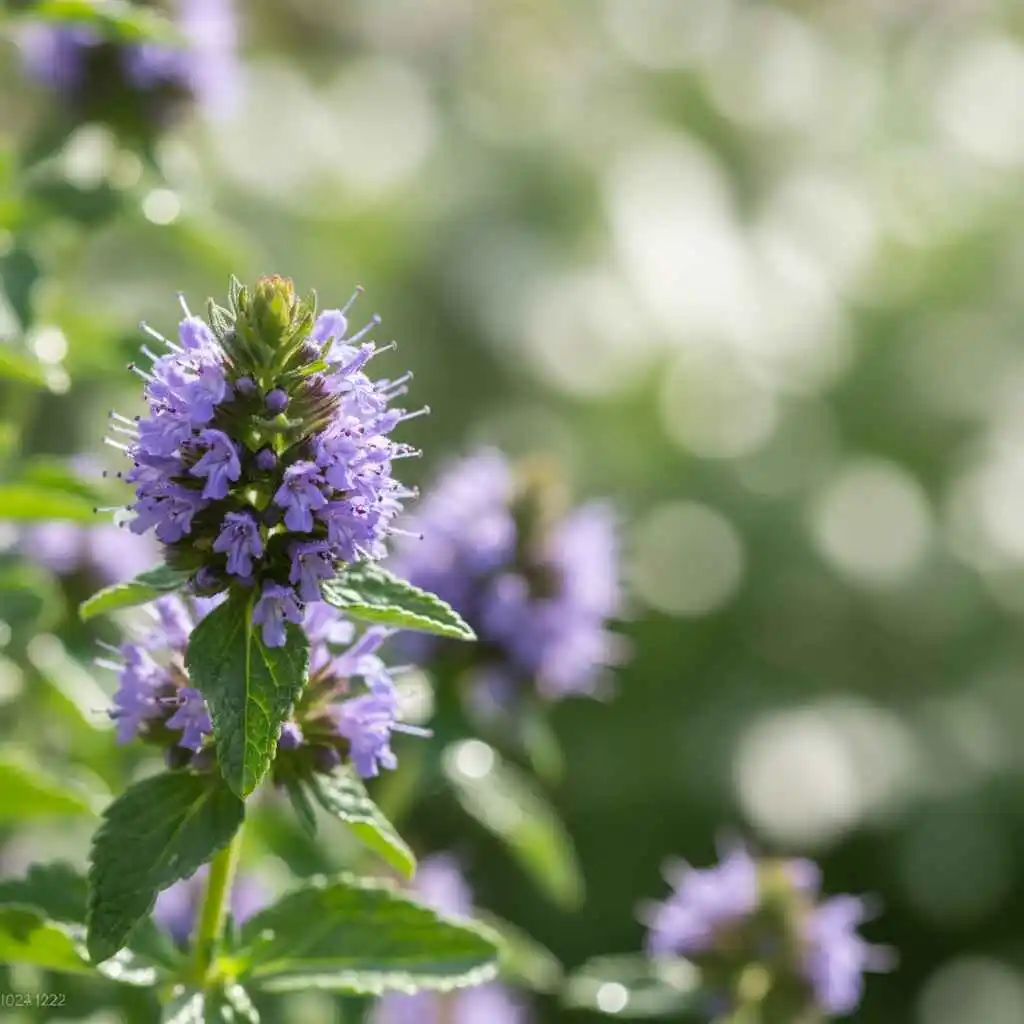
Answer: Hyssop is a perennial herb from the mint family, native to the Mediterranean region, with small, fragrant leaves and purple flowers. It has been used for centuries in traditional medicine, aromatherapy, and culinary applications due to its strong, minty flavor and potential health properties.
2. What are the main health benefits of hyssop?
Answer: Hyssop is valued for its antioxidant, antimicrobial, and anti-inflammatory properties, which may help support respiratory health, reduce coughs, and aid digestion. It also contains compounds that could potentially boost the immune system and promote overall wellness when used in moderation.
3. How does hyssop help with respiratory issues?
Answer: Hyssop’s expectorant and antimicrobial effects may help loosen mucus, soothe sore throats, and alleviate symptoms of colds, bronchitis, or asthma. It’s often consumed as a tea or inhaled as steam to clear airways, but it should be used cautiously to avoid irritation.
4. Are there any risks associated with using hyssop?
Answer: Yes, hyssop can pose risks, including the potential to trigger seizures in high doses due to compounds like pinocamphone. It may also cause allergic reactions, digestive upset, or interact with medications, so it’s important to use it sparingly and under medical supervision.
5. Is hyssop safe for everyone?
Answer: No, hyssop is not safe for everyone; it’s generally avoided by people with epilepsy, pregnant or breastfeeding women, and those with liver conditions. Individuals with allergies to plants in the mint family should also steer clear, and consulting a doctor is advised before use.
6. How do I prepare hyssop tea?
Answer: To make hyssop tea, steep 1-2 teaspoons of dried hyssop leaves in a cup of boiling water for 5-10 minutes, then strain and drink. Start with a small amount to test tolerance, and add honey or lemon for flavor, but limit intake to 1-2 cups per day to minimize risks.
7. What are the potential side effects of hyssop?
Answer: Common side effects include nausea, dizziness, increased heart rate, or skin irritation. In rare cases, excessive consumption can lead to seizures or toxicity, so always adhere to recommended doses and discontinue use if any adverse reactions occur.
8. Can hyssop interact with medications?
Answer: Yes, hyssop may interact with medications like anticonvulsants, sedatives, or blood thinners, potentially altering their effectiveness. If you’re on any prescription drugs, discuss hyssop use with your healthcare provider to avoid complications.
9. Is hyssop beneficial for digestion?
Answer: Hyssop may aid digestion by stimulating appetite, reducing bloating, and easing gastrointestinal spasms due to its carminative properties. However, overuse can irritate the stomach lining, so it’s best used in small amounts as a tea or tincture.
10. How much hyssop is safe to consume daily?
Answer: A safe daily intake is typically 1-2 grams of dried hyssop leaves, equivalent to one cup of tea, but this varies by individual health. Always start with a lower dose and consult a healthcare professional, as higher amounts increase the risk of side effects.
11. What does hyssop taste like?
Answer: Hyssop has a strong, minty flavor with bitter and slightly sweet undertones, reminiscent of licorice or sage. It’s often used in teas, salads, or as a seasoning, but its intensity can be overwhelming, so it’s usually balanced with other herbs.
12. Where can I buy hyssop?
Answer: Hyssop is available as dried leaves, essential oil, or capsules at health food stores, online retailers like Amazon, or herbal shops. Ensure you purchase from reputable sources for quality and purity, and check for organic options to avoid pesticides.
13. Is hyssop used in cooking?
Answer: Yes, hyssop is used in cooking for its aromatic flavor, often added to soups, stews, salads, or as a garnish in Mediterranean cuisine. It pairs well with meats, vegetables, and cheeses, but use it sparingly to prevent overpowering other flavors.
14. What scientific evidence supports hyssop’s health benefits?
Answer: Limited studies suggest hyssop’s antioxidants may combat oxidative stress and its essential oils have antimicrobial effects, as shown in lab research. However, more human clinical trials are needed to fully validate these benefits, so rely on it as a complementary remedy.
15. Can hyssop help with anxiety or stress?
Answer: Hyssop’s calming aroma from essential oils may help reduce anxiety when used in aromatherapy or tea, potentially due to its mild sedative properties. While anecdotal evidence supports this, it’s not a substitute for professional mental health treatment.
16. Is hyssop safe to use during pregnancy?
Answer: No, hyssop is not recommended during pregnancy or breastfeeding, as it may stimulate the uterus and cause complications. Always err on the side of caution and consult a healthcare provider for safe herbal alternatives.
17. How does hyssop compare to other herbs like mint or sage?
Answer: Like mint and sage, hyssop belongs to the mint family and shares similar antimicrobial and digestive benefits, but it has a more bitter taste and stronger potential for side effects. It’s often used interchangeably in recipes but requires more caution due to its risks.
18. What are the historical uses of hyssop?
Answer: Historically, hyssop was mentioned in ancient texts like the Bible for purification and healing, and in medieval medicine for treating respiratory and digestive issues. It was used in rituals, as a natural remedy, and even in brewing beers for its flavor.
19. Can hyssop be grown at home?
Answer: Yes, hyssop is easy to grow at home in well-drained soil with full sun, thriving in gardens or pots. It’s drought-tolerant and attracts pollinators, but ensure it’s in a spot where it won’t spread aggressively, and harvest leaves for fresh use.
20. Are there any contraindications for using hyssop?
Answer: Contraindications include conditions like epilepsy, high blood pressure, or kidney issues, where hyssop could exacerbate symptoms. It’s also not suitable for children under 12, and anyone with a history of seizures should avoid it entirely.
Medical Disclaimer:
The information provided on this website is for general educational and informational purposes only and is not intended as a substitute for professional medical advice, diagnosis, or treatment. Always seek the advice of your physician or other qualified health provider with any questions you may have regarding a medical condition. Never disregard professional medical advice or delay in seeking it because of something you have read on this website.
