
Table of Contents
The Silent Suffocation: Unmasking Bronchitis, Its Causes, Symptoms, and Life-Saving Treatments
Imagine waking up in the dead of night, gasping for air. Your chest feels as though an invisible weight has been placed upon it, and every breath you take is accompanied by a deep, rattling sound emanating from deep within your lungs. You cough, trying to clear the blockage, but it only results in a painful, vibrating sensation in your ribcage and the expulsion of thick, discolored mucus. This is not merely a “bad cold.” This is the reality for millions of people around the world who suffer from bronchitis.
Bronchitis is one of the most common, yet frequently misunderstood, respiratory ailments that plagues humanity. It strikes indiscriminately, affecting the young, the elderly, the healthy, and the vulnerable. Despite its prevalence, the nuances of this condition—specifically the stark differences between its acute and chronic forms—remain a mystery to many. Left unchecked, what begins as a pesky cough can escalate into severe, life-altering complications.
In this comprehensive guide, we are going to pull back the curtain on bronchitis. We will delve deep into the intricate anatomy of your respiratory system to understand exactly what happens when bronchitis strikes. We will explore the myriad causes that trigger this inflammation, meticulously break down the symptoms you need to watch out for, examine the rigorous diagnostic processes doctors use, and outline the most effective, cutting-edge treatments available today. Whether you are currently suffering from a relentless cough or you are simply looking to educate yourself on respiratory health, this article will equip you with the knowledge you need to breathe easier.
The Anatomy of a Breath: Understanding the Respiratory System
To truly comprehend bronchitis, we must first understand the magnificent, complex machinery that is the human respiratory system. Every time you take a breath, you are initiating a highly orchestrated biological symphony. When you inhale, air travels down your throat, passing through the larynx (voice box), and enters the trachea, commonly known as the windpipe.

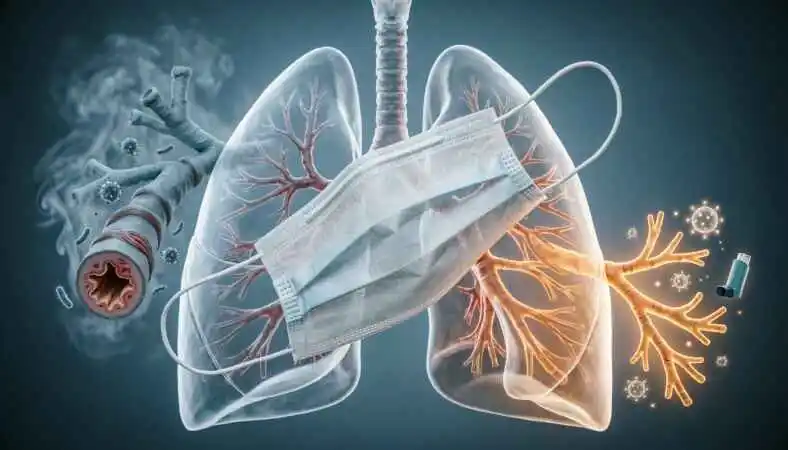
The trachea does not travel directly into the lungs; rather, it acts as a central highway that splits into two massive branches called the bronchi (singular: bronchus). One bronchus leads to the right lung, and the other to the left. Once inside the lungs, these bronchi continue to branch out into smaller and smaller tubes, much like the branches of an inverted tree. These smaller branches are called bronchioles. At the very end of these bronchioles lie tiny, delicate air sacs known as alveoli. This entire “tree” structure is collectively referred to as the bronchial tree. It is here, in the walls of the bronchi and bronchioles, that the main stage of bronchitis is set.
In a healthy respiratory system, the inner lining of the bronchial tubes is coated with a thin layer of mucus. This mucus serves a vital purpose: it acts as a sticky trap for dust, pollen, smoke, and microscopic pathogens that you inevitably inhale every day. Lining the walls of these tubes are millions of microscopic, hair-like structures called cilia. The cilia constantly beat in a coordinated, upward sweeping motion, sweeping the mucus—along with its trapped debris—up and out of the lungs, into the throat, where it is harmlessly swallowed or coughed out.
When you develop bronchitis, this entire elegant system goes into catastrophic failure.
What Exactly is Bronchitis?
The word “bronchitis” is derived from medical terminology: “bronch-” refers to the bronchial tubes, and “-itis” is a standard medical suffix denoting inflammation. Therefore, bronchitis literally means inflammation of the bronchial tubes.
When the bronchial tubes become inflamed, several physiological changes occur. First, the tissue lining the tubes swells, which narrows the airway. Second, the inflamed tissue begins to produce an excessive amount of thick, sticky mucus. Third, the cilia lose their ability to function properly, paralyzed by the inflammation and the sheer volume of mucus. The result is a narrowed airway clogged with debris, leading to the hallmark symptoms of coughing and difficulty breathing.
However, bronchitis is not a monolith. It presents in two distinctly different forms, each with its own set of causes, implications, and treatment protocols: Acute Bronchitis and Chronic Bronchitis.
Acute Bronchitis: The Sudden Onset
Acute bronchitis is incredibly common. It is often referred to as a “chest cold.” This form of the condition develops suddenly, usually as a direct complication of an upper respiratory tract infection, such as the common cold or the flu. The inflammation is temporary. While the cough can linger for several weeks, the underlying infection and inflammation typically resolve on their own without causing permanent damage to the respiratory system.
Chronic Bronchitis: The Lingering Threat
Chronic bronchitis is a far more serious and insidious condition. It is defined clinically by a persistent cough that produces sputum (mucus) for at least three months out of the year, for two or more consecutive years. Unlike its acute counterpart, chronic bronchitis is not caused by an infection; rather, it is a type of Chronic Obstructive Pulmonary Disease (COPD). It is almost exclusively caused by long-term exposure to lung irritants, most notably cigarette smoke. In chronic bronchitis, the inflammation never fully goes away. Over time, the constant swelling and mucus production cause permanent structural damage to the bronchial tubes and cilia, severely impairing lung function.
The Culprits: What Causes Bronchitis?
Understanding the root cause of bronchitis is paramount, as it dictates the entire course of treatment. The causes of acute and chronic bronchitis differ dramatically.
Causes of Acute Bronchitis
Acute bronchitis is primarily an infectious disease. The vast majority of cases—upwards of 90%—are caused by viruses.
- Viral Infections: The same viruses that cause the common cold and the flu are the leading culprits behind acute bronchitis. These include rhinoviruses, adenoviruses, influenza A and B, respiratory syncytial virus (RSV), and coronaviruses (including SARS-CoV-2, which causes COVID-19). When these viruses invade the upper respiratory tract, they can easily migrate down into the bronchial tubes, triggering an immune response that results in acute inflammation.
- Bacterial Infections: While less common, bacteria can also cause acute bronchitis. In some cases, a viral infection damages the protective lining of the bronchial tubes, creating a perfect breeding ground for secondary bacterial infections. Bacteria such as Streptococcus pneumoniae, Haemophilus influenzae, and Mycoplasma pneumoniae are typical bacterial offenders.
- Environmental Irritants: Brief exposure to high levels of environmental pollutants can trigger sudden bronchial inflammation. This includes inhaling heavy smog, chemical fumes, thick dust, or heavy smoke from a nearby fire.
Causes of Chronic Bronchitis
Chronic bronchitis is a disease of exposure and environmental stress. It is the result of the lungs being forced to defend themselves against constant, relentless irritation over a period of years or even decades.
- Cigarette Smoking: This is the undisputed king of chronic bronchitis causes. Smoking is responsible for approximately 80% to 90% of all COPD cases, including chronic bronchitis. Cigarette smoke contains over 7,000 toxic chemicals. With every inhalation, these chemicals paralyze and eventually destroy the cilia, alter the mucus-producing cells to create excess, abnormally thick mucus, and directly damage the lung tissue.
- Occupational Hazards: Long-term exposure to dust and chemical fumes in the workplace is a major cause of non-smoking-related chronic bronchitis. Coal miners, construction workers, textile factory workers, grain handlers, and individuals who work with strong cleaning chemicals or industrial solvents are at an incredibly high risk.
- Indoor Air Pollution: In many parts of the world, chronic bronchitis is caused by breathing indoor air polluted by the burning of biomass fuels—such as wood, dung, or coal—for cooking and heating in poorly ventilated homes.
- Underlying Genetic and Medical Conditions: While rare, a genetic condition called Alpha-1 antitrypsin deficiency can cause early-onset COPD and chronic bronchitis. Furthermore, uncontrolled, severe asthma can sometimes remodel the airways over time, leading to a chronic bronchitis-like picture.
The Body’s Alarm System: Symptoms of Bronchitis
The symptoms of bronchitis can range from a mild inconvenience to completely debilitating. While there is overlap between acute and chronic forms, recognizing the nuances is key to understanding what your body is trying to tell you.
Symptoms of Acute Bronchitis
Acute bronchitis usually starts with the symptoms of a standard cold: a runny nose, a sore throat, fatigue, and a low-grade fever. However, as the infection settles into the bronchial tubes, the respiratory symptoms take center stage:
- The Persistent Cough: This is the hallmark symptom. It starts as a dry, hacking cough but rapidly evolves into a productive cough, meaning it brings up mucus.
- Sputum Production: The mucus coughed up can vary in color. It may be clear, white, yellow, or green. It is a common misconception that green mucus automatically means a bacterial infection; in reality, the green color is caused by white blood cells (your body’s immune soldiers) fighting off a viral infection.
- Chest Discomfort: The repeated, violent act of coughing can cause the muscles and cartilage between the ribs to become sore. Patients often describe a feeling of heaviness or rawness deep in the chest.
- Wheezing: As the swollen bronchial tubes narrow, air forced through them creates a high-pitched whistling sound during exhalation.
- Shortness of Breath: Especially during physical exertion, you may feel as though you cannot get a full breath of air.
- Low-Grade Fever and Chills: A mild temperature elevation indicates your immune system is fighting an infection.
- Fatigue: Your body expends a massive amount of energy fighting off the infection, leaving you feeling utterly exhausted.
Crucial Note on Duration: A typical acute bronchitis cough can last for an average of three weeks. Some patients experience a lingering cough for up to eight weeks after the virus has been completely cleared. This is due to the time it takes for the highly sensitive airways to calm down and heal.
Symptoms of Chronic Bronchitis
Chronic bronchitis shares many symptoms with the acute form, but they are present constantly or recur frequently, and they tend to worsen over time:
- The “Smoker’s Cough”: This is a classic symptom. It is a deep, rumbling, productive cough that is often worse in the mornings. The accumulated mucus pools in the lungs overnight, and the morning coughing fit is the body’s desperate attempt to clear the airways.
- Copious Mucus: The volume of mucus produced in chronic bronchitis is significantly higher than in acute bronchitis, and it is often thicker and harder to expel.
- Frequent Respiratory Infections: Because the cilia are destroyed and the lungs are filled with stagnant mucus, the lungs become a prime breeding ground for bacteria. People with chronic bronchitis frequently suffer from bouts of acute bronchitis and pneumonia on top of their chronic condition (known as acute exacerbations of COPD).
- Severe Dyspnea: Shortness of breath in chronic bronchitis starts during exercise but eventually progresses to occurring even at rest.
- Cyanosis: In advanced stages, the lungs’ ability to oxygenate the blood is so compromised that the patient’s lips, nail beds, and skin may take on a bluish tint due to lack of oxygen.
- Clubbing of the Fingers: Over time, chronic low oxygen levels in the blood can cause the fingertips to become rounded and wider, a physical sign of chronic lung disease.
Cracking the Code: How is Bronchitis Diagnosed?
Because the symptoms of bronchitis closely mimic those of pneumonia, asthma, and even heart failure, an accurate diagnosis by a healthcare professional is essential. A doctor will use a combination of clinical evaluation and targeted testing to confirm the presence of bronchitis and rule out other dangerous conditions.
- Medical History and Physical Examination The diagnostic process always begins with a conversation. Your doctor will ask detailed questions: How long have you had the cough? Are you a smoker? What is your occupation? Have you been exposed to sick individuals? Do you have a history of asthma or allergies? Following this, the doctor will perform a physical exam, focusing heavily on your chest. Using a stethoscope, they will listen to your lungs as you breathe. In bronchitis, they will typically hear rhonchi—a low-pitched, rattling sound caused by mucus in the larger airways—as well as wheezing.
- Chest X-Ray A chest X-ray is a crucial diagnostic tool, not necessarily to diagnose bronchitis itself, but to rule out other conditions. An X-ray of a patient with acute bronchitis usually looks completely normal, or it might show mild, generalized inflammation. If the X-ray reveals spots or infiltrates in the lungs, the diagnosis shifts to pneumonia. If the lungs appear hyperinflated (over-stretched), it points toward COPD or emphysema.
- Sputum Culture and Testing If your doctor suspects a bacterial infection, they may ask you to cough up a sample of your mucus. This sample is sent to a laboratory where it is cultured to identify the specific bacteria causing the infection. More importantly, the lab will perform antibiotic susceptibility testing to determine which specific antibiotic will kill that exact strain of bacteria.
- Pulmonary Function Tests (Spirometry) If chronic bronchitis or COPD is suspected, your doctor will order a Pulmonary Function Test (PFT), the most common of which is spirometry. During this test, you will be asked to take a deep breath and blow it out as hard and fast as you can into a tube connected to a machine. The machine measures two key metrics:
- FEV1 (Forced Expiratory Volume in 1 second): How much air you can blow out in the first second.
- FVC (Forced Vital Capacity): The total amount of air you can blow out. In chronic bronchitis, the FEV1 is significantly reduced compared to FVC, indicating an obstruction in the airways. Spirometry is the gold standard for diagnosing and staging COPD.
- Blood Tests and Pulse Oximetry A simple finger-prick pulse oximeter can instantly measure the oxygen saturation in your blood. In acute bronchitis, this is usually normal, but in chronic bronchitis, it may be dangerously low. A complete blood count (CBC) may be ordered to check for elevated white blood cells, which would indicate an active infection. An arterial blood gas (ABG) test, which involves drawing blood directly from an artery, may be used in severe chronic cases to precisely measure oxygen and carbon dioxide levels.
- CT Scan of the Chest In complex cases, or if the doctor suspects lung cancer or advanced bronchiectasis (permanent widening of the airways), a high-resolution CT scan may be ordered. This provides incredibly detailed, three-dimensional cross-sectional images of the lungs, revealing damage that an X-ray would miss.
Fighting Back: Treatments for Bronchitis
The treatment paradigm for bronchitis shifts dramatically depending on whether the condition is acute or chronic. Because acute bronchitis is usually viral, the medical approach is largely supportive—treating the symptoms while the immune system does the heavy lifting. Chronic bronchitis, on the other hand, requires aggressive, long-term management to slow the progression of the disease.
Treating Acute Bronchitis
- The Golden Rule: Rest and Hydration The most effective treatment for acute bronchitis is often the most overlooked. Your body needs immense amounts of energy to fight off the underlying viral infection. Strict bed rest allows your immune system to operate at peak efficiency. Furthermore, staying profoundly hydrated is critical. Drinking copious amounts of water, herbal teas, and clear broths helps to thin out the thick mucus in your bronchial tubes, making it much easier for your compromised cilia to sweep it up and out.
- Cough Management: To Suppress or to Expel? Managing the cough in acute bronchitis is a delicate balancing act.
- Expectorants: Medications containing guaifenesin (like Mucinex) are often recommended. Expectorants work by drawing water into the bronchial secretions, thinning the mucus and making it easier to cough up productively.
- Cough Suppressants (Antitussives): Medications like dextromethorphan are designed to block the cough reflex in the brain. Doctors generally advise against using these in acute bronchitis. Coughing is the body’s primary mechanism for clearing the infected mucus from the lungs. If you suppress the cough, the mucus stays in the lungs, which can lead to bacterial pneumonia. Suppressants are only recommended if the cough is completely dry, keeping you awake at night, and causing severe muscle strain.
- Honey: Remarkably, clinical studies have shown that a spoonful of honey before bed is more effective at reducing nighttime cough frequency and improving sleep quality than many over-the-counter cough medicines. (Note: Honey should never be given to children under one year of age due to the risk of infant botulism).
- Bronchodilators If your bronchitis is accompanied by significant wheezing and a feeling of tightness in the chest, your doctor may prescribe a short-acting bronchodilator, usually in the form of an inhaler (like albuterol). This medication relaxes the smooth muscles surrounding the bronchial tubes, opening up the airway and making it easier to breathe.
- The Antibiotic Dilemma This is perhaps the most critical point regarding acute bronchitis treatment: Antibiotics do not cure acute bronchitis. Because the vast majority of cases are viral, antibiotics—which only kill bacteria—are completely useless against the infection. Worse, taking antibiotics when you don’t need them contributes to the global crisis of antibiotic resistance and can cause unpleasant side effects like diarrhea and yeast infections. When are antibiotics used? A doctor will only prescribe antibiotics for acute bronchitis if they suspect a secondary bacterial infection has developed (e.g., you were getting better, but suddenly develop a high fever and significantly worse cough), or if you have underlying risk factors like COPD, heart failure, or a compromised immune system.
- Pain and Fever Relievers Over-the-counter medications like acetaminophen (Tylenol) or nonsteroidal anti-inflammatory drugs (NSAIDs) like ibuprofen (Advil, Motrin) are highly effective at reducing fever, relieving muscle aches, and soothing the raw pain in the chest wall caused by excessive coughing.
Treating Chronic Bronchitis
There is no cure for chronic bronchitis. The damage done to the lungs and the destroyed cilia cannot be reversed. Therefore, the goal of treatment is to relieve symptoms, slow the progression of the disease, prevent complications, and improve the patient’s overall quality of life.
- Smoking Cessation: The Absolute Priority If a patient with chronic bronchitis continues to smoke, no medication in the world will stop the disease from progressing. Quitting smoking is the single most important intervention in the management of chronic bronchitis. While it will not reverse the existing damage, it will drastically slow the decline in lung function, reduce the frequency of exacerbations, and extend life expectancy. Doctors utilize a combination of nicotine replacement therapy (patches, gums), prescription medications (like varenicline or bupropion), and behavioral counseling to help patients quit.
- Long-Acting Bronchodilators Unlike the short-acting inhalers used for acute bronchitis, patients with chronic bronchitis are typically placed on daily, long-acting bronchodilators. These come in two main classes:
- Long-Acting Beta-Agonists (LABAs): These relax the muscles around the airways for up to 12 or 24 hours.
- Long-Acting Muscarinic Antagonists (LAMAs): These stop the nerves from signaling the airway muscles to tighten, keeping them open. Often, patients are prescribed a combination inhaler that contains both a LABA and a LAMA for maximum airway dilation.
- Inhaled Corticosteroids Because chronic bronchitis is defined by constant inflammation, powerful anti-inflammatory medications are required. Inhaled corticosteroids (ICS) are delivered directly to the lungs via an inhaler. They reduce the swelling of the bronchial tubes and decrease mucus production. In advanced cases, a “triple therapy” inhaler combining a LABA, LAMA, and ICS is the standard of care.
- Oxygen Therapy As chronic bronchitis progresses, the lungs lose their ability to transfer oxygen into the bloodstream. When a patient’s blood oxygen levels drop below a certain threshold, they are prescribed supplemental oxygen. This is usually delivered through nasal prongs connected to a concentrator machine or portable tanks. Oxygen therapy is the only treatment that has been proven to prolong the lifespan of patients with severe COPD and chronic bronchitis.
- Pulmonary Rehabilitation This is a structured, supervised program that combines exercise training, nutritional counseling, and education on lung health. Because patients with chronic bronchitis often experience severe shortness of breath, they avoid physical activity, leading to muscle wasting and deconditioning. Pulmonary rehabilitation teaches patients how to exercise safely, how to conserve their energy, and specific breathing techniques—like “pursed-lip breathing”—which helps keep the airways open longer during exhalation, trapping less air in the lungs.
- Antibiotics for Exacerbations While antibiotics are not used for routine chronic bronchitis, they are a lifesaver during an acute exacerbation (a sudden, severe worsening of symptoms, usually triggered by a bacterial infection). Patients with chronic bronchitis are often given a “rescue pack” of antibiotics (like azithromycin or doxycycline) to keep at home, with strict instructions on when to start them based on changes in their mucus color, thickness, or increased shortness of breath.
- Surgical Interventions In end-stage cases, where medical therapy is no longer sufficient, a lung transplant may be considered. Additionally, in some patients with severe COPD, a procedure called lung volume reduction surgery (LVRS) is performed to remove the most damaged, over-inflated parts of the lung, allowing the healthier portions to function more efficiently.
Prevention: Safeguarding Your Lungs
Preventing bronchitis comes down to minimizing your exposure to the triggers that cause it.
For acute bronchitis, prevention relies heavily on basic hygiene. Wash your hands frequently with soap and water for at least 20 seconds, especially during cold and flu season. Avoid touching your face, particularly your eyes, nose, and mouth. Steer clear of people who are visibly sick with respiratory infections. Furthermore, keep your immune system robust through adequate sleep, a nutrient-dense diet rich in vitamins and antioxidants, and regular moderate exercise. Finally, ensure you are up to date on your vaccinations—specifically the annual influenza vaccine, the pneumococcal vaccine (which protects against a common bacterial pneumonia), the COVID-19 vaccine, and the RSV vaccine if you are over 60.
For chronic bronchitis, prevention is entirely about environmental control. If you smoke, stopping is the only way to prevent the disease or stop it from worsening. If you do not smoke, do not start, and aggressively avoid secondhand smoke. If you work in an industry with high levels of dust, chemicals, or fumes, strictly adhere to all Occupational Safety and Health Administration (OSHA) guidelines. Wear properly fitted respirators, ensure workspaces are adequately ventilated, and advocate for safer working conditions. At home, ensure proper ventilation when using cleaning chemicals or cooking, and consider using high-efficiency particulate air (HEPA) purifiers to reduce indoor air pollutants.
Natural Remedies and Lifestyle Changes to Treat Bronchitis
Disclaimer: While natural remedies can be highly effective for managing symptoms, acute bronchitis caused by a bacterial infection or chronic bronchitis (COPD) requires medical supervision. Always consult a healthcare provider before starting new treatments, especially if you have preexisting conditions.
When dealing with the inflammation, mucus, and coughing associated with bronchitis, supporting your body’s natural healing mechanisms is paramount. Here are the most effective natural remedies and lifestyle adjustments:
- Aggressive Hydration Water is the best natural expectorant. When you are well-hydrated, your body thins out the thick, sticky mucus trapped in your bronchial tubes, making it much easier for your damaged cilia to sweep it up and out. Aim for at least 8 to 12 glasses of water, herbal teas, and clear broths daily. Avoid caffeine and alcohol, as they can lead to dehydration.
- Steam Therapy Inhaling moist, warm air helps soothe irritated bronchial tubes and loosens mucus. You can take a hot, steamy shower, or carefully lean over a bowl of hot water with a towel draped over your head for 10-15 minutes. Adding a few drops of essential oils like eucalyptus or peppermint (which have natural decongestant properties) can enhance the effect.
- Raw Honey Honey has been scientifically proven to be more effective at suppressing nighttime coughs than many over-the-counter cough medicines. It coats the throat, reducing irritation, and has natural antibacterial and anti-inflammatory properties. Take a spoonful straight, or stir it into warm tea. (Note: Never give honey to children under 1 year of age due to the risk of infant botulism).
- Herbal Teas and Botanicals
- Thyme Tea: Thyme contains an active compound called thymol, which helps relax the respiratory muscles and acts as a natural expectorant.
- Ginger Root: Ginger is a powerful anti-inflammatory and can help reduce the swelling in the bronchial tubes. It also has mild analgesic properties to ease chest pain from coughing.
- Peppermint: The menthol in peppermint acts as a natural decongestant, helping to open up the airways.
- Turmeric: Curcumin, the active ingredient in turmeric, is a potent anti-inflammatory that can help reduce systemic airway inflammation.
- Saltwater Gargle While bronchitis is deeper in the chest, the violent coughing often leaves the throat raw and inflamed. Gargling with warm saltwater (1/2 teaspoon of salt in a glass of warm water) several times a day can reduce throat swelling, ease pain, and help wash away upper-airway mucus that drips down.
- Use a Humidifier Running a cool-mist humidifier in your bedroom, especially at night, keeps the air from drying out your airways. Dry air exacerbates coughing and makes mucus sticky. Be sure to clean the humidifier daily to prevent mold and bacteria growth.
- Eliminate Environmental Irritants This is both a remedy and a preventative measure. If you have acute bronchitis, your lungs are highly sensitive. You must absolutely avoid cigarette smoke, secondhand smoke, vaping, wood-burning fireplaces, strong chemical cleaning fumes, and heavy perfumes until you are fully healed.
- Rest and Sleep Elevation Your immune system requires massive amounts of energy to fight off the underlying infection causing bronchitis. Strict bed rest is not a luxury; it is a medical necessity. To reduce nighttime coughing fits, prop yourself up with extra pillows. Lying flat allows mucus to pool in the back of your throat, triggering a cough reflex.
- Anti-Inflammatory Diet Focus on whole foods that reduce systemic inflammation. Eat plenty of fruits rich in Vitamin C (oranges, berries, kiwi) and vegetables. Some individuals find that temporarily reducing dairy intake helps decrease mucus production, though this varies from person to person. Avoid processed sugars, which can suppress immune function.
Conclusion
Bronchitis, in both its sudden acute form and its relentless chronic manifestation, is a profound reminder of the fragility of the human respiratory system. It transforms the simple, unconscious act of breathing into a laborious, painful chore. By understanding the intricate biology of the bronchial tubes, recognizing the early warning signs and symptoms, and respecting the vital difference between a viral cough and a chronic inflammatory disease, you are empowered to take control of your respiratory health.
Whether you are battling a three-week chest cold or managing a lifelong diagnosis of COPD, the principles of treatment remain rooted in supporting the body’s natural defenses, avoiding harmful irritants, and working closely with medical professionals. Your lungs are your lifeline; treat them with the care and respect they fundamentally deserve. Breathe easy, stay informed, and never ignore the sound of a persistent cough.
FAQs
Understanding the Anatomy and Definition
- What does the medical term “bronchitis” literally mean?
The term literally means “inflammation of the bronchial tubes.” “Bronch-” refers to the bronchial tubes, and “-itis” is a medical suffix denoting inflammation.
- What is the “bronchial tree”?
It is the network of tubes that carry air into the lungs. The windpipe (trachea) splits into the bronchi, which continue to branch into smaller tubes called bronchioles, ending in tiny air sacs called alveoli.
- What role do cilia play in the respiratory system?
Cilia are microscopic, hair-like structures lining the bronchial tubes. They constantly sweep in an upward motion to clear mucus, dust, and pathogens out of the lungs.
- What happens to the cilia when a person develops bronchitis?
The inflammation paralyzes the cilia and damages their ability to function, leaving excess mucus trapped in the narrowed airways.
Acute vs. Chronic Bronchitis
- What is the primary difference between acute and chronic bronchitis?
Acute bronchitis is a temporary, usually viral infection that resolves without permanent damage. Chronic bronchitis is a long-term, incurable condition (a form of COPD) caused by persistent irritation, leading to permanent lung damage.
- How is chronic bronchitis clinically defined?
It is defined by a persistent, productive cough that lasts for at least three months out of the year, for two or more consecutive years.
- How long does a cough from acute bronchitis typically last?
The average acute bronchitis cough lasts about three weeks, but it can linger for up to eight weeks while the highly sensitive airways heal.
Causes and Triggers
- What causes the vast majority (upwards of 90%) of acute bronchitis cases?
Viruses—specifically the same viruses that cause the common cold and the flu (rhinoviruses, adenoviruses, influenza, RSV, and coronaviruses).
- Does green or yellow mucus automatically mean I have a bacterial infection?
No. The green or yellow color is actually caused by white blood cells (your body’s immune cells) fighting off a viral infection, not necessarily the presence of bacteria.
- What is the undisputed leading cause of chronic bronchitis?
Cigarette smoking, which is responsible for 80% to 90% of all COPD/chronic bronchitis cases.
- What occupational hazards can lead to chronic bronchitis?
Long-term exposure to industrial dust, chemical fumes, and textiles. High-risk professions include coal mining, construction, and grain handling.
- What genetic condition can cause early-onset chronic bronchitis?
A rare genetic disorder called Alpha-1 antitrypsin deficiency.
- What is a “secondary bacterial infection” in the context of acute bronchitis?
This occurs when a viral infection damages the protective lining of the bronchial tubes, creating a breeding ground for bacteria (like Streptococcus pneumoniae) to move in and cause a secondary illness.
Symptoms
- Why does acute bronchitis often start with a sore throat and runny nose?
Because it usually develops as a direct complication of an upper respiratory tract infection (a cold) that migrates down into the bronchial tubes.
- What is the “Smoker’s Cough”?
It is a classic symptom of chronic bronchitis. It is a deep, rumbling, productive cough that is usually worse in the mornings because mucus has pooled in the lungs overnight.
- What is “cyanosis,” and why does it happen in advanced chronic bronchitis?
Cyanosis is a bluish tint to the lips, skin, or nail beds. It occurs in advanced stages when the lungs are so damaged they can no longer transfer adequate oxygen into the bloodstream.
- What is “clubbing of the fingers”?
It is a physical sign of chronic lung disease where the fingertips become rounded and wider over time, caused by chronically low oxygen levels in the blood.
- Why do people with chronic bronchitis suffer from frequent respiratory infections?
Because their cilia are destroyed and their lungs are filled with stagnant mucus, creating a perfect, trapped environment for bacteria to multiply.
Diagnosis
- If a chest X-ray is taken for bronchitis, what is the doctor primarily looking for?
They are looking to rule out other conditions. An X-ray of acute bronchitis usually looks normal, but it will show spots or infiltrates if the patient actually has pneumonia.
- What is spirometry?
It is a Pulmonary Function Test where a patient blows as hard as possible into a tube to measure lung capacity and airflow. It is the gold standard for diagnosing chronic bronchitis/COPD.
- In spirometry, what do FEV1 and FVC measure?
FEV1 (Forced Expiratory Volume in 1 second) measures how much air you can forcefully exhale in one second. FVC (Forced Vital Capacity) measures the total volume of air exhaled. A reduced FEV1 compared to FVC indicates an airway obstruction.
- Why might a doctor order a sputum culture?
To identify the specific strain of bacteria causing an infection and to perform antibiotic susceptibility testing to see which specific drug will kill that bacteria.
- How does a simple pulse oximeter help in diagnosis?
It is clipped to the finger to instantly measure the oxygen saturation in the blood, which is usually normal in acute bronchitis but can be dangerously low in chronic bronchitis.
Treatments and Medications
- Why are over-the-counter cough suppressants (like dextromethorphan) generally NOT recommended for acute bronchitis?
Because coughing is the body’s necessary mechanism for clearing infected mucus from the lungs. Suppressing the cough can trap mucus, leading to bacterial pneumonia.
- How does an expectorant (like guaifenesin) help treat bronchitis?
It draws water into the bronchial secretions, thinning the mucus so it is easier for the patient to cough it up productively.
- Why is it considered a medical dilemma to prescribe antibiotics for acute bronchitis?
Because antibiotics only kill bacteria, and 90% of acute bronchitis is viral. Taking antibiotics unnecessarily contributes to global antibiotic resistance and causes side effects without curing the patient.
- What is the “single most important intervention” for a patient with chronic bronchitis?
Smoking cessation. If a patient continues to smoke, no medication will stop the disease from progressing.
- What are LABAs and LAMAs, and how are they used in chronic bronchitis?
They are long-acting bronchodilator inhalers. LABAs relax airway muscles for 12-24 hours, and LAMAs stop nerves from signaling the muscles to tighten, keeping the airways open.
- What is “triple therapy” in the context of chronic bronchitis?
It is an inhaler that combines three medications: a LABA, a LAMA, and an Inhaled Corticosteroid (ICS) to provide maximum airway dilation and reduce inflammation.
- What is “pursed-lip breathing,” and why is it taught in pulmonary rehabilitation?
It is a technique where you inhale through the nose and exhale slowly through pursed lips (like blowing out a candle). It helps keep the airways open longer during exhalation, preventing air from getting trapped in the damaged lungs.
Medical Disclaimer: The information provided on this website is for general educational and informational purposes only and is not intended as a substitute for professional medical advice, diagnosis, or treatment. Always seek the advice of your physician or other qualified health provider with any questions you may have regarding a medical condition. Never disregard professional medical advice or delay in seeking it because of something you have read on this website.
