
Table of Contents
Is Your Bladder Trying to Tell You Something?
Introduction: The Organ We Ignore Until It Hurts
The urinary bladder is a hollow, muscular organ tucked quietly in your pelvis — roughly the size of a pear when empty and capable of holding up to 500 milliliters of urine. Most of us never give it a second thought until something goes wrong: a burning urgency that cannot wait, blood where there should be none, or a dull, relentless ache in the lower abdomen that refuses to quit.
Bladder diseases are far more common than many people realize. Urinary tract infections (UTIs) alone affect more than 150 million people globally every year, making them one of the most prevalent bacterial infections on earth. Conditions such as interstitial cystitis, overactive bladder, bladder stones, and bladder cancer add millions more to that number — yet patients often suffer in silence because these topics feel too private to discuss openly.
This comprehensive guide breaks that silence. Whether you are experiencing your first UTI, managing a chronic bladder condition, or simply seeking to safeguard your long-term urological health, you will find everything you need here: clear explanations of major bladder diseases, their warning signs, evidence-based diagnostic approaches, modern medical treatments, and a powerful toolkit of natural remedies and lifestyle strategies to support healing and prevention.
Understanding the Bladder: A Quick Anatomy Primer
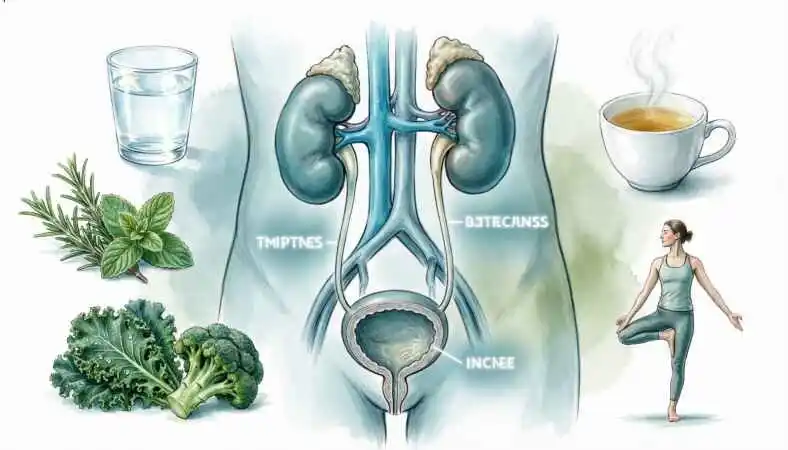
Before diving into disease, it helps to understand how a healthy bladder works. The kidneys produce urine and travels down two thin tubes called ureters into the bladder, where it is stored until voluntary release through the urethra. The bladder wall contains layers of specialized muscle (the detrusor) and a protective inner lining (urothelium) that shields the organ from the corrosive effects of urine.

Healthy bladder function depends on a delicate interplay of nerve signals, muscle coordination, pelvic floor strength, and a robust immune system. Disruption at any point in this chain — whether from bacteria, inflammation, structural abnormality, or malignant cell growth — can produce a bladder disease with its own distinct signature of symptoms.
Major Bladder Diseases: A Comprehensive Overview
1. Urinary Tract Infection (UTI)
A UTI occurs when bacteria — most commonly Escherichia coli from the bowel — colonise the urinary tract. When the infection is confined to the bladder, it is called cystitis; when it travels to the kidneys, it becomes pyelonephritis, a potentially serious condition. Women are disproportionately affected because their shorter urethra allows bacteria easier access to the bladder.
2. Interstitial Cystitis (IC) / Bladder Pain Syndrome
Interstitial cystitis is a chronic, debilitating condition characterized by recurring bladder pain, pressure, and discomfort accompanied by urinary urgency and frequency, often without any identifiable infection. The exact cause remains poorly understood, though theories point to a compromised bladder lining, nerve dysfunction, an autoimmune response, or a combination of these factors. IC affects an estimated 3–8 million women and 1–4 million men in the United States alone.
3. Overactive Bladder (OAB)
Overactive bladder is not a disease per se, but a syndrome defined by a sudden, compelling urge to urinate that is difficult to suppress. It may or may not be accompanied by urgency urinary incontinence (leakage). OAB affects roughly 33 million Americans and is caused by involuntary contractions of the detrusor muscle, even when the bladder contains little urine. It significantly impacts quality of life, disrupting sleep, work, travel, and social activities.
4. Bladder Stones (Vesical Calculi)
Bladder stones form when minerals in concentrated urine crystallize and harden in the bladder. They are more common in men and are often linked to conditions that prevent the bladder from emptying, such as benign prostatic hyperplasia (BPH) or neurogenic bladder. Small stones may pass naturally; larger ones cause significant pain, recurrent infections, and urinary obstruction.
5. Bladder Cancer
Bladder cancer is the tenth most common cancer worldwide. Approximately 90% of cases begin in the urothelial cells lining the bladder, hence the term urothelial (transitional cell) carcinoma. Risk factors include cigarette smoking (the single greatest risk factor), occupational exposure to aromatic amines in dyes and rubber manufacturing, chronic bladder inflammation, and certain chemotherapy drugs. Early-stage bladder cancer is highly treatable, making awareness of warning signs critically important.
6. Neurogenic Bladder
Neurogenic bladder describes a group of bladder dysfunctions caused by nerve damage from conditions such as spinal cord injury, multiple sclerosis, Parkinson’s disease, diabetes, or stroke. Depending on which nerves are affected, the bladder may become overactive (spastic) or underactive (flaccid), leading to incontinence, retention, or recurrent infections.
Recognizing the Warning Signs: Symptoms to Watch For
Bladder diseases share certain symptoms but also have distinct hallmarks. Knowing which symptoms belong to which condition can accelerate diagnosis and treatment. Here are the key warning signs:
Common Symptoms Across Bladder Conditions
- Dysuria — a burning or stinging sensation during urination
- Urinary frequency — the need to urinate more than 8 times in 24 hours
- Urgency — a sudden, compelling urge that is hard to delay
- Nocturia — waking two or more times per night to urinate
- Haematuria — blood in the urine (pink, red, or cola-colored)
- Pelvic or lower abdominal pain or pressure
- Incomplete bladder emptying or urinary retention
- Cloudy or foul-smelling urine
Red-Flag Symptoms Requiring Immediate Medical Attention
- Painless gross haematuria (visible blood without pain) — potential bladder cancer indicator
- High fever with flank pain and chills — possible kidney infection (pyelonephritis)
- Complete inability to urinate — acute urinary retention, a medical emergency
- Unintentional weight loss combined with urinary symptoms — possible malignancy
- Neurological symptoms alongside bladder dysfunction — possible spinal cord involvement
Never ignore blood in the urine. Haematuria is the most common presenting symptom of bladder cancer and must be investigated promptly, even if it occurs only once.
Diagnosis: How Doctors Investigate Bladder Disease
Accurate diagnosis is the cornerstone of effective bladder disease management. Your urologist or primary care physician will typically begin with a detailed history and physical examination, then proceed to targeted investigations depending on the suspected condition.
Urinalysis and Urine Culture
A urinalysis examines a urine sample for blood, protein, white blood cells, nitrites, and other markers of infection or disease. A urine culture identifies the specific bacteria causing an infection and determines antibiotic sensitivity, guiding targeted treatment.
Urine Cytology
Microscopic examination of urine cells can detect abnormal or malignant cells, making it a useful screening tool when bladder cancer is suspected. Cytology is often combined with other tests for a comprehensive assessment.
Imaging Studies
Ultrasound is the first-line imaging tool for visualizing bladder wall thickness, bladder stones, tumors, and post-void residual urine volume. CT urography (CTU) provides a detailed three-dimensional view of the entire urinary tract and is the gold standard for evaluating haematuria. MRI is valuable for staging bladder cancer and assessing pelvic structures.
Cystoscopy
Cystoscopy involves inserting a thin, flexible tube with a camera (cystoscope) through the urethra into the bladder, allowing direct visualization of the bladder lining. It is the definitive investigation for bladder cancer, IC, bladder stones, and structural abnormalities. Narrow-band imaging (NBI) and photodynamic cystoscopy (blue-light cystoscopy) enhance the detection of flat tumors and carcinoma in situ.
Urodynamic Studies
Urodynamic testing evaluates how well the bladder and urethra store and release urine. It includes measurements of bladder pressure, capacity, flow rate, and sphincter function — essential for diagnosing OAB, neurogenic bladder, and stress urinary incontinence.
Medical Treatments: Evidence-Based Approaches
Treating Urinary Tract Infections
Uncomplicated UTIs are typically treated with a short course (3–7 days) of oral antibiotics such as nitrofurantoin, trimethoprim-sulfamethoxazole, or Fosfomycin. Complicated UTIs, recurrent infections, or pyelonephritis may require fluoroquinolones or intravenous antibiotics and a longer treatment duration. With rising antibiotic resistance, culture-guided therapy is increasingly important.
Managing Interstitial Cystitis
IC has no single cure, and treatment is highly individualized. Options include oral medications (amitriptyline, pentosan polysulfate sodium, antihistamines), intravesical instillations (heparin, lidocaine, DMSO directly into the bladder), physical therapy focused on the pelvic floor, neuromodulation (sacral nerve stimulation), and, in severe, refractory cases, bladder augmentation surgery.
Controlling Overactive Bladder
Behavioral therapies — including bladder training, urgency suppression techniques, and pelvic floor muscle exercises — form the cornerstone of OAB management. Anticholinergic medications (oxybutynin, tolterodine, solifenacin) and the newer beta-3 agonist mirabegron reduce detrusor overactivity. Botulinum toxin A (Botox) injections into the bladder wall are highly effective for refractory OAB. Percutaneous tibial nerve stimulation (PTNS) and sacral neuromodulation (InterStim) offer surgical alternatives.
Removing Bladder Stones
Small stones may dissolve with increased fluid intake. Most bladder stones are removed cystoscopically using laser lithotripsy or mechanical crushing (cystolitholapaxy). Larger stones may require open surgery (cystolithotomy). Treating the underlying cause — such as BPH — is essential to prevent recurrence.
Treating Bladder Cancer
Non-muscle-invasive bladder cancer (NMIBC) is treated by transurethral resection of bladder tumor (TURBT) followed by intravesical immunotherapy with Bacillus Calmette-Guérin (BCG) to prevent recurrence. Muscle-invasive bladder cancer (MIBC) is typically treated with radical cystectomy (removal of the bladder) combined with neoadjuvant cisplatin-based chemotherapy. Immunotherapy (checkpoint inhibitors such as pembrolizumab and atezolizumab) has revolutionized the treatment of advanced and metastatic bladder cancer in recent years.
Natural Remedies: Harnessing Nature’s Pharmacy
Natural remedies and complementary strategies can play a meaningful supportive role alongside medical treatment, particularly for UTI prevention, IC symptom management, and OAB control. They are not replacements for evidence-based medicine, but many have robust scientific backing.
Cranberry (Vaccinium macrocarpon)
Cranberry’s most active compounds, proanthocyanidins (PACs), prevent E. coli from adhering to the bladder’s urothelial cells — the critical first step of infection. Multiple clinical trials support cranberry products (standardized supplements with 36 mg PACs daily, rather than juice with high sugar content) for reducing UTI recurrence, particularly in women with frequent infections.
D-Mannose
D-mannose is a naturally occurring sugar found in fruits such as cranberries and blueberries. Taken as a supplement (2 g daily), it binds E. coli in the urinary tract and facilitates their elimination in urine before they can establish a foothold in the bladder wall. A landmark randomized controlled trial published in the World Journal of Urology found D-mannose to be as effective as nitrofurantoin in preventing recurrent UTIs without antibiotic resistance concerns.
Probiotics: Lactobacillus Species
A healthy vaginal and gut microbiome dominated by Lactobacillus species naturally defends against uropathogen colonization. Oral or vaginal probiotic supplements (Lactobacillus rhamnosus GR-1 and Lactobacillus reuteri RC-14) have shown promise in reducing UTI recurrence, particularly in post-menopausal women. Probiotic-rich fermented foods like yoghurt, kefir, and kimchi also contribute positively.
Aloe Vera
Aloe vera’s anti-inflammatory and glycosaminoglycan-replenishing properties make it particularly interesting for interstitial cystitis. The supplement Desert Harvest Aloe Vera has been specifically studied in IC patients, with many reporting significant symptom reduction in uncontrolled studies. Its ability to soothe an irritated bladder lining makes it a popular adjunct among IC communities.
Quercetin
Quercetin is a bioflavonoid found abundantly in onions, apples, and green tea. Its potent anti-inflammatory and mast cell-stabilizing properties make it useful for both IC and general bladder inflammation. Clinical pilot studies have demonstrated statistically significant improvements in IC symptom scores with quercetin supplementation (500 mg twice daily).
Green Tea (Epigallocatechin Gallate)
The antioxidant EGCG in green tea has demonstrated antimicrobial, anti-inflammatory, and potentially anti-cancer properties relevant to bladder health. Regular green tea consumption has been associated in epidemiological studies with a reduced risk of bladder cancer, while green tea extract may help reduce OAB symptoms by relaxing the detrusor muscle.
Marshmallow Root (Althaea officinalis)
Marshmallow root contains mucilaginous compounds that coat and soothe inflamed mucous membranes, including the bladder lining. Traditionally used to relieve urinary burning and frequency, marshmallow root tea or tinctures are a gentle, low-risk adjunct for acute UTI discomfort and IC flares.
Corn Silk (Zea mays)
Corn silk — the silky threads of the corn cob — has been used in traditional medicine across Asia, Europe, and the Americas as a urinary tonic. It has mild diuretic, anti-inflammatory, and antimicrobial properties that may help flush the bladder and ease urinary symptoms associated with cystitis and OAB.
Lifestyle Changes: Building a Bladder-Friendly Life
Hydration: The Foundation of Bladder Health
Adequate hydration is the single most impactful lifestyle habit for bladder health. Drinking 6–8 glasses of water per day (approximately 1.5–2 liters) keeps urine dilute, flushes bacteria before they can colonize the bladder wall, and reduces the concentration of potential bladder irritants and carcinogens in urine. Paradoxically, people with OAB often restrict fluids, which actually worsens symptoms by producing more concentrated, irritating urine.
The IC Elimination Diet
Many bladder conditions, particularly interstitial cystitis and OAB, are highly sensitive to dietary triggers. Known bladder irritants include caffeine, alcohol, artificial sweeteners, carbonated beverages, citrus fruits and juices, tomatoes, spicy foods, and chocolate. An elimination diet — systematically removing and then reintroducing potential triggers — can help identify personal sensitivities and dramatically reduce symptom burden.
Pelvic Floor Training
Kegel exercises strengthen the pelvic floor muscles that support bladder control and continence. Performed correctly — contracting the muscles used to stop urination for 3–10 seconds, releasing, and repeating 10–15 times three times daily — Kegels are among the most evidence-based interventions for stress incontinence and OAB. Working with a specialist pelvic floor physiotherapist amplifies results significantly.
Bladder Retraining
Bladder retraining involves gradually extending the intervals between voiding to stretch the bladder’s functional capacity and break the cycle of urgency. Starting from your current voiding interval, you add 15 minutes per week until you reach a 3–4-hour interval. This technique, supported by cognitive strategies for urgency suppression, is highly effective for OAB and can reduce the frequency of episodes by 50–80%.
Weight Management
Excess weight increases intra-abdominal pressure, overloading the pelvic floor and contributing to stress urinary incontinence and OAB. Even a 5–10% reduction in body weight has been shown in clinical trials to significantly reduce incontinence episodes. A diet rich in fiber, lean protein, and anti-inflammatory foods supports both weight management and bladder health.
Smoking Cessation: Non-Negotiable for Bladder Cancer Prevention
Cigarette smoking is responsible for approximately 50% of all bladder cancer cases in men and 30% in women. Carcinogens absorbed from cigarette smoke are excreted in urine, creating prolonged contact with the bladder wall. Quitting smoking is the most powerful single action anyone can take to reduce their bladder cancer risk — and the benefits begin accumulating immediately upon cessation.
Hygiene and Urinary Habits
Simple hygiene practices substantially reduce UTI risk: always wiping front to back after a bowel movement, urinating after sexual intercourse to flush bacteria from the urethra, avoiding holding urine for extended periods, and choosing showering over bathing. Women should avoid vaginal douches, harsh soaps, and scented feminine hygiene products that disrupt the protective vaginal microbiome.
Stress Management and Mind-Body Connection
Chronic stress activates the sympathetic nervous system and triggers mast cell degranulation in the bladder wall — a process believed to contribute to IC flares and OAB exacerbations. Mind-body practices such as mindfulness meditation, yoga, diaphragmatic breathing, and cognitive behavioral therapy (CBT) have demonstrated meaningful improvements in bladder pain and urgency scores in clinical studies.
Preventive Care: Protecting Your Bladder for Life
Prevention is far preferable to treatment, and many bladder diseases are substantially preventable with the right strategies:
- Stay well hydrated throughout the day — aim for pale yellow urine as your guide
- Do not smoke — and avoid secondhand smoke where possible
- Maintain a healthy weight through a balanced diet and regular physical activity
- Practice pelvic floor exercises throughout adult life, not just when symptoms appear
- Complete any prescribed antibiotic course in full to prevent resistant infections
- Schedule regular urological check-ups if you have risk factors for bladder cancer
- Minimize occupational exposure to aromatic amines and chemical carcinogens
- Manage diabetes carefully — chronic high blood sugar damages nerves and predisposes to UTIs
- Report blood in the urine to your doctor without delay, regardless of other symptoms
- Stay physically active — exercise improves circulation, immune function, and pelvic floor tone
When to See a Doctor: Don’t Wait
While mild UTI symptoms in otherwise healthy young women may resolve with natural remedies, any of the following warrant prompt medical evaluation:
- Blood in the urine (even a single episode)
- UTI symptoms that do not improve within 48 hours of self-care
- Fever, chills, or back/flank pain with urinary symptoms
- Bladder pain or urgency lasting more than a few weeks
- Recurrent UTIs (3 or more per year)
- Difficulty urinating or a feeling of incomplete bladder emptying
- Any new urinary symptom in a person over 50
Conclusion: Your Bladder Deserves Better
The bladder is a remarkably resilient organ, but it is also a silent communicator. When something goes wrong, it speaks in the language of pain, urgency, and blood — signals we dismiss at our peril. Armed with the knowledge in this guide, you are now equipped to recognize those signals early, seek appropriate care without hesitation, and take proactive steps to keep your bladder healthy for the decades ahead.
Bladder health is not a niche medical topic reserved for the elderly or the unlucky. It is a fundamental dimension of whole-body wellness that intersects with your diet, hydration, lifestyle, stress levels, and microbiome. Every glass of water you drink, every cigarette you decline, and every Kegel exercise you complete is an investment in a healthier, more comfortable future.
Listen to your bladder. It is trying to tell you something worth hearing.
Frequently Asked Questions
🫀 UNDERSTANDING BLADDER DISEASES
Q1. What is the urinary bladder and why is it so vulnerable to disease?
The urinary bladder is a hollow, muscular organ in the pelvis that stores urine produced by the kidneys before it is voluntarily released through the urethra. Its vulnerability stems from its unique role as a long-term storage vessel for urine, which contains metabolic waste products, potential carcinogens, and bacterial toxins. The bladder’s inner lining — the urothelium — must defend against these substances continuously. Any breach in this protective layer, disruption of normal nerve signalling, bacterial invasion, or abnormal cell growth can trigger a bladder disease. Its proximity to the bowel, reproductive organs, and pelvic floor also means conditions in neighboring structures frequently affect it.
Q2. How common are bladder diseases, and which groups are most at risk?
Bladder diseases are extraordinarily prevalent. Urinary tract infections alone affect over 150 million people globally each year, making them among the most common bacterial infections worldwide. Overactive bladder affects roughly 33 million Americans. Interstitial cystitis is estimated to affect 3–8 million women and 1–4 million men in the US. Bladder cancer is the tenth most common cancer globally. Women are disproportionately affected by UTIs and interstitial cystitis due to their shorter urethra and hormonal factors, while men over 50 face higher risks of bladder stones and bladder cancer, particularly smokers and those with occupational chemical exposures.
Q3. What are the major types of bladder diseases covered in this guide?
This guide covers six major categories of bladder disease: Urinary Tract Infections (UTI/cystitis), which are bacterial infections of the bladder; Interstitial Cystitis (IC) / Bladder Pain Syndrome, a chronic inflammatory condition without identifiable infection; Overactive Bladder (OAB), characterised by involuntary detrusor muscle contractions causing urgency and frequency; Bladder Stones (vesical calculi), mineralised deposits forming inside the bladder; Bladder Cancer, most commonly urothelial (transitional cell) carcinoma of the inner lining; and Neurogenic Bladder, caused by nerve damage from conditions such as multiple sclerosis, spinal cord injury, or diabetes.
Q4. Can bladder diseases affect children, or are they predominantly adult conditions?
Bladder diseases certainly affect children, though patterns differ from adults. UTIs are among the most common bacterial infections in children, affecting approximately 8% of girls and 2% of boys before age 11. Recurrent childhood UTIs may indicate underlying structural abnormalities such as vesicoureteral reflux (backflow of urine toward the kidneys), which requires investigation. Overactive bladder and bedwetting (nocturnal enuresis) are common developmental issues in children. Bladder cancer is rare in children but does occur. Any child with recurrent urinary symptoms, unexplained fever, or abnormal urinalysis should be evaluated by a peadiatric urologist.
Q5. Is there a link between bladder diseases and kidney health?
Absolutely — the kidneys and bladder are directly connected as part of the same urinary system, and disease in one frequently impacts the other. An untreated lower urinary tract infection can ascend through the ureters to cause pyelonephritis (kidney infection), which can lead to permanent kidney scarring and, in severe cases, sepsis. Chronic bladder outlet obstruction (from an enlarged prostate or bladder stones) creates backpressure that damages kidney tissue over time. Neurogenic bladder, if poorly managed, can cause hydronephrosis — dangerous fluid accumulation in the kidneys. Monitoring kidney function through regular blood tests is therefore important in many chronic bladder conditions.
⚠️ SYMPTOMS & WARNING SIGNS
Q6. What is haematuria, and should I be alarmed every time I see blood in my urine?
Haematuria means blood in the urine and can be either gross (visible to the naked eye — pink, red, or cola-colored urine) or microscopic (detectable only on urinalysis). Any episode of gross haematuria, even if painless and occurring only once, must be evaluated promptly by a doctor. Painless gross haematuria is the most common presenting symptom of bladder cancer. Microscopic haematuria on a routine urine test also warrants further investigation. While blood in urine often has benign causes such as a UTI, kidney stone, or vigorous exercise, it must never be dismissed without a thorough work-up. Do not wait to see if it resolves on its own.
Q7. How do I tell the difference between a UTI and interstitial cystitis?
This is one of the most clinically important distinctions in urology, and it is frequently missed. Both conditions produce burning urination, urinary frequency, urgency, and pelvic discomfort. The critical difference is that a UTI is caused by bacteria and will test positive on a urine culture — and symptoms typically resolve within days of antibiotics. Interstitial cystitis involves no identifiable infection; urine cultures are negative, antibiotics provide no relief, and symptoms are chronic (lasting more than six weeks, often for years). If you have recurring UTI-like symptoms with consistently negative cultures, IC should be strongly suspected and a specialist referral sought.
Q8. What is nocturia, and when does it become a medical concern?
Nocturia is the need to wake from sleep to urinate. Waking once per night is common and generally not concerning in adults over 50. Waking two or more times per night is considered clinically significant and warrants investigation. Nocturia disrupts restorative sleep, impairs daytime functioning, increases fall risk in older adults, and is associated with cardiovascular disease, diabetes, and depression as both a cause and consequence. Bladder-related causes include OAB, IC, UTI, and large bladder capacity reduction. Non-bladder causes include heart failure, sleep apnoea, diabetes, and excessive evening fluid or caffeine intake.
Q9. What symptoms specifically indicate bladder cancer rather than a benign condition?
The hallmark symptom of bladder cancer is painless gross haematuria — blood in the urine without any accompanying burning, urgency, or pain. This painlessness is precisely why it is so dangerous and why it is frequently dismissed or attributed to a UTI without investigation. Other symptoms include urinary frequency, urgency, and dysuria that do not respond to antibiotics, as well as, in advanced disease, pelvic pain, back or flank pain, weight loss, fatigue, and swollen legs from lymphatic obstruction. Any person over 40 — particularly a current or former smoker — who notices blood in the urine should be referred for urgent cystoscopy.
Q10. Can stress and anxiety directly cause or worsen bladder symptoms?
Yes, and this connection is well established neurobiologically. The bladder is richly innervated and highly responsive to the autonomic nervous system. Chronic stress activates the sympathetic (‘fight or flight’) response and triggers mast cell degranulation in the bladder wall — a process central to interstitial cystitis flares. Psychological stress is one of the most consistently reported IC flare triggers. In OAB, anxiety amplifies urgency signals from the bladder to the brain. Conversely, bladder symptoms themselves cause significant anxiety, depression, and social isolation, creating a vicious cycle. Mind-body therapies are not complementary luxuries for bladder patients — they are clinically relevant interventions.
🔬 DIAGNOSIS & INVESTIGATION
Q11. What is a urinalysis and what does it actually measure?
A urinalysis is a multi-component urine test that examines the physical, chemical, and microscopic properties of urine. Physically, it assesses color, clarity, and concentration (specific gravity). Chemically, it uses a dipstick to detect the presence of blood, protein, glucose, ketones, bilirubin, nitrites (a bacterial marker), leukocyte esterase (a white blood cell marker indicating infection or inflammation), and pH. Microscopically, a spun sample is examined for red blood cells, white blood cells, bacteria, casts, and crystals. Urinalysis is the first-line investigation for virtually every bladder complaint and can provide critical diagnostic clues within minutes.
Q12. What is a cystoscopy, and is it a painful procedure?
Cystoscopy is a procedure in which a thin, flexible or rigid fibre-optic tube (cystoscope) is inserted through the urethra into the bladder, allowing direct visualization of the urethral and bladder lining. It is the gold-standard investigation for bladder cancer, interstitial cystitis, bladder stones, and structural abnormalities. Flexible cystoscopy — performed under local anasthetic gel — is generally well tolerated by most patients, with a sensation of pressure or mild discomfort rather than severe pain. Rigid cystoscopy in the operating theatre is performed under regional or general anasthesia and allows for simultaneous biopsy or treatment. Most patients describe the anticipation as far worse than the procedure itself.
Q13. What is CT urography and when is it used instead of an ultrasound?
CT urography (CTU) is a specialized CT scan that uses intravenous contrast dye to produce detailed three-dimensional images of the entire urinary tract — kidneys, ureters, and bladder — from multiple angles and at multiple phases of contrast excretion. It is considered the gold standard for the investigation of haematuria, providing superior sensitivity for detecting tumors, stones, structural abnormalities, and urothelial lesions compared to ultrasound. Ultrasound is preferred as the initial, radiation-free, widely available investigation; CTU is deployed when ultrasound is inconclusive, when malignancy is suspected, or when comprehensive upper urinary tract evaluation is needed. CTU involves ionizing radiation and contrast, so benefits must be weighed against risks, particularly in younger patients.
Q14. What are urodynamic studies, and who needs them?
Urodynamic studies are a set of tests that measure how well the bladder and urethra perform their dual jobs of storing and releasing urine. They typically include cystometry (measuring bladder pressure and capacity as it fills), uroflowmetry (measuring urine flow rate and pattern), pressure-flow studies, and electromyography of the sphincter muscles. They are indicated when the clinical picture is complex or the diagnosis is uncertain — for example, in OAB that has not responded to standard treatment, neurogenic bladder, mixed incontinence (both urgency and stress), voiding dysfunction, or before surgical incontinence procedures. The results guide targeted, personalized treatment decisions.
Q15. Can a bladder disease be mistakenly diagnosed as something else, and what are the most common misdiagnoses?
Misdiagnosis in bladder disease is unfortunately common, particularly for interstitial cystitis. IC is frequently misdiagnosed as recurrent UTI (because symptoms overlap and some GPs treat empirically with antibiotics without confirming infection on culture), endometriosis (in women with pelvic pain), irritable bowel syndrome, or even anxiety. OAB is sometimes attributed purely to ageing when underlying treatable causes are present. Early bladder cancer may be dismissed as a UTI when haematuria is not investigated urgently. Pelvic inflammatory disease and prostatitis can mimic bladder conditions. If symptoms persist despite treatment, always seek a specialist opinion rather than accepting a diagnosis that does not fit the clinical picture.
💊 MEDICAL TREATMENTS
Q16. Why are antibiotics sometimes ineffective for treating UTIs, and what should I do if they don’t work?
Antibiotic resistance is a growing global crisis in UTI management. E. coli and other uropathogens have developed resistance to many commonly prescribed antibiotics, including trimethoprim-sulfamethoxazole and fluoroquinolones, through overuse and inappropriate prescribing. If antibiotics fail to resolve a UTI, the cause may be antibiotic resistance, a resistant organism, incorrect antibiotic choice, an untreated complicating factor (such as a kidney stone or structural abnormality), or — critically — an incorrect diagnosis where the symptoms are caused by IC rather than a bacterial infection. A urine culture and sensitivity test is essential to identify the specific organism and its antibiotic sensitivities, enabling targeted rather than empirical treatment.
Q17. What is BCG therapy for bladder cancer, and how does it work?
Bacillus Calmette-Guérin (BCG) therapy is an intravesical immunotherapy — a biological treatment instilled directly into the bladder — used after surgical removal of non-muscle-invasive bladder cancer (NMIBC) to prevent tumor recurrence and progression. BCG is a live-attenuated strain of Mycobacterium bovis (the same organism used in the tuberculosis vaccine) that provokes a powerful local immune response in the bladder wall, activating T-cells and natural killer cells that destroy residual cancer cells. It is one of the oldest and most effective cancer immunotherapies in use, reducing recurrence rates by approximately 30–40% compared to surgery alone. Side effects include bladder irritation, flu-like symptoms, and, rarely, systemic BCG infection.
Q18. How does Botox (botulinum toxin) treat overactive bladder?
Botulinum toxin A (Botox) is injected cystoscopically into multiple sites in the bladder wall muscle (detrusor) in a 20–30 minute outpatient procedure. It works by blocking the release of acetylcholine at the neuromuscular junction, reducing the involuntary detrusor contractions responsible for OAB urgency and urge incontinence. Effects typically begin within 1–2 weeks and last 6–12 months, after which the procedure can be repeated. Clinical trials show Botox reduces urgency incontinence episodes by approximately 50% in patients who have not responded to oral medications. The main risk is temporary urinary retention (inability to empty the bladder fully), occurring in about 5–10% of patients, for which self-catheterisation may be temporarily required.
Q19. What is sacral neuromodulation, and who is a candidate for it?
Sacral neuromodulation (SNM), marketed as InterStim, is an implantable device that delivers mild electrical stimulation to the sacral nerves (S3) — the primary nerve roots controlling bladder and pelvic floor function. By modulating abnormal nerve signals between the bladder and brain, SNM significantly reduces urgency, frequency, urgency incontinence, and in some cases urinary retention. It is indicated for patients with OAB, urgency incontinence, or non-obstructive urinary retention who have not responded adequately to behavioral therapy and medications. Candidates undergo a percutaneous nerve evaluation (PNE) trial period first; if symptoms improve by at least 50%, the permanent device is implanted. It is reversible and adjustable.
Q20. What treatment options exist for interstitial cystitis, given that there is no cure?
IC management is highly individualised because no single treatment works for everyone, and it typically requires a multimodal approach. First-line options include dietary modification (eliminating bladder irritants), pelvic floor physiotherapy (especially for hypertonic pelvic floor dysfunction), stress management, and oral medications such as pentosan polysulfate sodium (Elmiron), amitriptyline, hydroxyzine, or cimetidine. For more refractory cases, intravesical instillations — solutions of heparin, lidocaine, and/or dimethyl sulfoxide (DMSO) — are instilled directly into the bladder via catheter. Cystoscopic hydrodistension provides temporary relief in some patients. Sacral neuromodulation and, in very severe refractory cases, major reconstructive surgery (augmentation cystoplasty) are options when conservative measures fail.
🌿 NATURAL REMEDIES
Q21. Does cranberry juice actually prevent UTIs, or is it just a myth?
The evidence is more nuanced than either enthusiasts or sceptics suggest. Cranberry juice in the quantities typically consumed (one glass daily) contains insufficient concentrations of the active anti-adhesion compounds (proanthocyanidins or PACs) to be reliably effective and often contains large amounts of sugar that may worsen bladder irritation in IC patients. Standardised cranberry supplements delivering at least 36 mg of PACs daily have demonstrated more consistent evidence for reducing UTI recurrence in women prone to frequent infections. Cranberry is not an antibiotic — it cannot treat an active infection — but it may reduce the frequency of recurrence as a preventive measure.
Q22. What is D-Mannose and how is it different from cranberry for UTI prevention?
D-mannose is a naturally occurring simple sugar structurally similar to glucose, found in fruits including cranberries and blueberries. Unlike cranberry PACs, which work by preventing bacterial adhesion through one mechanism, D-mannose works by flooding the urinary tract with a preferred binding target for E. coli. The bacteria attach to D-mannose molecules rather than the bladder wall cells and are then flushed out in urine before they can establish a colony. A well-cited randomised controlled trial in the World Journal of Urology found D-mannose powder (2 g daily in water) as effective as nitrofurantoin for preventing recurrent UTIs — without promoting antibiotic resistance. It is particularly useful for people with frequent, E. coli-driven UTIs.
Q23. Are probiotics genuinely beneficial for bladder health?
The evidence for probiotics in bladder health is growing but still evolving. The female urinary tract has its own distinct microbiome, and disruption of this community — through antibiotics, hormonal changes, or poor diet — appears to increase UTI susceptibility. Specific strains, particularly Lactobacillus rhamnosus GR-1 and Lactobacillus reuteri RC-14, administered orally or vaginally, have shown evidence in multiple trials for reducing UTI recurrence, especially in post-menopausal women. Probiotics support the restoration of a protective Lactobacillus-dominant vaginal environment that naturally inhibits uropathogen colonisation. Including probiotic-rich fermented foods — live-culture yoghurt, kefir, kimchi, sauerkraut — alongside targeted supplements offers a practical combined approach.
Q24. Can herbal remedies like marshmallow root and corn silk actually help bladder symptoms?
Both marshmallow root and corn silk have legitimate ethnobotanical traditions and emerging scientific rationales for their use in bladder conditions. Marshmallow root (Althaea officinalis) contains mucilaginous polysaccharides that form a soothing coating on inflamed mucous membranes including the bladder lining, potentially reducing the burning and urgency associated with cystitis and IC flares. It is consumed as a cold-infusion tea for best effect. Corn silk (Zea mays stigmata) has mild diuretic, anti-inflammatory, and antimicrobial properties documented in preclinical studies, and has been used across multiple traditional medicine systems as a urinary tonic. While robust clinical trials are limited, both remedies are low-risk and may provide symptomatic comfort alongside medical treatment.
Q25. What role does quercetin play in bladder health, and how much should I take?
Quercetin is a flavonoid antioxidant found abundantly in capers, onions, apples, kale, broccoli, and green tea. Its mechanisms relevant to bladder health include potent anti-inflammatory activity (inhibiting NF-κB and COX-2 pathways), mast cell stabilization (relevant to IC, where mast cells are chronically activated in the bladder wall), and inhibition of inflammatory neuropeptide release. A clinical pilot study published in the journal Urology demonstrated statistically significant improvements in pain and urgency scores in IC patients taking a quercetin-containing supplement (500 mg quercetin twice daily). Dietary quercetin from whole foods is beneficial and safe; supplement doses of 500–1,000 mg daily are commonly used but should be discussed with a healthcare provider, particularly if taking blood-thinning medications.
🧘 LIFESTYLE CHANGES & PREVENTION
Q26. How much water should I drink daily for optimal bladder health?
The standard recommendation of 6–8 glasses (approximately 1.5–2 litre) of water per day is a reasonable starting point for most adults, adjusted upward for heat, physical activity, and body size. Adequate hydration keeps urine dilute, flushes bacteria before they can colonize the bladder wall, and reduces the concentration of potential urinary irritants and carcinogens in contact with the bladder lining. The color of your urine is your best real-time guide: pale straw yellow indicates good hydration; dark yellow or amber indicates you need to drink more. Paradoxically, many OAB and IC patients restrict fluids to reduce toilet visits — this backfires, producing concentrated urine that is itself more irritating and worsens symptoms.
Q27. What foods and drinks are known to irritate the bladder, and should I avoid them all?
Known bladder irritants include caffeine (coffee, tea, energy drinks, cola), alcohol, artificial sweeteners (aspartame, saccharin), carbonated beverages, citrus fruits and juices, tomatoes and tomato-based products, spicy foods, chocolate, and high-vitamin-C supplements in large doses. However, bladder sensitivity varies significantly between individuals — not everyone with IC or OAB is triggered by the same foods. An elimination diet approach is most effective: remove all common irritants for 2–4 weeks, then systematically reintroduce them one at a time to identify your personal triggers. Eliminating all of them permanently without testing individual sensitivity is unnecessarily restrictive and may compromise nutrition.
Q28. What are Kegel exercises, how do I perform them correctly, and how long before I see results?
Kegel exercises strengthen the pubococcygeus and other pelvic floor muscles that form the supportive hammock beneath the bladder and urethra. To perform them correctly, identify the target muscles by imagining you are stopping the flow of urine midstream — the muscles you engage are the ones to exercise. Contract them for 3–10 seconds, fully relax for an equal duration, and repeat 10–15 times per set, three sets daily. Common mistakes include holding the breath, clenching the abdomen or buttocks, or using the wrong muscles entirely. Results typically emerge at 6–12 weeks of consistent daily practice. A pelvic floor physiotherapist can provide biofeedback to ensure correct technique and dramatically accelerate progress.
Q29. How significantly does smoking increase bladder cancer risk, and does quitting help?
Smoking is the single most powerful modifiable risk factor for bladder cancer, responsible for approximately 50% of all bladder cancer cases in men and 30% in women — a staggering attributable risk. Cigarette smoke contains aromatic amines and other carcinogens that are absorbed into the bloodstream, filtered by the kidneys, and concentrated in urine, creating sustained high-concentration contact with the bladder wall during storage. Current smokers have a two to three times higher bladder cancer risk than non-smokers. Quitting smoking reduces this risk progressively — former smokers who have been smoke-free for more than 10 years approach (but do not fully reach) the risk level of never-smokers. Quitting is the single most impactful bladder cancer prevention strategy available.
Q30. Does pelvic floor physiotherapy really help bladder conditions, and how do I find a qualified therapist?
