
Table of Contents
The Muscle Group Holding Up More of Your Body Than You Realize, and Almost Nobody Trains Correctly
The pelvic floor supports your organs, controls continence, and shapes core stability and sexual health, yet most people only think about it after something goes wrong. Here is what it actually does and how to genuinely take care of it.
The Muscle Group Everyone Has and Almost No One Discusses
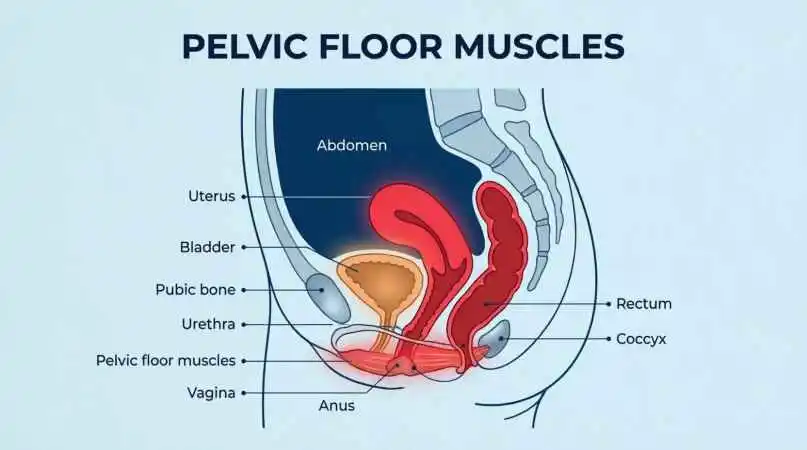
The pelvic floor is a hammock-shaped group of muscles and connective tissue stretching across the base of the pelvis, quietly performing several essential jobs every single day without ever entering conscious thought until something goes wrong. It supports the bladder, bowel, and, in people with a uterus, the uterus itself, controls the release of urine and stool, contributes meaningfully to core stability and posture, and plays a direct role in sexual function and sensation.
Despite this broad, foundational role, the pelvic floor remains one of the least discussed and least understood muscle groups in mainstream fitness and health conversation, often addressed only in the specific context of postpartum recovery, and even then frequently reduced to a single, oversimplified piece of advice: do more Kegels. That advice, as this piece explains, is not even reliably correct for everyone, making a clearer, more complete understanding of pelvic floor function genuinely useful for far more people than currently have it.
The Basic Anatomy Worth Understanding
The pelvic floor consists of multiple layers of muscle and connective tissue spanning from the pubic bone at the front to the tailbone at the back, and side to side between the two sitting bones. These muscles wrap around the urethra, and, in people with a vagina, the vaginal canal, as well as the rectum, forming a supportive base that keeps the pelvic organs properly positioned against the constant downward pull of gravity and the pressure generated during everyday activities like coughing, lifting, and even standing upright.

Functionally, the pelvic floor works as part of a coordinated system alongside the diaphragm, the deep abdominal muscles, and the muscles surrounding the spine, often referred to collectively as the “core,” a term that in proper anatomical usage extends well beyond the visible abdominal muscles most people picture. This means pelvic floor function is closely, mechanically linked to breathing patterns, posture, and overall core stability rather than operating as an isolated, separate structure.
What the Pelvic Floor Actually Does All Day
The most widely recognized pelvic floor function is continence, the ability to control the release of urine and stool, achieved through the muscles’ ability to contract and maintain closure around the urethra and rectum until a voluntary decision is made to release. This continence function depends on the pelvic floor being able to both contract with adequate strength and relax fully and completely when appropriate, a two-way capability that matters as much as raw strength alone.
Beyond continence, the pelvic floor provides structural support for the pelvic organs, helps stabilize the pelvis and lower spine during movement and lifting, contributes to intra-abdominal pressure regulation during activities like breathing, coughing, and exercise, and plays a direct role in sexual arousal, sensation, and function for people of all sexes, a genuinely broad functional portfolio for a muscle group that receives comparatively little dedicated attention in most general fitness or health education.
Why Pelvic Floor Health Matters for Everyone, Not Just Postpartum Women
Pelvic floor health is most commonly discussed in the context of pregnancy and childbirth, and for good reason, since pregnancy and vaginal delivery place substantial, direct strain on these muscles and surrounding tissue. However, pelvic floor dysfunction affects a considerably broader population than this narrower framing suggests, including men, particularly following prostate surgery, which can significantly affect pelvic floor and continence function, older adults of all sexes as pelvic floor muscles, like other muscle groups, can weaken with age and reduced activity, and athletes engaged in high-impact sports, where repeated impact forces can contribute to pelvic floor strain over time.
Chronic constipation, chronic coughing from conditions like asthma or smoking, obesity, and heavy lifting without proper technique are all additional, non-pregnancy-related factors that place meaningful strain on the pelvic floor over time, meaning pelvic floor health deserves consideration as a component of general health maintenance for a much broader population than the postpartum-specific framing it most commonly receives in public health messaging.
Pelvic floor dysfunction is not just a postpartum issue; it affects men, athletes, and older adults just as directly, if considerably less discussed.
The Two Very Different Kinds of Pelvic Floor Dysfunction
A crucial and frequently misunderstood point about pelvic floor dysfunction is that it can involve either muscles that are too weak or muscles that are too tight, two genuinely opposite problems that require entirely different, sometimes directly opposing, approaches to address effectively. Weak, underactive pelvic floor muscles are commonly associated with urinary incontinence, particularly stress incontinence, leaking with coughing, sneezing, or exercise, and a sensation of pelvic organ prolapse, a feeling of pressure or bulging.
Overly tight, hypertonic pelvic floor muscles, by contrast, can produce a distinctly different symptom profile, including pelvic pain, painful intercourse, difficulty fully emptying the bladder or bowel, and in some cases, a paradoxical experience of urinary urgency or leakage caused by muscles too tense to function normally rather than too weak. This distinction matters enormously in practice, since the standard advice to simply “do more Kegels,” a strengthening exercise, can actively worsen symptoms in someone whose underlying problem is excessive muscle tension rather than weakness.
The Kegel Exercise, Done Correctly
For genuinely weak pelvic floor muscles, Kegel exercises, named after the physician who popularized them, remain a well-supported, evidence-based intervention when performed correctly. A proper Kegel involves contracting the pelvic floor muscles, the same muscles used to stop the flow of urine midstream, though this should only be used as an identification technique rather than a regular practice method, holding the contraction for several seconds, then fully and completely releasing before repeating.
Common execution mistakes include holding the breath during the contraction rather than breathing normally, engaging the surrounding glute and inner thigh muscles instead of isolating the pelvic floor specifically, and, perhaps most importantly, never fully releasing and relaxing the muscles between repetitions, a mistake that can contribute to the muscle tightness problem discussed above rather than building genuine functional strength through proper contraction and release cycling.
When Relaxation, Not Strengthening, Is the Actual Fix
For hypertonic, overly tight pelvic floor presentations, treatment generally centers on relaxation and downtraining rather than further strengthening, since adding more contraction work to already-tense muscles typically worsens rather than improves symptoms. Approaches used in this context often include diaphragmatic breathing techniques specifically designed to encourage full pelvic floor relaxation on the inhale, targeted stretching, and in many cases, specialized manual therapy performed by a trained pelvic floor physical therapist.
This is a major reason generic, one-size-fits-all pelvic floor advice, particularly the blanket recommendation to simply do more Kegels regardless of underlying presentation, can genuinely backfire, underscoring why a proper assessment by a qualified pelvic floor physical therapist, rather than self-diagnosis based on generic online advice, represents the more reliable path to an accurate diagnosis and an appropriately matched treatment approach for either presentation.
What Pelvic Floor Physical Therapy Actually Involves
Pelvic floor physical therapy is a specialized branch of physical therapy focused specifically on assessing and treating this muscle group, typically involving an internal and external physical assessment to accurately determine whether a patient’s specific presentation involves weakness, excessive tension, coordination difficulty, or some combination of these factors, since accurate assessment is essential before an appropriate, individually tailored treatment plan can be developed.
Treatment approaches commonly include targeted exercises specific to the individual’s diagnosed presentation, biofeedback techniques that provide real-time visual or auditory feedback on muscle activity to help patients learn to correctly contract or relax the muscles, which can be genuinely difficult to sense and control accurately without this kind of feedback, and, when appropriate, manual therapy techniques performed directly by the trained therapist to address specific areas of tension or dysfunction identified during assessment.
Pregnancy, Childbirth, and Postpartum Recovery
Pregnancy itself places substantial, sustained load on the pelvic floor over many months, independent of the specific method of delivery, given the combination of significantly increased weight, hormonal changes affecting connective tissue elasticity, and postural shifts that all occur over the course of a pregnancy. Vaginal delivery adds a further, direct mechanical strain during the birthing process itself, though cesarean delivery does not entirely eliminate pelvic floor strain, since the muscles have already been under sustained pregnancy-related load for months regardless of ultimate delivery method.
Postpartum pelvic floor recovery timelines vary considerably between individuals, and many healthcare systems now recommend or directly provide postpartum pelvic floor assessment as a standard part of postnatal care, reflecting growing clinical recognition that pelvic floor dysfunction following childbirth is both common and, importantly, treatable rather than something that must simply be tolerated indefinitely as an unavoidable, permanent consequence of having given birth.
Pelvic Floor Health in Men
While often overlooked in general health discussion, pelvic floor dysfunction affects a meaningful portion of men as well, most notably following prostate surgery, a procedure that can directly affect the muscles and nerves involved in urinary continence, making pelvic floor rehabilitation a standard, well-supported component of post-prostatectomy recovery protocols in many urology practices. Men can also experience hypertonic pelvic floor presentations, sometimes contributing to chronic pelvic pain syndromes that were historically, and often incorrectly, attributed primarily to prostate inflammation alone before pelvic floor muscle dysfunction was more widely recognized as a significant contributing factor.
The general under recognition of pelvic floor health as a men’s health issue specifically has meant that many men experiencing genuine pelvic floor dysfunction symptoms go undiagnosed or improperly treated for longer than necessary, a gap that specialized pelvic health providers and increasing clinical awareness have begun actively working to close in recent years.
Warning Signs Worth Taking Seriously
Certain symptoms warrant a conversation with a healthcare provider or a referral to a pelvic floor specialist rather than being dismissed as a normal, unavoidable part of aging, childbirth, or simply an embarrassing topic not worth raising. These include any involuntary leakage of urine or stool, a sensation of pelvic pressure, heaviness, or visible bulging suggestive of prolapse, persistent pelvic pain, and pain during sexual activity, all of which are common but, importantly, not something that must simply be tolerated indefinitely without treatment.
Because pelvic floor symptoms are frequently, and unfortunately, treated as embarrassing or minor by both patients and, at times, general healthcare providers not specifically trained in pelvic health, many people delay seeking treatment for years despite symptoms that a properly trained pelvic floor specialist could meaningfully improve, underscoring the value of treating these symptoms with the same seriousness given to any other persistent, functionally limiting physical symptom.
The Pelvic Floor and Exercise Programming
For people engaged in structured strength training or high-impact exercise, understanding how specific movement patterns interact with the pelvic floor can meaningfully inform safer programming. Heavy lifting performed with a held breath and significant downward bearing pressure, a technique called the Valsalva maneuver, generates substantial intra-abdominal pressure that the pelvic floor must adequately manage, and for individuals with existing pelvic floor weakness, this pressure can exceed what the muscles can currently support, contributing to symptoms during or after training.
This does not mean people with pelvic floor concerns need to avoid strength training or high-impact exercise altogether; rather, it typically means working with a knowledgeable trainer or pelvic floor physical therapist to appropriately scale intensity, incorporate proper breathing technique that supports rather than works against pelvic floor function, and progressively rebuild capacity, an approach considerably more sustainable and effective than either avoiding exercise entirely or pushing through without addressing the underlying pelvic floor consideration at all.
Building Pelvic Floor Awareness Into Daily Life
Beyond formal exercise or therapy, several everyday habits support overall pelvic floor health: maintaining regular bowel habits and avoiding chronic straining during bowel movements, using proper lifting technique that engages the core and legs rather than placing excessive downward pressure through the pelvis, addressing chronic coughing promptly rather than allowing it to persist untreated, and maintaining a healthy body weight, since excess weight places additional sustained pressure on pelvic floor structures over time.
Perhaps most importantly, simply developing basic body awareness of the pelvic floor, the ability to consciously identify, contract, and fully relax these muscles on command, represents a foundational skill worth developing for nearly everyone, given how directly this single muscle group influences continence, core function, and sexual health across an entire lifespan, rather than something to think about only after a specific problem has already developed.
Frequently Asked Questions
| Question | Answer |
| What is the pelvic floor? | It is a hammock-shaped group of muscles at the base of the pelvis that supports organs and controls continence. |
| What does the pelvic floor actually do? | It supports pelvic organs, controls urination and bowel movements, and contributes to core stability and sexual function. |
| Is pelvic floor health only relevant to women? | No, it is relevant to men as well, particularly following prostate surgery. |
| What is pelvic floor dysfunction? | It refers to the muscles being either too weak or too tight, causing various functional symptoms. |
| What causes weak pelvic floor muscles? | Pregnancy, childbirth, aging, chronic straining, and reduced activity can all contribute to weakness. |
| What causes a tight, hypertonic pelvic floor? | Chronic tension, stress, injury, or overtraining without proper relaxation can all contribute. |
| Are Kegel exercises always the right treatment? | No, they can worsen symptoms if the underlying issue is muscle tightness rather than weakness. |
| How do I know if I have a weak or tight pelvic floor? | A pelvic floor physical therapist can accurately assess and diagnose the specific presentation. |
| What is a pelvic floor physical therapist? | A specialized physical therapist trained to assess and treat pelvic floor muscle dysfunction. |
| What is biofeedback in pelvic floor therapy? | It is a technique providing real-time feedback to help patients learn to control pelvic floor muscles correctly. |
| Can men have pelvic floor dysfunction? | Yes, particularly after prostate surgery or due to chronic pelvic tension. |
| Does pregnancy always cause pelvic floor problems? | Not always, but pregnancy places significant strain on the pelvic floor regardless of delivery method. |
| Does a cesarean delivery avoid pelvic floor strain? | Not entirely, since pregnancy itself places sustained load on the pelvic floor before delivery. |
| What is pelvic organ prolapse? | It is when pelvic organs shift downward due to insufficient pelvic floor support. |
| What are common signs of pelvic floor dysfunction? | Leakage, pelvic pressure, pain during intercourse, and persistent pelvic pain are common signs. |
| How is a proper Kegel performed? | By contracting the pelvic floor muscles, holding briefly, and then fully releasing, without holding the breath. |
| Can pelvic floor dysfunction cause pain during sex? | Yes, particularly when the muscles are overly tight or hypertonic. |
| Is pelvic floor therapy only for postpartum recovery? | No, it addresses a wide range of pelvic floor issues across genders and life stages. |
| Can chronic coughing affect the pelvic floor? | Yes, repeated coughing places repeated strain on pelvic floor muscles over time. |
| Does obesity affect pelvic floor health? | Yes, excess weight places additional sustained pressure on pelvic floor structures. |
| Can athletes develop pelvic floor issues? | Yes, especially in high-impact sports involving repeated physical strain. |
| What is diaphragmatic breathing’s role in pelvic floor health? | It supports proper pelvic floor relaxation and coordinated core function. |
| Should I do Kegels without a diagnosis first? | It is generally better to get an assessment first, since Kegels are not appropriate for every presentation. |
| Can pelvic floor dysfunction improve with treatment? | Yes, many cases improve significantly with appropriate, individualized treatment. |
| Is leaking urine during exercise normal? | It is common but not something that must be permanently tolerated without treatment. |
| What role does posture play in pelvic floor health? | Posture affects core and pelvic floor coordination, influencing overall function. |
| Can stress affect the pelvic floor? | Yes, chronic stress can contribute to increased pelvic floor muscle tension. |
| How soon after childbirth should pelvic floor recovery begin? | Many healthcare systems recommend postpartum pelvic floor assessment as standard care. |
| Is pelvic floor awareness useful for people without symptoms? | Yes, understanding and maintaining pelvic floor function benefits long-term health broadly. |
| When should I see a specialist about pelvic floor symptoms? | Persistent leakage, pain, or pressure symptoms warrant evaluation by a healthcare provider. |
⚕️Medical Disclaimer:
The information provided on this website is for general educational and informational purposes only and is not intended as a substitute for professional medical advice, diagnosis, or treatment. Always seek the advice of your physician or other qualified health provider with any questions you may have regarding a medical condition. Never disregard professional medical advice or delay in seeking it because of something you have read on this website.
