
Table of Contents
The Cells Carrying Your Every Breath, and What Happens When They Malfunction
Red blood cells deliver oxygen to every tissue in the body billions of times a day. Here is what goes wrong when their number, shape, or function breaks down, and how each disorder is actually diagnosed and treated.
A Cell With One Job, and No Backup Plan
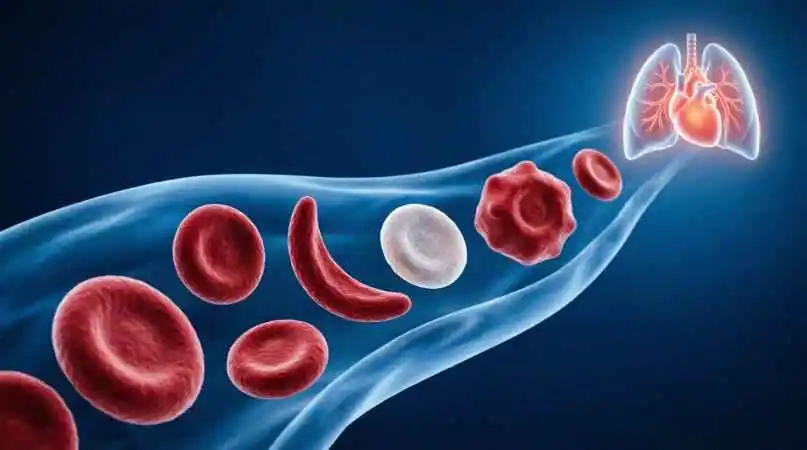
Red blood cells exist to do one thing extraordinarily well: carry oxygen from the lungs to every tissue in the body and carry carbon dioxide back for exhalation. A single red blood cell contains roughly 270 million molecules of hemoglobin, the iron-rich protein responsible for binding oxygen, and the average adult body produces around two million new red blood cells every second just to keep pace with the constant, ongoing turnover of a cell that lives for only about 120 days before being recycled.
Given how much depends on this single, highly specialized cell functioning correctly, it is not surprising that a wide range of distinct medical conditions can arise when red blood cell production, structure, or lifespan goes wrong. These conditions vary enormously in severity, from mild, easily corrected nutritional deficiencies to serious, lifelong genetic disorders, but they share a common thread: each one disrupts the body’s ability to deliver oxygen efficiently, with consequences that touch nearly every organ system. Understanding how these disorders differ, and why each requires a genuinely different diagnostic and treatment approach, starts with understanding how a red blood cell is supposed to work in the first place.
How Red Blood Cells Are Normally Made
Red blood cell production, called erythropoiesis, takes place primarily in the bone marrow and is regulated by a hormone called erythropoietin, produced mainly by the kidneys in response to low oxygen levels in the blood. This feedback system means the body continuously adjusts red blood cell production based on how much oxygen tissues are actually receiving, ramping up production during conditions like high-altitude living or chronic lung disease, and slowing production when oxygen delivery is already adequate.

Producing healthy red blood cells requires several essential raw materials, most notably iron, vitamin B12, and folate, each playing a distinct, non-interchangeable role in the process, which is precisely why deficiencies in any one of these specific nutrients produce their own distinct, recognizable type of anemia rather than a single, generic form of red blood cell dysfunction.
Anemia: The Umbrella Term Behind Most RBC Disorders
Anemia describes a condition in which the blood lacks enough healthy red blood cells, or enough functional hemoglobin within those cells, to adequately carry oxygen throughout the body, and it is by far the most common category of red blood cell disorder, affecting an estimated one-third of the global population in some form, though severity varies enormously. Anemia is not itself a single disease but rather a shared symptom and laboratory finding produced by many genuinely distinct underlying causes, which is why accurate diagnosis of the specific type matters considerably more than simply confirming anemia is present.
Common symptoms across most types of anemia include fatigue, pale skin, shortness of breath with exertion, dizziness, and cold hands and feet, all direct consequences of tissues throughout the body receiving less oxygen than they need, though the specific severity and additional symptoms can vary considerably depending on the underlying cause and how quickly the anemia developed.
Iron Deficiency Anemia: The Most Common Type Worldwide
Iron deficiency anemia is the most common form of anemia globally, occurring when the body lacks sufficient iron to produce adequate hemoglobin, since iron sits at the functional core of the hemoglobin molecule responsible for actually binding oxygen. Common causes include inadequate dietary iron intake, chronic blood loss from sources like heavy menstrual periods or gastrointestinal bleeding, and increased iron demand during pregnancy or periods of rapid growth in childhood.
Diagnosis typically involves blood tests showing low hemoglobin alongside specific markers of iron status, including ferritin, which reflects the body’s stored iron reserves. Treatment generally centers on oral iron supplementation and addressing any underlying cause of blood loss, with intravenous iron reserved for cases involving severe deficiency, poor tolerance of oral supplements, or ongoing malabsorption that prevents adequate oral iron uptake.
The most common blood disorder on the planet often comes down to something as fixable as not getting enough iron in the diet, or losing more than the body can replace.
Vitamin B12 and Folate Deficiency Anemia
Vitamin B12 and folate are both essential for proper DNA synthesis during red blood cell production, and deficiency in either nutrient produces a distinctive type of anemia called megaloblastic anemia, characterized by unusually large, immature red blood cells that are less effective at carrying oxygen. Vitamin B12 deficiency can result from inadequate dietary intake, particularly in strict vegan diets without supplementation, or from malabsorption conditions, including pernicious anemia, an autoimmune condition that specifically impairs the body’s ability to absorb dietary B12.
Folate deficiency can result from inadequate dietary intake, certain medications that interfere with folate metabolism, or increased demand during pregnancy. Unlike iron deficiency, vitamin B12 deficiency can also produce neurological symptoms, including numbness, tingling, and balance problems, if left uncorrected for an extended period, since B12 plays a separate, essential role in maintaining healthy nerve function independent of its role in red blood cell production.
Hemolytic Anemia: When Red Blood Cells Are Destroyed Too Quickly
Hemolytic anemia occurs when red blood cells are destroyed faster than the bone marrow can replace them, a fundamentally different mechanism than the production-limited anemias discussed above. Causes span a wide range, including autoimmune conditions in which the immune system mistakenly attacks the body’s own red blood cells, certain inherited red blood cell membrane or enzyme defects, mechanical destruction from artificial heart valves or other medical devices, and reactions to certain medications or infections.
Diagnosis typically involves blood tests showing elevated markers of red blood cell breakdown, including bilirubin and lactate dehydrogenase, alongside an elevated reticulocyte count reflecting the bone marrow’s compensatory effort to replace the cells being destroyed. Treatment depends heavily on the underlying cause, ranging from immunosuppressive medication for autoimmune hemolytic anemia to addressing or removing a specific triggering medication or underlying condition.
Sickle Cell Disease: A Structural Disorder With Wide-Reaching Effects
Sickle cell disease is an inherited genetic disorder caused by a mutation in the gene responsible for producing hemoglobin, resulting in an abnormal form called hemoglobin S that causes red blood cells to distort into a rigid, crescent or sickle shape under low-oxygen conditions, rather than maintaining their normal flexible, disc-like shape. These misshapen cells do not flow smoothly through small blood vessels the way normal red blood cells do, and can become lodged, blocking blood flow and causing episodes of severe pain called vaso-occlusive crises, along with increased risk of infection, stroke, and organ damage over time.
Sickle cell disease requires inheriting the sickle hemoglobin gene from both parents; inheriting it from only one parent produces sickle cell trait, which is generally asymptomatic under normal conditions but can still carry some health implications in specific circumstances, such as extreme physical exertion or very low oxygen environments. Management includes pain control during crises, medications like hydroxyurea that reduce the frequency of complications, blood transfusions in certain situations, and, increasingly, gene therapy approaches now approved or in advanced clinical trials that offer the potential for genuinely curative treatment.
Thalassemia: A Different Kind of Hemoglobin Problem
Thalassemia refers to a group of inherited disorders affecting hemoglobin production, but through a different mechanism than sickle cell disease: rather than producing an abnormally shaped hemoglobin molecule, thalassemia involves reduced or absent production of one of the normal protein chains that make up hemoglobin, resulting in fewer functional red blood cells and, in more severe forms, significant anemia requiring regular medical management.
Severity varies considerably depending on which specific hemoglobin chain is affected and how many of the relevant genes carry a mutation, ranging from mild, often unnoticed thalassemia trait to severe, transfusion-dependent thalassemia major requiring regular blood transfusions throughout life, alongside iron chelation therapy to manage the iron overload that repeated transfusions can cause over time, a genuine treatment complication requiring its own dedicated, ongoing management.
G6PD Deficiency: A Hidden Vulnerability to Specific Triggers
Glucose-6-phosphate dehydrogenase deficiency, commonly called G6PD deficiency, is an inherited enzyme deficiency affecting red blood cells’ ability to protect themselves against oxidative stress, leaving affected individuals vulnerable to sudden episodes of hemolytic anemia triggered by specific factors, including certain medications, infections, and exposure to fava beans, a well-documented and specifically named trigger significant enough to have given the condition its informal historical name, favism, in some populations.
Most people with G6PD deficiency experience no symptoms under normal circumstances and only develop a hemolytic episode when exposed to a specific triggering factor, which is why diagnosis often occurs only after an unexpected reaction to a new medication or illness, rather than through routine screening, except in regions or populations where G6PD deficiency is common enough to warrant newborn screening as standard practice.
Aplastic Anemia: When the Bone Marrow Stops Producing
Aplastic anemia is a rare but serious condition in which the bone marrow fails to produce adequate numbers of all three major blood cell types, red blood cells, white blood cells, and platelets, rather than affecting red blood cells in isolation, distinguishing it from most other conditions discussed in this piece. Causes include autoimmune destruction of bone marrow stem cells, exposure to certain toxic chemicals or radiation, certain viral infections, and in some cases, no identifiable cause at all, termed idiopathic aplastic anemia.
Because aplastic anemia affects all blood cell lines simultaneously, it produces a broader symptom picture than isolated red blood cell disorders, including increased infection risk from low white blood cell counts and increased bleeding risk from low platelet counts, alongside the fatigue and pallor associated with low red blood cell counts. Treatment can range from immunosuppressive therapy to bone marrow transplantation in more severe cases, reflecting the condition’s genuinely more serious overall risk profile compared to most other anemias discussed here.
Polycythemia: When There Are Too Many Red Blood Cells
While most red blood cell disorders involve too few functional cells, polycythemia describes the opposite problem: an abnormally elevated red blood cell count, which thickens the blood and can increase the risk of blood clots, stroke, and heart attack. Polycythemia vera is a rare bone marrow disorder involving a genetic mutation that causes excessive red blood cell production independent of the body’s normal regulatory signals, while secondary polycythemia results from an external cause, such as chronic low oxygen levels from lung disease or living at high altitude, that triggers the body to compensate by producing more red blood cells than needed at lower altitudes.
Treatment approaches differ significantly based on the underlying cause: polycythemia vera is generally managed with periodic therapeutic phlebotomy, removing blood to reduce cell count, alongside medications to control the underlying bone marrow overproduction, while secondary polycythemia is generally managed by addressing the underlying cause driving the compensatory overproduction in the first place.
How These Disorders Are Actually Diagnosed
The starting point for diagnosing nearly any red blood cell disorder is a complete blood count, commonly abbreviated CBC, which measures the number, size, and hemoglobin content of red blood cells, alongside white blood cell and platelet counts, providing an efficient initial screening tool that often narrows the likely category of disorder considerably before more specific testing begins.
Depending on the CBC findings, additional testing often follows, including a peripheral blood smear, in which a technician examines blood cells directly under a microscope to assess their shape and appearance, a reticulocyte count measuring how actively the bone marrow is producing new red blood cells, iron studies, vitamin B12 and folate levels, and, for suspected inherited disorders like sickle cell disease or thalassemia, specific hemoglobin electrophoresis testing or genetic testing to confirm a precise diagnosis.
How Treatment Approaches Differ Across These Conditions
The sheer diversity of red blood cell disorders discussed throughout this piece means treatment approaches vary just as widely, ranging from a simple dietary supplement correcting a nutritional deficiency in a matter of weeks, to lifelong disease management for an inherited hemoglobin disorder, to genuinely curative options like bone marrow transplantation or emerging gene therapy for select severe genetic conditions. This range underscores why an accurate, specific diagnosis matters so much more than simply identifying that a red blood cell problem exists in general terms.
For nutritional causes, iron, B12, and folate deficiencies, treatment is often straightforward and highly effective once the underlying cause is identified and addressed, frequently resolving the anemia completely within weeks to a few months of appropriate supplementation. Inherited structural and enzymatic disorders, by contrast, generally require ongoing, lifelong management focused on minimizing complications and improving quality of life, even as newer treatment approaches, particularly gene therapy for sickle cell disease, have begun offering the realistic possibility of a genuine cure for conditions that were, until recently, considered permanent and only manageable rather than treatable at their root cause.
When Symptoms Warrant a Doctor’s Visit
Persistent fatigue, unexplained pale skin, shortness of breath with activities that previously felt manageable, unusual bruising or bleeding, or recurrent jaundice, a yellowing of the skin or eyes that can indicate rapid red blood cell breakdown, all warrant medical evaluation rather than being dismissed as ordinary tiredness or stress. Given how many distinct, genuinely different conditions can produce overlapping symptoms, an accurate diagnosis generally requires laboratory testing rather than symptom description alone, making a healthcare provider evaluation the appropriate next step for anyone experiencing these symptoms rather than attempting to self-diagnose the specific underlying red blood cell disorder based on symptoms alone.
Frequently Asked Questions
| Question | Answer |
| What is the main function of red blood cells? | They transport oxygen from the lungs to tissues and carry carbon dioxide back for exhalation. |
| What is hemoglobin? | It is the iron-rich protein in red blood cells responsible for binding and carrying oxygen. |
| What is anemia? | It is a condition where the blood lacks enough healthy red blood cells or hemoglobin to carry adequate oxygen. |
| What is the most common type of anemia? | Iron deficiency anemia is the most common type worldwide. |
| What causes iron deficiency anemia? | Inadequate dietary iron, chronic blood loss, and increased iron demand are common causes. |
| What is megaloblastic anemia? | It is anemia caused by vitamin B12 or folate deficiency, resulting in abnormally large red blood cells. |
| What is pernicious anemia? | It is an autoimmune condition that impairs the body’s ability to absorb vitamin B12. |
| What is hemolytic anemia? | It occurs when red blood cells are destroyed faster than the bone marrow can replace them. |
| What is sickle cell disease? | It is an inherited disorder causing red blood cells to become rigid and crescent-shaped under low oxygen. |
| What is the difference between sickle cell disease and sickle cell trait? | Disease requires two copies of the gene mutation, while trait involves only one and is usually asymptomatic. |
| What is thalassemia? | It is an inherited disorder involving reduced production of specific hemoglobin protein chains. |
| What is G6PD deficiency? | It is an inherited enzyme deficiency that makes red blood cells vulnerable to specific triggers causing hemolysis. |
| What triggers hemolysis in G6PD deficiency? | Certain medications, infections, and fava bean consumption are known triggers. |
| What is aplastic anemia? | It is a rare condition where the bone marrow fails to produce adequate blood cells of all types. |
| What is polycythemia? | It is a condition involving an abnormally elevated red blood cell count. |
| What is polycythemia vera? | It is a rare bone marrow disorder causing excessive red blood cell production due to a genetic mutation. |
| What is secondary polycythemia? | It results from an external cause, such as chronic low oxygen, triggering increased red blood cell production. |
| What is a complete blood count? | It is a common blood test measuring red blood cells, white blood cells, and platelets. |
| What is a peripheral blood smear? | It is a test examining blood cells directly under a microscope to assess their shape and appearance. |
| What is a reticulocyte count? | It measures how actively the bone marrow is producing new red blood cells. |
| What symptoms are common across most anemias? | Fatigue, pale skin, shortness of breath, and dizziness are common shared symptoms. |
| How is iron deficiency anemia treated? | Oral iron supplementation and addressing the underlying cause of blood loss are standard treatments. |
| How is sickle cell disease treated? | Treatment includes pain management, hydroxyurea, transfusions, and increasingly, gene therapy. |
| How is thalassemia major managed? | It typically requires regular blood transfusions and iron chelation therapy to manage iron overload. |
| Can vitamin B12 deficiency cause nerve symptoms? | Yes, prolonged deficiency can cause numbness, tingling, and balance problems. |
| What causes autoimmune hemolytic anemia? | It occurs when the immune system mistakenly attacks and destroys the body’s own red blood cells. |
| How is polycythemia vera treated? | Treatment often includes therapeutic phlebotomy and medications to control bone marrow overproduction. |
| Is aplastic anemia the same as other anemias? | No, it affects all blood cell types, not just red blood cells, and is generally more serious. |
| When should someone see a doctor about possible red blood cell disorder symptoms? | Persistent fatigue, pale skin, breathlessness, or jaundice all warrant medical evaluation. |
| Can red blood cell disorders be inherited? | Yes, conditions like sickle cell disease, thalassemia, and G6PD deficiency are inherited genetic disorders. |
