
Table of Contents
The Invisible Empire: Unraveling the Complex World of Staphylococcus
The Science of Staphylococcus
It begins with a scratch. A mosquito bite that you itch until it breaks the skin. A small cut from a kitchen knife that you rinse under the tap and ignore. A nosy finger probing too deep into a nostril, or perhaps a handshake that transferred bacteria from a doorknob to your palm, and then to your face. In these mundane, everyday moments, a microscopic empire begins its expansion. It is an empire that does not require castles or armies of soldiers, but rather relies on rapid division, chemical warfare, and silent infiltration. It is an empire that lives on your skin, in your nose, in the air you breathe, and sometimes, if you are unlucky, in your bloodstream. This is the world of Staphylococcus.
If you have ever had a pimple that turned into a boil, a wound that refused to heal and filled with pus, or a stomach bug that struck after a picnic, you have likely encountered the Staphylococcus genus. It is one of the most common, yet one of the most misunderstood, groups of bacteria on Earth. It is both a resident friend and a deadly foe. It is part of the normal flora of healthy humans, yet it is the primary cause of serious hospital-acquired infections. It is ubiquitous, resilient, and increasingly difficult to kill. To understand Staphylococcus is to understand the delicate balance of human health. It is a story of evolution, resistance, and survival. It is a tale of how a microscopic organism has outsmarted some of humanity’s greatest weapons, including penicillin, and how it continues to adapt in an age of antibiotics. This blog post will take you on a deep dive into the biology, the pathology, the history, and the future of Staphylococcus. We will explore the difference between the harmless Staphylococcus epidermidis and the notorious Staphylococcus aureus. We will examine what MRSA is, why it is so dangerous, and how it emerged. We will look at the toxins that cause food poisoning and toxic shock syndrome. And we will discuss how modern medicine is fighting back with new antibiotics, vaccines, and phage therapy. So, put on your mental microscope. Let us zoom in. Let us enter the microscopic empire of Staphylococcus.
The Biology of a Survivor: What is Staphylococcus?
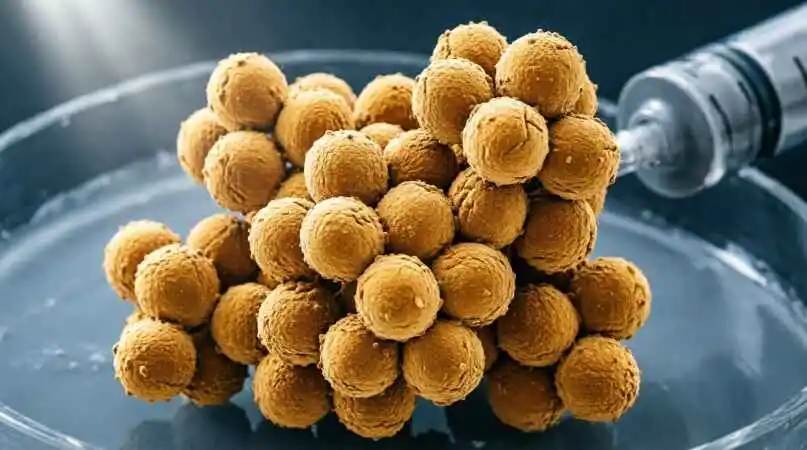
The name Staphylococcus comes from the Greek words staphylē (meaning “bunch of grapes”) and kokkos (meaning “berry” or “grain”). This description is apt, as when these bacteria are viewed under a microscope, they often appear in clusters that resemble bunches of grapes. They are spherical in shape, known as cocci, and they divide in multiple planes, which leads to the formation of these characteristic clusters. Unlike streptococci, which divide in single planes and form chains, staphylococci form irregular clusters. These bacteria are Gram-positive, meaning they have a thick peptidoglycan layer in their cell wall that retains the crystal violet stain used in the Gram staining process. They are non-spore-forming, which means they do not produce the highly resistant endospores that Bacillus or Clostridium species do. However, they are incredibly hardy. They can survive in dry environments for months, tolerate high salt concentrations (up to 10-15% NaCl), and withstand a wide range of temperatures. Staphylococcus bacteria are facultative anaerobes. This means they can survive with or without oxygen. In the presence of oxygen, they perform aerobic respiration, which is efficient. In the absence of oxygen, they switch to fermentation, allowing them to survive in wounds, abscesses, or other low-oxygen environments. This metabolic flexibility is a key factor in their success as pathogens.
The most well-known species is Staphylococcus aureus. It is named for the golden pigment (staphyloxanthin) it often produces on culture media. S. aureus is a major human pathogen, capable of causing everything from minor skin infections to life-threatening sepsis. Another important species is Staphylococcus epidermidis, which is part of the normal skin flora and is generally harmless. However, S. epidermidis has become a significant cause of infections associated with medical devices, such as catheters and prosthetic joints, because it is excellent at forming biofilms. Other species include Staphylococcus lugdunensis, which can cause aggressive endocarditis similar to S. aureus, and Staphylococcus pseudintermedius, which is a common pathogen in dogs and can be transmitted to humans.

The Harmless Resident: Staphylococcus epidermidis
To understand the danger of Staphylococcus aureus, one must first appreciate the quiet life of Staphylococcus epidermidis. It is the most common bacterium found on human skin. It is present on the skin of nearly all adults. In fact, it is one of the first bacteria to colonize a newborn’s skin shortly after birth. For the most part, it is a benevolent neighbor. It competes with other bacteria for space and nutrients, effectively keeping potential pathogens at bay. It produces antimicrobial peptides that inhibit the growth of other microbes. It is a guardian of the skin barrier. However, S. epidermidis has a dark side, revealed primarily in the hospital setting. It is the leading cause of infections associated with indwelling medical devices. Why? Because it is a master of biofilm formation. When S. epidermidis encounters a foreign surface, such as a plastic catheter or a titanium joint replacement, it secretes a slimy matrix of polysaccharides and proteins. This biofilm acts as a shield, protecting the bacteria from the host’s immune system and from antibiotics. The biofilm makes it incredibly difficult for antibiotics to penetrate and kill the bacteria, leading to chronic, persistent infections that often require the removal of the medical device.
The Aggressor: Staphylococcus aureus
If S. epidermidis is the quiet neighbor, Staphylococcus aureus is the charismatic but dangerous celebrity. It is found in about 30% of the human population as a commensal organism, meaning it lives harmlessly in the nose and on the skin. However, when it gains entry to deeper tissues or the bloodstream, it becomes a formidable pathogen. S. aureus is equipped with a vast arsenal of virulence factors. It produces coagulase, an enzyme that clots plasma, which helps to wall off the infection and protect the bacteria from immune cells. It produces hemolysins, which destroy red blood cells, providing nutrients and causing tissue damage. It produces leukocidins, which kill white blood cells, disabling the immune system’s first line of defense. It produces proteases, which break down tissues, allowing the bacteria to spread. And it produces superantigens, which trigger a massive, uncontrolled immune response, leading to toxic shock syndrome.
- aureus is responsible for a wide range of infections. At the mild end of the spectrum, it causes folliculitis (inflammation of hair follicles), furuncles (boils), and carbuncles (clusters of boils). It causes impetigo, a highly contagious skin infection common in children. It causes cellulitis, a deeper skin infection that can spread rapidly if not treated. It can infect wounds, causing them to become red, swollen, and filled with pus. At the severe end of the spectrum, S. aureus causes pneumonia, osteomyelitis (bone infection), endocarditis (infection of the heart valves), and sepsis (blood poisoning), which can be fatal. It is also a common cause of hospital-acquired infections, particularly in patients with weakened immune systems or those undergoing surgery.
The Rise of the Superbug: MRSA
Perhaps the most famous strain of Staphylococcus aureus is Methicillin-Resistant Staphylococcus aureus (MRSA). MRSA is a strain of S. aureus that has become resistant to many common antibiotics, including methicillin, penicillin, and amoxicillin. MRSA was first identified in the 1960s, just a few years after the widespread introduction of methicillin. It emerged because the bacteria evolved a new gene, mecA, which codes for an altered penicillin-binding protein (PBP2a). This altered protein has a low affinity for beta-lactam antibiotics, meaning the antibiotics can no longer bind to the bacteria and disrupt cell wall synthesis. As a result, the bacteria continue to grow and divide even in the presence of these drugs.
MRSA exists in two main forms: Healthcare-Associated MRSA (HA-MRSA) and Community-Associated MRSA (CA-MRSA). HA-MRSA is typically found in hospitals and long-term care facilities. It tends to affect patients who are already sick, have weakened immune systems, or have invasive devices like catheters. CA-MRSA, on the other hand, is found in the community and often affects healthy people. It is particularly virulent and can cause severe skin infections, pneumonia, and sepsis. CA-MRSA strains often carry the Panton-Valentine leukocidin (PVL) gene, which produces a toxin that destroys white blood cells, leading to severe tissue necrosis.
The rise of MRSA is a classic example of evolutionary pressure. The widespread use of antibiotics in medicine and agriculture has created an environment where only the resistant bacteria survive and reproduce. MRSA is now a global health crisis, causing significant morbidity and mortality and increasing healthcare costs. Treating MRSA infections requires more expensive and potentially toxic antibiotics, such as vancomycin or daptomycin. In some cases, the bacteria have developed resistance to these last-resort drugs, leading to the emergence of Vancomycin-Resistant Staphylococcus aureus (VRSA) and Vancomycin-Intermediate Staphylococcus aureus (VISA).
The Toxin Factory: Food Poisoning and Toxic Shock
One of the most immediate and unpleasant effects of Staphylococcus is food poisoning. Staphylococcus aureus produces enterotoxins, which are heat-stable toxins that cause vomiting and diarrhea. The bacteria are often introduced into food through human contact, such as handling food with unwashed hands or coughing on it. Foods that are commonly associated with S. aureus food poisoning include meats, salads, dairy products, and pastries. The bacteria multiply in the food, and when the food is consumed, the pre-formed toxins cause symptoms within 1 to 6 hours. The illness is usually self-limiting and resolves within 24 to 48 hours, but it can be severe, especially in young children, the elderly, and those with compromised immune systems.
Another toxin-mediated disease is Toxic Shock Syndrome (TSS). TSS is a rare but life-threatening condition caused by the production of Toxic Shock Syndrome Toxin-1 (TSST-1) by certain strains of S. aureus. TSST-1 is a superantigen, which means it can activate a large number of T-cells simultaneously, leading to a massive release of cytokines. This cytokine storm causes fever, rash, low blood pressure, and multi-organ failure. TSS was first recognized in the 1980s in young women using high-absorbency tampons. The tampons created an environment that allowed S. aureus to grow and produce toxins. Since then, the incidence of TSS has decreased, but it still occurs, often associated with surgical wounds, burns, or nasal packing.
Diagnosis and Treatment: The Battle for Control
Diagnosing a Staphylococcus infection typically involves culturing the bacteria from a sample of the infected site, such as pus, blood, or urine. The sample is placed on a culture medium, and if Staphylococcus is present, colonies will grow. The colonies are then identified based on their appearance and biochemical tests. The gold standard for identifying S. aureus is the coagulase test. S. aureus is coagulase-positive, meaning it produces the enzyme coagulase, which clots plasma. Other staphylococci, such as S. epidermidis, are coagulase-negative.
Once the bacteria are identified, antibiotic susceptibility testing is performed to determine which antibiotics will be effective. This is usually done using the disk diffusion method or broth microdilution. The results guide the choice of treatment. For mild infections, oral antibiotics such as dicloxacillin, cephalexin, or clindamycin are used. For severe infections, intravenous antibiotics such as vancomycin, daptomycin, or linezolid are required. In the case of MRSA, vancomycin is the first-line treatment, although resistance is emerging.
Treatment also involves removing any foreign bodies, such as catheters or prosthetic joints, if they are infected. This is because the bacteria are protected by their biofilm, making them difficult to eradicate with antibiotics alone. Surgical drainage of abscesses is also crucial, as antibiotics cannot penetrate the pus-filled cavity effectively.
The Future of Fighting Staph: New Weapons in the Arsenal
Scientists are constantly working on new ways to fight Staphylococcus. One promising area is the development of new antibiotics. Teixobactin is a newly discovered antibiotic that targets the cell wall of bacteria in a unique way, making it difficult for them to develop resistance. Another approach is the use of monoclonal antibodies, which are laboratory-produced molecules designed to bind to specific bacterial toxins or surface proteins. A human monoclonal antibody called nelipebimab has shown promise in treating S. aureus infections by neutralizing the bacteria’s ability to adhere to host cells.
Vaccines are another potential solution. Developing a vaccine against S. aureus has been challenging because there are many different strains, and immunity is strain-specific. However, recent advances in vaccine technology, such as mRNA vaccines, may provide a way to create a broad-spectrum vaccine that protects against multiple strains. Several vaccines are currently in clinical trials.
Phage therapy, which uses viruses (bacteriophages) to kill bacteria, is also gaining attention. Bacteriophages are highly specific, targeting only certain strains of bacteria and leaving the rest of the microbiota intact. This makes phage therapy an attractive alternative to broad-spectrum antibiotics, which can disrupt the gut microbiome and lead to other infections like Clostridium difficile. Phage therapy has been used successfully in compassionate cases for patients with multi-drug resistant S. aureus infections.
Antimicrobial peptides (AMPs) are another area of research. These are small proteins produced by the immune system that can kill bacteria by disrupting their cell membranes. Synthetic AMPs are being developed that are more stable and effective than natural AMPs.
CRISPR-Cas technology is also being explored for its potential to target and destroy bacterial genes, such as the mecA gene that confers methicillin resistance. By editing the bacterial genome, scientists could potentially reverse resistance and make the bacteria susceptible to antibiotics again.
The Microbiome and Staph: A Delicate Balance
The human body is home to trillions of bacteria, collectively known as the microbiome. Staphylococcus is a part of this complex ecosystem. In a healthy individual, Staphylococcus coexists with other bacteria in a delicate balance. The presence of other bacteria helps to keep Staphylococcus in check. However, when this balance is disrupted, Staphylococcus can overgrow and cause infection. This is why antibiotic use, which kills beneficial bacteria, can lead to Staphylococcus infections. Probiotics, which are live beneficial bacteria, may help restore the balance and prevent Staphylococcus overgrowth. Studies have shown that certain probiotics, such as Lactobacillus species, can inhibit the growth of S. aureus by producing lactic acid and other antimicrobial substances.
The Global Impact and Economic Burden
Staphylococcus infections impose a significant burden on healthcare systems worldwide. HA-MRSA alone causes hundreds of thousands of infections and thousands of deaths each year in the United States. The cost of treating a MRSA infection is significantly higher than treating a methicillin-susceptible S. aureus (MSSA) infection, due to the need for more expensive drugs and longer hospital stays. The economic impact is estimated to be in the billions of dollars annually.
In low- and middle-income countries, the burden is even greater due to limited access to diagnostics and effective antibiotics. S. aureus is a leading cause of skin and soft tissue infections in children, and it is also a major cause of pneumonia and sepsis in neonates. The emergence of drug-resistant strains in these regions poses a significant threat to global health security.
The Endless Evolution
Staphylococcus is a master of adaptation. From the benign S. epidermidis to the deadly S. aureus, from the easily treatable to the multi-drug resistant, these bacteria have evolved to survive in every corner of the human body and the environment. They are a testament to the power of evolution and the resilience of life. As humans continue to develop new antibiotics and technologies, Staphylococcus will continue to evolve and adapt. The battle between humans and bacteria is endless, but with better diagnostics, new treatments, and a deeper understanding of the microbiome, we can win this war. The invisible empire is vast, but with knowledge and innovation, we can master it.
FAQs
- What is Staphylococcus?
Staphylococcus is a genus of Gram-positive bacteria that commonly live on the skin and in the nose of healthy people. While often harmless, some species, like S. aureus, can cause infections ranging from minor skin issues to life-threatening conditions. - What is the difference between Staph and Strep?
Staph (Staphylococcus) bacteria are spherical and form grape-like clusters. Strep (Streptococcus) bacteria are also spherical but form chains. Staph infections often cause pus-filled boils, while Strep infections often cause strep throat and scarlet fever. - What is Staphylococcus aureus?
S. aureus is a specific species of Staph bacteria that is a major human pathogen. It is responsible for many common infections, including skin abscesses, pneumonia, and bloodstream infections. It is named for the golden pigment it often produces. - What is MRSA?
MRSA stands for Methicillin-Resistant Staphylococcus aureus. It is a strain of S. aureus that has developed resistance to many common antibiotics, including methicillin, penicillin, and amoxicillin. It is harder to treat than non-resistant Staph. - How do you get Staph infections?
Staph infections are usually spread through direct contact with an infected person or by touching surfaces contaminated with the bacteria. It can also enter the body through cuts, insect bites, or surgical wounds. - What are the symptoms of a Staph infection?
Symptoms vary depending on the type of infection. Skin infections may cause redness, swelling, pain, and pus-filled boils. Bloodstream infections (sepsis) can cause fever, chills, and low blood pressure. Lung infections may cause coughing and shortness of breath. - How is Staph diagnosed?
Diagnosis typically involves taking a sample from the infected site (e.g., pus, blood, or tissue) and culturing it in a lab. The bacteria are identified through microscopic examination and biochemical tests, such as the coagulase test. - How is Staph treated?
Mild skin infections may be treated with warm compresses and drainage. Antibiotics are used for more severe infections. For MRSA, specific antibiotics like vancomycin or daptomycin are used. - Is Staph contagious?
Yes, Staph bacteria can be contagious. They can spread through skin-to-skin contact or by sharing personal items like towels, razors, or bandages. Good hygiene, such as frequent hand washing, can help prevent spread. - What is Toxic Shock Syndrome (TSS)?
TSS is a rare but serious condition caused by toxins produced by S. aureus (or sometimes Streptococcus pyogenes). It causes high fever, rash, low blood pressure, and organ failure. It was historically associated with tampon use but can also result from surgical wounds or burns. - Can Staph cause food poisoning?
Yes. S. aureus produces heat-stable toxins that can cause food poisoning. Symptoms include nausea, vomiting, and diarrhea, usually appearing within 1 to 6 hours after eating contaminated food. Common sources include meats, dairy, and pastries. - What is a Staphylococcus epidermidis infection?
S. epidermidis is generally harmless but can cause infections in people with medical devices like catheters or prosthetic joints. It forms biofilms that protect it from antibiotics and the immune system. - How long does a Staph infection last?
With proper treatment, most mild Staph skin infections resolve within 7 to 10 days. Severe infections, such as sepsis or osteomyelitis, can take weeks or months to fully resolve. - Can Staph be cured?
Yes, most Staph infections can be cured with antibiotics. However, recurrent infections are common, especially in people who are carriers of the bacteria or have weakened immune systems. - What is a Staph carrier?
A carrier is someone who has Staph bacteria living in their nose or on their skin without showing symptoms. About 30% of people are carriers of S. aureus. Carriers can spread the bacteria to others and can also develop infections themselves. - How do you know if you have MRSA?
The only way to know for sure is through a lab test. A sample is taken from the wound or infection site and tested for antibiotic resistance. If it is resistant to methicillin and other beta-lactam antibiotics, it is MRSA. - Is Staph infection dangerous?
It can be. While many Staph infections are minor, some can become life-threatening, especially if the bacteria enter the bloodstream (sepsis) or infect the heart (endocarditis) or bones (osteomyelitis). - Who is at higher risk for Staph infections?
People with weakened immune systems, chronic diseases (like diabetes), open wounds, or those who have been in healthcare settings are at higher risk. Athletes, soldiers, and people in close quarters (like daycare centers) are also at risk for community-acquired MRSA. - Can you get Staph from pets?
Yes, Staphylococcus pseudintermedius is a common pathogen in dogs and can be transmitted to humans, causing skin infections. - How do you prevent Staph infections?
Good hygiene is key. Wash hands frequently, keep cuts clean and covered, avoid sharing personal items, and clean surfaces regularly. In healthcare settings, strict infection control protocols are essential. - What is a biofilm in relation to Staph?
A biofilm is a slimy layer of bacteria that adheres to surfaces, such as medical devices. S. epidermidis and S. aureus are excellent biofilm formers, which makes them resistant to antibiotics and immune attacks. - Can Staph cause bone infections?
Yes, S. aureus is the most common cause of osteomyelitis, an infection of the bone. It can occur after a fracture, surgery, or through the bloodstream. - How is endocarditis related to Staph?
S. aureus is a leading cause of infective endocarditis, an infection of the inner lining of the heart chambers and valves. It often enters the bloodstream through IV drug use or medical procedures. - What is the coagulase test?
The coagulase test is a laboratory test used to differentiate S. aureus (coagulase-positive) from other Staph species (coagulase-negative). It detects the enzyme coagulase, which clots plasma. - Can Staph be airborne?
While Staph is primarily spread through contact, it can also be spread through the air via respiratory droplets from coughing or sneezing, especially in healthcare settings. - What is Panton-Valentine leukocidin (PVL)?
PVL is a toxin produced by some strains of CA-MRSA. It destroys white blood cells (leukocytes), leading to severe skin infections and necrotizing pneumonia. - How long can Staph survive on surfaces?
Staph bacteria can survive on dry surfaces for several days to months, depending on the environment. This is why cleaning shared surfaces is important. - Is there a vaccine for Staph?
There is no widely available vaccine for Staph yet, but several are in clinical trials. The challenge is the high variability of Staph strains. - What is phage therapy?
Phage therapy uses bacteriophages (viruses that infect bacteria) to kill specific bacteria. It is an alternative to antibiotics and is being explored for treating multi-drug resistant Staph infections. - What is the future of Staph treatment?
Future treatments include new antibiotics, monoclonal antibodies, vaccines, and phage therapy. Personalized medicine, using genetic profiling to tailor treatments, is also on the horizon.
⚕️Medical Disclaimer:
The information provided on this website is for general educational and informational purposes only and is not intended as a substitute for professional medical advice, diagnosis, or treatment. Always seek the advice of your physician or other qualified health provider with any questions you may have regarding a medical condition. Never disregard professional medical advice or delay in seeking it because of something you have read on this website.
