
Table of Contents
 Natural Health boosters – VITAMIN C – VITAL FOR BODY FUNCTIONS
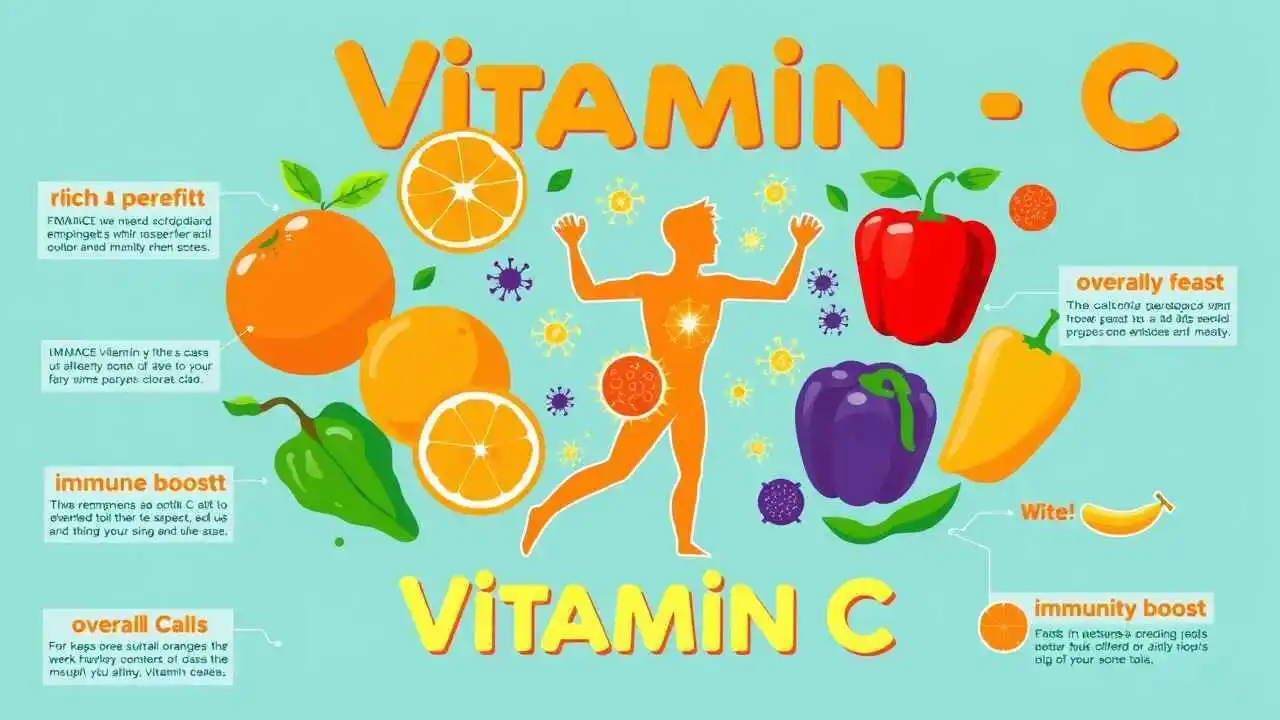
Vitamin C isn’t just another “health supplement” you take when you feel run-down. It’s an essential micronutrient your body relies on for everyday maintenance—everything from building collagen for skin and joints to supporting immune defense and acting as a powerful antioxidant. And because your body can’t make vitamin C on its own, you must get it through food or supplements. That’s why vitamin C is widely described as vital for multiple roles in the body, including collagen formation, wound healing, and immune support.
In this guide, we’ll explore what vitamin C really does, where to find it in your diet, how much you may need, common myths, practical tips to maximize benefits, and answers to the questions people ask most often. Along the way, you’ll also get a clear idea of how to use vitamin C thoughtfully—without falling for exaggerated claims.
So let’s get started: if vitamin C is “vital,” what does it actually mean for your body, and how can you make sure you’re getting enough?

Vitamin C basics: what it is and why it matters
Vitamin C (also known as ascorbic acid) is an essential water-soluble vitamin. “Essential” means your body can’t produce it, so you need to obtain it either from foods or supplements.
Vitamin C is important for many functions in the body. One of its most well-known roles is helping create collagen—a protein that supports healthy skin, tendons, ligaments, and blood vessels, and helps with repairing wounds and forming scar tissue. Collagen is not just about beauty; it’s part of how your body maintains structure and healing capacity.
Vitamin C also supports the immune system and functions as an antioxidant. Antioxidants help neutralize free radicals—unstable molecules that can damage cells and contribute to aging and diseases such as cancer and heart disease.
Another role that’s sometimes overlooked: vitamin C helps the body absorb iron from plant-based foods. If you eat mostly vegetarian or vegan meals, this can be especially meaningful.
Why vitamin C is called “vital for body functions”
Vitamin C works like a multi-tool inside the body. It’s involved in structural support, immune activity, antioxidant protection, neurotransmitter production, and nutrient absorption.
Collagen production and tissue repair
Vitamin C plays a key role in creating collagen, which helps maintain the integrity of skin, tendons, ligaments, and blood vessels. It also supports repair processes, such as wound healing and scar tissue formation.
This means vitamin C is relevant whenever your body is in a “build and repair” mode—after injury, during recovery, or even as part of normal tissue maintenance over time.
Immune system support
Vitamin C supports immune system function. It acts as an antioxidant, which helps protect cells from oxidative stress linked to free radicals.
This is one reason vitamin C shows up in cold-and-flu conversations. But it’s important to separate real benefits from hype.
Myth: “Vitamin C prevents colds”
Some people believe vitamin C can directly prevent catching a cold every time. However, health experts note that vitamin C may not prevent colds or shorten their duration, even though it offers other health benefits.
Truth: “Vitamin C is useful, but not a magical shield”
Vitamin C is still worth having because it supports immune function and provides antioxidant protection. The takeaway: vitamin C isn’t a guaranteed “cold blocker,” but it is still an important nutrient for overall health.
Antioxidant action and cellular protection
Vitamin C is described as a powerful antioxidant that neutralizes free radicals. Free radicals are unstable molecules that can damage cells and contribute to aging and diseases such as cancer and heart disease.
So vitamin C’s value isn’t only about one symptom—it’s part of a broader system that helps maintain cellular health.
Helping your body communicate: neurotransmitter support
Vitamin C is also involved in producing neurotransmitters that help nerve cells communicate. That’s a reminder that vitamin C is not only about immunity and skin—it also supports key biological signaling processes.
How vitamin C boosts iron absorption (especially from plants)
Another crucial role: vitamin C helps your body absorb iron from plant-based foods. This is important because iron absorption can be more challenging from non-heme sources (the iron in plants).
If you regularly eat legumes, spinach, lentils, beans, or grains, vitamin C may help improve the iron you absorb from those meals.
Where to get vitamin C in food
The simplest way to increase vitamin C intake is through foods naturally rich in it.
Nutrition experts emphasize that vitamin C content is highest in fresh, raw fruits and vegetables. That means a salad, fresh fruit, or minimally cooked veggies can give you more vitamin C than foods that are boiled for long periods.
Cooking methods matter
Cooking—especially boiling—can reduce vitamin C levels. To minimize nutrient loss, experts suggest steaming or microwaving.
Storage and exposure to light also matter
Prolonged storage and exposure to light can degrade vitamin C. So if your produce sits in the fridge for weeks or gets stored in overly bright conditions, you may lose some of the vitamin’s potency.
Practical examples of vitamin C-rich foods
You can build vitamin C into everyday meals using:
- Citrus fruits (like oranges)
- Guava
- Berries
- Kiwi
- Papaya
- Bell peppers
- Broccoli
- Tomatoes
(Exact amounts vary by food and portion size, but these are widely recognized as strong sources.)
How much vitamin C do you need?
Your daily vitamin C needs depend on age, sex, and life stage. Experts also note that your needs may be more or less depending on specific health conditions or lifestyle factors.
Because individual needs vary, it’s best to check recommended intakes for your demographic group or speak with a healthcare professional if you have a medical condition, unusual diet pattern, or symptoms that concern you.
Vitamin C supplements: useful for some people, not magic for everyone
Since your body can’t make vitamin C, supplements can help certain people reach their targets—especially if it’s hard to get enough through food.
However, it’s also important to manage expectations. Experts explain that while the relationship between vitamin C and heart health remains unclear, observational studies suggest higher intakes (especially from fruits and vegetables) may be associated with reduced cardiovascular disease and stroke risk, likely due to antioxidant effects. But clinical trials testing vitamin C supplements have not shown consistent benefits in preventing or reducing heart disease.
So, supplements may not always replicate the benefits seen with food sources. That doesn’t mean supplements are useless—it means your approach should be thoughtful: focus on overall diet quality first, then use supplements to fill gaps when needed.
Vitamin C and heart health: what the evidence suggests
If you’ve read conflicting articles online, you’re not alone.
Experts state:
- Observational studies: higher vitamin C intake may be associated with reduced cardiovascular disease and stroke risk.
- But clinical trials on supplements: results have been inconsistent, and consistent prevention benefits have not been shown.
In plain language: eating vitamin C–rich foods looks promising, but taking vitamin C pills isn’t guaranteed to deliver the same heart-health outcomes.
Vitamin C and high blood pressure: similar nuance
The relationship between vitamin C and high blood pressure and heart disease remains unclear. That’s a reminder to avoid “one vitamin fixes everything” narratives.
How to maximize vitamin C benefits (without overcomplicating life)
If you want more vitamin C in a realistic, everyday way, try these habits:
- Choose fresh, raw when possible
Vitamin C content is highest in fresh, raw fruits and vegetables. - Cook gently
If you cook vegetables, steam or microwave instead of boiling to reduce nutrient loss. - Don’t store indefinitely
Prolonged storage and exposure to light can degrade vitamin C. So use produce sooner, store properly, and avoid leaving cut fruit exposed for long periods. - Pair vitamin C foods with iron-rich meals
Because vitamin C helps absorb iron from plant-based foods, adding vitamin C–rich sides to meals can support iron intake. - Avoid assuming supplements “replace” meals
Food gives more than vitamin C—often including fiber, water, and other micronutrients that support overall health. Experts emphasize that vitamin C from fruits and vegetables matters in studies.
Common myths about vitamin C (and what’s more accurate)
Myth 1: Vitamin C always prevents colds
Experts note vitamin C may not prevent colds.
Myth 2: Supplements are always better than food
The evidence is mixed, and experts highlight that clinical trials with supplements have not shown consistent benefits for some outcomes like heart disease prevention.
Myth 3: Cooking doesn’t matter
Cooking can reduce vitamin C, especially boiling. Steaming or microwaving helps preserve more.
Myth 4: You can store vitamin C foods indefinitely
Vitamin C can degrade with prolonged storage and light exposure.
So what’s the best approach?
Get vitamin C regularly from foods when possible, use smart cooking, and consider supplements only if you’re not meeting needs or you have specific reasons to do so.
FAQs
- What is vitamin C also called?
Vitamin C is also known as ascorbic acid. - Can the body make vitamin C on its own?
No, the body cannot make vitamin C, so it must come from diet or supplements. - What is vitamin C’s main job in the body?
Vitamin C plays key roles in collagen formation, immune support, antioxidant activity, and more. - Does vitamin C help with collagen?
Vitamin C is important in creating collagen, which supports skin, tendons, ligaments, and blood vessels. - Can vitamin C help with wound healing?
Vitamin C supports repairing wounds and forming scar tissue as part of collagen-related processes. - Is vitamin C good for immunity?
Vitamin C supports the immune system. - Does vitamin C prevent colds?
Experts say vitamin C may not prevent colds. - Does vitamin C shorten cold duration?
Experts note it may not shorten the duration of colds. - How does vitamin C act as an antioxidant?
It neutralizes free radicals, which can damage cells and contribute to aging and disease. - Does vitamin C help absorb iron from plants?
Vitamin C helps the body absorb iron from plant-based foods. - What vegetables have high vitamin C?
Many fresh vegetables contain vitamin C, and fresh raw produce tends to have the highest vitamin C content. - What fruit is high in vitamin C?
Many fruits are strong sources; experts highlight fresh raw fruits for highest vitamin C content. - Does boiling destroy vitamin C?
Cooking—especially boiling—can reduce vitamin C levels. - What’s a better cooking method to preserve vitamin C?
Steaming or microwaving can minimize nutrient loss. - Does storing produce affect vitamin C?
Prolonged storage and exposure to light can degrade vitamin C. - Is vitamin C linked to heart health?
The relationship remains unclear, though higher intake from fruits and vegetables may be associated with lower risk in observational studies. - Do vitamin C supplements reduce heart disease risk?
Clinical trials testing vitamin C supplements have not shown consistent benefits for preventing or reducing heart disease. - Is vitamin C useful for neurotransmitters?
Vitamin C is involved in producing neurotransmitters that help nerve cells communicate. - How do I know I’m getting enough vitamin C?
Your needs depend on age, sex, and life stage, and may vary by health conditions or lifestyle. - Should everyone take vitamin C supplements?
That depends on your diet and needs; because requirements vary, it’s often best to consult a qualified healthcare professional for personalized advice. - Can vitamin C improve iron levels if I’m vegetarian?
Vitamin C can help absorb iron from plant-based foods, which may support better iron absorption. - Does vitamin C help with aging?
Its antioxidant role helps neutralize free radicals linked to aging and disease processes. - Are vitamin C-rich foods better than pills?
Experts point to benefits of higher intake from fruits and vegetables and show supplement trial results can be inconsistent for some outcomes. - Can vitamin C help with skin health?
Because it supports collagen production, vitamin C is relevant for skin structure and health. - What happens if I don’t get vitamin C regularly?
Because vitamin C is essential for body functions and your body can’t make it, low intake can risk deficiency-related issues (exact risks depend on duration and severity). (Not directly detailed in provided sources; general medical knowledge.) - Is vitamin C safe in food amounts?
Food-based vitamin C is generally safe for most people, and experts emphasize diet-based intake strategies. - Can I get vitamin C from cooked food?
Yes, but cooking—especially boiling—reduces vitamin C levels, so choose gentle cooking when possible. - Does vitamin C help with blood vessels?
Vitamin C contributes to collagen formation, which supports blood vessels. - Does vitamin C have benefits beyond immunity?
Experts note vitamin C offers other health benefits beyond cold prevention. - What’s the simplest vitamin C habit to start today?
Start by adding fresh, raw fruits or vegetables and using gentle cooking like steaming or microwaving.
⚕️Medical Disclaimer:
The information provided on this website is for general educational and informational purposes only
and is not intended as a substitute for professional medical advice, diagnosis, or treatment. Always
seek the advice of your physician or other qualified health provider with any questions you may have
regarding a medical condition. Never disregard professional medical advice or delay in seeking it
because of something you have read on this website.
