
Table of Contents
 Natural Health boosters – OMEGA-3 AND OMEGA-9 FATTY ACIDS
A vital set of nutrients required for a healthy body are the fatty acids.
These nutrients serve several functions, including the make-up of the majority of the protective membrane that surrounds every one of our cells.
They are also used by the body as major building blocks for the certain creation of body fat, needed in appropriate amounts to cushion and protect our internal organs and keep us warm.
However, not all fatty acids provide the same benefits. Scientific research has linked the consumption of saturated fatty acids, found predominantly in animal fat, with increased levels of cholesterol and a higher risk of heart attacks, while the unsaturated variety from vegetables oils do not have that effect.

Omega-3 Fatty Acids Benefits:
Heart Health: Reduces triglycerides, lowers blood pressure, and prevents blood clots.
Brain Function: Supports brain health, improves cognitive function, and may reduce risk of dementia.
Inflammation Reduction: Anti-inflammatory properties may help reduce symptoms of conditions like arthritis and asthma.
Fetal Development: Essential for fetal brain and eye development during pregnancy.
Cancer Prevention: May reduce risk of certain types of cancer, such as colon and prostate cancer.
Omega-9 Fatty Acids Benefits:
Heart Health: May help lower LDL (bad) cholesterol and increase HDL (good) cholesterol.
Improved Immune Function: Supports immune system function and may reduce inflammation.
Skin and Hair Health: May improve skin and hair texture, reducing signs of aging.
Weight Management: May aid in weight loss and maintenance.
Antioxidant Properties: May help protect against cell damage and oxidative stress.
Key Differences:
Omega-3 fatty acids are essential fatty acids, meaning the body cannot produce them and they must be obtained through diet or supplements.
Omega-9 fatty acids are non-essential fatty acids, meaning the body can produce them, but they are still beneficial when obtained through diet or supplements.
Food Sources:
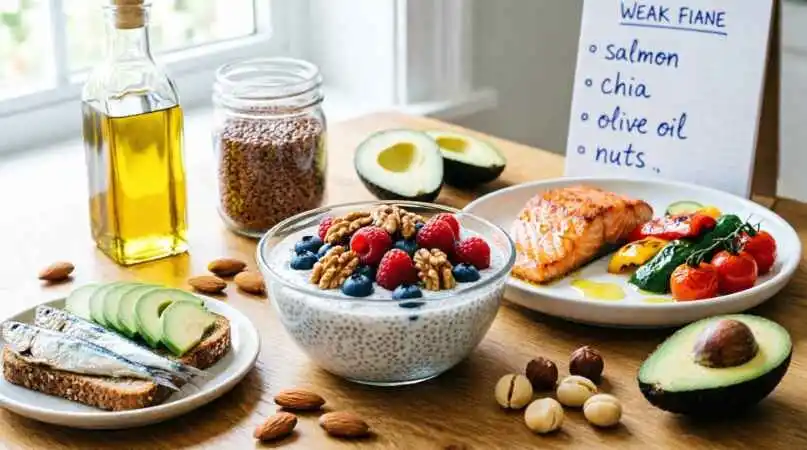
Omega-3 fatty acids: fatty fish, flaxseeds, chia seeds, walnuts
Omega-9 fatty acids: olive oil, avocados, nuts, seeds
Omega-3 Fatty Acids Deficiency:
Dry Skin and Hair: Omega-3 deficiency can lead to dry, itchy skin and dull, brittle hair.
Fatigue and Weakness: May cause fatigue, weakness, and a lack of energy.
Mood Disorders: Deficiency has been linked to depression, anxiety, and mood swings.
Cognitive Impairment: May impair cognitive function, including memory and concentration.
Increased Inflammation: Can lead to increased inflammation, which may exacerbate conditions like arthritis.
Omega-9 Fatty Acids Deficiency:
Skin Problems: May lead to skin problems like acne, eczema, and psoriasis.
Hair Loss: Deficiency has been linked to hair loss and brittle hair.
Fatigue and Weakness: Can cause fatigue, weakness, and a lack of energy.
Immune System Dysfunction: May impair immune system function, making you more susceptible to illness.
Increased Risk of Chronic Diseases: Deficiency may increase the risk of chronic diseases like heart disease, diabetes, and cancer.
Important Note:
Omega-9 fatty acid deficiency is rare, as the body can produce these fatty acids.
Omega-3 fatty acid deficiency is more common, especially in individuals who do not consume enough fatty fish or other sources of omega-3s.
By combining Omega- 3 with Omega-9, it provides a safe and balanced supplement that can favorably support healthy blood cholesterol and triglyceride levels.
It is suggested to seek a medical advise before the intake of any supplements.
Omega-3 and Omega-9 Meal-Planning Guide
Use this guide to build balanced, heart-healthy meals that naturally include both omega-3 and omega-9 fatty acids. The focus is on practical, everyday choices you can adapt to your routine.
- Core principles for your meal plan
- Include omega-3 sources at least 3–4 times per week (fatty fish or plant-based ALA sources).
- Use omega-9–rich oils and foods as your primary cooking fats and snacks.
- Combine omega-3 and omega-9 foods in the same meal when possible (e.g., salmon with olive oil–dressed vegetables).
- Keep portions realistic: a palm-sized serving of fish, 1–2 tablespoons of oil, a small handful of nuts or seeds.
- Weekly pattern (simple template)
Aim for a repeating weekly structure like this:
- 2–3 days: fatty fish (salmon, mackerel, sardines, herring)
- 1–2 days: plant-based omega-3 (chia, flax, walnuts, soy/canola oil)
- Remaining days: lean proteins or plant proteins with omega-9–rich sides
- Sample 7-day meal plan
Day 1
- Breakfast: Oatmeal topped with chia seeds, walnuts, and berries; drizzle of flaxseed oil (after cooking).
- Lunch: Grilled salmon salad with mixed greens, cherry tomatoes, cucumber, and olive oil–lemon dressing.
- Snack: A small handful of almonds.
- Dinner: Stir-fried tofu with broccoli and bell peppers in canola oil; side of quinoa.
Day 2
- Breakfast: Smoothie with spinach, banana, chia seeds, and a spoon of almond butter.
- Lunch: Sardine sandwich on whole-grain bread with avocado slices and olive oil–dressed greens.
- Snack: Walnuts and an apple.
- Dinner: Baked mackerel with roasted vegetables tossed in olive oil; side of brown rice.
Day 3
- Breakfast: Whole-grain toast with avocado, cherry tomatoes, and a sprinkle of hemp or chia seeds.
- Lunch: Chickpea and vegetable salad with olive oil, lemon, and herbs; side of mixed nuts.
- Snack: Carrot sticks with almond butter.
- Dinner: Grilled chicken breast with sautéed spinach and mushrooms in olive oil; side of sweet potato.
Day 4
- Breakfast: Greek yogurt (or plant-based yogurt) with ground flaxseed, berries, and a few hazelnuts.
- Lunch: Tuna (or plant-based tuna alternative) salad with olive oil, celery, and herbs; whole-grain wrap.
- Snack: A small portion of macadamia nuts.
- Dinner: Baked herring or sardines with roasted root vegetables in olive oil; side of lentils.
Day 5
- Breakfast: Chia pudding made with milk (dairy or plant-based), topped with sliced kiwi and walnuts.
- Lunch: Leftover baked fish with a fresh salad dressed in olive oil and vinegar.
- Snack: Avocado slices with a pinch of salt and pepper on whole-grain crackers.
- Dinner: Stir-fry with tofu or tempeh, mixed vegetables, and a sauce based on soy/canola oil blend; serve over millet or quinoa.
Day 6
- Breakfast: Scrambled eggs (or tofu scramble) with spinach and tomatoes cooked in olive oil; side of whole-grain toast.
- Lunch: Lentil soup with a drizzle of olive oil; side salad with avocado and nuts.
- Snack: A small handful of almonds and a piece of fruit.
- Dinner: Grilled salmon with asparagus and bell peppers roasted in olive oil; side of wild rice.
Day 7
- Breakfast: Smoothie bowl with banana, berries, chia seeds, and a spoon of almond or peanut butter.
- Lunch: Whole-grain bowl with chickpeas, roasted vegetables, avocado, and olive oil–herb dressing.
- Snack: Walnuts and a few squares of dark chocolate.
- Dinner: Baked white fish or plant-based fillet with a side of sautéed greens in olive oil; side of quinoa or barley.
- Simple swaps to boost omega-3 and omega-9
- Replace butter with olive oil or avocado oil for cooking and dressings.
- Swap regular snacks (chips, biscuits) for nuts (almonds, walnuts, macadamia, hazelnuts).
- Use chia or ground flaxseed in smoothies, oatmeal, yogurt, or batters.
- Choose fatty fish (salmon, mackerel, sardines, herring) instead of lean fish a few times per week.
- Use canola or soybean oil occasionally for cooking when you want extra ALA omega-3.
- Portion guide (easy visual cues)
- Fatty fish: palm-sized portion (about 85–100 g cooked).
- Nuts/seeds: small handful (about 28 g).
- Oils: 1–2 tablespoons per meal for cooking/dressing.
- Avocado: ½ fruit per serving.
- Chia/flax: 1–2 tablespoons per day.
- Tips for consistency
- Prep a batch of chia pudding or overnight oats with flax/chia for quick breakfasts.
- Keep a tin of sardines or salmon in your pantry for fast lunches.
- Pre-portion nuts into small containers for grab-and-go snacks.
- Make a large olive oil–based salad dressing at the start of the week.
- Roast a tray of vegetables in olive oil to use across multiple meals.
This structure gives you a flexible, repeatable plan that naturally covers both omega-3 and omega-9 needs without complicated tracking.
FAQs
- What are Omega-3 fatty acids?
Omega-3 fatty acids are a type of polyunsaturated fat that the body cannot produce on its own, so they must be obtained from food or supplements. The main types include ALA (alpha-linolenic acid), EPA (eicosapentaenoic acid), and DHA (docosahexaenoic acid). They play crucial roles in body functions such as reducing inflammation, supporting heart health, and aiding brain and eye development. - What are Omega-9 fatty acids?
Omega-9 fatty acids are a type of monounsaturated fat that the body can produce in small amounts, so they are not considered essential. The most common is oleic acid, found in foods like olive oil. In body functions, Omega-9s help maintain cell membrane structure, support heart health by improving cholesterol levels, and may reduce inflammation. - How do Omega-3 fatty acids benefit heart health?
Omega-3 fatty acids, particularly EPA and DHA, help lower triglyceride levels, reduce blood pressure, and prevent plaque buildup in arteries. They achieve this by reducing inflammation and improving blood vessel function, which supports overall cardiovascular health and lowers the risk of heart disease. - What role do Omega-9 fatty acids play in cholesterol management?
Omega-9 fatty acids, like oleic acid, help increase HDL (good) cholesterol and decrease LDL (bad) cholesterol in the blood. This supports heart function by improving lipid profiles and reducing the risk of atherosclerosis, contributing to better cardiovascular health. - What are the main sources of Omega-3 fatty acids?
Omega-3 fatty acids are found in fatty fish like salmon and mackerel, as well as plant-based sources such as flaxseeds, chia seeds, and walnuts. These sources provide ALA, which the body can convert to EPA and DHA, though conversion efficiency is low, so fish or supplements are often recommended for optimal intake. - Where can I find Omega-9 fatty acids in food?
Omega-9 fatty acids are abundant in olive oil, avocados, nuts (like almonds and cashews), and seeds. Incorporating these into your diet supports body functions by providing healthy fats that aid in energy production and cell membrane integrity. - Is Omega-3 essential for the body?
Yes, Omega-3 fatty acids are essential because the body cannot synthesize them. They are vital for functions like brain development, reducing chronic inflammation, and maintaining nervous system health, making them crucial for overall well-being. - Can the body produce Omega-9 fatty acids?
Yes, the body can produce Omega-9 fatty acids from other fats, so they are not essential in the diet. However, consuming them through foods like olive oil can still enhance body functions, such as improving insulin sensitivity and supporting metabolic health. - How do Omega-3 and Omega-9 fatty acids differ?
Omega-3 fatty acids are polyunsaturated and essential for anti-inflammatory effects, brain function, and heart health, while Omega-9 fatty acids are monounsaturated and non-essential, primarily aiding cholesterol balance and cell structure. Omega-3s must come from diet, whereas Omega-9s can be produced by the body. - What is the recommended daily intake of Omega-3 fatty acids?
Health organizations like the American Heart Association recommend 250-500 mg of combined EPA and DHA daily for adults, and up to 1,000 mg for those with heart disease. This supports body functions like cognitive health and inflammation control; however, needs vary by age and health status. - Are there any risks associated with high Omega-3 intake?
High doses of Omega-3 supplements (over 3,000 mg daily) may increase bleeding risk or affect immune function. While they play a key role in reducing inflammation, it’s important to balance intake to avoid potential side effects like gastrointestinal issues. - How do Omega-9 fatty acids support brain function?
Omega-9 fatty acids contribute to brain health by forming part of cell membranes and aiding in neurotransmitter function. They may help improve cognitive performance and protect against age-related decline, though their role is less direct than Omega-3’s. - Can Omega-3 fatty acids help with inflammation?
Yes, Omega-3s like EPA and DHA have anti-inflammatory properties that reduce the production of inflammatory molecules in the body. This supports functions like joint health and immune response, potentially alleviating conditions like arthritis. - What are the benefits of Omega-9 fatty acids for skin health?
Omega-9 fatty acids help maintain skin barrier function and moisture retention, promoting elasticity and reducing dryness. They play a role in body functions by supporting cell regeneration and protecting against environmental damage. - Should I take supplements for Omega-3 and Omega-9 fatty acids?
Supplements can be beneficial if your diet lacks these fats, especially for Omega-3, which is essential for heart and brain functions. For Omega-9, food sources are usually sufficient. Consult a doctor to ensure supplements don’t interact with medications. - How do these fatty acids affect joint health?
Omega-3 fatty acids reduce joint inflammation and pain, supporting mobility and function in conditions like osteoarthritis. Omega-9s may indirectly help by improving overall fat metabolism, but Omega-3 is more directly linked to joint benefits. - What’s the relationship between Omega-3 fatty acids and mental health?
Omega-3s, particularly DHA, are critical for brain structure and function, helping regulate mood and reduce symptoms of depression and anxiety. They support neurotransmitter activity, making them important for mental health maintenance. - Do Omega-9 fatty acids help with weight management?
Omega-9 fatty acids can aid weight management by improving insulin sensitivity and fat metabolism, which supports energy use and reduces fat storage. They play a role in body functions like appetite regulation when combined with a healthy diet. - Can children benefit from Omega-3 fatty acids?
Yes, Omega-3s are essential for children’s brain and eye development, supporting cognitive functions and growth. Adequate intake from sources like fish or fortified foods can help prevent deficiencies that affect learning and behavior. - Is there an interaction between Omega-3 and Omega-9 fatty acids with medications?
Both can interact with blood-thinning medications like warfarin, as they may increase bleeding risk. Omega-3s and Omega-9s support heart and inflammatory functions, but always discuss supplementation with a healthcare provider to avoid adverse effects.
⚕️Medical Disclaimer:
The information provided on this website is for general educational and informational purposes only
and is not intended as a substitute for professional medical advice, diagnosis, or treatment. Always
seek the advice of your physician or other qualified health provider with any questions you may have
regarding a medical condition. Never disregard professional medical advice or delay in seeking it
because of something you have read on this website.
