
Table of Contents
The Sinus Siege: How to Break the Cycle of Congestion Without Drowning in Pills
You know the feeling. It’s 2 a.m., and you’re lying on your back, staring at the ceiling, waiting for that one breath that doesn’t feel like it’s coming through a straw. Your head feels like it’s wrapped in wet wool. There’s a dull, throbbing pressure behind your eyes, and every time you move too quickly, a fresh wave of nausea rolls through your gut. You’ve tried the hot shower. You’ve tried the tea with honey. You’ve even tried sleeping propped up on three pillows like a Victorian invalid. But the congestion won’t budge.
This isn’t just an annoyance; it’s a full-body siege. Chronic sinusitis—or chronic rhinosinusitis—doesn’t care if you have a big presentation tomorrow or if you’re trying to enjoy a quiet weekend. It turns your life into a foggy, heavy-headed haze. And while doctors are quick to prescribe antibiotics, decongestants, and sometimes even surgery, many of us find ourselves right back in this chair six months later, wondering why we’re stuck in this cycle of inflammation and relief.
The truth is, your sinuses aren’t just empty air pockets; they’re living, breathing ecosystems lined with delicate mucous membranes. When they get out of balance, it’s rarely just about “bad luck” or a random virus. It’s usually a combination of environmental triggers, lifestyle habits, and underlying inflammatory responses that have been simmering for years.
If you’re tired of the cycle, you don’t necessarily need another prescription. You need a strategy. A holistic approach that addresses not just the symptom (the mucus) but the source (the inflammation and the environment). In this guide, we’re going to break down exactly how to tackle sinusitis from the inside out. We’ll look at natural remedies that actually work, lifestyle shifts that prevent flare-ups, and the science behind why your body is reacting this way. No fluff, no jargon, just actionable advice from someone who has navigated these congested waters.

Understanding the Enemy: What Is Sinusitis, Really?
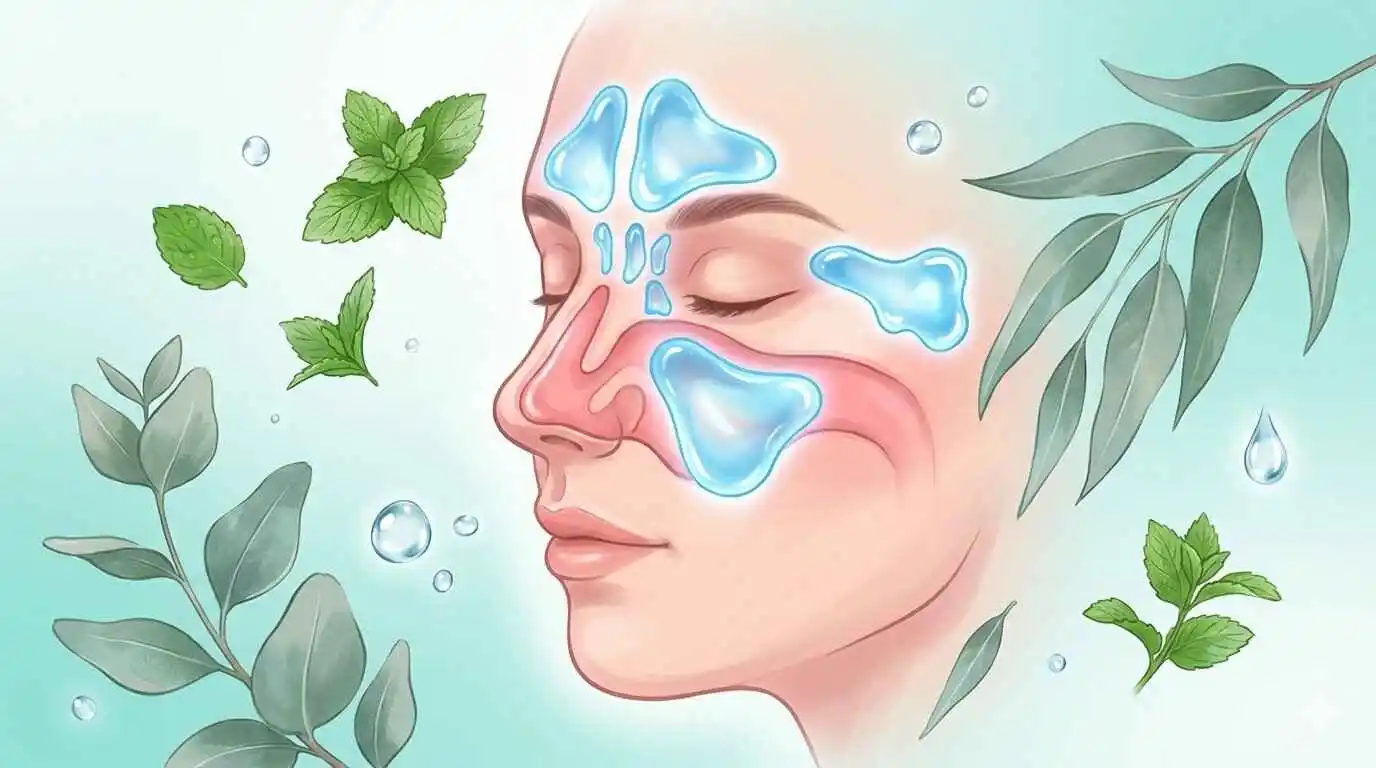
Before we can fix it, we have to understand it. Most people think of sinusitis as just a “stuffy nose.” But medically, it’s inflammation of the tissue lining the sinuses. Your sinuses are hollow cavities in your skull—around your nose, eyes, and forehead. They produce mucus, which drains into your nasal passages. When those passages swell up due to infection, allergies, or structural issues, the mucus gets trapped. That trapped mucus becomes a breeding ground for bacteria or fungi, leading to infection and pain.
Acute sinusitis usually lasts less than four weeks and often follows a cold. Chronic sinusitis, however, persists for more than 12 weeks despite treatment attempts. This is where the real trouble starts. Chronic cases are often driven by persistent inflammation rather than just active infection. This distinction is crucial because it changes the treatment game. If it’s purely inflammatory, antibiotics might not help much. You need to calm the immune response and clear the drainage pathways.
The Role of Mucociliary Clearance
Your sinuses have a built-in cleaning system called mucociliary clearance. Tiny hair-like structures called cilia sweep mucus and debris out of the sinuses and into the throat, where you swallow it unnoticed. When you have sinusitis, two things happen: the cilia stop working properly (they become paralyzed or damaged), and the mucus becomes too thick to be moved. It’s like trying to push honey through a narrow pipe with a broken plunger. To fix sinusitis, you need to thin the mucus and restart the cilia. This is where natural remedies and lifestyle changes shine—they address the viscosity and the movement, not just the bacteria.
Natural Remedies That Actually Move the Needle
There is a lot of noise in the wellness world about sinus cures. Some of it is pseudoscience; some of it is gold. Let’s separate the wheat from the chaff. These remedies are backed by physiological mechanisms that make sense for reducing inflammation and clearing congestion.
- Saline Irrigation: The Gold Standard
If you take only one thing away from this post, let it be this: saline irrigation is the cornerstone of sinus health. It’s not just “salt water”; it’s a mechanical flush that removes allergens, bacteria, and inflammatory cytokines from the nasal cavity.
How to do it right:
- Use the right ratio: Too much salt stings; too little doesn’t work. Aim for a isotonic solution (0.9% saline) or slightly hypertonic (2-3%) if you need extra decongestion.
- Temperature matters: Use lukewarm water. Cold water can shock the nasal tissues and cause more swelling.
- Sterility is key: Always use distilled, sterile, or previously boiled water. Never use straight tap water due to the risk of rare but serious infections like Naegleria fowleri.
- Technique: Use a Neti pot or a squeeze bottle. Lean forward over a sink, tilt your head to the side, and pour the solution into the upper nostril so it flows out the lower one. Breathe through your mouth. Do this once or twice daily during a flare-up.
Why it works: It physically removes the irritants and thins the mucus, allowing the cilia to resume their job. It’s simple, cheap, and incredibly effective for most people.
- Steam Inhalation and Humidification
Steam is the oldest remedy in the book for a reason. Heat increases blood flow to the nasal tissues, which can help reduce swelling, and the moisture helps loosen thick mucus.
Pro Tip: Don’t just boil a pot of water. Add essential oils like eucalyptus or peppermint oil if you tolerate them well. Eucalyptus contains cineole, which has been shown in studies to reduce inflammation and improve airflow. However, be cautious if you have asthma, as strong scents can sometimes trigger bronchospasm.
For ongoing maintenance, keep a humidifier in your bedroom. Dry air is a major culprit in sinus flare-ups, especially in winter or in arid climates. Aim for a humidity level between 40-50%. Too dry, and your membranes crack; too humid, and you invite mold and dust mites.
- Anti-Inflammatory Diet and Supplements
Chronic sinusitis is an inflammatory condition. Therefore, what you eat directly impacts your symptoms. An anti-inflammatory diet focuses on whole foods, healthy fats, and antioxidants.
Key Dietary Shifts:
- Increase Omega-3s: Fatty fish (salmon, mackerel), flaxseeds, and walnuts help reduce systemic inflammation.
- Cut the Sugar and Dairy (Temporarily): For many people, dairy increases mucus production or makes it thicker. While science is mixed on whether dairy creates more mucus, it certainly changes its consistency for many sufferers. Try eliminating dairy for two weeks and see if your symptoms improve. Also, sugar spikes insulin, which promotes inflammation.
- Spice it up: Cayenne pepper contains capsaicin, which acts as a natural decongestant. Ginger and turmeric contain curcumin, a potent anti-inflammatory compound.
Supplements to Consider:
- Quercetin: A natural bioflavonoid found in apples and onions. It stabilizes mast cells, preventing the release of histamine. Think of it as a natural antihistamine.
- Bromelain: An enzyme found in pineapple stems. Studies suggest it can reduce nasal swelling and improve sinus drainage when taken alongside antibiotics or steroids.
- N-Acetylcysteine (NAC): This supplement helps break down mucus proteins, making it thinner and easier to expel. It’s a powerful mucolytic agent.
- Essential Oils and Topical Applications
Essential oils can provide symptomatic relief by opening up airways and providing antimicrobial benefits.
- Tea Tree Oil: Has strong antimicrobial and antifungal properties. Diffuse it or dilute it with a carrier oil and apply it to the chest and temples.
- Eucalyptus Oil: Contains eucalyptol, which helps break down mucus and soothe irritated tissues.
- Peppermint Oil: Contains menthol, which creates a cooling sensation that tricks the brain into feeling like airflow is increased.
Caution: Never ingest essential oils unless directed by a professional, and always dilute them before applying to the skin. Some people are sensitive to strong scents, so start with small amounts.
- Hydration: The Unsung Hero
Water is the best expectorant. When you are dehydrated, your mucus becomes thick and sticky, harder to move, and more likely to trap pathogens. Aim for at least 2-3 liters of water daily. Herbal teas, broths, and electrolyte drinks also count. Avoid excessive caffeine and alcohol, as they can dehydrate you.
Lifestyle Changes: Rewiring Your Environment and Habits
Remedies treat the acute phase. Lifestyle changes prevent the chronic cycle. If you want long-term relief, you need to look at your environment and your daily habits.
- Allergen Control: Create a Fortress
Allergies are a leading cause of chronic sinusitis. Even if you don’t think you have “allergies,” you might have low-grade sensitivities to dust mites, pet dander, or mold that keep your sinuses inflamed.
Action Steps:
- Bedroom Sanctuary: Keep your bedroom free of pets. Use allergen-proof covers on your mattress and pillows. Wash bedding weekly in hot water (at least 130°F/54°C) to kill dust mites.
- Air Purification: Invest in a HEPA air purifier for your bedroom and main living areas. Run it continuously during high pollen seasons or if you live in a polluted area.
- Shower Before Bed: If you’ve been outside, pollen sticks to your hair and skin. Showering before bed prevents you from transferring those allergens to your pillow.
- Sleep Position and Gravity
Sleeping flat can worsen sinus congestion because gravity allows mucus to pool in the nasal passages. Elevating your head while sleeping helps drain the sinuses naturally.
Tips:
- Use an extra pillow or a wedge pillow.
- Try sleeping on your side rather than your back. Side sleeping can also help keep airways open if you have mild sleep apnea, which is often comorbid with sinus issues.
- Stress Management: The Gut-Sinus Axis
Stress triggers the release of cortisol and other inflammatory markers. Chronic stress keeps your body in a state of low-grade inflammation, making your sinuses more reactive to triggers. Furthermore, stress affects your gut health, and there is a growing understanding of the “gut-lung axis”—where gut inflammation can drive respiratory inflammation.
Strategies:
- Mindfulness and Meditation: Just 10 minutes a day can lower cortisol levels.
- Yoga: Certain yoga poses, like “Legs Up the Wall” or gentle forward folds, can help drain the sinuses. Deep breathing exercises also improve oxygenation and reduce stress.
- Prioritize Sleep: Poor sleep weakens the immune system, making you more susceptible to infections that trigger sinusitis.
- Exercise: Boosting Circulation and Immunity
Regular moderate exercise improves circulation, which can help reduce sinus pressure and congestion. It also boosts the immune system, helping your body fight off viruses and bacteria more effectively.
Note: If you have active sinusitis, intense exercise might make you feel worse due to increased heart rate and blood flow to the head. Stick to light cardio, walking, or swimming until the acute inflammation subsides. Swimming is great because the warm, humid air of the pool can be soothing, but be aware of chlorine sensitivity, which can irritate some people’s sinuses.
- Identify and Eliminate Food Triggers
Beyond dairy and sugar, other common food triggers include gluten, processed foods, and artificial additives. Keep a food diary. Track what you eat and your sinus symptoms. You might discover that certain foods consistently trigger flare-ups.
The Science Behind the Symptoms: Why Do Some People Get It Worse Than Others?
Not everyone with a cold gets sinusitis. Why? Genetics play a role. Some people have narrower sinus ostia (the openings that drain the sinuses), making them prone to blockage. Structural issues like a deviated septum or nasal polyps can also obstruct drainage.
Furthermore, the microbiome of the nose is unique to each person. Some people have a dysbiosis—an imbalance of good and bad bacteria—that predisposes them to chronic inflammation. This is why probiotics and a healthy gut are becoming increasingly important in sinus management.
Step-by-Step Action Plan: Your First Week of Relief
Ready to start? Here’s a concrete plan for the next seven days.
Day 1: Assessment and Setup
- Buy a Neti pot, saline packets, and a humidifier.
- Clean out your bathroom and bedroom for allergens.
- Start a food diary.
Day 2: Hydration and Irrigation
- Drink 3 liters of water.
- Perform saline irrigation twice (morning and evening).
- Eat anti-inflammatory meals (salmon, leafy greens, nuts).
Day 3: Steam and Spice
- Take a steam inhalation session with eucalyptus oil.
- Add cayenne pepper and ginger to your meals.
- Go to bed early.
Day 4: Movement
- Take a 30-minute walk outside (if air quality is good).
- Continue saline irrigation.
- Practice 10 minutes of deep breathing meditation.
Day 5: Allergen Attack
- Run the air purifier all day.
- Shower before bed.
- Check your humidity levels (aim for 45%).
Day 6: Rest and Repair
- Focus on sleep.
- Eat light, easy-to-digest foods.
- Gentle yoga or stretching.
Day 7: Review and Adjust
- Assess how you feel. Are symptoms reduced?
- Note any foods that seem to trigger issues.
- Plan your routine for the coming week.
FAQs
- What is the difference between acute and chronic sinusitis?
Acute sinusitis lasts less than 4 weeks and is usually caused by a viral or bacterial infection. Chronic sinusitis lasts more than 12 weeks and is often driven by persistent inflammation, allergies, or structural issues, even without active infection. - Can sinusitis be cured permanently?
It depends on the cause. If it’s due to a structural issue like a deviated septum, surgery may offer a permanent cure. If it’s due to allergies or environmental factors, it’s more about management and prevention. Many people achieve long-term remission with lifestyle changes. - Is saline irrigation safe for everyone?
Yes, for most people. However, ensure you use sterile or distilled water to avoid rare infections. People with ear problems should be cautious with forceful irrigation. - How often should I use a Neti pot?
During a flare-up, once or twice daily is recommended. For maintenance, 2-3 times a week can help keep sinuses clear. - Can I use tap water in a Neti pot?
Only if it has been boiled for at least one minute and cooled to lukewarm temperature. Raw tap water contains microorganisms that can be harmful if introduced directly into the sinuses. - What causes chronic sinusitis?
Common causes include nasal polyps, a deviated septum, chronic allergies, immune disorders, bacterial infections, and environmental irritants like pollution or smoke. - Does dairy really increase mucus?
Science is mixed. Dairy doesn’t necessarily produce more mucus, but it can make existing mucus thicker and stickier for some people, making it feel like congestion is worse. - Are nasal sprays safe for long-term use?
Decongestant sprays (like Afrin) can cause rebound congestion if used for more than 3-5 days. Steroid sprays (like Flonase) are generally safe for long-term use but should be monitored by a doctor. - Can stress cause sinusitis?
Yes. Stress weakens the immune system and increases inflammation, making you more susceptible to infections and flare-ups. - What is the best position to sleep with sinusitis?
Sleeping with your head elevated helps drain the sinuses. Side sleeping is often better than back sleeping to prevent pooling. - Do essential oils work for sinusitis?
They can provide symptomatic relief by opening airways and reducing inflammation, but they are not a cure for underlying causes. - Is eucalyptus oil safe for children?
Use caution. Strong scents can irritate young children’s airways. Dilute well and test on a small patch of skin first. - Can allergies lead to chronic sinusitis?
Absolutely. Untreated or poorly managed allergies cause constant inflammation, which blocks sinus drainage and leads to chronic sinusitis. - What is a deviated septum?
It’s a condition where the wall between your nasal passages is off-center, blocking one or both sides. This can lead to chronic sinusitis and may require surgical correction. - Are nasal polyps dangerous?
They are usually benign growths, but they can cause significant obstruction and loss of smell. Large polyps may need surgical removal. - How does humidity affect sinusitis?
Low humidity dries out nasal membranes, causing irritation and cracking. High humidity can promote mold and dust mite growth. Aim for 40-50% humidity. - Can smoking cause sinusitis?
Yes. Smoke paralyzes the cilia in your nose, impairing mucus clearance and increasing inflammation. - Is exercise good for sinusitis?
Moderate exercise improves circulation and immunity. However, intense exercise during a flare-up might worsen pressure. - What is the role of the gut in sinus health?
The gut-lung axis suggests that gut inflammation can drive respiratory inflammation. Probiotics and a healthy diet can support sinus health. - Can vitamin C prevent sinusitis?
Vitamin C supports immune function and may reduce the severity and duration of colds, which can trigger sinusitis. - Is zinc effective for sinusitis?
Zinc lozenges may shorten the duration of colds if taken early, potentially preventing them from turning into sinusitis. - What are the signs of a bacterial sinus infection?
Symptoms lasting more than 10 days without improvement, high fever, severe headache, and thick yellow/green mucus. - Do I need antibiotics for sinusitis?
Not always. Most acute sinusitis is viral. Antibiotics are reserved for bacterial infections or chronic cases that don’t respond to other treatments. - Can weather changes trigger sinusitis?
Yes. Sudden changes in barometric pressure, cold air, and humidity shifts can trigger sinus pain and congestion. - What is the best diet for sinusitis?
An anti-inflammatory diet rich in fruits, vegetables, omega-3s, and spices like turmeric and ginger. - How long does it take for natural remedies to work?
Saline irrigation works immediately. Dietary changes may take 1-2 weeks to show results. Consistency is key. - Can I use a humidifier all year round?
Yes, but clean it regularly to prevent mold and bacteria growth. Use distilled water to minimize mineral deposits. - What is the connection between sinusitis and asthma?
They are often linked conditions (“united airway disease”). Treating sinusitis can improve asthma control and vice versa. - Are there any risks with long-term steroid use?
Oral steroids can have significant side effects. Nasal steroids are generally safer but can cause local irritation or bleeding. - When should I see a specialist?
If you have recurrent sinusitis, structural issues, or symptoms that don’t improve with home care, see an ENT specialist.
Reclaiming Your Breath
Sinusitis doesn’t have to be a life sentence of stuffiness and pressure. By understanding the root causes—inflammation, allergy, structure, and habit—you can take control. It’s not about finding one magic bullet; it’s about building a ecosystem of health. Combine the mechanical power of saline irrigation with the anti-inflammatory strength of diet and supplements, and create an environment that supports your sinuses’ natural healing processes.
Start small. Pick one change today. Maybe it’s buying a Neti pot, or maybe it’s cutting out dairy for a week. Consistency beats intensity. Your sinuses will thank you, and soon, that heavy, foggy feeling will lift, replaced by the simple, profound joy of taking a deep, clear breath.
⚕️Medical Disclaimer:
The information provided on this website is for general educational and informational purposes only and is not intended as a substitute for professional medical advice, diagnosis, or treatment. Always seek the advice of your physician or other qualified health provider with any questions you may have regarding a medical condition. Never disregard professional medical advice or delay in seeking it because of something you have read on this website.
