
Table of Contents
Balancing Act: Exploring Cortisol’s Crucial Role in Managing Stress and Health
We often hear the term “cortisol” thrown around, usually in the context of stress or its negative effects. It’s frequently dubbed the “stress hormone,” and while that is a crucial part of its identity, it’s far from the whole story. Cortisol is a vital steroid hormone that plays a wide-ranging and essential role in keeping our biological systems running smoothly, even when we’re not under pressure. Understanding what cortisol is, why it’s important, and how it functions gives us valuable insight into our own bodies and how we respond to the world around us.
So, let’s delve into the world of cortisol, exploring its origins, its diverse tasks, and the delicate balance required for our health and well-being.
What Exactly is Cortisol?
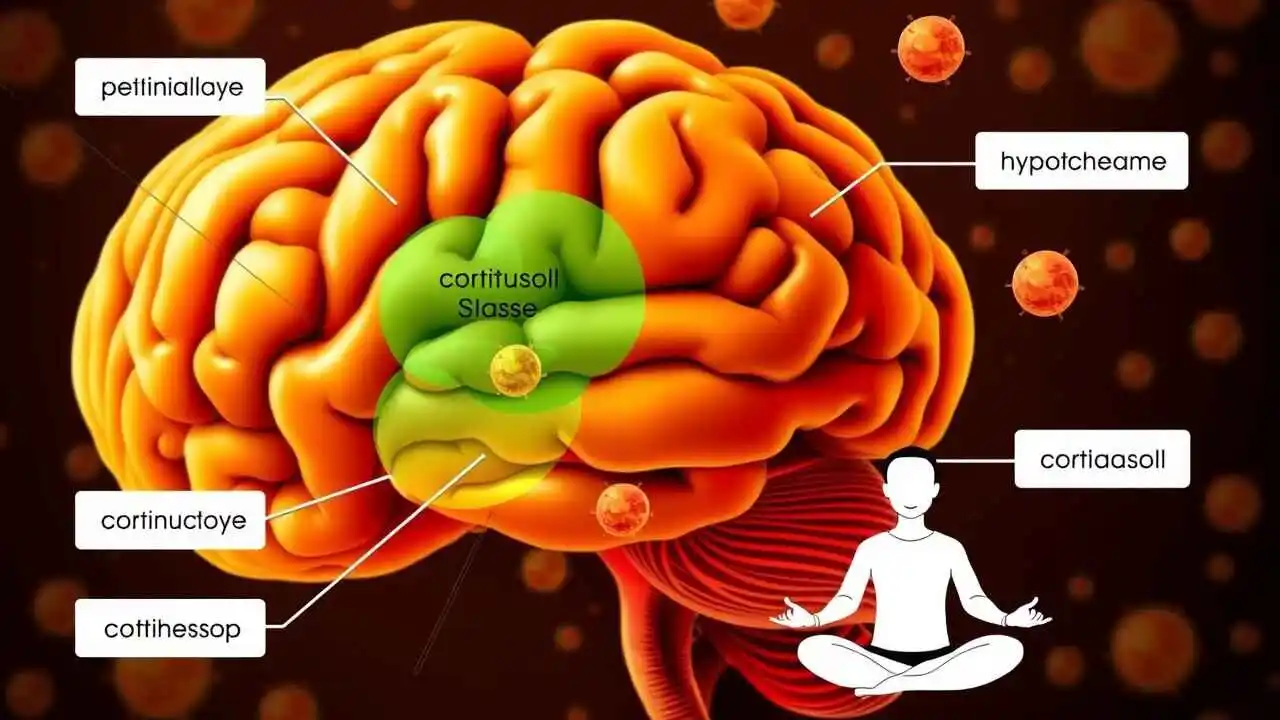
At its core, cortisol is a glucocorticoid hormone, which is a type of steroid hormone. It is primarily produced by the adrenal glands, two small glands that sit atop our kidneys. The production and release of cortisol are tightly regulated by a complex communication system involving the brain and the adrenal glands, known as the hypothalamic-pituitary-adrenal (HPA) axis.
Here’s a simplified look at how the HPA axis works:

- Hypothalamus (in the brain): Detects a stressor (physical or psychological) or signals from the body requiring cortisol (like low blood sugar). It releases Corticotropin-Releasing Hormone (CRH).
- Pituitary Gland (at the base of the brain): Responds to CRH by releasing Adrenocorticotropic Hormone (ACTH).
- Adrenal Glands (on the kidneys): Stimulated by ACTH, they synthesize and release cortisol into the bloodstream.
Once released, cortisol travels throughout the body, interacting with receptors in various tissues and organs to exert its effects. This system also includes a negative feedback loop: when cortisol levels rise sufficiently, they signal back to the hypothalamus and pituitary to slow down the release of CRH and ACTH, thus preventing excessive cortisol production.
Interestingly, our cortisol levels naturally fluctuate throughout the day following a circadian rhythm. They are typically highest in the morning shortly after waking, providing a burst of energy to start the day, and gradually decrease throughout the day, reaching their lowest point at night, which helps us prepare for sleep. This natural cycle is fundamental to many of our bodily processes.
Why is Cortisol So Important? It’s Not Just Stress
While its role in the stress response is perhaps the most famous, cortisol is absolutely essential for our survival and overall health, even in the absence of immediate threats. It is involved in fundamental physiological processes that keep our bodies functioning optimally day in and day out. Without adequate cortisol, our bodies would struggle to maintain blood pressure, regulate blood sugar, manage inflammation, and respond to even minor challenges.
Think of it as a master regulator, coordinating various systems to ensure stability and readiness. Its importance lies in its ability to influence metabolism, immune responses, cardiovascular function, brain function, and much more.
The Multifaceted Functions of Cortisol
As we’ve discussed, cortisol does much more than just react to stress. It has a hand in numerous essential bodily processes. Here are some of its key functions:
- Regulating the Stress Response: This is its best-known role. When we face a stressful situation (physical danger, emotional distress, intense exercise, illness), cortisol works alongside adrenaline and noradrenaline to help our body cope. It mobilizes energy resources, increases alertness, and helps us stay responsive. However, while adrenaline initiates the rapid “fight or flight” response, cortisol facilitates a more sustained reaction, helping the body deal with the aftermath or prolonged stressors.
- Controlling Blood Sugar Levels: Cortisol has a significant impact on glucose metabolism. It stimulates gluconeogenesis, the process by which the liver produces glucose from non-carbohydrate sources like amino acids and glycerol. This ensures that our brain and muscles have an adequate supply of energy, especially during periods of fasting or stress when glucose demand might be high.
- Modulating Metabolism: Beyond glucose, cortisol influences the metabolism of fats and proteins. It can promote the breakdown of proteins in muscles and tissues and the release of fatty acids from fat stores, making these energy sources available to the body.
- Suppressing Inflammation: Cortisol has potent anti-inflammatory properties. It helps to reduce inflammation throughout the body by inhibiting the production of inflammatory chemicals and suppressing the activity of immune cells. This function is vital for preventing an overactive immune response, although chronic high cortisol can paradoxically impair long-term immune function.
- Regulating Blood Pressure: Cortisol helps maintain vascular tone and enhances the effects of adrenaline and noradrenaline on blood vessels, which contributes to the regulation of blood pressure.
- Influencing the Sleep-Wake Cycle: As mentioned earlier, the natural rise and fall of cortisol throughout the day is a key component of our circadian rhythm, signaling to our body when it’s time to be alert and when it’s time to wind down.
- Affecting Bone Formation: Cortisol can inhibit the activity of bone-forming cells (osteoblasts), which is why prolonged exposure to high cortisol levels can contribute to bone loss and increase the risk of osteoporosis.
- Impact on Memory and Cognitive Function: Cortisol receptors are found in areas of the brain crucial for memory and learning, such as the hippocampus. Acute increases in cortisol can sometimes enhance memory consolidation (helping us remember stressful events), but chronic high levels can impair cognitive function, memory retrieval, and even cause structural changes in the brain.
To summarize some of these key roles, we can look at this table:
| Function | Description |
| Stress Response | Mobilizes energy, enhances alertness, sustains body’s reaction to stressors. |
| Blood Sugar Regulation | Stimulates glucose production in the liver to ensure energy supply. |
| Metabolism | Influences breakdown of proteins and fats for energy. |
| Immune Modulation | Suppresses inflammation and regulates immune cell activity (acute effect). |
| Blood Pressure | Helps maintain blood vessel tone and supports other hormones in blood pressure regulation. |
| Sleep-Wake Cycle | Follows a circadian rhythm, contributing to alertness in the morning and winding down at night. |
| Bone Health | Can inhibit bone formation; chronic high levels linked to bone loss. |
| Cognition & Memory | Affects functions like memory consolidation and learning, but chronic high levels can be detrimental. |
The Critical Balance: When Cortisol Gets Out of Sync
Like many things in the body, it’s not just the presence of cortisol that matters, but also maintaining the right levels at the right time. Problems arise when cortisol levels are consistently too high or too low.
Chronic High Cortisol: In modern life, our stress response is often triggered not by physical danger but by prolonged psychological pressures – work deadlines, financial worries, relationship issues. This leads to chronically elevated cortisol levels, moving beyond its helpful acute roles to become damaging over time. High cortisol can contribute to:
- Weight gain, particularly around the abdomen
- High blood pressure and increased risk of cardiovascular disease
- Suppressed immune function, making us more susceptible to illness
- Muscle weakness and loss
- Bone density loss (osteoporosis)
- Sleep disturbances
- Anxiety, depression, and mood disorders
- Impaired memory and concentration
- Digestive issues
Low Cortisol: While less common than issues with high cortisol, insufficient cortisol production (often due to conditions like Addison’s disease, where the adrenal glands are damaged) is also serious. Low cortisol can lead to:
- Severe fatigue and weakness
- Weight loss
- Low blood pressure (hypotension)
- Nausea, vomiting, and abdominal pain
- Muscle and joint pain
- Changes in skin pigmentation
Maintaining healthy cortisol levels is therefore crucial for preventing a cascade of negative health outcomes.
Managing Our Cortisol Levels
Since psychological stress is a major driver of chronic high cortisol, learning to manage stress is key to keeping this hormone in a healthy balance. While we can’t eliminate all stressors, we can certainly change how we react to them and build resilience.
Here are some ways we can help manage our cortisol levels:
- Prioritize Sleep: Aim for 7-9 hours of quality sleep per night. Disrupted sleep significantly impacts cortisol’s natural rhythm.
- Engage in Regular Physical Activity: Exercise is a powerful stress reliever. Aim for consistent movement, but avoid overtraining, which can sometimes temporarily increase cortisol.
- Practice Stress Reduction Techniques: Techniques like meditation, deep breathing exercises, yoga, mindfulness, and progressive muscle relaxation can help calm the nervous system and lower cortisol.
- Maintain a Healthy Diet: Eating balanced meals and avoiding excessive sugar, caffeine, and alcohol can support the body’s natural stress response regulation.
- Limit Exposure to Toxins and Chronic Illness: Addressing underlying health issues and reducing exposure to environmental toxins can lower the burden on the body and the stress response.
- Foster Social Connections: Spending time with supportive friends and family can significantly buffer the effects of stress.
- Make Time for Hobbies and Relaxation: Engaging in enjoyable activities helps turn off the stress response.
Consider this perspective on managing our internal state:
“The greatest weapon against stress is our ability to choose one thought over another.” – William James
This speaks to the power we have in shaping our perception of stressors, which in turn influences our physiological response, including cortisol release.
- The role of cortisol in the stress response is critical for understanding the body’s reaction to stressful situations.
- Chronic stress leads to sustained high levels of cortisol, which can have a significant impact on long-term health.
- Recognizing the consequences of chronic stress is crucial for taking proactive steps to manage well-being.
- Prioritizing sleep is essential for regulating cortisol levels and ensuring optimal health.
- Adopting stress reduction practices can help lower cortisol levels and mitigate the negative effects of chronic stress.
- Nourishing our bodies with healthy foods can support a balanced cortisol level and overall wellness.
- Cultivating strong connections with others can help reduce stress and maintain cortisol balance.
- Lifestyle choices such as sleep quality, stress management, diet, and social relationships play a critical role in cortisol regulation.
- Proactively managing stress can help prevent long-term health issues associated with high cortisol levels.
- Understanding the body’s intricate systems helps in recognizing the importance of hormone balance, including cortisol.
- Being mindful of how we handle stress can impact the body’s ability to regulate cortisol levels effectively.
- Making conscious choices in stressful situations can support the body’s resilience against chronic stress.
- Healthy lifestyle choices are not just beneficial but necessary for maintaining a healthy cortisol balance.
- By prioritizing self-care, individuals can better manage stress and prevent the negative effects of chronically elevated cortisol.
- Regularly monitoring and addressing stress levels can help in preventing cortisol imbalances and related health issues.
- Incorporating relaxation techniques into daily routine can aid in reducing cortisol levels and promoting overall well-being.
- Establishing a healthy balance between work and personal life is crucial for managing stress and cortisol levels.
- Taking time to engage in activities that bring joy and relaxation can help lower cortisol levels and improve health outcomes.
- Seeking professional help for chronic stress management can provide additional resources and support for cortisol regulation.
- Participating in regular physical activity is beneficial for reducing cortisol levels and enhancing stress resilience.
- Practicing mindfulness and meditation can aid in lowering cortisol levels and promoting emotional well-being.
- Building a strong support system can help buffer the impact of stress on cortisol levels and overall health.
- Educating oneself about the effects of chronic stress on cortisol balance is essential for making informed decisions about health and well-being.
- Developing healthy coping mechanisms for stress can prevent prolonged elevations in cortisol levels.
- Creating a supportive environment at home and work can contribute to lower cortisol levels and improved overall health.
- Setting boundaries and saying no when necessary can help prevent excessive stress and cortisol dysregulation.
- Being aware of personal triggers for stress can empower individuals to make positive changes in cortisol management.
- Practicing gratitude and focusing on positive aspects of life can help reduce stress levels and support healthy cortisol balance.
- Establishing a bedtime routine and prioritizing quality sleep can significantly impact cortisol regulation and overall health.
Conclusion
Cortisol is a remarkable hormone, indispensable for life. More than just a reaction to danger, it’s intricately involved in our daily energy levels, metabolism, immunity, and overall physiological stability. We rely on its precise regulation for countless bodily functions.
While its role in the stress response is critical, it’s the chronicity of stress and its resulting sustained high cortisol levels that pose a significant threat to our long-term health. By understanding the essential roles of cortisol and recognizing the impact of chronic stress, we empower ourselves to take proactive steps in managing our well-being. Prioritizing sleep, adopting stress reduction practices, nourishing our bodies, and nurturing our connections are not just lifestyle choices; they are fundamental strategies for maintaining a healthy cortisol balance and supporting our body’s resilience.
Our body’s intricate systems, guided by powerful hormones like cortisol, constantly strive for balance. By living mindfully and making conscious choices about how we handle the stresses of modern life, we can support this balance and thrive.
