
Table of Contents
Granuloma: What Your Body’s Tiny Wall Really Means
A granuloma is one of those medical words that makes people stop scrolling. It sounds like a tumor, a rare disease, or something straight out of a pathology textbook. But a granuloma is really a pattern—a tiny collection of immune cells that forms when your body tries to wall off something it cannot easily destroy.
That distinction matters. A granuloma is not a diagnosis by itself. It is a reaction. It is your immune system saying, “I found something I cannot quickly clear, so I am going to contain it.” Sometimes that containment strategy is helpful. Sometimes it is unnecessary. Sometimes it is the first visible clue of a larger condition, like an infection, an autoimmune disease, or a foreign-body reaction.
This guide breaks down granuloma types, granuloma causes, granuloma symptoms, granuloma diagnosis, and granuloma treatment in plain language. It also includes 30 FAQs and hashtags at the end. No website links. No scare tactics. Just grounded information you can actually use.
What Is a Granuloma?
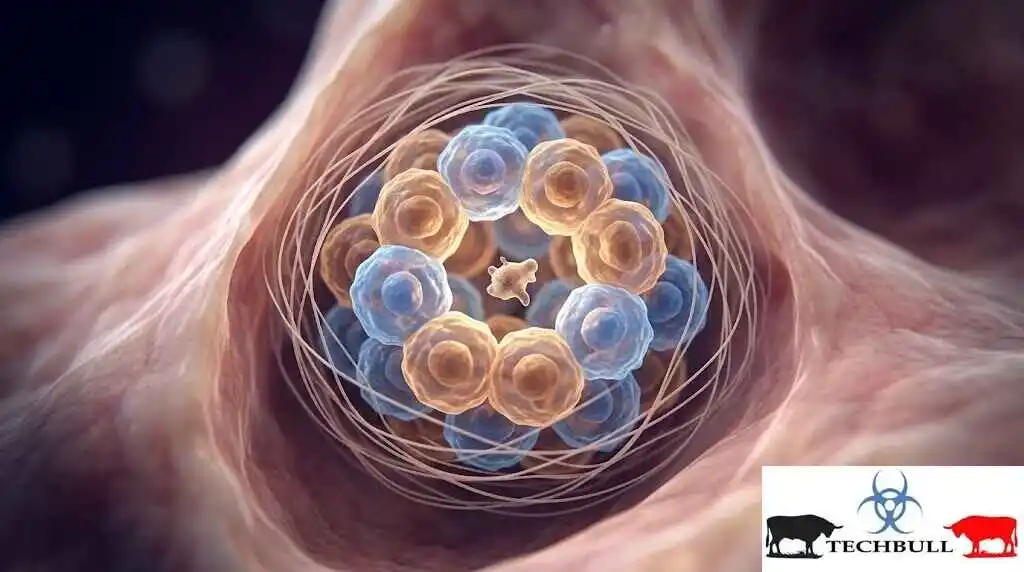
A granuloma is a localized area of inflammation made up mostly of macrophages and their specialized descendants. Macrophages are immune cells that normally eat and digest invaders. When they cannot digest something, they sometimes cluster together, change shape, and form a tight ball of cells. That ball is a granuloma.

Under a microscope, a granuloma often shows epithelioid histiocytes, multinucleated giant cells, and a rim of lymphocytes and fibroblasts. The fibroblasts may lay down collagen and create a fibrous capsule. That capsule can make the granuloma feel like a firm lump under the skin or show up as a nodule on an imaging scan.
Granulomas can form almost anywhere. The lungs are a common site, but they also appear in the skin, liver, lymph nodes, kidneys, bone marrow, and gastrointestinal tract. A lung granuloma might be found by accident on a chest X-ray. A skin granuloma might show up as a raised bump that does not heal quickly.
The important thing is that a granuloma is not cancer. It is not automatically dangerous. It is a reaction pattern. The clinical meaning depends on what triggered it and where it sits.
How Granulomas Form: The Immune System’s Construction Project
Granuloma formation is a coordinated process. It does not happen in a single moment. It is more like a slow construction project that keeps going long after the original threat has been contained—or because the threat cannot be fully cleared.
Recent research has shown that Langhans giant cells, which form when macrophages fuse together, play a key role in granuloma formation during mycobacterial infections. These giant cells release chemokines called CXCL1 and CXCL2. Those signals recruit more macrophages and encourage further fusion. The process involves TLR2 activation and the NF-κB signaling pathway, which means the granuloma is not just a passive pile of cells. It is an actively regulated immune structure.
A mature granuloma often has three zones. The inner core may contain necrosis, or dead tissue. The middle zone is packed with macrophages and epithelioid cells. The outer rim contains lymphocytes, plasma cells, and fibroblasts that may form a fibrous capsule.
That capsule is why granulomas can be stubborn. Once it forms, it is harder for drugs or immune cells to penetrate. The granuloma becomes a biological fortress. It protects surrounding tissue, but it can also trap infection or inflammation in place.
Granuloma Types: The Main Patterns You Should Know
Granuloma types are usually divided by what they look like under a microscope and what caused them. The biggest divide is between caseating granuloma and non-caseating granuloma.
Caseating Granuloma
A caseating granuloma has a center of dead, necrotic tissue. The name comes from the Latin word for cheese, because the center can look gray-white, yellow, and pasty. This type is strongly linked to infectious causes, especially tuberculosis. Fungal infections can also produce caseating granulomas.
Caseating granulomas are not proof of tuberculosis by themselves. They are a clue. A pathologist will usually order special stains and cultures to look for mycobacteria or fungi. Clinical history matters too, including travel, exposure, immune status, and symptoms.
Non-Caseating Granuloma
A non-caseating granuloma lacks that cheese-like center. It is often round or oval and made of macrophages, epithelioid cells, and sometimes multinucleated giant cells. A rim of lymphocytes and fibroblasts may surround it.
Non-caseating granulomas are more common in non-infectious conditions like sarcoidosis, Crohn’s disease, and foreign-body reactions. But the line is not absolute. Some infections can produce non-caseating granulomas, and some non-infectious conditions can show necrosis. That is why granuloma diagnosis relies on the full picture, not just one biopsy finding.
Infectious Granulomas
Infectious granulomas are among the most common worldwide. Tuberculosis is the classic example. Other bacteria, fungi, parasites, and some viruses can also trigger them. In the gastrointestinal tract, infectious granulomas can be caused by mycobacteria, fungi like histoplasma and cryptococcus, parasites, and certain bacteria.
Fungal granulomas deserve attention because they can mimic tuberculosis. Histoplasmosis, coccidioidomycosis, and cryptococcosis can all produce granulomas that look similar under a microscope. Diagnosis often requires special stains, cultures, and sometimes molecular testing.
Foreign Body Granulomas
Foreign body granulomas form when the immune system reacts to something that has physically entered the skin or another tissue. Common triggers include splinters, bee stings, spider bites, tattoo ink, talcum powder, surgical stitches, dermal fillers, and corticosteroid injections.
These granulomas are the immune system’s attempt to isolate an object it cannot break down. They are usually non-caseating. Many improve if the object is removed or if the inflammation settles.
Granuloma Annulare
Granuloma annulare is a common skin granuloma. Despite the name, it has nothing to do with ringworm. It usually appears as raised pink or flesh-colored bumps arranged in a ring. It often shows up on the hands, feet, elbows, and knees.
Localized granuloma annulare is most common in children and young adults. A disseminated form can cover more of the body and may be more persistent. The cause is unknown, though insect bites, sun exposure, viral infections, and diabetes have been associated with it. It is not contagious and not dangerous. Many cases resolve on their own.
Pyogenic Granuloma
A pyogenic granuloma is a benign vascular growth, sometimes called a lobular capillary hemangioma. It appears as a rapidly growing, fragile nodule on the skin or mucous membranes. It bleeds easily, which is why people sometimes mistake it for something more serious.
Pyogenic granulomas can happen at any age. They are common during pregnancy and on the gums, fingers, and around the nails. Despite the name, they are not caused by pus or infection. Surgical excision is highly effective, with resolution in most cases after one session.
Sarcoidal Granulomas
Sarcoidal granulomas are the hallmark of sarcoidosis. They are classically non-caseating and made of tightly packed epithelioid histiocytes with a rim of lymphocytes. Sarcoidosis can affect the lungs, skin, eyes, lymph nodes, liver, heart, and nervous system. The course varies from mild and self-limiting to chronic and organ-threatening.
Palisaded Granulomas
Palisaded granulomas have a central zone of altered collagen or necrobiosis surrounded by a palisade of macrophages. They are seen in granuloma annulare, necrobiosis lipoidica, and rheumatoid nodules. The palisaded pattern helps pathologists narrow the differential when combined with clinical findings.
Granuloma Causes: Infectious and Non-Infectious
Granuloma causes fall into two broad groups: infectious and non-infectious.
Infectious causes include mycobacterial infections like tuberculosis and leprosy, fungal infections like histoplasmosis and coccidioidomycosis, parasitic infections like schistosomiasis and leishmaniasis, bacterial infections like cat-scratch disease and syphilis, and viral infections like Epstein-Barr virus and cytomegalovirus.
Non-infectious causes include autoimmune and inflammatory conditions like sarcoidosis, Crohn’s disease, rheumatoid arthritis, and granulomatosis with polyangiitis. Foreign body reactions, drug reactions, malignancy-associated granulomas, and genetic conditions like chronic granulomatous disease can also cause them. Some granulomas remain idiopathic, meaning no cause is ever found.
The list is long. That is why a granuloma on a biopsy report is a starting point, not an ending point. The next step is figuring out which category fits the patient’s history, symptoms, imaging, and lab results.
Granuloma Symptoms: What You Might Notice
Granuloma symptoms depend on where the granuloma is and what is causing it. Many granulomas cause no symptoms at all. They are found by accident during imaging or a biopsy done for another reason.
When symptoms do appear, they can include a persistent cough, shortness of breath, chest discomfort, a visible lump on the skin, pain or tenderness, redness, swelling, fever, night sweats, swollen lymph nodes, eye redness or pain, vision changes, headaches, fatigue, and unintentional weight loss.
These symptoms are nonspecific. They overlap with many other conditions. That is why granuloma diagnosis rarely happens from symptoms alone. A skin granuloma may be itchy or painless. A lung granuloma may cause a cough or nothing at all. A granuloma in the liver may cause fatigue or jaundice—or remain silent.
Skin Granuloma: What It Looks Like and When to Get It Checked
A skin granuloma can take several forms. It may be a firm nodule, a patch, a ring-shaped lesion, or an area that stays irritated and slow to heal. Granuloma annulare lesions are often ring-shaped. Pyogenic granulomas bleed easily. Foreign body granulomas may be tender or itchy.
Most skin granulomas are not dangerous. But any new, changing, bleeding, or painful skin growth should be evaluated by a dermatologist. A biopsy can usually distinguish a granuloma from other skin conditions. Treatment depends on the type. Some skin granulomas resolve without treatment. Others need topical steroids, intralesional steroid injections, or systemic therapy.
Lung Granuloma: A Common Incidental Finding
A lung granuloma is one of the most common incidental findings on chest imaging. In many parts of the world, small calcified lung granulomas are evidence of a past infection that the body contained and controlled. They often require no treatment.
But not all lung granulomas are harmless. A lung granuloma linked to active tuberculosis, fungal infection, or sarcoidosis needs evaluation. Imaging can show the size, number, and pattern of nodules. A miliary pattern suggests tuberculosis. Hilar lymphadenopathy with non-caseating granulomas suggests sarcoidosis.
If you are told you have a lung granuloma, ask whether it is calcified, stable, or new. Ask whether it needs follow-up imaging. Ask whether any additional testing is needed. Do not assume the worst, but do not ignore it either.
Granuloma Diagnosis: How Doctors Narrow It Down
Granuloma diagnosis is detective work. The granuloma itself is a clue. The goal is to identify the trigger.
The process usually starts with a detailed medical history. Doctors ask about travel, occupational exposures, medications, recent procedures, injuries, sexual history, and symptoms that might point to a systemic condition. A physical exam looks for visible lesions, swollen lymph nodes, enlarged liver or spleen, and eye involvement.
Imaging helps, especially for lung or abdominal granulomas. Chest X-rays and CT scans can show the size, number, and distribution of granulomas. Blood tests can show elevated inflammatory markers, elevated ACE levels in sarcoidosis, or evidence of infection. Tuberculin skin testing and interferon-gamma release assays can support a tuberculosis diagnosis. Fungal serologies and cultures can identify fungal infections.
The gold standard is tissue biopsy. A pathologist examines the tissue, checks for caseating or non-caseating features, and may order special stains like acid-fast bacilli stain or Grocott’s methenamine silver stain. Molecular tests like PCR may detect specific pathogens when standard stains are negative.
Even with all these tools, some granulomas remain unexplained. In those cases, the focus shifts to managing symptoms and monitoring for changes.
Granuloma Treatment: What Actually Works
Granuloma treatment depends on the cause. There is no single treatment for all granulomas because a granuloma is not a single disease.
For infectious granulomas, treatment targets the infection. Tuberculosis needs a multi-drug antibiotic regimen for months. Fungal granulomas need antifungal therapy. Parasitic granulomas need antiparasitic drugs. Surgery may be needed if the granuloma is pressing on vital structures or causing significant symptoms.
For non-infectious granulomas, treatment focuses on controlling inflammation. Corticosteroids are the mainstay for many conditions, including sarcoidosis. Systemic prednisone is often used for severe or recurrent cases. Intralesional steroid injections can treat localized skin granulomas.
Other options include methotrexate, hydroxychloroquine, colchicine, cyclosporine, thalidomide, isotretinoin, and allopurinol. Minocycline has shown benefit in some cases. JAK inhibitors like tofacitinib are emerging as promising options for cutaneous granulomatous disorders because they block IFN-γ-mediated inflammation and are better suited for long-term use than steroids. Anti-TNF agents like adalimumab and infliximab have been used for sarcoidosis, granuloma annulare, and inflammatory bowel disease-related skin lesions.
For pyogenic granulomas, surgical excision is highly effective. Curettage, cryotherapy, and laser therapy are alternatives, though recurrence is more common. For granuloma annulare, many cases resolve on their own. Treatment aims to speed resolution and reduce recurrence.
Surgery is not first-line for most granulomas because they often have indistinct borders. Complete removal can be difficult and may damage surrounding tissue. Surgery is reserved for accessible granulomas causing significant symptoms.
Granulomatous Disease: When Granulomas Are Part of a Bigger Picture
Granulomatous disease refers to a group of conditions characterized by granuloma formation. Sarcoidosis is the best-known example. It causes non-caseating granulomas in multiple organs, most often the lungs and lymph nodes. The cause is unknown, and the course varies widely.
Crohn’s disease can cause granulomas in the gastrointestinal tract. These are usually non-caseating and help distinguish Crohn’s from ulcerative colitis in some cases. Granulomatosis with polyangiitis causes necrotizing granulomatous inflammation in the upper respiratory tract, lungs, and kidneys. Rheumatoid arthritis can cause rheumatoid nodules, which are palisaded granulomas in subcutaneous tissue. Chronic granulomatous disease is a rare genetic immunodeficiency that leads to recurrent infections and granulomas.
Malignancy-associated granulomas are another important category. Lymphomas and other cancers can provoke granulomatous reactions that mimic infections or autoimmune diseases. This is why a broad differential is essential when granulomas are found and the clinical picture does not fit a common cause.
When to Worry and When to Wait
Most granulomas are not dangerous on their own. But some situations need prompt evaluation.
See a doctor promptly if a granuloma is growing quickly, causing significant pain, bleeding, or functional problems. Seek care if it comes with fever, night sweats, weight loss, or swollen lymph nodes. Get urgent evaluation if it affects the eye, heart, nervous system, or airway. If you have a history of tuberculosis exposure, travel to an endemic area, or a weakened immune system, infectious causes should be ruled out.
For small, asymptomatic granulomas found by accident in an otherwise healthy person, watchful waiting with follow-up imaging may be appropriate. The key is to have a clear plan and a doctor who is monitoring the situation.
Living With a Granuloma Diagnosis
If you have been told you have a granuloma, here is what matters. First, do not panic. A granuloma is not cancer. It is a clue. Second, ask questions. What type is it? Caseating or non-caseating? Where is it? What is the differential diagnosis? What tests are being done? What is the plan if no cause is found?
Third, see the right specialist. A lung granuloma may need a pulmonologist. A skin granuloma may need a dermatologist. A granuloma linked to a systemic condition may need a rheumatologist or immunologist. Fourth, be patient. Finding the cause can take time. Fifth, follow treatment as prescribed. Stopping steroids or other medications too early can lead to relapse.
FAQs
- What is a granuloma?
A granuloma is a cluster of immune cells that forms when the body tries to wall off something it cannot easily destroy. - Is a granuloma cancer?
A granuloma is an inflammatory reaction, not a cancer. However, some cancers can trigger granulomatous reactions, so evaluation matters. - Can a granuloma go away on its own?
Some granulomas, especially skin granulomas like granuloma annulare, resolve without treatment. - What causes granulomas?
Infections, foreign bodies, autoimmune conditions, drug reactions, and some genetic disorders can cause granulomas. - What is the difference between caseating and non-caseating granuloma?
Caseating granulomas have a necrotic, cheese-like center and are often linked to infections like tuberculosis. Non-caseating granulomas lack that center and are more common in sarcoidosis and other non-infectious conditions. - Are granulomas contagious?
The granuloma itself is not contagious. But if it is caused by an infection like tuberculosis, the infection may be contagious. - Can a granuloma be removed surgically?
Surgery is usually reserved for accessible granulomas causing significant symptoms. Many granulomas are treated with medication instead. - What does a skin granuloma look like?
It can look like a firm bump, a ring-shaped lesion, a reddish patch, or a nodule that bleeds easily. - Is a lung granuloma serious?
Many lung granulomas are old, calcified scars from past infections and are not serious. Others may need evaluation for active infection or sarcoidosis. - Can granulomas cause pain?
Some do, especially foreign body granulomas or granulomas near nerves. Many cause no pain at all. - How is a granuloma diagnosed?
Diagnosis may involve history, physical exam, imaging, blood tests, and tissue biopsy. - What specialist treats granulomas?
It depends on the location. Dermatologists, pulmonologists, rheumatologists, gastroenterologists, and infectious disease doctors may be involved. - Are granulomas common?
Lung granulomas are common incidental findings. Skin granulomas like granuloma annulare are also fairly common. - Can granulomas be prevented?
Not always. Preventing infections and avoiding known foreign-body triggers can reduce some types. - Do granulomas always need treatment?
Some are monitored without treatment. Others need medication or surgery depending on the cause and symptoms. - What is granuloma annulare?
It is a benign skin condition that causes ring-shaped bumps, usually on the hands, feet, elbows, or knees. - What is a pyogenic granuloma?
It is a benign vascular growth that appears as a fragile, bleeding nodule on the skin or mucous membranes. - Is granuloma annulare contagious?
It is not contagious and is not caused by ringworm. - Can granulomas affect the liver?
Granulomas can form in the liver and may be linked to infections, sarcoidosis, or drug reactions. - Can granulomas affect the eyes?
Sarcoidosis and other granulomatous diseases can cause eye inflammation. Eye involvement needs prompt evaluation. - What is sarcoidosis?
Sarcoidosis is a multisystem inflammatory disease characterized by non-caseating granulomas, most often in the lungs and lymph nodes. - What is chronic granulomatous disease?
It is a rare genetic immunodeficiency that impairs the immune system’s ability to kill certain bacteria and fungi, leading to recurrent infections and granulomas. - Can medications cause granulomas?
Some drug reactions can trigger granulomatous inflammation. - Can tattoo ink cause a granuloma?
Red tattoo pigment, in particular, can cause foreign body granulomas. - Are granulomas painful to touch?
Some are tender, especially if they are inflamed or near a nerve. Others are painless. - How long does granuloma treatment take?
It depends on the cause. Infectious granulomas may need months of antibiotics. Inflammatory granulomas may need long-term immune modulation. - Can granulomas come back after treatment?
Recurrence is possible, especially if the underlying condition is chronic or treatment is stopped too early. - When should I worry about a granuloma?
Worry if it grows quickly, bleeds, causes pain, affects vision or breathing, or comes with fever, night sweats, or weight loss. - Can a granuloma turn into cancer?
A granuloma itself does not turn into cancer. But because some cancers can cause granulomatous reactions, unusual cases need careful evaluation. - What questions should I ask my doctor?
Ask: What type of granuloma is it? What caused it? Do I need more tests? What are the treatment options? What should I watch for?
Final Takeaway
A granuloma is not a diagnosis. It is a question. It is your body’s way of containing something it cannot easily remove. Some granulomas are harmless and fade with time. Others are clues to infections, autoimmune conditions, or foreign-body reactions that need attention.
The right approach is calm, methodical evaluation. Look at the type, the location, the symptoms, and the cause. Get the right specialist involved. Ask questions. Follow the plan. And remember that most granulomatous conditions are manageable—and many resolve on their own.
⚕️Medical Disclaimer:
The information provided on this website is for general educational and informational purposes only and is not intended as a substitute for professional medical advice, diagnosis, or treatment. Always seek the advice of your physician or other qualified health provider with any questions you may have regarding a medical condition. Never disregard professional medical advice or delay in seeking it because of something you have read on this website.
