
Table of Contents
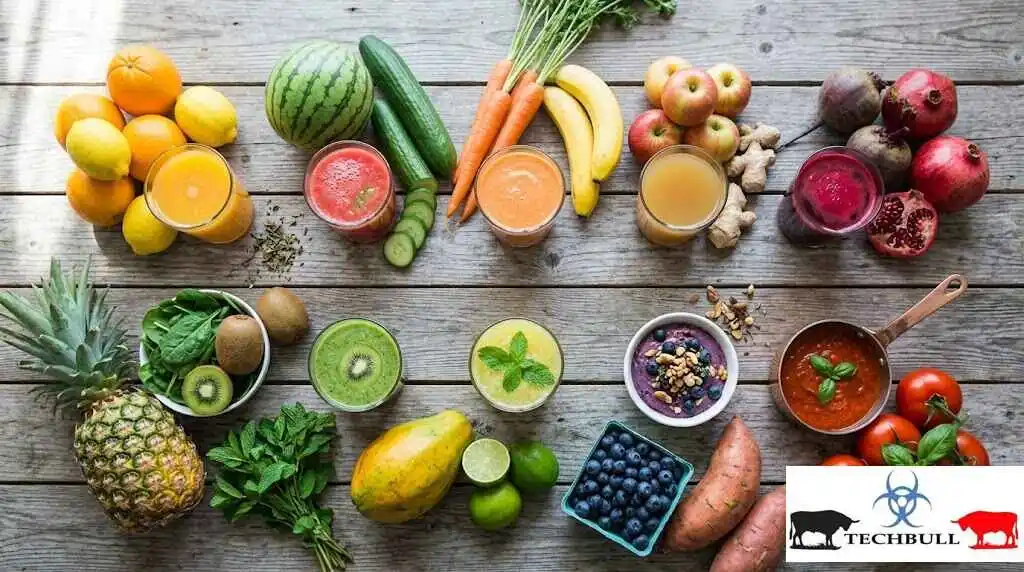
10 Fruit and Vegetable Combinations and Their Claimed Health Benefits
Why I Started Mixing My Produce Drawer Like a Mad Scientist
Three winters ago, I woke up with a cold that would not quit and skin that looked like it had not seen sunlight in a decade. My fridge was stuffed with half-used vegetables, and a fruit bowl nobody was touching sat on the counter judging me quietly. So I did what any stubborn, slightly broke home cook does when nothing else is working: I started throwing things together. Orange with a squeeze of lemon because my throat hurt. Cucumber blended with watermelon because it was hot outside and I had both sitting around. Carrot and banana because my toddler refused to eat either one on its own, and sneaking them into one cup felt like a small parenting win.
None of this began as a health experiment. It began as “use it before it turns to mush.” But a few weeks in, I noticed patterns. My skin looked less patchy. My energy during afternoon workouts felt steadier instead of crashing by 3pm. My digestion, which I will spare you the play-by-play of, settled down. That is when I got curious about why certain pairs kept ending up in my blender, and why grandmothers, gym trainers, and dermatologists on the internet all seemed to repeat the same handful of combinations.
What Are Fruit and Vegetable Combinations and Their Claimed Health Benefits?
Fruit and vegetable combinations and their claimed health benefits are basically pairings of produce that, when eaten or blended together, are said to do more for your body than either ingredient would manage alone. Sometimes that claim is backed by real nutrition science, like vitamin C from citrus helping your body absorb the iron sitting in leafy greens. Sometimes it is closer to kitchen folklore, passed down from grandmothers who never once read a nutrition label but somehow knew what worked for tired skin or a grumbling stomach.
I want to be upfront before we get into the list: this is a kitchen guide, not a medical one. I am sharing the recipes I actually make, the reasoning (traditional and nutritional) behind each pairing, and what I have noticed using them regularly. None of it replaces a real conversation with your doctor or a registered dietitian, especially if you are pregnant, on medication, or managing a health condition. Treat these ten combos as flavorful habits worth trying, not miracle cures in a cup.

Apron on, cutting board out. Here are the ten pairings that earned a permanent spot on my kitchen counter.
1. Orange & Lemon — The Post-Workout Zing
| CLAIMED BENEFIT: Increases muscle mass and enhances physical performance |
Citrus gets dismissed as “just vitamin C,” but that vitamin plays a real role in collagen production, which your muscles, tendons, and joints rely on to repair themselves after a hard session. Pairing orange with lemon stacks that vitamin C with a hit of potassium and natural sugars your body can use for quick energy.
Ingredients
- 2 medium oranges, peeled
- 1 whole lemon, peeled (yes, the whole thing)
- 1 cup cold water or coconut water
- 1 tablespoon honey
- A small pinch of sea salt
Step-by-Step
- Juice the oranges and lemon, or blend the peeled fruit with the water until smooth and strain if you want it pulp-free.
- Stir in the honey and sea salt until fully dissolved.
- Pour over ice and drink within 20 to 30 minutes of finishing a workout, while your body is primed to absorb nutrients.
Nutritional Value
- Vitamin C: supports collagen synthesis for muscle and joint repair
- Potassium: helps prevent post-workout cramping
- Natural electrolytes: sea salt plus fruit sugars mimic a sports drink without the dye
Chef’s Tip / Case Study
I keep a jug of this in the fridge on heavy training days. My personal trainer friend swears the citrus-and-salt combo beats bottled electrolyte drinks for taste, and honestly, I have stopped buying the neon-colored ones since I started making this at home.
Variations
Swap honey for maple syrup if you want it vegan, or add a thumb of ginger for a spicier kick that also helps settle a post-workout stomach.
Serving Suggestions
Best served cold, right after a workout or first thing in the morning before breakfast.
Storage
Keeps in a sealed jar in the fridge for up to 24 hours, though the vitamin C content is highest when it is fresh.
2. Watermelon & Cucumber — The Skin Reset
| CLAIMED BENEFIT: Reduces acne and promotes glowing skin |
Both watermelon and cucumber are over 90 percent water, which is the unglamorous but very real secret behind a lot of “glowing skin” advice. Watermelon adds lycopene and vitamin A, while cucumber brings silica, a mineral connected to skin elasticity in several small studies.
Ingredients
- 2 cups cubed watermelon, seeds removed
- 1 medium cucumber, peeled
- A handful of fresh mint leaves
- Juice of half a lime
Step-by-Step
- Blend the watermelon, cucumber, mint, and lime juice together until smooth.
- Strain through a fine sieve if you prefer a juice rather than a smoothie texture.
- Chill for at least 30 minutes before serving so the mint has time to infuse.
Nutritional Value
- Vitamin A and lycopene: antioxidants linked to skin cell repair
- Silica: a mineral tied to skin and connective tissue strength
- High water content: supports overall skin hydration from the inside
Chef’s Tip / Case Study
During one particularly stressful, breakout-prone summer, this became my afternoon ritual instead of iced coffee number two. I cannot promise it cleared my skin on its own, but cutting the extra caffeine and adding this instead definitely did not hurt.
Variations
Add a splash of aloe vera juice for extra hydration, or a few basil leaves instead of mint for a more savory, herbal note.
Serving Suggestions
Serve icy cold in a tall glass, ideally as a mid-afternoon refresher rather than with a meal.
Storage
Best consumed the same day; both ingredients are mostly water and lose their crisp flavor quickly once blended.
3. Carrot & Banana — The Toddler-Approved Duo
| CLAIMED BENEFIT: Improves vision and supports healthy digestion |
Carrots are famous for beta-carotene, which your body converts into vitamin A for eye health. Banana adds soluble fiber and a natural sweetness that makes this pairing an easy sell even for picky eaters, which is exactly how this one earned a permanent spot in my house.
Ingredients
- 2 medium carrots, steamed and cooled
- 1 ripe banana
- 1 cup milk or oat milk
- A pinch of cinnamon
Step-by-Step
- Steam the carrots until fork-tender, then let them cool to room temperature.
- Blend the carrots, banana, milk, and cinnamon until completely smooth.
- Add a few ice cubes and blend again for a thicker, milkshake-like texture.
Nutritional Value
- Beta-carotene: converts to vitamin A, important for night vision
- Potassium: supports muscle and nerve function
- Soluble fiber: feeds healthy gut bacteria and eases digestion
Chef’s Tip / Case Study
My toddler will not touch a raw carrot stick, but he will drink an entire cup of this without blinking. Steaming the carrot first is the trick; raw carrot blended into a smoothie tends to taste grassy and leaves a gritty texture nobody enjoys.
Variations
Use almond milk for a nuttier flavor, or blend in a tablespoon of chia seeds for extra fiber and a slight thickness.
Serving Suggestions
Great as a breakfast smoothie or an afternoon snack that feels more like dessert than a vegetable serving.
Storage
Drink the same day; banana tends to brown and separate if left in the fridge overnight.
4. Apple & Ginger — The Sunday Reset Tonic
| CLAIMED BENEFIT: Reduces bloating and decreases bodily inflammation |
Ginger has a long history in traditional medicine for calming an upset stomach, largely thanks to a compound called gingerol. Apples bring pectin, a fiber that can support regular digestion, plus a natural sweetness that softens ginger’s sharp bite.
Ingredients
- 2 medium apples, cored
- A one-inch piece of fresh ginger, peeled
- Juice of half a lemon
- A cinnamon stick (optional, for a warm version)
Step-by-Step
- Juice the apples and ginger together, then stir in the lemon juice.
- For a warm tonic instead, simmer the same ingredients with two cups of water and a cinnamon stick for 10 minutes, then strain.
- Serve either version immediately, cold over ice or warm in a mug.
Nutritional Value
- Gingerol: a natural compound studied for its anti-inflammatory properties
- Pectin: a soluble fiber that supports gut regularity
- Vitamin C: from both the apple and the added lemon
Chef’s Tip / Case Study
This is my Sunday-after-a-big-weekend drink. I make the warm version most often because there is something about a hot mug that feels more like a reset than a cold glass, even though the ingredients are identical.
Variations
Add a few mint leaves for a cooling twist, or a pinch of turmeric if you want to lean further into the anti-inflammatory angle.
Serving Suggestions
Cold as a morning juice, or warm as an evening tonic after a heavy meal.
Storage
Keeps in the fridge for up to two days in a sealed container; give it a good shake before drinking since it separates.
5. Beetroot & Pomegranate — The Endurance Booster
| CLAIMED BENEFIT: Boosts stamina and supports heart health |
Beetroot’s claim to fame is its natural nitrate content, which some studies link to improved blood flow and endurance during exercise. Pomegranate piles on polyphenol antioxidants, and together they make one of the most striking-looking drinks in this whole list.
Ingredients
- 1 medium beetroot, peeled
- 1 cup pomegranate arils (or 3/4 cup pomegranate juice)
- Juice of half a lemon
- 1 cup cold water
Step-by-Step
- Juice the beetroot, or blend it with the water and strain through a nut milk bag or fine sieve.
- Combine the beet juice with the pomegranate arils blended and strained, or simply stir in pomegranate juice.
- Add lemon juice, stir well, and serve over ice.
Nutritional Value
- Dietary nitrates: linked to improved blood flow and exercise performance
- Polyphenols from pomegranate: antioxidants studied for heart health
- Folate and manganese: both present in beetroot
Chef’s Tip / Case Study
A runner friend introduced me to this one before a half-marathon. I cannot verify it shaved minutes off her time, but she has not stopped drinking it before long runs since, and I have adopted it before my own gym mornings.
Variations
Add a splash of orange juice to soften the earthy beet flavor if you are new to it.
Serving Suggestions
Best had about an hour before exercise, or any time you want a vibrant, antioxidant-heavy pick-me-up.
Storage
Beet juice oxidizes fast, so this one is really a same-day, ideally same-hour drink.
6. Spinach & Kiwi — The Green Immunity Shot
| CLAIMED BENEFIT: Boosts iron absorption and supports immunity |
Spinach is rich in non-heme iron, the type of iron that your body struggles to absorb well on its own. Kiwi is loaded with vitamin C, and pairing the two is one of the more well-documented nutrition tricks on this whole list, since vitamin C measurably improves non-heme iron absorption.
Ingredients
- 2 cups fresh spinach leaves
- 2 kiwis, peeled
- 1 small apple, cored
- 1 cup cold water
Step-by-Step
- Blend the spinach with the water first until fully broken down.
- Add the kiwi and apple, then blend again until smooth.
- Strain if you prefer a lighter, juice-like texture, or drink it as a thicker smoothie.
Nutritional Value
- Non-heme iron from spinach: supports oxygen transport in the blood
- Vitamin C from kiwi: significantly improves iron absorption
- Vitamin K: supports normal blood clotting
Chef’s Tip / Case Study
This was the drink I leaned on hardest after a doctor mentioned my iron levels were running low. I paired it with an actual iron-rich meal rather than relying on the smoothie alone, and that combination is what I would genuinely recommend over drinking this in isolation.
Variations
Add half a banana for a creamier texture that also mellows out the strong green flavor.
Serving Suggestions
Best in the morning, ideally alongside or shortly after an iron-containing meal for the biggest benefit.
Storage
Drink within a few hours; spinach smoothies tend to darken and lose freshness quickly.
7. Pineapple & Mint — The After-Dinner Digestif
| CLAIMED BENEFIT: Aids digestion and supports gentle detoxification |
Pineapple contains bromelain, an enzyme that helps break down protein, which is part of why so many cuisines serve pineapple after a heavy, protein-rich meal. Mint adds its own long-standing reputation for calming digestion.
Ingredients
- 5 cups fresh pineapple chunks
- A small handful of fresh mint leaves
- Juice of half a lime
- 1 cup coconut water
Step-by-Step
- Blend the pineapple, mint, lime juice, and coconut water until smooth.
- Strain if you want a clearer juice, or leave it thicker for a smoothie-style drink.
- Serve over ice immediately after blending, since fresh mint loses its punch quickly.
Nutritional Value
- Bromelain: an enzyme that aids protein digestion
- Vitamin C and manganese: both abundant in pineapple
- Electrolytes from coconut water: support hydration
Chef’s Tip / Case Study
I keep a small glass of this ready whenever I cook a big, meat-heavy family dinner. It has become such a habit that my in-laws now ask for it by name instead of dessert, which honestly says a lot for a drink with no added sugar.
Variations
Add a few cucumber slices for an even lighter, more refreshing version.
Serving Suggestions
Best served right after a heavy or protein-rich meal, in small glasses rather than large ones.
Storage
Best fresh; pineapple juice can taste slightly bitter if left sitting for more than a few hours.
8. Papaya & Lime — The Gut-Skin Connection
| CLAIMED BENEFIT: Supports gut health and helps promote clearer skin |
Papaya contains papain, another digestive enzyme similar in role to pineapple’s bromelain, along with a generous dose of vitamin A. Lime brings vitamin C and a bright acidity that cuts through papaya’s soft, almost custardy texture.
Ingredients
- 1 cup ripe papaya, cubed
- Juice of 1 lime
- 1 tablespoon chia seeds
- 1 cup coconut water or plain water
Step-by-Step
- Blend the papaya, lime juice, and water or coconut water until smooth.
- Stir in the chia seeds by hand rather than blending them, so they stay whole.
- Let the mixture sit for 10 minutes so the chia seeds soften slightly before drinking.
Nutritional Value
- Papain: a digestive enzyme that helps break down protein
- Vitamin A: supports skin cell turnover
- Vitamin C from lime: supports collagen production
Chef’s Tip / Case Study
This is my go-to the morning after eating something a little too rich the night before. My stomach genuinely feels calmer within the hour, though I will admit that could partly be the placebo effect of drinking something bright orange and hopeful-looking.
Variations
Add a thin slice of fresh ginger if your stomach needs extra settling.
Serving Suggestions
Best on an empty stomach in the morning, about 20 minutes before breakfast.
Storage
Drink the same day; papaya breaks down and turns watery if stored much longer.
9. Blueberry & Sweet Potato — The Brain Fuel Bowl
| CLAIMED BENEFIT: Supports brain health and fights everyday oxidative stress |
This is the one combo on the list that is not a drink. Blueberries are one of the most studied fruits for anthocyanins, antioxidants tied to brain health, while roasted sweet potato brings complex carbohydrates and beta-carotene for steady, slow-releasing energy.
Ingredients
- 1 medium sweet potato, roasted and cooled
- 3/4 cup fresh or frozen blueberries
- 2 tablespoons plain yogurt
- A small handful of chopped walnuts
Step-by-Step
- Roast the sweet potato at 400°F (200°C) for about 40 minutes, until soft, then let it cool and cube it.
- Layer the sweet potato cubes in a bowl with the yogurt.
- Top with fresh blueberries and chopped walnuts just before serving.
Nutritional Value
- Anthocyanins from blueberries: antioxidants studied in relation to brain and memory health
- Beta-carotene from sweet potato: supports vision and immune function
- Omega-3 fats from walnuts: linked to cognitive support
Chef’s Tip / Case Study
I started making this bowl during exam season for my niece, who was studying for finals and living on instant noodles. It became her go-to study snack, and honestly, watching her actually eat a vegetable willingly felt like the real win here.
Variations
Swap yogurt for a dairy-free alternative, or drizzle with a little honey if you like it sweeter.
Serving Suggestions
Works as a hearty breakfast, an afternoon study snack, or a light side dish at dinner.
Storage
Roasted sweet potato keeps in the fridge for up to three days; assemble the full bowl fresh each time.
10. Tomato & Basil — The Classic That Actually Works
| CLAIMED BENEFIT: Supports heart health and offers natural skin protection |
Tomato and basil is such a familiar pairing that it almost feels too obvious to include, but the science backs it up better than most trendy combos out there. Tomatoes are rich in lycopene, and cooking them in a little oil, alongside basil’s own antioxidant compounds, actually increases how much lycopene your body can absorb.
Ingredients
- 4 ripe tomatoes, roughly chopped
- A generous handful of fresh basil leaves
- 2 tablespoons olive oil
- 1 clove garlic, minced
- A pinch of black pepper
Step-by-Step
- Warm the olive oil in a pan over medium heat and sauté the garlic until fragrant, about 30 seconds.
- Add the chopped tomatoes and simmer for 15 to 20 minutes, stirring occasionally, until they break down into a soft sauce.
- Stir in the fresh basil and black pepper at the very end, off the heat, so the basil stays bright and fragrant.
Nutritional Value
- Lycopene: an antioxidant more bioavailable after cooking with fat
- Vitamin K and antioxidants from basil
- Healthy fats from olive oil: help your body absorb lycopene
Chef’s Tip / Case Study
A dermatologist relative of mine once told me she eats cooked tomato dishes a few times a week specifically for the lycopene, and cooking them in olive oil rather than eating them raw is the detail most people skip. That one comment changed how often I make this sauce.
Variations
Add a splash of balsamic vinegar for sweetness, or toss with pasta for a full meal.
Serving Suggestions
Serve warm over pasta, grilled bread, or as a simple side to grilled fish or chicken.
Storage
Keeps in the fridge for up to four days in an airtight container, and freezes well for up to two months.
How the Ten Combinations Compare
If you are the type who likes a quick reference instead of scrolling back through ten sections, here is the whole list side by side.
| Combination | Claimed Benefit | Best Time to Have It | Prep Style |
| Orange & Lemon | Muscle recovery, physical performance | Post-workout | Cold juice |
| Watermelon & Cucumber | Reduces acne, glowing skin | Afternoon | Cold smoothie |
| Carrot & Banana | Vision, healthy digestion | Breakfast | Smoothie |
| Apple & Ginger | Reduces bloating, inflammation | Morning or evening | Juice or warm tonic |
| Beetroot & Pomegranate | Stamina, heart health | Pre-workout | Cold juice |
| Spinach & Kiwi | Iron absorption, immunity | Morning | Smoothie |
| Pineapple & Mint | Digestion, detox | After meals | Cold juice |
| Papaya & Lime | Gut health, clear skin | Morning, empty stomach | Smoothie |
| Blueberry & Sweet Potato | Brain health, antioxidants | Breakfast or snack | Bowl |
| Tomato & Basil | Heart health, skin protection | Lunch or dinner | Cooked sauce |
The Real Takeaway From My Blender-Stained Counter
None of these ten pairings are magic, and I would be lying if I said one glass of beet and pomegranate juice turned me into a different person overnight. What I can say, after genuinely making these on repeat for a few years now, is that they gave me an easy, tasty way to eat more fruit and vegetables than I otherwise would have. That, more than any single nutrient, is probably where most of the benefit comes from.
If you try any of these, start with the one that solves a problem you actually have right now, whether that is sluggish digestion, dull skin, or needing more energy for workouts. Give it a couple of weeks of consistency before deciding whether it is doing anything for you, and check in with a doctor first if you are managing any ongoing health condition.
And if your kitchen ends up as sticky and stained as mine, consider that proof you are doing it right.
Frequently Asked Questions
| Question | Answer |
| 1. What are fruit and vegetable combinations and their claimed health benefits? | They are specific pairings of produce, like orange and lemon or carrot and banana, that people combine in juices, smoothies, or dishes because together they are said to support a particular health goal more than either ingredient would alone. |
| 2. Is there real science behind these combinations, or is it mostly folklore? | It is a mix of both. Some pairings, like spinach and kiwi for iron absorption, have solid nutritional science behind them. Others are based more on tradition and personal experience than clinical research. |
| 3. Which combination is best for glowing skin? | Watermelon and cucumber is the one most people reach for, thanks to its high water content, vitamin A, and silica, though papaya and lime is a strong second option. |
| 4. Can these combinations replace my regular meals? | No. These are meant to complement a balanced diet, not replace whole meals, since most of them are missing protein and other nutrients you need throughout the day. |
| 5. How often should I drink fruit and vegetable juices? | Most nutrition guidance suggests treating fresh juice as a supplement to whole fruits and vegetables rather than a daily replacement, so a few times a week alongside whole produce is a reasonable approach. |
| 6. Is it better to juice or blend these combinations? | Blending keeps the fiber intact, which slows sugar absorption and supports digestion, while juicing gives a lighter texture but removes most of the fiber. |
| 7. Which combination helps with bloating the fastest? | Apple and ginger is the one most commonly used for bloating, especially the warm tonic version, though results vary from person to person. |
| 8. Can I make these combinations ahead of time for the whole week? | It is not ideal. Most of these lose nutritional value and flavor within a day or two, so smaller, more frequent batches work better than one big weekly batch. |
| 9. Is the orange and lemon combination safe for people with acid reflux? | Citrus can trigger reflux symptoms in some people, so if you have reflux, it is worth testing a small amount first or checking with your doctor. |
| 10. What is the best time of day to drink beetroot and pomegranate juice? | Many people drink it about an hour before exercise, since beetroot’s nitrates are linked to improved blood flow during physical activity. |
| 11. Can kids drink these fruit and vegetable combinations? | Most of them are kid-friendly, especially carrot and banana, though it is smart to watch portion sizes since some combinations still contain natural sugar. |
| 12. Do I need an expensive juicer to make these recipes? | No. A regular blender works for every recipe in this list; you can strain the pulp afterward with a fine sieve or cheesecloth if you prefer a smoother juice. |
| 13. Which combination is best for digestion after a heavy meal? | Pineapple and mint is the classic choice here, thanks to the digestive enzyme bromelain found in pineapple. |
| 14. Is the tomato and basil combination better raw or cooked? | Cooked. Cooking tomatoes in a little olive oil actually increases how much lycopene your body can absorb, compared to eating them raw. |
| 15. Can these combinations help with weight management? | They can support a healthy eating pattern by adding fiber and nutrients, but they are not a weight-loss solution on their own without an overall balanced diet and activity. |
| 16. How long do fresh fruit and vegetable juices last in the fridge? | Generally 24 to 48 hours in a sealed container, though flavor and nutrient content are best within the first few hours. |
| 17. Which combination is best for boosting immunity? | Spinach and kiwi stands out here because of the vitamin C and iron pairing, both of which play a role in immune function. |
| 18. Are there any combinations on this list to avoid if I am on blood thinners? | Leafy greens like spinach contain vitamin K, which can interact with certain blood thinners, so check with your doctor before making that one a daily habit. |
| 19. Can I substitute frozen fruit for fresh in these recipes? | Yes, frozen fruit works well in the smoothie-style recipes and can even give a thicker, colder texture without needing extra ice. |
| 20. Is the blueberry and sweet potato bowl good for breakfast? | Yes, it offers a mix of slow-releasing carbohydrates from the sweet potato and antioxidants from the blueberries, making it a filling morning option. |
| 21. What can I use instead of honey in the orange and lemon recipe? | Maple syrup or agave syrup both work well as vegan alternatives, or you can skip the sweetener entirely if the fruit is naturally sweet enough for you. |
| 22. Can pregnant women drink these fruit and vegetable combinations? | Most are fine, but pregnant women should talk to their doctor first, particularly around fresh unpasteurized juices and any new addition to their diet. |
| 23. Does cooking vegetables reduce their nutritional value? | It depends on the nutrient and vegetable. Some nutrients like vitamin C reduce with heat, while others like lycopene in tomatoes actually become more available after cooking. |
| 24. Which combination has the least natural sugar? | Watermelon and cucumber tends to be on the lower end, along with spinach and kiwi, since leafy greens contribute very little natural sugar. |
| 25. Can I add protein powder to any of these smoothies? | Yes, a scoop of protein powder blends well into the carrot and banana, or blueberry and sweet potato style bowl, without overpowering the flavor. |
| 26. Is fresh ginger necessary, or can I use ground ginger powder? | Fresh ginger gives a stronger, brighter flavor and more of the active compound gingerol, but ground ginger can work in a pinch in smaller amounts. |
| 27. How do I stop beetroot juice from staining everything? | Wear gloves when handling beets, wipe up spills immediately, and consider a dedicated cutting board just for beets if you make this often. |
| 28. Can these combinations help with post-workout muscle soreness? | Orange and lemon is the most relevant here for recovery support, though proper rest, hydration, and protein intake matter just as much. |
| 29. Are these recipes suitable for people with diabetes? | Some, like watermelon and pineapple based recipes, are higher in natural sugar, so anyone managing diabetes should check portion sizes and blood sugar response with their healthcare provider. |
| 30. Do I need to peel the fruit and vegetables before blending? | It depends on the recipe. Cucumber and ginger are usually peeled for a smoother taste, while apples and kiwi can often be left unpeeled if you enjoy the texture and extra fiber. |
Disclaimer: This content offers general health and nutrition information. It is not intended as medical advice, diagnosis, or treatment. Individual dietary needs vary. Please consult a qualified health professional with any questions about your personal health before implementing new meal plans or dietary changes. You are responsible for ensuring recipes are safe for your specific allergies and dietary needs.
