
Table of Contents
Discover the Power of Fenugreek: Unlocking its Medicinal Properties
Fenugreek, a herb native to the Mediterranean region, has been valued for its culinary and medicinal properties for centuries. At times, it may be overshadowed by more popular herbs, yet it deserves recognition for its impressive array of health benefits. In this article, we will explore the myriad advantages fenugreek offers, and see how we can incorporate it into our daily lives for improved health.
What is Fenugreek?
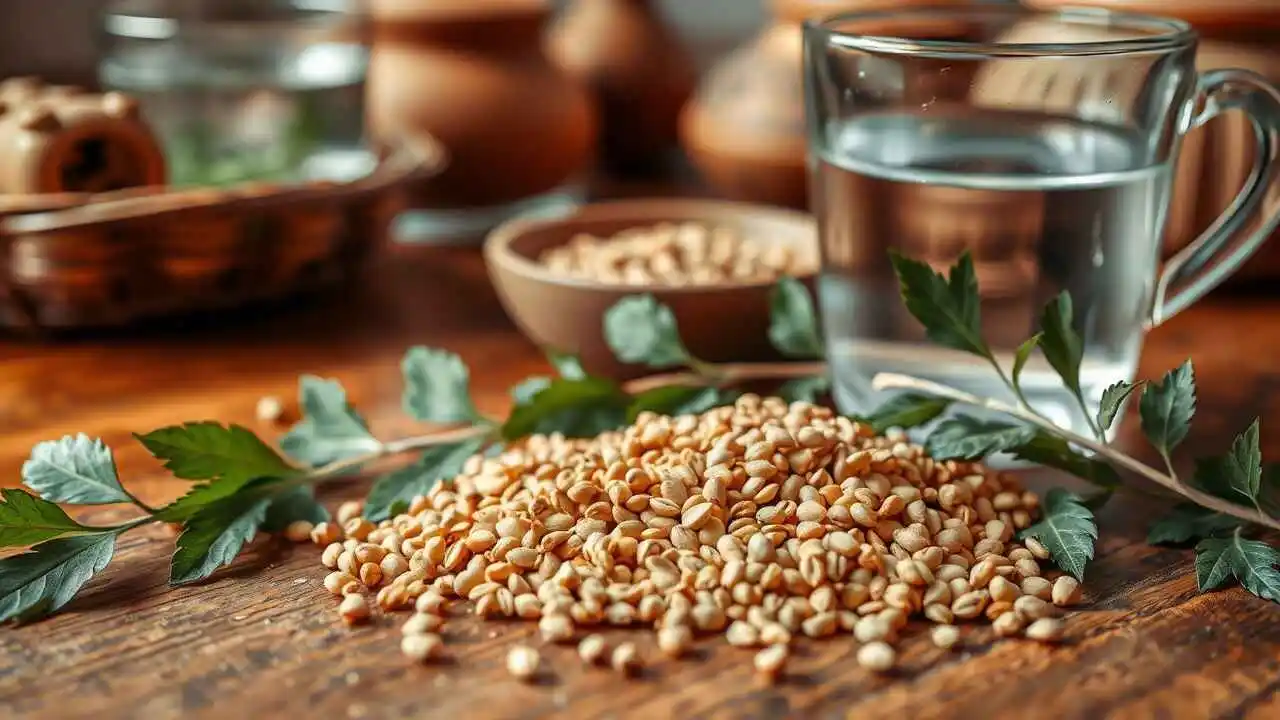
Fenugreek (Trigonella foenum-graecum) is an aromatic herb belonging to the pea family and is characterized by its small, golden-brown seeds and delicate foliage. The seeds are the most commonly used part, available in whole form or as a powder. Fenugreek has a slightly bitter taste, which adds depth to numerous dishes ranging from curries to breads.
Historically, fenugreek has found its place in traditional medicines, particularly within Ayurvedic and Chinese medicine systems, due to its diverse pharmacological properties.
“Let food be thy medicine and medicine be thy food.” – Hippocrates

Nutritional Profile of Fenugreek
To understand the health benefits of fenugreek, we should first examine its nutrient content. Fenugreek seeds are rich in several vitamins and minerals, including:
| Nutrient | Amount per 100g | % Daily Value |
| Protein | 23g | 46% |
| Dietary Fiber | 25g | 100% |
| Iron | 33.5mg | 186% |
| Magnesium | 54mg | 13% |
| Manganese | 1.4mg | 71% |
| Vitamin B6 | 0.6mg | 29% |
| Folic Acid | 57µg | 14% |
As we can see, fenugreek is a powerhouse of nutrition, offering significant contributions to our daily dietary requirements.
Health Benefits of Fenugreek
The Master Regulator of Blood Sugar
Perhaps the most heavily researched and clinically significant benefit of fenugreek is its profound ability to regulate blood glucose levels. With type 2 diabetes and insulin resistance reaching pandemic levels globally, fenugreek offers a powerful, natural intervention.
The magic lies in the seed’s unique physical and chemical composition. Fenugreek seeds are incredibly rich in a specific type of soluble fiber called galactomannan. When consumed with water, this fiber forms a thick, viscous gel in the stomach and small intestine. This gel acts as a physical barrier, significantly slowing down the digestion and absorption of carbohydrates. Instead of a rapid spike in blood sugar after a meal, the glucose trickles slowly into the bloodstream.
Furthermore, the amino acid 4-hydroxyisoleucine, found exclusively in fenugreek, directly stimulates the beta cells in the pancreas to produce more insulin. Numerous clinical trials have demonstrated that consuming just 10-15 grams of fenugreek powder daily can significantly lower fasting blood glucose levels and improve glucose tolerance, making it an exceptional adjunct therapy for pre-diabetics and diabetics alike.
Hormonal Harmony and Testosterone Support
In the realm of hormonal health, fenugreek has garnered immense attention for its ability to naturally balance the endocrine system, particularly regarding testosterone in men.
Testosterone levels in men have been steadily declining over the last century due to environmental toxins, stress, and poor diet. Fenugreek contains specific saponins (such as protodioscin) that are believed to inhibit the enzymes that convert testosterone into estrogen (aromatase) and dihydrotestosterone (5-alpha reductase). By blocking this conversion, more free, active testosterone remains in the bloodstream.
Clinical studies on men supplementing with fenugreek extract have shown significant increases in free testosterone levels, improved libido, enhanced sexual function, and even slight increases in muscle mass and strength during resistance training.
But fenugreek isn’t just for men. For women, it is a miraculous herb for reproductive health. It is highly effective at managing the symptoms of Polycystic Ovary Syndrome (PCOS), a condition driven by insulin resistance and elevated androgens. By improving insulin sensitivity (as mentioned above), fenugreek indirectly lowers male hormones in women, helping to restore regular ovulation and menstrual cycles. It is also a renowned galactagogue—a substance that stimulates milk production in breastfeeding mothers, safely boosting breast milk volume without side effects to the infant.
Gut Health and Digestive Restoration
The gastrointestinal tract is the foundation of systemic health, and fenugreek is a traditional digestive tonic. The same soluble fiber (galactomannan) that regulates blood sugar also acts as a powerful prebiotic.
As this fiber ferments in the colon, it feeds beneficial gut bacteria (like Bifidobacteria and Lactobacillus), which produce short-chain fatty acids that heal the gut lining and reduce systemic inflammation. For individuals suffering from Irritable Bowel Syndrome (IBS), constipation, or chronic indigestion, fenugreek acts as a gentle, bulk-forming laxative. It adds weight and moisture to the stool, promoting smooth, effortless bowel movements without the cramping associated with harsh chemical laxatives.
Fenugreek also stimulates the production of mucilage, a soothing, gel-like substance that coats the stomach lining. This makes it highly effective for soothing gastritis, acid reflux, and heartburn by creating a protective barrier against excess stomach acid.
Cardiovascular Defense and Cholesterol Reduction
Heart disease is largely driven by the accumulation of oxidized LDL (bad) cholesterol in the arteries. Fenugreek provides a multi-pronged defense against cardiovascular disease.
The high fiber content binds to bile acids in the digestive tract. Bile acids are made of cholesterol. By trapping and excreting these bile acids, the liver is forced to pull cholesterol out of the bloodstream to manufacture more bile, thereby directly lowering circulating LDL cholesterol levels.
Additionally, the potent antioxidants in fenugreek prevent the LDL cholesterol that does exist in the blood from oxidizing (hardening into dangerous plaque). Studies have also shown that regular consumption of fenugreek can help lower elevated triglycerides and mildly reduce high blood pressure, further easing the workload on the heart.
Anti-Inflammatory and Pain-Relieving Properties
Chronic, low-grade inflammation is the root cause of most modern diseases, including arthritis. Fenugreek possesses potent anti-inflammatory properties, primarily due to its flavonoid and alkaloid content.
For individuals suffering from osteoarthritis or rheumatoid arthritis, fenugreek can act as a natural pain reliever. The seeds contain Diosgenin, a phytoestrogen that has been shown to inhibit inflammatory pathways in the body, reducing joint swelling, morning stiffness, and pain. Some studies suggest that applying a warm paste of ground fenugreek seeds directly to inflamed joints can provide localized, topical relief.
Aids in Weight Management
Fenugreek seeds may also play a role in weight management. Their high fiber content can promote satiety, helping to curb appetite and reduce overall calorie intake. Fenugreek has also been noted for its potential to boost metabolism, making it a helpful addition to weight loss diets.
Incorporating Fenugreek for Weight Loss:
- Start the day with a glass of warm water mixed with fenugreek powder.
- Use fenugreek seeds in place of more calorie-dense ingredients in recipes.
Supports Lactation
For nursing mothers, fenugreek is a widely recognized galactagogue, a substance that is believed to increase milk supply. Many have reported increased milk production after incorporating fenugreek into their diet, making it a popular choice among breastfeeding women.
Suggestions for Lactating Mothers:
- Add fenugreek seeds to soups or stews for added nutrition.
- Brew fenugreek tea to enjoy its lactation-boosting properties.
Contributes to Skin Health
Fenugreek is not just beneficial when consumed; it can also be applied topically for skin benefits. Its antioxidant and anti-inflammatory properties make it effective against acne, reducing redness and irritation. Additionally, its moisturizing qualities can be beneficial for dry skin.
Fenugreek Face Mask Recipe:
- Soak fenugreek seeds overnight, then grind them into a paste.
- Apply the paste to the face and leave it on for 20-30 minutes before rinsing off.
How to Incorporate Fenugreek Safely
To reap these incredible benefits, fenugreek must be consumed correctly. The seeds are rock-hard and cannot be digested whole. They must be ground into a powder, or preferably, lightly toasted in a dry pan and then ground to release their essential oils and reduce their inherent bitterness.
- The Golden Drink: Steep 1 teaspoon of ground fenugreek powder in a glass of hot water overnight. Strain and drink the water first thing in the morning on an empty stomach.
- Culinary Addition: Toasted fenugreek powder is a staple in Indian curries, stews, and spice blends. It adds a complex, slightly sweet, nutty, and maple-syrup-like flavor.
- Supplementation: For targeted hormonal or blood sugar support, standardized fenugreek extracts are available in capsule form.
Precautions and Considerations
While fenugreek offers numerous health benefits, we should be cautious and aware of its potential side effects. Here are some considerations to keep in mind:
Precautions: While fenugreek is incredibly safe when used as a culinary spice, medicinal doses can cause side effects in some. Because it lowers blood sugar, it should not be taken in high doses alongside prescription diabetes medications without a doctor’s supervision, as it could cause hypoglycemia (blood sugar dropping too low). Pregnant women should avoid medicinal doses of fenugreek, as it can stimulate uterine contractions, though culinary amounts in food are generally considered safe.
- Allergic Reactions: Some individuals may experience allergic reactions, including skin rashes or irritation.
- Blood Thinners: Fenugreek can affect blood clotting; therefore, those on anticoagulants should consult with a healthcare provider before using it.
- Pregnancy: Fenugreek can stimulate uterine contractions, so pregnant women should exercise caution and consult a doctor before consumption.
Conclusion
The health benefits of fenugreek are both extensive and impressive, making it a valuable addition to our diet and wellness routine. By incorporating fenugreek into our meals or routines, we can unlock its potential to support digestive health, manage blood sugar levels, and enhance overall well-being.
As with any natural remedy, we encourage you to approach fenugreek with mindfulness and seek guidance from healthcare professionals when necessary. Together, we can harness the power of nature to benefit our health and enrich our lives.
FAQs
Q1: What is fenugreek, and how is it used for weight loss?
A1: Fenugreek is an herb that has been used for centuries in traditional medicine and cooking. The seeds of fenugreek are rich in soluble fiber, which can help in feeling full and aid in weight management. When soaked, ground, and mixed with buttermilk, fenugreek can become a nutritious drink that contributes to weight loss by promoting satiety.
Q2: How should I prepare fenugreek for maximum benefits?
A2: To prepare fenugreek for weight loss, take 25 grams of fenugreek seeds, soak them in water for about 3 hours. After soaking, grind the seeds into a paste and mix it with buttermilk. It is advisable to consume this mixture before your noon meal for optimal benefits.
Q3: Why is it recommended to have fenugreek before a meal?
A3: Consuming fenugreek before meals can help fill up your stomach, which may lead to reduced appetite and lower calorie intake. This promotes weight loss as you may consume less during your meals.
Q4: Can fenugreek help people with diabetes?
A4: Yes, fenugreek has been shown to improve insulin metabolism and pancreatic function, making it beneficial for those with diabetes. The soluble fiber in fenugreek helps regulate blood sugar levels and can contribute to better overall blood glucose control.
Q5: What are the additional health benefits of fenugreek?
A5: In addition to aiding in weight loss and improving insulin sensitivity, fenugreek has antioxidant properties, may help with digestive issues, supports heart health, and may alleviate menstrual symptoms in women. It is also rich in vitamins and minerals.
Q6: Is there any evidence to support the health claims related to fenugreek?
A6: Various studies indicate that fenugreek can indeed help in managing weight and blood sugar levels. The soluble fiber found in fenugreek seeds is known to slow down the absorption of carbohydrates, potentially stabilizing blood sugar levels. However, individual results may vary, and consulting with a healthcare provider is advisable for personalized advice.
Q7: Are there any side effects associated with fenugreek?
A7: Fenugreek is generally safe for most people when consumed in moderate amounts. Some may experience digestive issues such as bloating or gas. Additionally, fenugreek can potentially interact with certain medications, particularly those for blood sugar control, so it is essential to consult your doctor if you are on medication or have underlying health conditions.
Q8: How often should I consume fenugreek buttermilk for weight loss?
A8: To see potential weight loss benefits, it is advisable to consume the fenugreek and buttermilk mixture daily, ideally before your noon meal. However, it is essential to combine this with a balanced diet and regular exercise for the best results.
Q9: Can I use fenugreek in other ways apart from the buttermilk drink?
A9: Absolutely! Fenugreek can be incorporated into your diet in several ways. You can use fenugreek seeds in cooking, add them to curries or salads, or consume fenugreek powder in smoothies or cereals. Its versatility allows for various culinary uses while reaping its health benefits.
Q10: Who should not consume fenugreek?
