
Table of Contents
Embracing an Anti-Inflammatory Diet: A Path to Wellness
In the fast-paced world we inhabit today, it seems almost inevitable that we encounter chronic inflammation in some form. From minor ailments to more serious conditions, the effects of inflammation are pervasive and can significantly impact our quality of life. As we delve into the intricacies of our dietary choices, we increasingly discover the remarkable potential of an anti-inflammatory diet. In this article, we will explore what an anti-inflammatory diet entails, its myriad benefits, and practical tips for integrating it seamlessly into our lives.
Understanding Inflammation
Before we embark on our dietary journey, it is essential to grasp what inflammation is and how it affects our bodies. Inflammation is a natural response of the immune system to injury or infection. While acute inflammation is beneficial and helps our bodies heal, chronic inflammation can lead to a variety of health issues, such as heart disease, diabetes, arthritis, and certain cancers.
The key to mitigating chronic inflammation lies in choosing the right foods, and this is where the anti-inflammatory diet comes into play.
What Is an Anti-Inflammatory Diet?
An anti-inflammatory diet emphasizes whole, unprocessed foods that help reduce inflammation in the body. By focusing on nutrient-dense options, we can support our immune systems and overall health without resorting to pharmaceutical solutions.

- The Core Concept: Acute vs. Chronic Inflammation
To understand the diet, you need to understand the problem.
- Acute Inflammation: This is your body’s healthy immune response (e.g., the swelling and redness around a cut or a sprained ankle). It helps you heal.
- Chronic Inflammation: This is a persistent, low-level immune response that can last for months or years. It is often caused by lifestyle factors like stress, lack of sleep, lack of exercise, and diet. Chronic inflammation is linked to major diseases, including heart disease, diabetes, cancer, arthritis, and Alzheimer’s.
The goal of the diet is to lower the markers of inflammation (such as C-reactive protein) in your blood.
- Foods to Eat (The “Un-doers”)
These foods are rich in antioxidants, healthy fats, and fiber, which neutralize free radicals and reduce inflammatory markers.
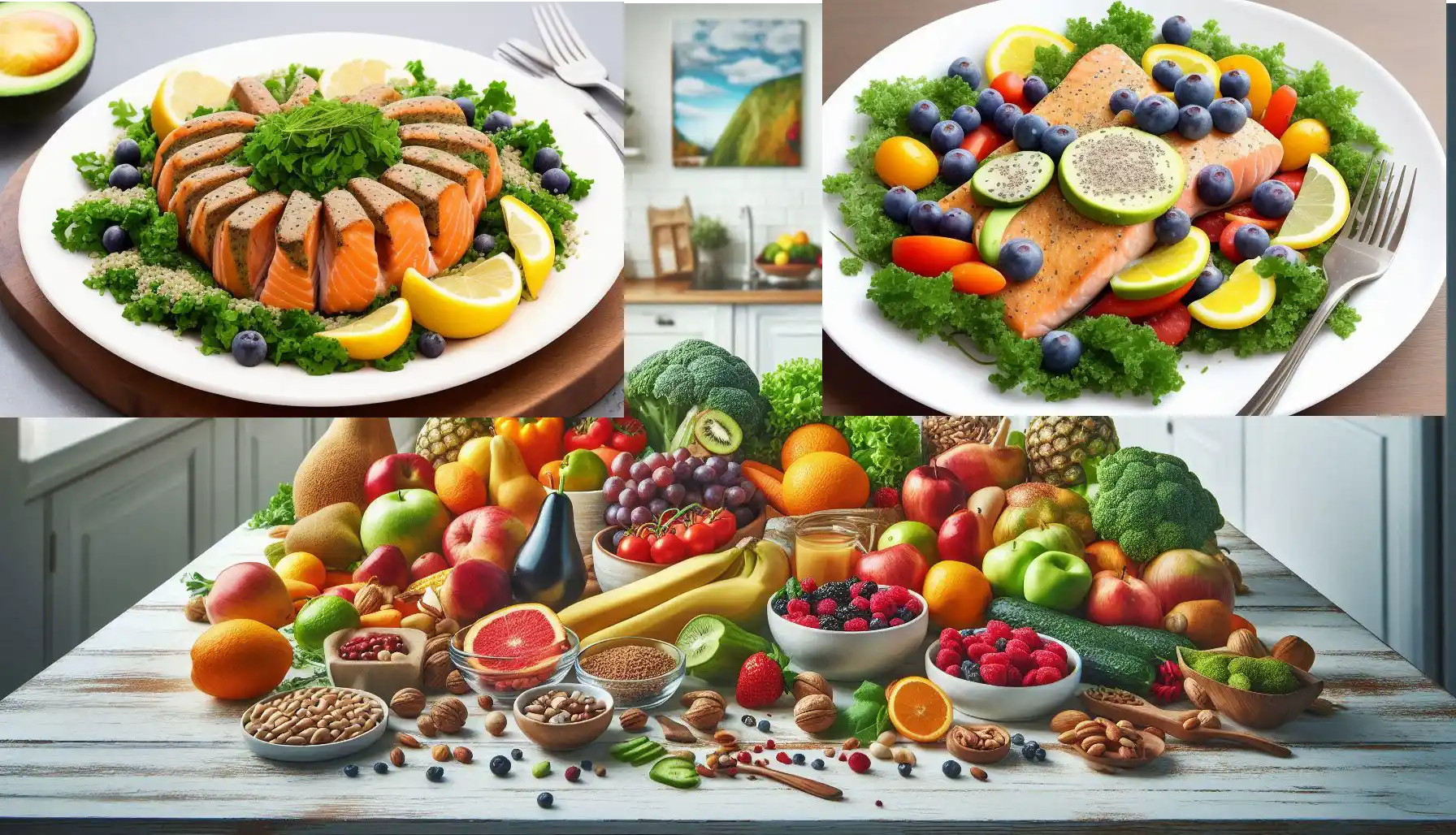
- Fruits and Vegetables: The more colorful, the better. Aim for berries (blueberries, strawberries), cherries, oranges, leafy greens (spinach, kale), broccoli, and tomatoes. These contain phytochemicals and antioxidants.
- Healthy Fats (Omega-3s): These are arguably the most critical component.
- Sources: Fatty fish (salmon, mackerel, sardines), walnuts, chia seeds, flaxseeds, and hemp seeds.
- Healthy Oils: Extra virgin olive oil is the gold standard; it contains oleocanthal, which has effects similar to anti-inflammatory medications (like ibuprofen). Avocado oil is also excellent.
- Nuts and Legumes: Almonds, hazelnuts, peanuts, and beans/lentils are great sources of fiber and plant-based protein.
- Whole Grains: Oats, brown rice, quinoa, and buckwheat. Avoid refined white flour.
- Spices and Herbs: Turmeric (contains curcumin), ginger, garlic, cinnamon, and cayenne pepper are potent natural anti-inflammatories.
- Dark Chocolate: High cocoa content (70% or higher) contains antioxidants called flavanols.
- Foods to Avoid (The “Triggers”)
These foods are known to spike inflammation, disrupt gut bacteria, and increase oxidative stress.
- Added Sugars and Refined Carbs: Sodas, candies, pastries, white bread, and white pasta. These cause rapid spikes in blood sugar and insulin.
- Trans Fats: Often found in fried foods, commercially baked goods (donuts, crackers), and anything labeled “partially hydrogenated” oil.
- Processed Meats: Hot dogs, sausages, bacon, and deli meats. These are high in advanced glycation end products (AGEs), which cause inflammation.
- Excessive Omega-6 Fatty Acids: While your body needs some Omega-6, the modern Western diet has far too much compared to Omega-3. This is found in high amounts in corn oil, safflower oil, sunflower oil, soybean oil, and processed foods made with these oils.
- Alcohol: Heavy alcohol consumption disrupts the gut barrier and increases inflammation.
- Popular Examples
There isn’t one single rulebook for an anti-inflammatory diet. Instead, several established eating patterns naturally fit this description:
- The Mediterranean Diet: Widely considered the best example of an anti-inflammatory diet (high in veggies, fruit, fish, olive oil; low in red meat and processed foods).
- The DASH Diet: Designed to lower blood pressure but also reduces inflammation.
- The Autoimmune Protocol (AIP): A stricter version of the Paleo diet used specifically to manage autoimmune diseases.
- Proven Health Benefits
Adopting this style of eating has been shown to:
- Lower the risk of heart disease.
- Reduce blood pressure.
- Alleviate symptoms of arthritis and joint pain.
- Improve blood sugar control and reduce the risk of type 2 diabetes.
- Aid in weight management (a side effect of cutting out processed foods).
- Improve mood and energy levels.
- Tips for Getting Started
- Don’t overcomplicate it:
- You don’t need to count calories. Focus on adding whole foods to your plate rather than just subtracting bad ones.
- Shop the perimeter: Stick to the outer edges of the grocery store (produce, meat, dairy) and avoid the inner aisles (processed, packaged foods).
- Check your oil: Swap vegetable/canola oil for Extra Virgin Olive Oil or Avocado oil.
- Spice it up: Add turmeric and black pepper to your dishes; black pepper helps your body absorb turmeric.
Here are some major components of an anti-inflammatory diet:
| Food Categories | Examples |
| Fruits | Berries, cherries, oranges |
| Vegetables | Leafy greens, broccoli, carrots |
| Whole Grains | Quinoa, brown rice, oats |
| Healthy Fats | Olive oil, avocados, nuts |
| Fatty Fish | Salmon, sardines, mackerel |
| Legumes | Lentils, chickpeas |
| Spices | Turmeric, ginger, garlic |
Key Nutrients in an Anti-Inflammatory Diet
An anti-inflammatory diet is not just about avoiding certain foods; it’s about embracing those that provide critical nutrients known for their anti-inflammatory properties. Some key nutrients include:
- Omega-3 Fatty Acids: Found in fatty fish and flaxseeds, these acids help combat inflammation.
- Antioxidants: Present in fruits and vegetables, antioxidants neutralize free radicals that can lead to inflammation.
- Fiber: A crucial component of whole grains, legumes, and fruits that aids in maintaining healthy gut flora.
“Let food be thy medicine, and medicine be thy food.” — Hippocrates
This timeless wisdom underscores the significance of our dietary choices in shaping our health.
Benefits of an Anti-Inflammatory Diet
Adopting an anti-inflammatory diet offers numerous advantages that extend beyond simply reducing inflammation. Some noteworthy benefits include:
- Improved Heart Health: Foods rich in omega-3 fatty acids and antioxidants support heart health by reducing cholesterol levels and preventing plaque buildup.
- Weight Management: Whole foods are generally lower in calories and high in fiber, which enhances satiety and can aid in weight control.
- Better Joint Health: Many individuals with arthritis experience significant relief from joint pain and stiffness when incorporating anti-inflammatory foods into their diets.
- Enhanced Mood and Cognitive Function: There’s emerging evidence that an anti-inflammatory diet may also improve mental health by lowering the risk of anxiety and depression.
- Reduced Risk of Chronic Diseases: A diet that consistently limits processed foods can help lower the risk of diabetes, heart disease, and even certain types of cancer.
Practical Tips for Adopting an Anti-Inflammatory Diet
While transitioning to an anti-inflammatory diet may seem daunting, we can ease into it through some practical steps:
- Start Slow: Begin by replacing one processed food in your daily routine with a whole food option.
- Meal Prep: Preparing meals ahead of time can make it easier to stick to your diet. We can designate a day for meal prepping for the week.
- Explore New Recipes: Incorporating new foods can make our meals more exciting. Try visiting a local farmer’s market to discover seasonal produce or unique grains.
- Spice Things Up: Boost flavor and health benefits by adding anti-inflammatory spices such as turmeric and ginger to our dishes.
- Stay Hydrated: Don’t forget the importance of hydration! Drinking enough water can help maintain bodily functions and support overall health.
Sample Anti-Inflammatory Meal Plan
To give you a better idea of how to structure meals within this framework, we provide a sample one-day meal plan.
| Meal | Food Options |
| Breakfast | Oatmeal topped with berries and nuts |
| Snack | Carrot sticks with hummus |
| Lunch | Quinoa salad with leafy greens, cherry tomatoes, and olive oil dressing |
| Snack | A piece of fruit (e.g., apple or banana) |
| Dinner | Grilled salmon with steamed broccoli and sweet potato |
The Role of Exercise and Lifestyle
While our dietary choices are pivotal in combating inflammation, we must also consider the impact of lifestyle factors like exercise, sleep, and stress management. Regular physical activity has been shown to have anti-inflammatory effects, while getting adequate rest allows our bodies to recover and heal.
Moreover, practices such as mindfulness or yoga may reduce stress levels, further contributing to lower inflammation.
Conclusion
As we conclude our exploration of the anti-inflammatory diet, it’s clear that the foods we choose play a crucial role in our health and well-being. By embracing a diverse array of whole, unprocessed foods and making mindful dietary choices, we can foster an environment conducive to wellness. The shift might require effort and adjustment, but the long-term benefits are undeniably worthwhile.
Let us take the first step towards a healthier future, armed with the knowledge and tools to combat inflammation through our diet. Together, we embark on this journey towards a resilient and vibrant life.
FAQs: Incorporating Anti-Inflammatory Foods
Q1: What are anti-inflammatory foods?
A1: Anti-inflammatory foods are those that help reduce inflammation in the body. They include fruits, vegetables, whole grains, nuts, seeds, fatty fish, and olive oil. Foods high in antioxidants and omega-3 fatty acids are particularly beneficial.
Q2: How can I easily add more anti-inflammatory foods to my meals?
A2: Begin by swapping out processed snacks for fruits and nuts. Include a serving of leafy greens or colorful vegetables in every meal. Try to incorporate fatty fish like salmon into your diet at least twice a week, and use spices like turmeric and ginger in your cooking.
Q3: What are some quick anti-inflammatory snacks I can prepare?
A3: Some quick snacks include hummus with carrot and cucumber sticks, mixed nuts, yogurt topped with berries, or apple slices with almond butter. You can also make a smoothie with spinach, banana, and a scoop of flaxseeds for added omega-3s.
4: How can I make my breakfast more anti-inflammatory?
A4: Choose oatmeal topped with berries and a sprinkle of cinnamon, or a smoothie with spinach, avocado, and chia seeds. You could also add walnuts to your yogurt or have scrambled eggs with sautéed vegetables like kale and bell peppers.
Q5: Are there specific types of oils I should use for cooking?
A5: Opt for extra virgin olive oil, which is rich in healthy fats and antioxidants. Avocado oil is also a great choice due to its high smoke point. Limit the use of refined oils such as canola and vegetable oils, as they may promote inflammation.
Q6: What drinks can I incorporate for their anti-inflammatory properties?
A6: Green tea is an excellent option due to its antioxidants. You can also drink herbal teas like ginger or turmeric tea, and smoothies made with anti-inflammatory ingredients such as berries, spinach, and nut milk.
Q7: How important are spices in an anti-inflammatory diet?
A7: Spices play a crucial role! Turmeric (especially when combined with black pepper), ginger, cinnamon, and cayenne pepper all have potent anti-inflammatory properties. You can easily incorporate them into soups, curries, and marinades.
Q8: Should I eliminate any foods from my diet when focusing on anti-inflammatory eating?
A8: While it’s not always necessary to eliminate foods entirely, try to reduce your intake of processed foods, refined sugars, and trans fats, which can promote inflammation. Pay attention to how your body reacts to certain foods and adjust accordingly.
Q9: How can meal prepping help with incorporating anti-inflammatory foods?
A9: Meal prepping allows you to plan and prepare your meals in advance, making it easier to include anti-inflammatory foods throughout the week. You can batch cook grains, wash and chop vegetables, and prepare healthy snacks to have on hand.
Q10: Can incorporating anti-inflammatory foods have immediate effects on my health?
A10: While some people may feel immediate changes in how they feel, such as improved energy levels or reduced bloating, it generally takes time to notice significant health changes. Consistently including these foods in your diet can lead to long-term benefits for your overall health and well-being.
Inflammatory Foods to Avoid on an Empty Stomach
Q1: What are inflammatory foods?
A1: Inflammatory foods are those that can trigger inflammation in the body, leading to various health issues, including chronic diseases. They often include processed foods, high-sugar items, and certain fats.
Q2: Why is it important to avoid inflammatory foods on an empty stomach?
A2: Consuming inflammatory foods on an empty stomach can exacerbate their negative effects, leading to increased inflammation, digestive discomfort, and an imbalance in gut health. Eating these foods without prior nutrient intake may also amplify their harmful impacts on blood sugar levels.
Q3: What are some common inflammatory foods to avoid on an empty stomach?
A3: Some common inflammatory foods to avoid on an empty stomach include:
- Sugary cereals or pastries
- Processed meats (e.g., bacon, sausages)
- High-sugar beverages (e.g., sodas, energy drinks)
- Refined carbohydrates (e.g., white bread, pastries)
- Fried foods
- Artificial trans fats (found in margarine and processed snacks)
- Excessive caffeine (in high doses and on an empty stomach)
Q4: What effect do sugary foods have when eaten on an empty stomach?
A4: Sugary foods can lead to rapid spikes in blood sugar followed by crashes, causing increased hunger and irritability. On an empty stomach, these spikes can also contribute to inflammation and negatively impact gut health.
Q5: Are there healthy alternatives to start my day with instead of inflammatory foods?
A5: Yes! Healthier alternatives include:
- Whole grains (like oatmeal or whole grain toast)
- Fresh fruits (like bananas, berries, or apples)
- Nuts and seeds (like almonds or chia seeds)
- Greek yogurt or plant-based yogurt (low in sugar)
- Green smoothies or vegetable juices
Q6: How can I identify if a food is inflammatory?
A6: Foods that are high in added sugars, refined carbs, trans fats, or artificial additives are typically inflammatory. Reading ingredient labels for these components can help. Additionally, foods that are highly processed or come in boxes and packages often contain inflammatory ingredients.
Q7: Can I tolerate small amounts of inflammatory foods on an empty stomach?
A7: Individual tolerance varies. Some people may handle small amounts without immediate effects, while others may experience discomfort. It’s best to observe how your body reacts and prioritize maintaining a balanced diet rich in whole, unprocessed foods.
Q8: Are there benefits to eating anti-inflammatory foods on an empty stomach?
A8: Yes! Starting your day with anti-inflammatory foods can support overall health, enhance mood, stabilize blood sugar levels, and improve digestion. Foods rich in omega-3 fatty acids, antioxidants, vitamins, and minerals can reduce inflammation and promote better health.
Q9: How does hydration impact inflammation on an empty stomach?
A9: Staying hydrated can help manage inflammation. Drinking water or herbal teas on an empty stomach can promote digestion and help flush out toxins, which may support lower inflammation levels in the body.
Q10: Should I consult a healthcare professional about my diet and inflammation?
A10: Yes! If you have specific health concerns related to inflammation, it’s advisable to consult with a healthcare professional or a registered dietitian. They can provide personalized guidance based on your individual health needs and dietary preferences.
