
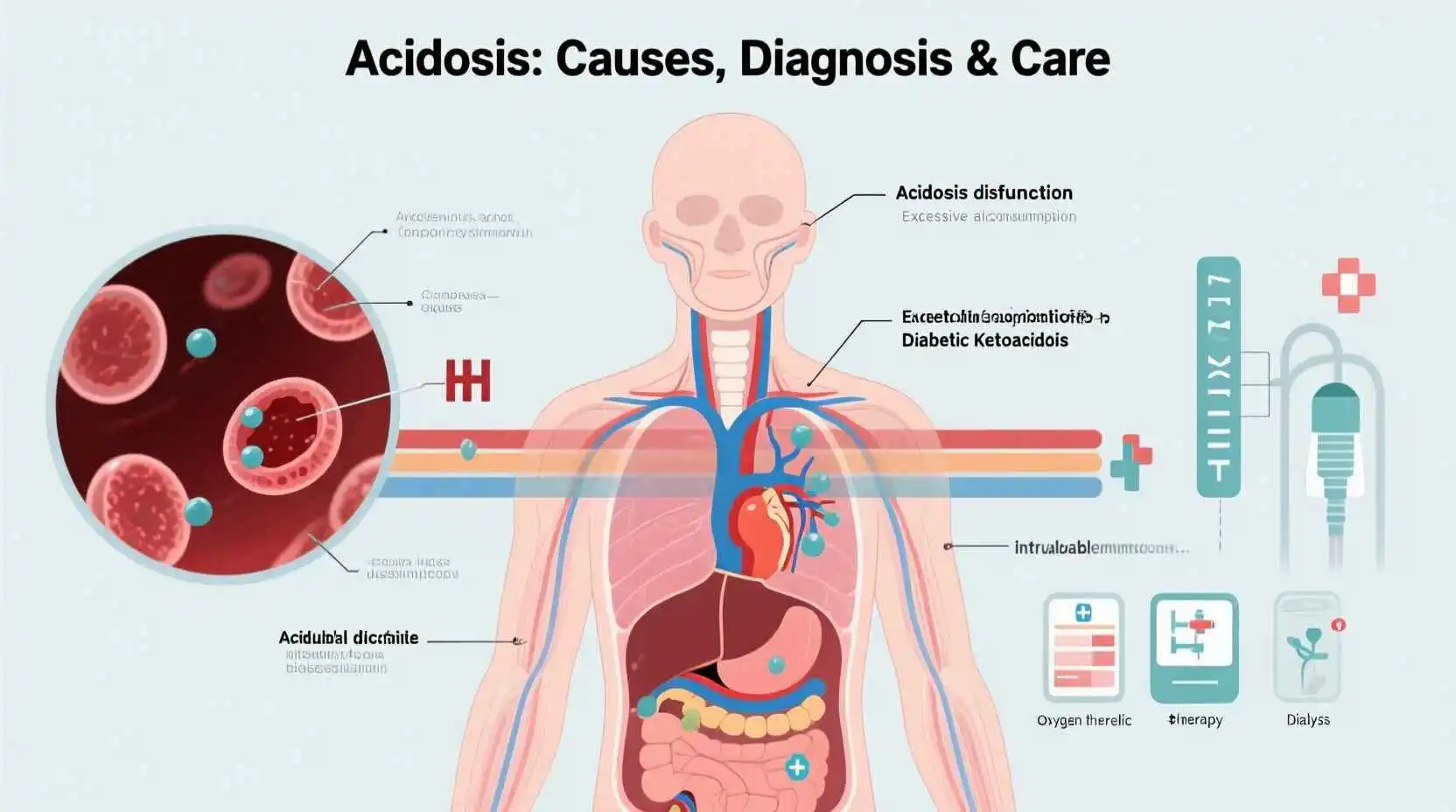
It’s vital to understand that these conditions rarely occur in isolation in critical settings. They often precipitate or exacerbate one another. For example, severe hypovolemia leads to decreased blood flow, causing tissue hypoxia. This lack of oxygen forces cells to use anaerobic metabolism, producing lactic acid and causing metabolic acidosis. Severe acidosis can worsen hyperkalemia by shifting potassium out of cells. Hypothermia can slow metabolism and impair the body’s ability to correct acidosis or electrolyte imbalances. Recognizing these potential domino effects is crucial for comprehensive assessment and treatment.
Summary Table of Conditions
To provide a quick overview, we’ve summarized the key aspects of each condition:
| Condition | What it Is | Key Causes (Examples) | Potential Dangers |
| Hypovolemia | Low blood volume | Bleeding, Dehydration, Burns, Vomiting/Diarrhea | Hypovolemic Shock, Organ Failure |
| Hypoxia | Low oxygen in tissues | Lung disease, Heart failure, Anemia, High altitude | Organ Damage, Brain Injury, Death |
| Acidosis | Blood pH too low (too acidic) | Respiratory failure (high CO2), Kidney failure, DKA | Impaired cellular function, Organ dysfunction |
| Hypoglycemia | Low blood sugar | Diabetes treatment side effect, Skipped meals, Alcohol | Brain dysfunction, Seizures, Coma, Permanent damage |
| Hyperkalemia | High blood potassium | Kidney failure, Certain medications, Tissue injury, Acidosis | Life-threatening Heart Arrhythmias |
| Hypokalemia | Low blood potassium | Vomiting/Diarrhea, |
FAQs

1. What natural remedies can help manage hypovolemia?
Natural remedies for hypovolemia mainly focus on adequate fluid intake with water, coconut water, and electrolyte-rich drinks like homemade oral rehydration solutions (ORS). Eating water-rich fruits and vegetables also helps maintain hydration.
2. Can lifestyle changes prevent hypovolemia?
Yes, maintaining regular hydration, avoiding excessive alcohol and caffeine, and monitoring fluid loss during exercise or heat exposure can prevent hypovolemia.
3. How important is salt intake in managing hypovolemia naturally?
Moderate salt intake helps retain fluids and maintain blood volume, but excess salt can cause other health issues. A balanced intake aligned with natural foods like salted nuts or pickles is helpful.
4. Are there specific foods that promote natural fluid retention?
Foods rich in potassium (bananas, avocados) and magnesium (nuts, seeds) help balance fluids and electrolytes, aiding in preventing hypovolemia.
5. How can herbal remedies aid in hypovolemia?
Certain herbs like licorice root may help increase mineralocorticoid activity and promote fluid retention but should be used cautiously and under supervision.
6. Is exercise helpful or harmful for hypovolemia?
Moderate exercise with adequate hydration is beneficial. However, intense exercise without replenishing fluids can worsen hypovolemia.
Hypoxia
7. Can natural remedies improve hypoxia?
Natural remedies focus on improving oxygen delivery and lung health, such as breathing exercises, antioxidant-rich foods, and herbs that support respiratory health.
8. What lifestyle changes help reduce hypoxia symptoms?
Quitting smoking, avoiding pollutants, practicing deep breathing or pranayama, and increasing physical activity improve oxygenation.
9. Which foods support better oxygen transport in the blood?
Foods rich in iron (spinach, lentils), vitamin B12 (eggs, dairy), and antioxidants (berries, leafy greens) support red blood cell production and oxygen transport.
10. How does controlled breathing help treat hypoxia?
Techniques like diaphragmatic breathing increase lung capacity and oxygen absorption, reducing hypoxia symptoms naturally.
11. Can antioxidants help with hypoxia?
Yes, antioxidants reduce oxidative stress caused by low oxygen levels; foods rich in vitamins C and E help protect tissues.
12. Are there herbs recommended to improve lung function for hypoxia?
Herbs like eucalyptus, ginger, and turmeric have anti-inflammatory properties that support respiratory function.
Acidosis
13. How can diet help in managing acidosis naturally?
Eating more alkaline-forming foods like fruits, vegetables, nuts, and reducing intake of acid-forming foods (processed meat, refined sugars) helps balance pH.
14. Is drinking alkaline water beneficial for acidosis?
Some believe alkaline water can help neutralize body acidity, but evidence is limited. Consuming balanced fluids is more important.
15. What lifestyle habits contribute to preventing acidosis?
Regular exercise, stress management, and avoiding excessive alcohol and processed foods reduce acidosis risk.
16. Can herbal remedies regulate body pH?
Herbs such as ginger and chamomile may support digestion and reduce acid buildup, but they are adjuncts rather than primary treatments.
17. Does reducing meat consumption help with acidosis?
Yes, because meats are acid-forming, reducing intake in favor of plant-based foods helps maintain a neutral pH.
18. How does hydration affect acidosis?
Adequate water intake flushes acids from the body and supports kidney function, reducing acidosis.
Electrolyte Imbalances
19. What natural foods help correct electrolyte imbalances?
Bananas (potassium), nuts and seeds (magnesium), dairy (calcium), and coconut water (multiple electrolytes) help restore imbalances.
20. Can lifestyle changes prevent electrolyte imbalances?
Yes, balanced diet, proper hydration, and avoiding excessive sweating or dehydration help maintain electrolyte levels.
21. How does stress influence electrolyte balance?
Chronic stress can affect hormone levels, leading to imbalances in sodium and potassium; managing stress through meditation helps.
22. Are homemade electrolyte drinks effective?
Yes, drinks made with water, salt, sugar, and lemon can effectively restore electrolytes naturally.
23. How does exercise impact electrolyte levels?
Sweating during exercise causes loss of sodium, potassium, and magnesium; replenishing these through diet is important.
24. Can herbs influence electrolyte balance?
Herbs like dandelion act as natural diuretics and can impact electrolyte levels, so use should be moderate.
Integrated FAQs
25. Can natural remedies treat all four conditions simultaneously?
Some remedies like proper hydration, balanced diet, and stress management can help manage hypovolemia, hypoxia, acidosis, and electrolyte imbalances concurrently.
26. When should natural remedies be considered insufficient?
If symptoms are severe, worsen, or do not improve, medical treatment is necessary alongside natural methods.
27. How important is hydration in all these conditions?
Hydration is central; it supports blood volume, oxygen transport, acid-base balance, and electrolyte concentrations.
28. Are lifestyle changes alone enough to prevent these conditions?
Lifestyle changes are crucial preventive measures, but underlying medical issues require professional care.
29. Can meditation and yoga help in these conditions?
Yes, they improve oxygenation, reduce stress, support digestion, and promote overall balance.
30. How can one monitor improvement through natural methods?
Regular self-monitoring of hydration, energy levels, breathing, and dietary habits, combined with periodic medical check-ups, ensures safe progress.
Medical Disclaimer:
The information provided on this website is for general educational and informational purposes only and is not intended as a substitute for professional medical advice, diagnosis, or treatment. Always seek the advice of your physician or other qualified health provider with any questions you may have regarding a medical condition. Never disregard professional medical advice or delay in seeking it because of something you have read on this website.
