
Table of Contents
Question: What triggers muscle cramps?
Answer: Common triggers include dehydration, electrolyte imbalances (such as low potassium or magnesium), prolonged sitting or standing, overuse of muscles, or even cold temperatures.
3. What natural remedies can help relieve muscle cramps?
Question: What are some effective natural remedies for muscle cramps?
Answer: Here are a few natural remedies that may help:
- Stretching: Gently stretching the affected muscle can help relieve the cramp.
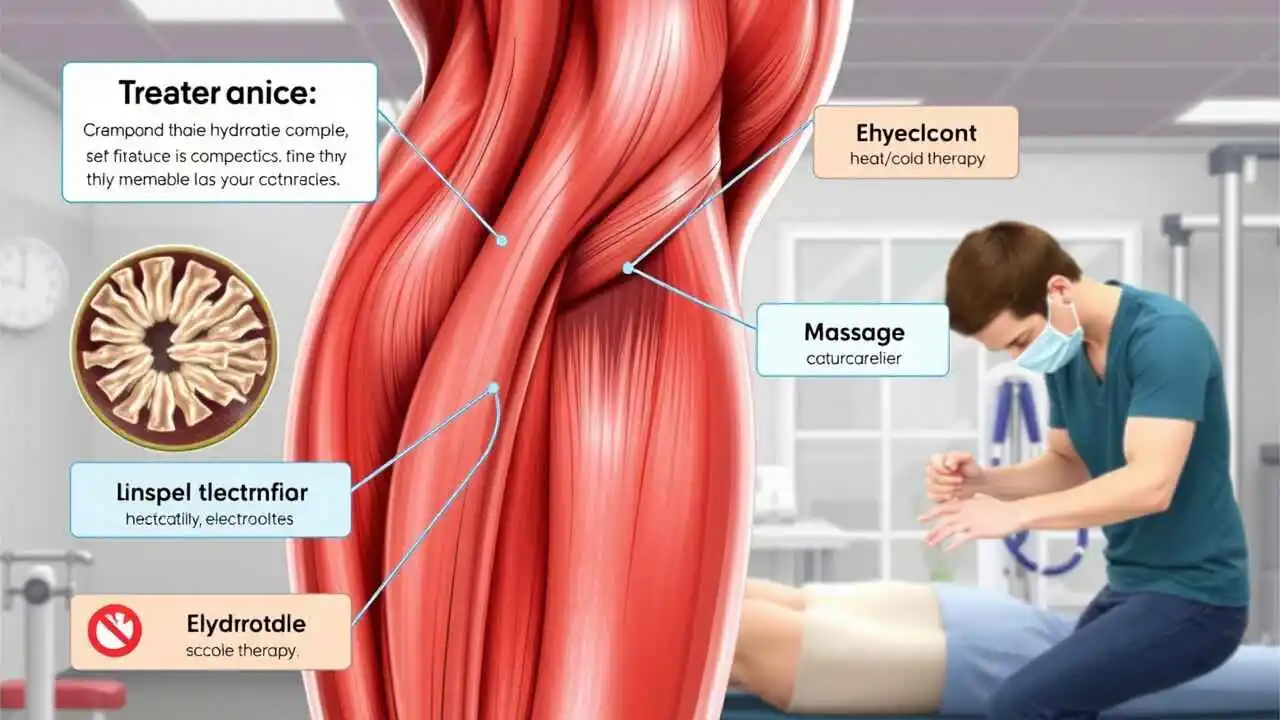
- Massage: Massaging the cramped muscle can improve blood flow and reduce tension.
- Heat Therapy: Applying a warm towel or heating pad can help relax tight muscles.
- Cold Therapy: For some people, applying ice to the muscle can reduce pain and inflammation.
4. Are there specific foods that can help prevent muscle cramps?

Question: What foods are beneficial for preventing muscle cramps?
Answer: Consuming a balanced diet rich in certain nutrients can help prevent muscle cramps:
- Bananas: High in potassium, which is crucial for muscle function.
- Leafy Greens: Spinach and kale are rich in magnesium.
- Nuts and Seeds: Almonds and pumpkin seeds provide magnesium and other essential minerals.
- Citrus Fruits: Oranges and lemons help with hydration and provide electrolyte support.
5. What beverages are good for muscle health?
Question: Which drinks can help reduce the likelihood of muscle cramps?
Answer: Staying well-hydrated is key. Some beneficial beverages include:
- Water: Essential for hydration to prevent cramps.
- Coconut Water: Rich in electrolytes, particularly potassium.
- Herbal Teas: Chamomile or ginger tea may help relax muscles.
- Electrolyte Solutions: Sports drinks can help replenish lost electrolytes, especially during prolonged physical activity.
6. How important is hydration in preventing muscle cramps?
Question: What role does hydration play in preventing muscle cramps?
Answer: Hydration is crucial in preventing muscle cramps. Dehydration can lead to an imbalance in electrolytes, increasing the likelihood of cramps. It’s important to drink enough water throughout the day, especially during and after exercise.
7. Can supplements help with muscle cramps?
Question: Are there any natural supplements that may help?
Answer: Yes, some supplements can help reduce the frequency of muscle cramps:
- Magnesium: Often recommended for muscle relaxation and preventing cramps.
- Potassium: Adequate potassium levels are vital for proper muscle function.
- Calcium and Vitamin D: These are important for muscle contraction and overall muscle health.
8. When should I consult a doctor about muscle cramps?
Question: At what point should I seek medical advice for muscle cramps?
Answer: If you experience frequent or severe muscle cramps that interfere with daily activities, or if they are accompanied by swelling, weakness, or if you have other health concerns, it is advisable to consult a healthcare professional.
Medical Disclaimer:
The information provided on this website is for general educational and informational purposes only and is not intended as a substitute for professional medical advice, diagnosis, or treatment. Always seek the advice of your physician or other qualified health provider with any questions you may have regarding a medical condition. Never disregard professional medical advice or delay in seeking it because of something you have read on this website.
